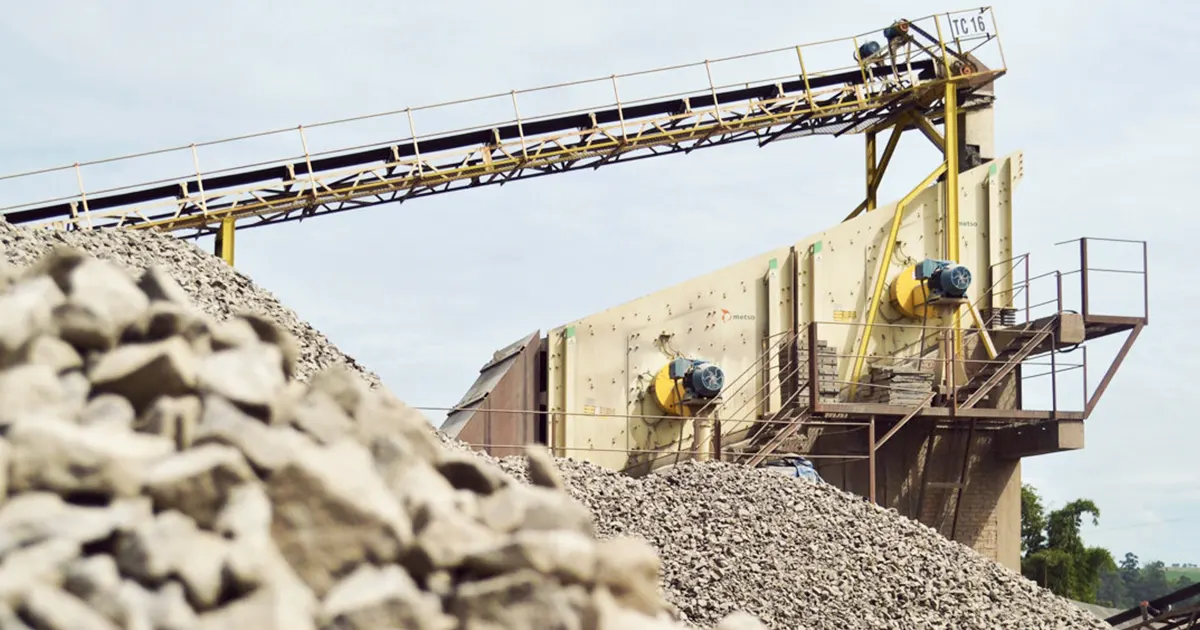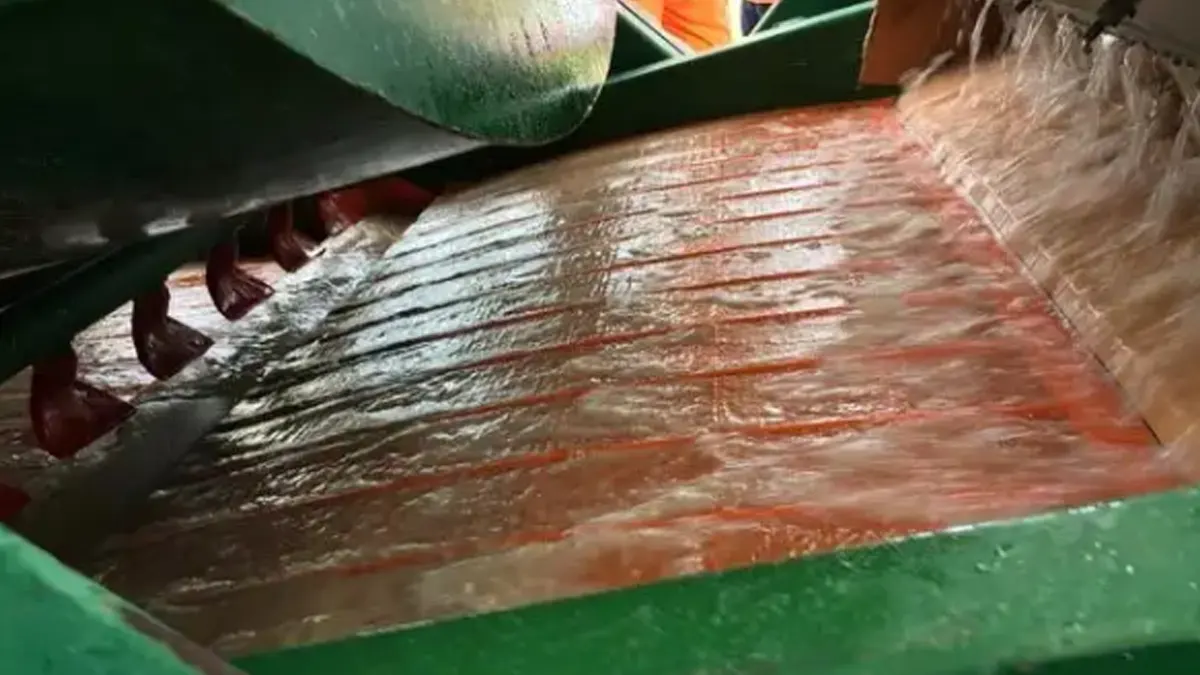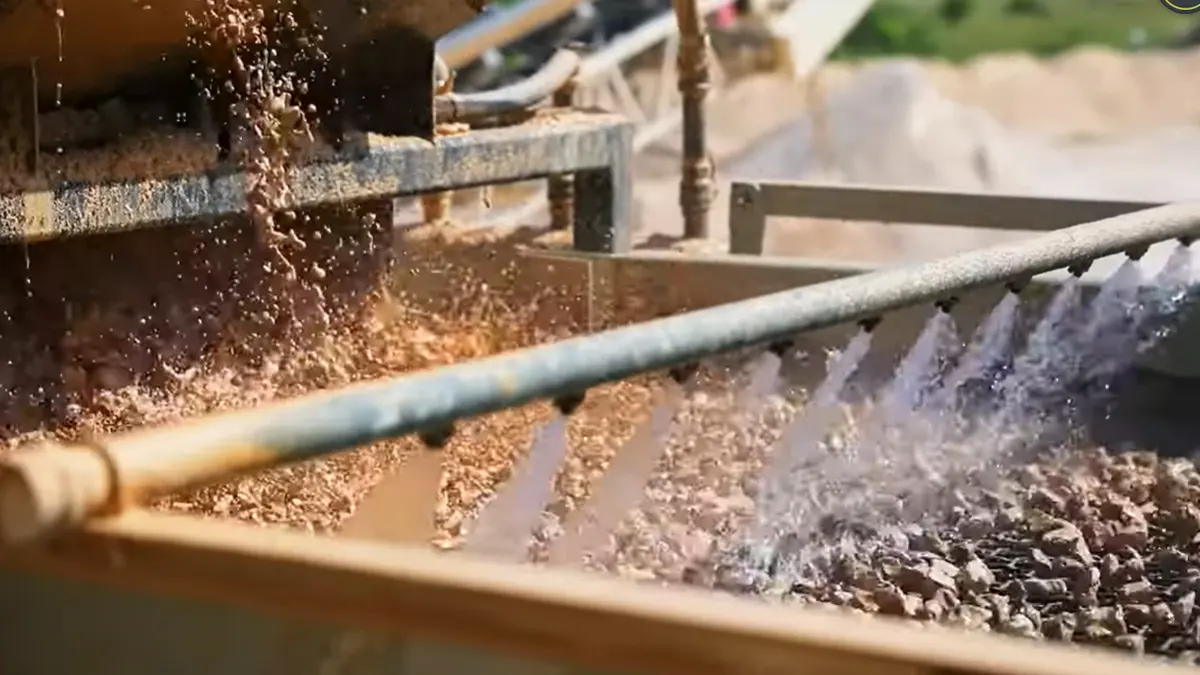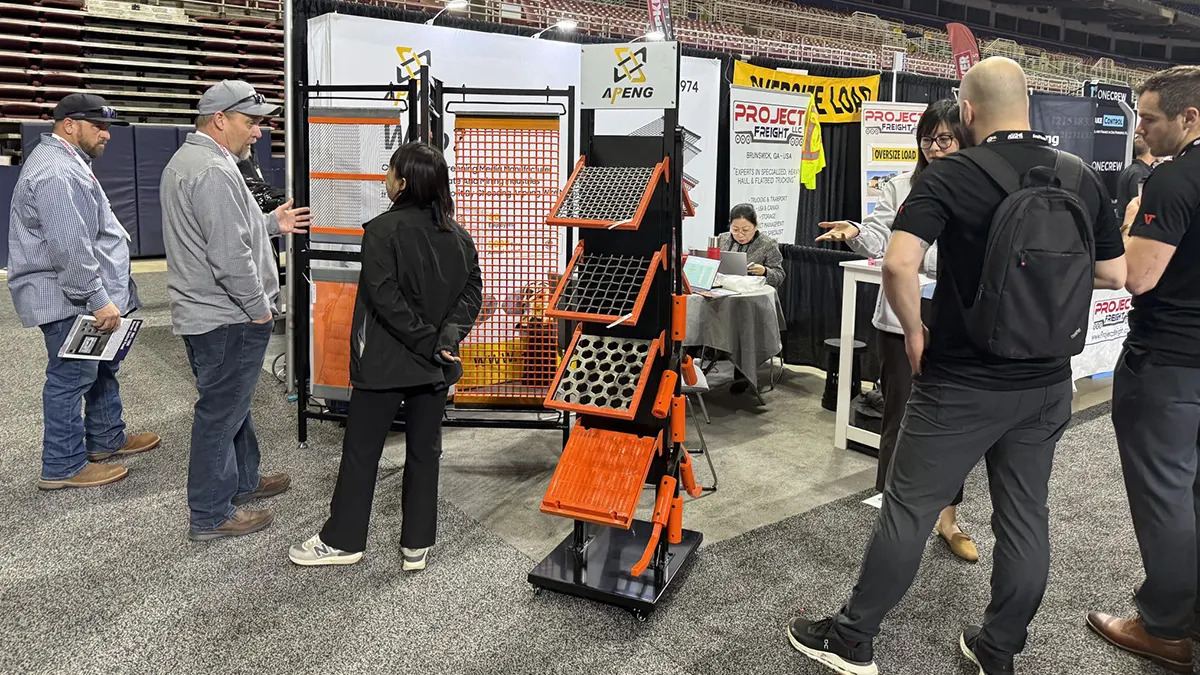
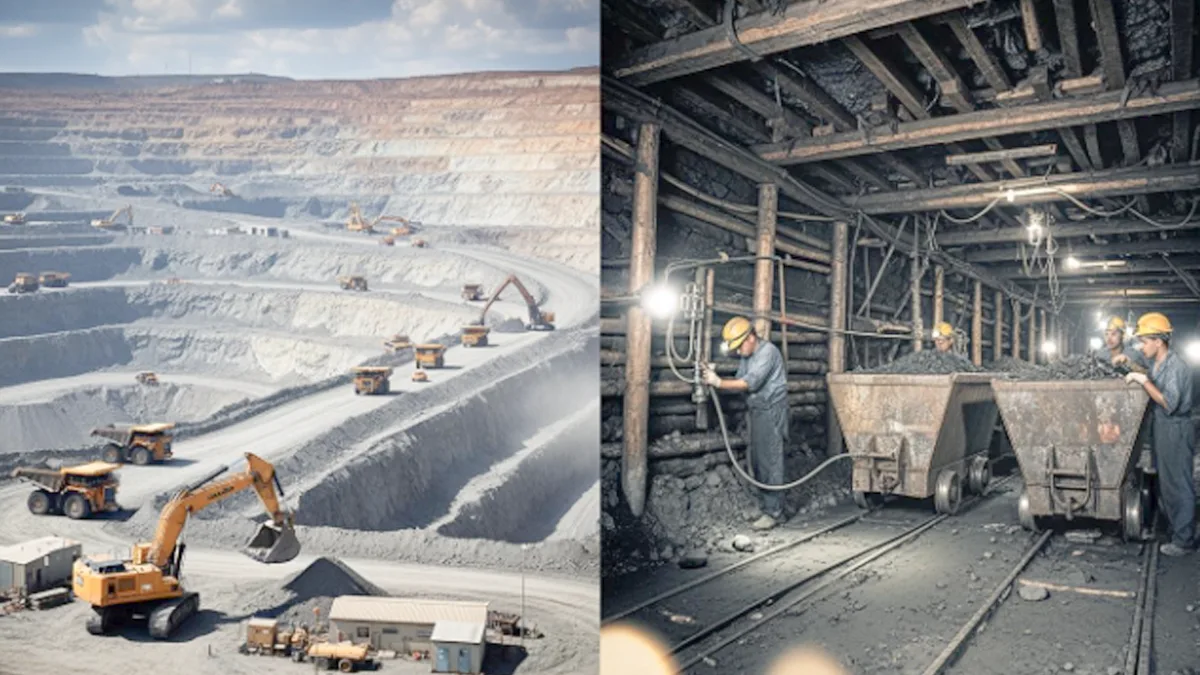
You might wonder what the main types of mining are. The answer is simple: surface mining and underground mining. If you work in the industry or just want to understand how things get done, knowing the Types of Mining helps you make smart choices. The mining method you pick can change everything, from safety to cost. Take a look at what influences your decision:
- Safety matters for every worker on site.
- Efficiency affects how much ore you can pull out.
- Costs can go up or down, depending on the technique.
- Environmental impact shapes how the land looks after mining.
Key Takeaways
- Learn about the two main mining methods. Surface mining and underground mining are different. Each method uses special steps. Each method works best for certain types of ore.
- Safety matters most in mining. Pick methods that keep workers safe. Try to lower risks, especially in underground mining.
- Think about how much mining costs. Surface mining usually costs less and is faster. Underground mining costs more but is needed for deep ore.
- Look at how mining affects the environment. Surface mining can change the land a lot. Underground mining changes less on the surface.
- Check the orebody’s depth and shape. This helps you pick the best mining method. It also helps you get ore efficiently and waste less.
- Know the rules and permits needed for mining. Following local laws is important for mining to work well.
- Plan ahead for changes in mining methods. If ore gets deeper, you may need to switch methods. This helps you get more minerals.
- Use the right tools and ways to process mined materials. Choosing the best screen media for your method makes mining work better and saves time.
Types of Mining Methods
Mining Methods Overview
Mining uses different ways to get minerals from the earth. Each method has its own steps to find valuable materials. Surface mining and underground mining are the most common types. Placer mining and in-situ mining are also used. These methods help reach minerals that are near the surface or deep underground.
Here’s a simple look at some main mining methods:
| Mining Method | Description |
|---|---|
| Surface Mining | Happens on top of the ground. Workers remove dirt to find the orebody. |
| Underground Mining | Workers dig tunnels and shafts to reach ore deep below. |
| Placer Mining | Uses water and pans to get metals from sand and gravel. |
| In-situ Leach Mining | Uses chemicals to dissolve minerals without moving rocks. |
| Open Pit Mining | Workers drill and blast to make big pits for ore. |
| Strip Mining | Uses big machines to take away dirt and show the orebody. |
Each method works best for certain minerals and places. Surface mining is good when ore is close to the top. Underground mining is used for deeper ore. Placer and in-situ mining use water or chemicals to get minerals without moving much rock.
Why Classification Matters
Classifying mining methods helps you plan and stay safe. When you know the method, you can pick the right tools and hire the right people. It also helps you follow rules and laws. A clear plan makes your mining project run better.
Tip: Picking the right mining method can save money, keep workers safe, and protect nature.
Factors Influencing Method Choice
Choosing a mining method takes careful thinking. You must look at many things before starting. Here is a table with some main factors to think about:
| Factor Type | Description |
|---|---|
| Spatial characteristics | Shape and size of the orebody change how you mine. |
| Geologic and hydrologic conditions | The kind of rock and water can make mining easier or harder. |
| Geotechnical properties | How strong the ground is helps you pick safe tools and methods. |
| Economic considerations | You need to know costs and how much money you can make. |
| Technological factors | The tools and machines you have must fit the job. |
| Safety, Health, Environmental concerns | Think about how mining affects people and the land. |
Look at the orebody’s shape, the rock type, water, and your tools. Safety and the environment are very important. When you check all these things, you can choose the best mining method for your project.
Surface Mining Methods
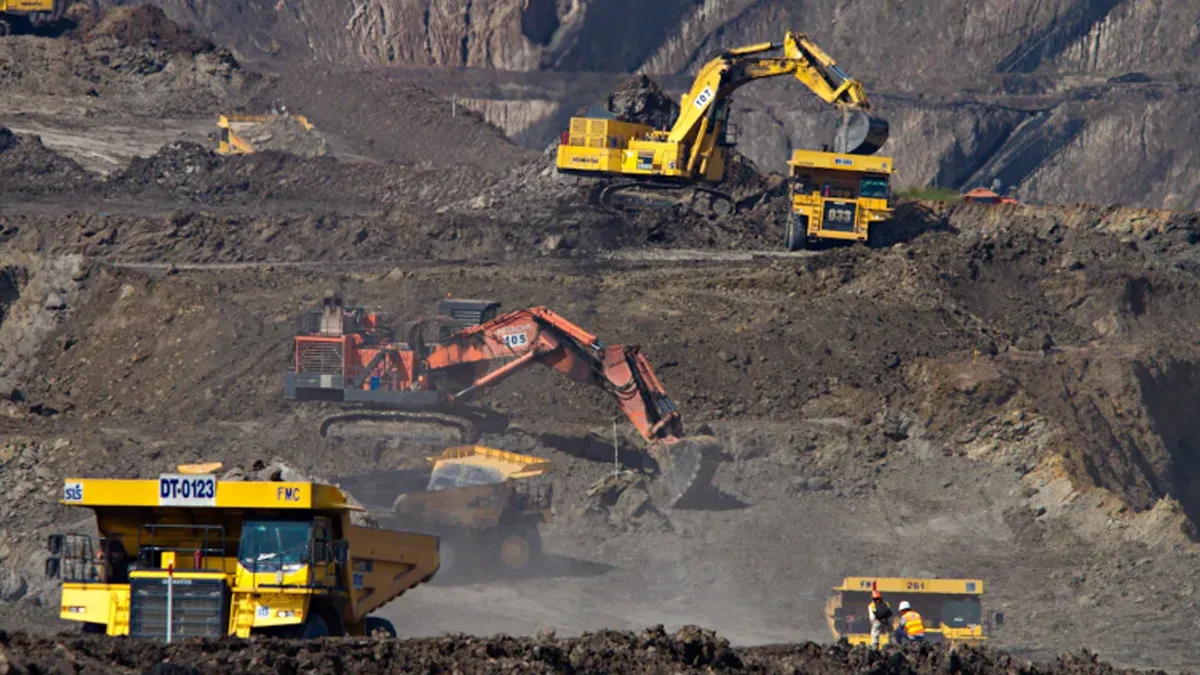
Surface mining is a very common way to mine. People use it all over the world. It costs less and works well for minerals near the top. Big machines can be used, so you get more minerals quickly. Here are some minerals you can get with surface mining:
| Mineral | Quantity (tonnes) |
|---|---|
| Coal | 7.4 billion |
| Iron | 4.6 billion |
| Bauxite | 289 million |
Let’s learn about the main surface mining methods.
Open-Pit Mining
Definition
Open-pit mining means digging a big hole in the ground. You take away layers of dirt and rock to find the orebody. This works best when the ore is close to the surface and spread out.
Use Cases
Open-pit mining is used for copper, iron, gold, and diamonds. Companies pick this method when the orebody is wide and not deep. It is good when you need to move lots of dirt to get the minerals.
Advantages
- Big machines help you work faster.
- Workers are safer because they stay above ground.
- You can get almost all the minerals.
- Costs are lower since you don’t need tunnels.
Tip: Open-pit mining is popular because it saves money. You need fewer buildings and can use bigger machines. This helps you finish the job faster.
Limitations
- Open-pit mining changes the land a lot.
- Trees and animal homes may be lost.
- Air and water can get dirty if waste is not handled.
- This method only works if the orebody is near the surface.
Example
The Bingham Canyon Mine in Utah is a huge open-pit mine. You can see it from space. Workers get copper and other metals there.
Strip Mining
Definition
Strip mining means taking away long strips of dirt and rock. You do this to find a mineral seam. You work in flat places, moving one strip at a time. When you finish one strip, you put the dirt back and start the next.
Use Cases
Strip mining is mostly used for coal, lignite, phosphate, and gypsum. It works best when the mineral is close to the surface and runs straight across.
Advantages
- Strip mining is great for flat deposits.
- You can get almost all the resource.
- The process is simple and easy to control.
Limitations
- Strip mining leaves big marks on the land.
- It can make soil and water dirty.
- It does not work for deep or steep deposits.
Example
In Wyoming’s Powder River Basin, strip mining is used to get lots of coal. The land is flat, and the coal is thick and near the top.
Quarrying
Definition
Quarrying means taking rocks and minerals right from the earth. You usually get stone, gravel, sand, or slate. The goal is to use the rock itself.
Use Cases
Quarrying is used for building materials like limestone, granite, marble, and sandstone. Builders need these for roads, buildings, and statues.
Advantages
- Almost everything you take out gets used, so there is little waste.
- Quarries are smaller and easier to run than open-pit mines.
- The process is simple and does not need fancy machines.
Limitations
- Quarrying still changes the land and makes dust and noise.
- People may not like quarries near their homes.
- Quarries are smaller, so you can’t use them for deep or valuable ores.
| Aspect | Quarrying | Open-Pit Mining |
|---|---|---|
| Target Substance | Rock for building materials | Minerals like copper, gold, or iron ore |
| Waste Generation | Little waste, most material is used | Lots of waste, much is thrown away |
| Operational Scale | Smaller, focused on certain materials | Bigger, aimed at getting valuable minerals |
Example
Carrara marble quarries in Italy are famous. They have given marble for art and buildings for hundreds of years. Workers cut blocks of marble from the mountain.
Note: Surface mining methods like open-pit mining, strip mining, and quarrying all have good and bad points. You must pick the right method for your mineral, land, and goals.
Placer Mining
Definition
Placer mining gets minerals from loose sand, gravel, or clay. Water helps separate heavy metals like gold or tin from lighter stuff. People use pans, sluices, or dredges for this. You do not dig deep holes or tunnels. Instead, you work along riverbeds, beaches, or old stream beds.
Use Cases
Placer mining is common for gold, platinum, tin, and gemstones. It works best where water can wash away lighter dirt. Miners use this in rivers, creeks, or on beaches. During gold rushes, many people used placer mining to find gold pieces.
Advantages
- You do not need big machines or deep digging.
- Placer mining costs less than other mining types.
- You can start small and grow if you find more minerals.
- This method is good for beginners and small groups.
Tip: If you want to try mining for fun, placer mining is easy to start.
Limitations
- You only find minerals that are already loose from rocks.
- Placer mining does not work for deep or hard-to-reach ores.
- The amount of gold or gems you find can change fast.
- This method can hurt rivers and fish if not managed well.
Here’s a table showing some important environmental things to think about for placer mining in rivers and coastal areas:
| Environmental Consideration | Description |
|---|---|
| Impact on Salmonid Habitat | Mining happens where fish live, which can hurt salmon and other fish. |
| Water Quality and Hydrology | Mining can change water flow and release heavy metals like mercury or arsenic. |
| Physical Habitat Modification | Moving dirt can change riverbeds and harm plants and animals. |
| Pollution from Mining | Chemicals and metals can leak into water and cause problems. |
| Infrastructure Impacts | Roads and machines can block fish and cause erosion or pollution. |
Example
The California Gold Rush is a famous placer mining example. People used pans and sluices in rivers to find gold. Even today, hobbyists pan for gold in streams in the western United States.
Highwall Mining
Definition
Highwall mining is a surface way to get coal left after open-pit or strip mining. A special machine moves into the exposed wall of a mine. This machine cuts and removes coal without sending people underground. Workers control the machine from outside the wall.
Use Cases
Highwall mining is used to get more coal from seams that are too deep or risky for other surface mining. It works well where most of the top rock is already gone. You often see this in coal fields with thick, flat seams.
Advantages
- You can get coal from places that are hard to reach with other mining.
- Highwall mining costs less than making new underground tunnels.
- This method leaves a smaller mark on the land than other surface mining.
- Workers are safer because they use remote controls.
Limitations
- The wall can become unsafe if you do not check the ground well.
- Highwall mining only works for seams that are not too deep.
- You need skilled workers and special machines.
- There is still a risk of hurting habitats and water nearby.
Here’s a table that compares the good and bad points of highwall mining:
| Advantages of Highwall Mining | Limitations of Highwall Mining |
|---|---|
| Gets coal from hard-to-reach places | Wall can fall if not checked carefully |
| Costs less than underground mining | Only works for shallow seams |
| Smaller surface footprint | Can still hurt habitats and water |
| Safer for workers (remote operation) | Needs skilled workers and special machines |
Example
In the Appalachian coal fields, highwall mining is used to get coal left after strip mining. Companies use this to get more value from old mines without digging new tunnels.
Underground Mining Methods
Underground mining lets you reach ore that sits deep below the surface. You use this when surface mining won’t work. This approach disturbs less land and creates less waste rock. You also see fewer scars on the surface. If you want to get minerals from deep places, you need to know the main types of mining used underground. Let’s look at three important underground mining methods.
Room and Pillar Mining
Definition
Room and pillar mining is a classic underground method. You dig out “rooms” of ore and leave “pillars” of rock to hold up the roof. The pattern looks like a checkerboard. You can use this method in coal, salt, potash, and some metal mines.
Use Cases
You use room and pillar mining for flat or gently dipping ore bodies. The ore must be uniform and not too thick. This method works well for tabular deposits. Here’s a quick look at what makes a good fit:
| Characteristic | Description |
|---|---|
| Orebody Shape | Tabular, not vein or irregular |
| Ore Quality/Thickness | Uniform, thickness of 3–12 meters |
| Dip Angle | Flat to mild (<15° best, up to 30° possible) |
| Depth | Shallow (as low as 60’) to deep (>2500’) |
You can use this method at many depths. The shape and thickness matter more than how deep the ore sits.
Advantages
- You can mine large areas quickly.
- The pillars make the mine stable and safe.
- You can get most of the ore with little waste.
- This method works well for many minerals.
Limitations
- You must leave some ore behind as pillars.
- If you take out too much, the roof can fall.
- This method does not work for steep or thin deposits.
- You may lose some ore if the pillars are too big.
Tip: Room and pillar mining is simple and safe, but you need to plan the pillar size carefully.
Example
Coal mines in the eastern United States use room and pillar mining. Salt mines in Canada also use this method. You see wide tunnels with square pillars holding up the roof.
Longwall Mining
Definition
Longwall mining is a high-tech underground mining method. You use a big machine called a shearer to cut a long wall of ore. Hydraulic supports hold up the roof as you move forward. The roof behind you falls in a controlled way.
Use Cases
You use longwall mining for flat, thick coal seams. This method works best when you want to mine a large area without leaving pillars. You see it in big coal mines in the U.S., China, and Australia.
Advantages
- You can mine a lot of coal fast.
- Machines do most of the work, so fewer people go underground.
- You recover almost all the ore.
- The process is safe if you follow the rules.
Limitations
- The roof falls behind the machine, which can cause surface subsidence.
- You need a lot of planning and special equipment.
- This method costs more to start.
- You must watch for water and gas problems.
Here’s a table showing some challenges and how you handle them:
| Challenge Type | Specific Challenges | Mitigation Strategies |
|---|---|---|
| Geological and Structural | Changing ground, high stress | Ongoing checks and monitoring for safety |
| Operational | Machine care, face management | Regular maintenance and good training |
| Environmental | Water, surface sinking | Water control and watching for ground movement |
| Safety | Workers near machines, dust | Automation, training, and dust control |
| Technology | New filling materials | Research for better tools and methods |
Note: Longwall mining needs careful planning, but you get high recovery and safety with the right steps.
Example
The North Antelope Rochelle Mine in Wyoming uses longwall mining for coal. You also see this method in deep coal mines in the UK and China.
Cut and Fill Mining
Definition
Cut and fill mining is a flexible underground mining method. You cut out ore in horizontal slices. After each slice, you fill the empty space with waste rock, sand, or cement. This keeps the mine stable as you go deeper.
Use Cases
You use cut and fill mining for steep, irregular, or narrow ore bodies. This method works well when the ore changes shape or grade. You see it in gold, silver, copper, and lead-zinc mines.
Advantages
- You can follow the ore, even if it twists or turns.
- Filling after each cut keeps the ground safe.
- You get high recovery with little waste.
- This method works for deep or hard-to-reach ore.
Limitations
- Cut and fill mining costs more than other methods.
- You need lots of workers and materials for filling.
- The process is slower than other underground mining.
- You must plan carefully to avoid mixing waste with ore.
Callout: Cut and fill mining is great for tricky ore bodies, but you pay more for safety and flexibility.
Example
You see cut and fill mining in Canadian gold mines and South American silver mines. Miners follow the ore vein, filling each slice before moving up or down.
Sublevel Stoping
Definition
Sublevel stoping is an underground mining method where you break ore in layers, or “sublevels,” between main tunnels. You drill and blast the ore from these sublevels, then let it fall to the bottom, where you collect it. This method works best when the orebody is steep and the rock around it is strong.
Use Cases
You use sublevel stoping when you have a steep, regular orebody that is not too wide. This method is common for mining gold, copper, lead, and zinc. If you want to mine deep underground and keep the operation safe and efficient, sublevel stoping is a solid choice. You often see this method in hard rock mines where the orebody stands almost straight up and down.
Advantages
Sublevel stoping gives you several big benefits compared to other underground mining methods. Take a look at this table to see how it stands out:
| Advantage | Description |
|---|---|
| Lower mining costs | You break most of the ore with little or no blasting, which saves money. |
| Higher ore recovery rates | You can save a large percentage of the ore, so less gets left behind. |
| Reduced waste contamination | The ore stays cleaner, with less mixing of waste rock. |
You can mine faster and get more ore out with less waste. This method also keeps your ore cleaner, which helps when you process it later.
Limitations
Sublevel stoping does have some downsides. You need strong rock to keep the tunnels safe. If the orebody is too wide or the rock is weak, you might have roof falls or lose ore. This method also needs careful planning and skilled workers to drill and blast in the right spots. Sometimes, you leave behind pillars of ore to hold up the roof, which means you can’t recover every bit.
Tip: Always check the strength of your rock before choosing sublevel stoping. Weak ground can cause problems and make mining unsafe.
Example
You can find sublevel stoping in action at the Kidd Creek Mine in Canada. This mine uses the method to get copper, zinc, and silver from deep underground. The orebody is steep and strong, which makes it perfect for this type of mining.
Block Caving
Definition
Block caving is a large-scale underground mining method. You break up a huge section of ore by letting it collapse under its own weight. You start by cutting out the bottom of the orebody, then gravity does the rest. The broken ore falls into collection points, and you haul it out to the surface. This method works best for very large, low-grade ore bodies.
Use Cases
You use block caving when you have a massive orebody that stretches both wide and deep. This method is common for mining copper, diamonds, and sometimes gold. If the ore is low grade and the rock breaks easily, block caving can move huge amounts of ore at a low cost. You often see this method in some of the world’s biggest underground mines.
Here are the main reasons why block caving fits certain mines:
- The orebody is massive, both horizontally and vertically.
- The ore is low grade, so you need to move a lot to make money.
- The ore and surrounding rock must break and collapse easily.
- The method is not selective, so you take everything in the block.
Advantages
Block caving lets you mine huge amounts of ore with fewer workers. You save money because gravity does most of the work. This method is one of the cheapest ways to mine underground when you have the right orebody. You also disturb less surface land compared to open-pit mining.
Here’s a table showing why block caving is a good fit for certain mines:
| Factor | Description |
|---|---|
| Massive orebody | Works best for ore bodies that are big in every direction. |
| Low grade ore | Makes low-grade mining profitable by moving lots of ore at once. |
| Cavability | Needs rock that breaks and caves easily for smooth mining. |
| Non-selective mining | Takes all the ore and waste together, which is fine for large-scale operations. |
Limitations
Block caving is not for every mine. You need a huge orebody and rock that caves easily. If the rock is too strong, the ore won’t fall, and you can get stuck. This method can cause the ground above to sink, which may damage buildings or roads. You also get more waste mixed in with your ore, which can make processing harder.
Note: Block caving needs careful planning. If you don’t control the cave, you can have big ground movements and safety risks.
Example
The Grasberg Mine in Indonesia uses block caving to mine copper and gold deep underground. This mine moves millions of tons of ore each year. The orebody is huge and the rock caves well, making block caving the best choice.
Surface vs Underground Mining
Key Differences
When you think about mining, there are two main ways to get minerals: surface mining and underground mining. Each way uses different steps, tools, and changes the land in its own way. In surface mining, workers take away the soil and rocks on top of the minerals. Big machines dig and move the overburden. This method works best when the ore is close to the ground.
Underground mining is not the same. Workers dig tunnels and shafts to reach minerals deep down. People work under the earth, so the land above does not change much. This way is good for deep minerals like gold or diamonds.
You might ask which way is better. The answer depends on what you want to mine, how deep it is, and how much money you have. Surface mining usually costs less and lets you use bigger machines. You can get more minerals out faster. Underground mining costs more and needs more planning. You must follow special safety rules because you work below the ground.
Note: Surface mining can change the land a lot. Forests may be cut down and animal homes can be lost. Underground mining does not change the surface as much, but it can make the ground sink in some places.
Look at this table to see the main differences:
| Aspect | Surface Mining | Underground Mining |
|---|---|---|
| Process | Remove overburden to reach minerals | Dig tunnels and shafts to reach deposits |
| Applications | Best for shallow minerals (coal, iron, bauxite) | Best for deep minerals (gold, diamonds, copper) |
| Cost-Effectiveness | Lower costs, less labor | Higher costs, complex operations |
| Environmental Impact | Deforestation, habitat loss | Smaller surface footprint, risk of subsidence |
| Advantages | High production, easy operation | Selective mining, less noise |
Surface mining is very common. You see it where the ore is not deep. Underground mining is better for deep or hard-to-reach minerals. Both ways are important in mining.
Comparison Table
Let’s compare surface mining and underground mining side by side. This table shows how they are different in important ways:
| Feature | Surface Mining | Underground Mining |
|---|---|---|
| Depth | Shallow (up to 200–300m) | Deep (hundreds to thousands of m) |
| Cost | Lower (cheaper machinery, labor) | Higher (complex, more workers) |
| Recovery | High (up to 98%) | Moderate to high (60–90%) |
| Safety | Safer (less risk, open air) | More risks (cave-ins, gas, water) |
| Equipment Scale | Large trucks, shovels, drills | Smaller, specialized machines |
| Environmental Impact | More land disturbance, dust | Less surface impact, subsidence |
| Productivity | High (fast, large volumes) | Slower (smaller batches) |
| Orebody Type | Flat, wide, near surface | Steep, deep, narrow or massive |
You can see that surface mining lets you move more material for less money. Underground mining is used when you need to reach deep ore or want to protect the land above.
Surface mining often gives higher recovery rates and lower costs. Underground mining can be better for the environment if you want to keep the land looking natural. You should pick the right way based on your goals, the orebody, and your budget.
Tip: Always choose your mining method based on the shape and depth of your orebody. This helps you save money, stay safe, and get the most minerals from your mine.
Mining Methods and Processing
Crushing and Screening Impacts
When you choose a mining method, you also shape what happens next. After you dig out the ore, you need to crush and screen it. Crushing means breaking big rocks into smaller pieces. Screening means sorting those pieces by size. These steps help you get the minerals you want and remove waste.
The way you mine changes how hard crushing and screening will be. If you use surface mining, you often get bigger chunks of rock. Underground mining can give you smaller, more even pieces. The type of rock and how you blast it also matter. Harder rocks need stronger crushers. Softer rocks break up faster.
Tip: If you plan your mining right, you can save money on crushing and screening. You also protect your machines from too much wear.
Feed Size and Distribution
Feed size means how big the rocks are when they reach the crusher or screen. Distribution means how many small, medium, or large pieces you have. You want a steady flow of rocks that are not too big or too small.
If your mining method gives you lots of big rocks, your crusher works harder. If you get mostly small pieces, your screens can get clogged. A good mix helps everything run smoothly. You can use a table to check what you have:
| Feed Size | Impact on Processing |
|---|---|
| Large rocks | Harder on crushers, slower |
| Small rocks | Screens clog, less control |
| Even mix | Smooth flow, less downtime |
You can adjust your mining or blasting to get the right feed size. This makes your whole operation more efficient.
Moisture and Clay Content
Water and clay can make mining and processing tricky. If your ore is wet or sticky, it can slow down your screens and crushers. Clay acts like glue. It sticks to the rocks and blocks the screens. Wet material can also freeze in cold weather, making things even harder.
Here are some problems you might see:
- Wet ore sticks to belts and chutes.
- Clay builds up on screens and stops the flow.
- Machines wear out faster because of mud.
Note: You can fix some of these problems by drying the ore, using special screens, or changing your mining plan.
If you know your ore has lots of moisture or clay, you can get ready. You might need to slow down your machines or clean them more often. Planning ahead keeps your mining operation running and helps you avoid costly stops.
Abrasion and Fines
When you work with mining materials, you deal with rocks that can be rough and sharp. These rocks cause abrasion, which means they wear down your equipment over time. If you mine hard ores, your screens and crushers face more wear. You also get fines—tiny particles that break off during crushing and screening. Fines can clog up your screens and slow down your process. You want to keep an eye on both abrasion and fines because they affect how long your equipment lasts and how well your plant runs.
Tip: Check your screens often for signs of wear. If you see holes or thin spots, it’s time to swap them out before you lose product or damage your machines.
Screening Challenges
Screening is a key step in mining. You want to separate good material from waste. But you face a few common problems that can slow you down.
Blinding
Blinding happens when sticky or wet materials cover the screen openings. The screen can’t do its job, and you get less product. You see this a lot with clay-rich ores or after rain. To fix blinding, you can use self-cleaning screens or adjust your water spray.
Pegging
Pegging is when small rocks get stuck in the screen holes. These rocks are almost the same size as the openings. Pegging blocks the flow and lowers your screening efficiency. You can try screens with flexible wires or change the vibration pattern to shake out the stuck pieces.
Wear
Wear is a big deal in mining. Hard rocks and sharp edges grind down your screens. Over time, you get holes or broken wires. This leads to more downtime and higher costs. You can fight wear by picking tougher screen media, like polyurethane or heavy-duty wire.
Throughput
Throughput means how much material you can process in a set time. If your screens clog or wear out, your throughput drops. You want to keep your screens clear and in good shape to move as much material as possible. Sometimes, you need to balance between screen life and speed.
Here’s a quick list of screening headaches you might face:
- Clogged screens from sticky or wet ore
- Contaminated piles when screens let fines through
- Short screen life due to heavy abrasion
- Lower production when screens can’t keep up
Screen Media Types
You have a few choices when it comes to screen media in mining. Each type has its own strengths and weaknesses.
Woven Wire
Woven wire screens are strong and flexible. You can pick the mesh size you need for your material. These screens work well for sorting rocks and minerals by size. They are easy to install and replace, but they can wear out fast with sharp or heavy rocks.
Self-Cleaning
Self-cleaning screens use special wires or shapes to shake off stuck material. They help prevent blinding and pegging. You spend less time cleaning and more time running your plant. These screens cost more up front, but they save you money by reducing downtime.
Polyurethane
Polyurethane screens are tough and last a long time. They handle sticky or wet materials well because nothing sticks to them. You need to replace them less often, which means less maintenance. They can cost more at first, but you save money over time.
| Factor | Polyurethane Screen | Steel Screen |
|---|---|---|
| Wet Sticky Feeds | Non-adhesive surface | Material buildup |
| Fine Particulates | Elasticity prevents pegging | Rigid wires trap particles |
| Abrasion Resistance | Up to 8× longer life | Frequent replacement |
Perforated Plate
Perforated plate screens are made from solid metal sheets with holes. They are very strong and can handle heavy loads. You use them for tough jobs where you need durability. They may not be as flexible as wire or polyurethane, but they last a long time in harsh mining conditions.
Note: Pick your screen media based on your ore type, how much wear you expect, and your budget. The right choice keeps your mining operation running smoothly.
Matching Media to Mining Method
You want your mining operation to run smoothly, right? Picking the right screen media makes a big difference. Each mining method gives you different types of material, so you need to match your screen media to your process. Let’s break it down so you can make smart choices.
First, look at the material you get from surface mining. You usually deal with bigger rocks and lots of dust. Woven wire screens work well here. They handle large chunks and let you sort material fast. If you use strip mining or open-pit mining, you often need strong screens that can take a beating.
Underground mining gives you smaller, more uniform pieces. You might see more moisture or clay in the ore. Polyurethane screens help because they resist sticking and last longer. If you use block caving or cut and fill mining, you want screens that can handle wet, sticky material.
Self-cleaning screens are great for placer mining. You deal with sand, gravel, and water. These screens shake off mud and keep your process moving. You don’t waste time cleaning by hand. Quarrying works best with perforated plate screens. You get heavy loads and need tough screens that won’t bend or break.
Here’s a quick table to help you match screen media to your mining method:
| Mining Method | Best Screen Media | Why It Works |
|---|---|---|
| Open-Pit/Strip | Woven Wire | Handles big rocks, easy sorting |
| Underground | Polyurethane | Resists wear, deals with moisture |
| Placer | Self-Cleaning | Prevents blinding, easy cleaning |
| Quarrying | Perforated Plate | Strong, handles heavy loads |
| Block Caving | Polyurethane | Lasts longer, resists abrasion |
Tip: Always check your ore type and mining method before picking screen media. You save money and avoid downtime.
You can also mix screen types in one plant. If you start with big rocks, use woven wire. When you move to finer material, switch to polyurethane or self-cleaning screens. This keeps your mining operation efficient.
Don’t forget to ask your supplier for advice. They know which screen media fits your mining needs. You get better results and fewer headaches.
Matching the right screen media to your mining method helps you boost productivity and protect your equipment. You stay ahead in the mining game!
Choosing the Right Mining Method
When you start a new mining project, you want to make smart choices from the beginning. Picking the right mining method can save you money, keep your team safe, and help you follow the rules. Let’s walk through a practical checklist that covers the most important things you need to think about.
Practical Checklist
Orebody Geometry
You need to look at the shape and size of your orebody. Is it flat, steep, wide, or narrow? The geometry tells you which mining method will work best. For example, a wide, shallow orebody often fits surface mining. A deep, narrow orebody might need underground mining.
| Factor | Description |
|---|---|
| Depth of ore body | How deep the ore sits below the surface |
| Geometry and size | The shape and width of the deposit |
| Rock mass quality | How strong and stable the rock is |
Grade
Grade means how much valuable mineral is in your ore. High-grade ore can pay for more expensive mining methods. Low-grade ore needs a cost-effective approach. Always check the grade before you decide.
Depth
How deep is your ore? Shallow deposits are easier and cheaper to mine from the surface. Deep deposits usually need underground mining. The deeper you go, the more planning you need.
Dilution
Dilution happens when waste rock mixes with your ore. Too much dilution lowers the value of your product. You want a mining method that keeps dilution low and ore quality high.
Water
Water can help or hurt your mining plan. Too much water can flood your mine or make the ground weak. You need to know if you’ll need pumps or drainage. Water rules also affect where and how you mine.
Geotech
Geotech means the study of rocks and ground conditions. You want to know if the ground is strong enough for your mining method. Weak rocks need extra support. Good geotech studies help you avoid accidents.
Capex/Opex
Capex stands for capital expenses. Opex means operating expenses. You need to balance what you spend to start mining with what it costs to keep going. High capex might be okay if your opex stays low.
Permitting
You must follow the law. Check the rules for mining in your area. Some places have strict environmental laws. You may need to talk to local communities or protect rivers and forests. Good planning helps you get permits faster.
Tip: Advanced analysis and strong sampling help you follow the rules and protect the environment.
Safety
Safety comes first. Pick a mining method that keeps your workers safe. Make sure you have plans for emergencies. The right method lowers risks from cave-ins, gas, or water.
Schedule
How fast do you need to start mining? Some methods take longer to set up. Others let you start quickly. Match your mining method to your project timeline.
Here’s a quick table to help you remember what matters most:
| Consideration | Why It Matters |
|---|---|
| Safety | Protects workers and equipment |
| Optimal extraction | Gets the most ore with the least waste |
| Economic return | Helps you make the most money from your project |
You can use this checklist to guide your mining decisions. If you look at each point, you’ll find the best way to mine your ore and reach your goals.
Conclusion
You know surface mining and underground mining are not the same. Look at this simple table:
| Factor | Surface Mining | Underground Mining |
|---|---|---|
| Safety | Safer | More risks |
| Cost-Effectiveness | Cheaper | Costs more |
| Ore Recovery Rates | Higher for shallow | Better for deep ore |
| Environmental Impact | Changes land more | Changes land less |
Choosing the right mining method improves efficiency, boosts recovery, and reduces downtime. As a screening media manufacturer, we supply woven wire screens, polyurethane screen panels, and self-cleaning screens with consistent quality. Custom sizes and wholesale supply are available—send your specifications or drawings for a fast quote.
FAQ
What is the difference between surface and underground mining?
Surface mining happens above ground. You remove soil and rock to reach minerals. Underground mining means you dig tunnels or shafts to get ore deep below. Surface mining works best for shallow deposits. Underground mining is for deep ore.
Which mining method is safest?
Surface mining is usually safer. You work in open air and face fewer risks from cave-ins or gas. Underground mining has more hazards. You need strong safety plans for both.
Can you use more than one mining method at a site?
Yes, you can. Some mines start with surface mining. When the ore gets deeper, you switch to underground mining. This helps you get the most minerals.
What minerals do you get with placer mining?
You find gold, tin, platinum, and gemstones with placer mining. You use water to separate heavy minerals from sand or gravel. Rivers and beaches are common spots.
How does mining affect the environment?
Mining can change the land, water, and air. Surface mining removes trees and soil. Underground mining can cause the ground to sink. Good planning helps reduce harm.
Why does orebody shape matter for mining?
The shape tells you which method works best. Flat, wide orebodies fit surface mining. Deep, narrow ones need underground mining. You get more ore with the right choice.
What is screen media, and why does it matter?
Screen media are the parts that sort rocks by size during processing. You pick the type based on your mining method and ore. The right screen media keeps your plant running smoothly.