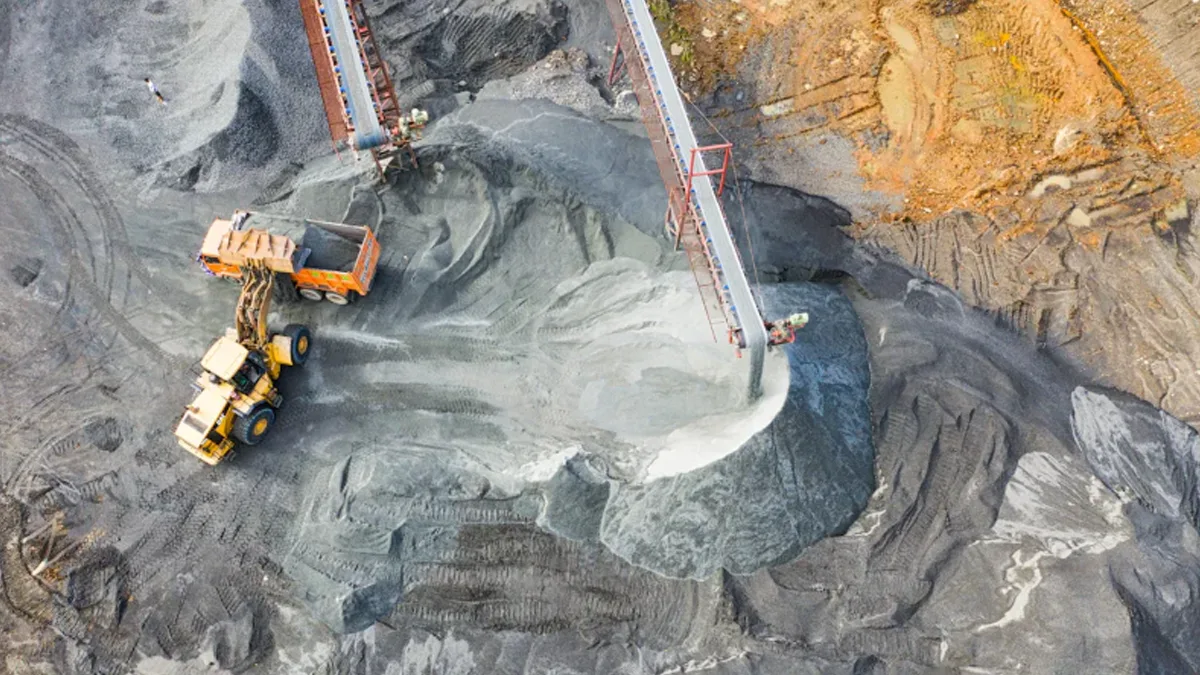
You want to learn about the open pit mining process. Here is how it happens step by step:
- Exploration and feasibility
- Site preparation and overburden removal
- Drilling and blasting
- Excavation and ore extraction
- Ore processing (screening is very important here)
- Haulage and waste management
- Reclamation and closure
Each stage has jobs and checks to keep things working well. Screening lets you separate good material from waste during ore processing. Open pit mining looks for minerals like copper, gold, silver, and molybdenum.
Key Takeaways
- Learn about the open pit mining process. It has steps like exploration, site preparation, drilling, excavation, processing, haulage, and reclamation.
- Use geological surveys and feasibility studies to check if mining is possible. Make sure the project is safe and follows environmental rules.
- Prepare the site well to lower harm to nature. Control dust and stop soil from washing away.
- Follow safety rules during drilling and blasting. This keeps workers safe and helps break rocks the right way.
- Watch ore extraction and transport carefully. This keeps things running smoothly and fixes problems fast.
- Use screening to split valuable minerals from waste. This helps with processing and cuts down on waiting time.
- Handle waste in a good way by recycling materials. Start restoration programs to help the environment after mining.
- Make a strong closure plan to fix the land. Follow the rules so the site is safe and can be used again in the future.
Open Pit Mining Process Steps
Exploration & Feasibility
Geological Surveys
You begin by exploring the site. Geological surveys help you find valuable minerals. Drones and SfM show the land’s shape. These tools help you spot mineral deposits.
Experts say SLLAC is important for open-pit mining. It helps you plan for the environment and reclamation.
Feasibility Studies
After surveys, you do feasibility studies. These studies check if mining is a good idea. You look at costs, safety, and ore amount. You also check legal and environmental rules.
You want to see if the project makes money and if risks are manageable.
Here are some KPIs to track during this stage:
| KPI Theme | Description |
|---|---|
| Unit Cost Control | Manage input costs and keep production rates up. |
| Cycle Efficiency | Reduce idle time and improve workflow. |
Site Preparation
Land Clearing
You clear the land to get ready for mining. You remove trees, brush, and rocks. This step opens the site for big machines.
But you must watch for environmental problems:
- Clearing plants destroys habitats.
- Removing plants causes soil erosion.
- Harmful substances can pollute water.
- Dust and particles cause air pollution.
You need to control these issues. Use dust suppression and erosion control methods.
Overburden Removal
After clearing, you remove the overburden. This is the soil and rock above the ore. This step lets you reach the minerals below.
Common challenges include:
- Dust in the air can cause health problems.
- Toxic chemicals can harm soil and water.
- Acid mine drainage hurts the environment.
- Site shape makes waste disposal hard.
- Geological properties affect management.
- Economic and environmental needs shape reclamation.
You must plan how to handle waste and protect the environment.
You also track KPIs like fleet health and utilization. This makes sure trucks and shovels work well.
Drilling & Blasting
Borehole Drilling
You drill holes in the rock for blasting. The drilling pattern is important. You can use rectangular, staggered, or triangular grids. The site’s geology helps you pick the best pattern.
You want straight, deep holes for good fragmentation.
Electronic detonators help control blast timing in open-pit mining. This improves fragmentation and lowers ground vibrations.
Blasting Techniques
You put explosives in the drilled holes and blast to break the rock. Safety comes first.
Here are some safety steps you should follow:
- Plan each blast and check risks.
- Keep blasting equipment in good shape.
- Train workers and review safety plans before blasting.
- Move people to safe places before detonation.
- Inspect the site after blasting and wait before re-entry.
- Follow government rules for explosives.
- Use PPE for all workers.
- Have a Blaster-in-Charge run operations.
- Make emergency action plans.
You want drilling, blasting, and loading to work together.
You track KPIs like drilling and blasting integration and cost efficiency. This keeps the process safe and productive.
Excavation & Ore Extraction
Rock Excavation
You start the extraction process by digging out the rock. Big machines like excavators and shovels break up the ground. You want to reach the ore without wasting time or fuel. Sometimes, you face hard rock or tricky slopes. You need to watch for equipment wear and keep your machines running smoothly. If you track how much ore you move each hour, you can spot problems fast. You also check the size of the broken rock. If the pieces are too big, you may need more blasting or crushing later.
Ore Transport
Once you dig up the ore, you move it to the processing plant. Trucks, conveyors, or rail systems carry the material. You want to keep the haul roads clear and safe. If you see delays or breakdowns, you fix them right away. You measure how much ore you deliver and how fast you move it. This helps you keep the open pit mining process on track. You also check for spills or dust along the transport routes.
Ore Processing
Crushing
You crush the ore to make it smaller. Crushers break big rocks into pieces that fit through screens. You want the right size for the next step. If the rocks are too big, they can jam the screens. If they are too small, you lose valuable minerals. You check the crusher settings and watch for wear. You also track how much material you crush each hour.
Screening (scalping, sizing, blinding/pegging)
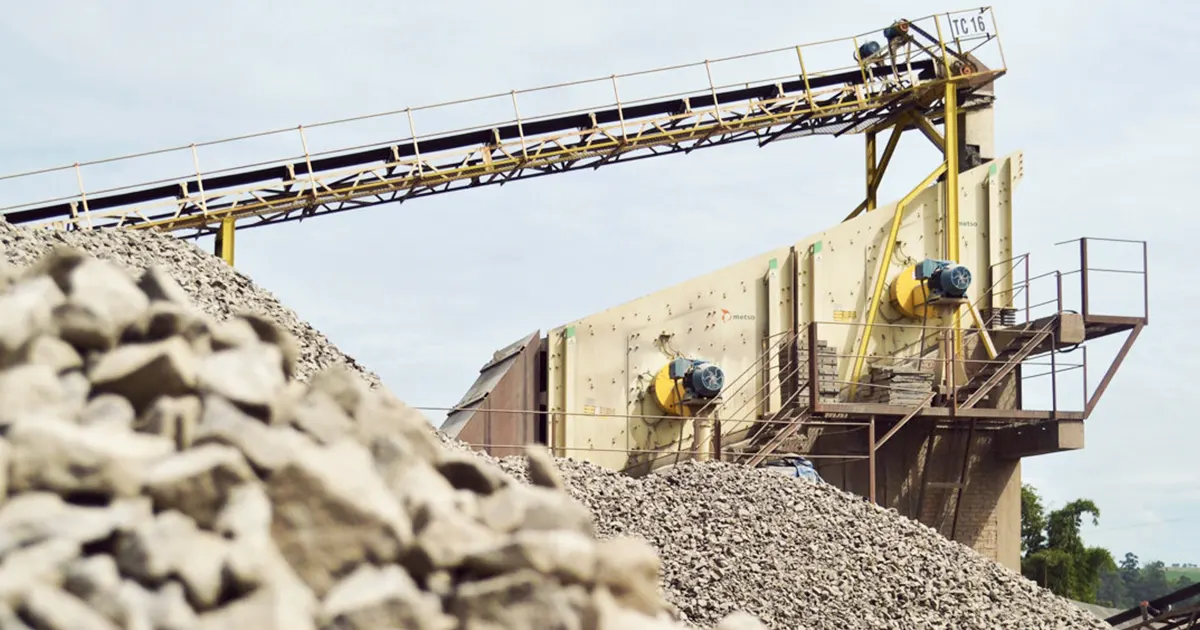
Screening is a key part of the open pit mining process. You use screens to sort the crushed ore by size and shape. This step helps you separate valuable minerals from waste. You can use different screening techniques:
- Centrifugal screens sort particles by spinning them.
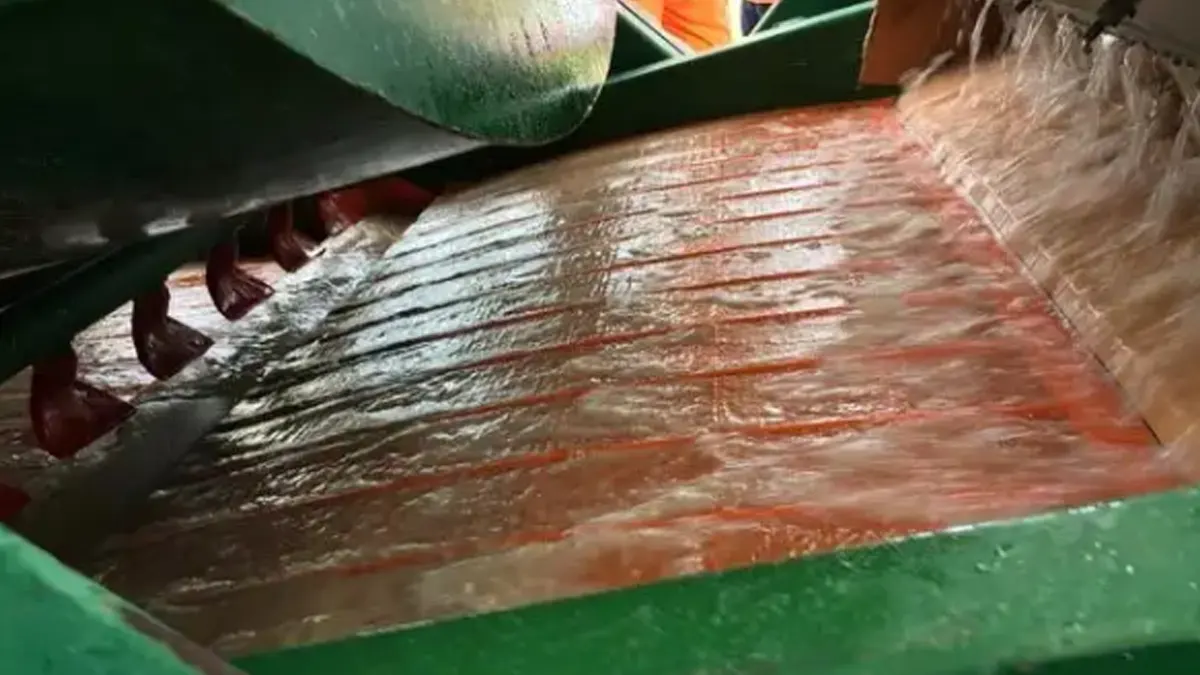
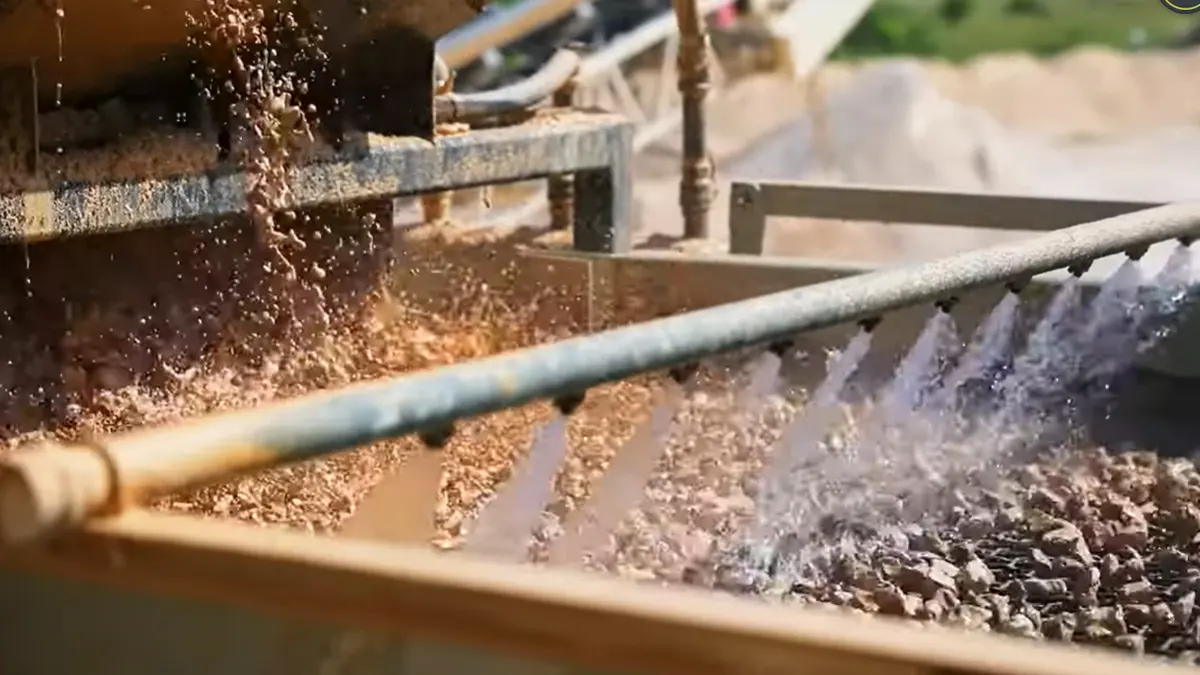
- Hydraulic screens use water to separate materials.
- Fine screens catch small particles and improve product quality.
You also use trommel screens, vibrating screens, and fine screens. These tools help you get the right size for further processing. Screening keeps unwanted materials out and makes the extraction process more efficient. If you see blinding or pegging (when screens get clogged), you clean or change the screens. You track how much material passes through each screen and check for jams.
Tip: High-efficiency classifiers and advanced screens like Stack Sizer® help you get better mineral yield and higher concentrate grades.
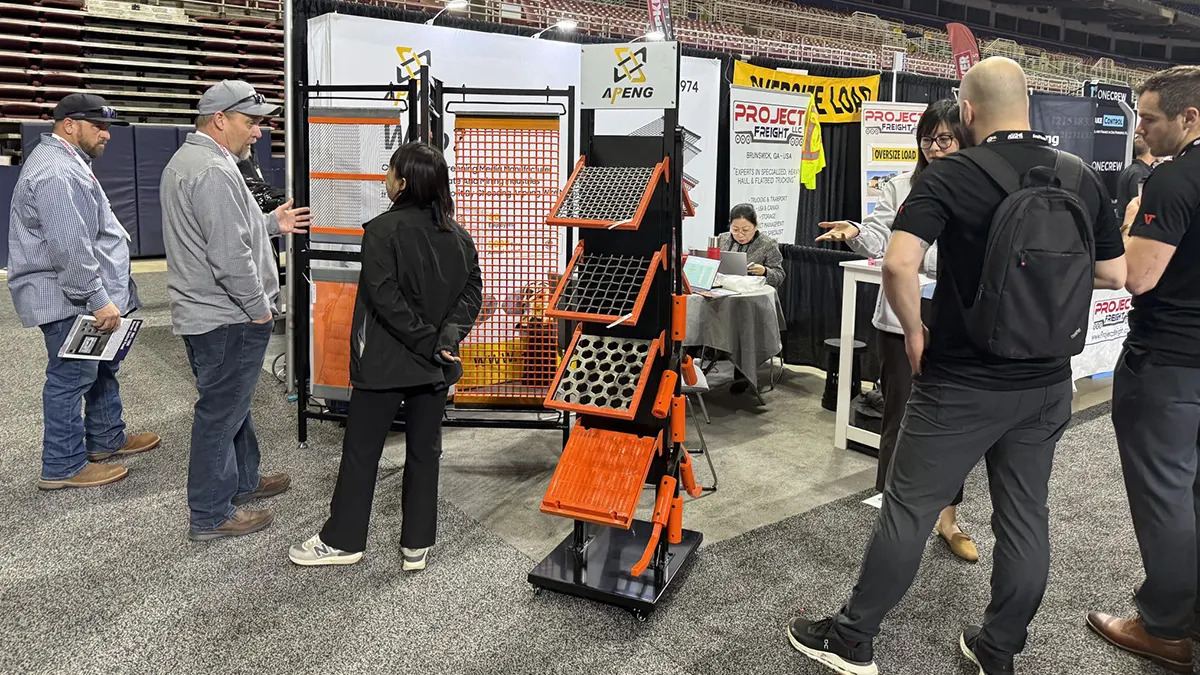
Screening Media (woven wire, self-cleaning, PU panels, perforated plate)
You need the right screening media for your screens. Here are some common types:
- Woven wire mesh: Strong and flexible. It sorts sizes well and lasts a long time.
- PU-mesh screens: Made from polyurethane. They handle sticky materials and need less maintenance.
- Self-cleaning screens: These prevent clogging and keep your process running. You spend less time fixing jams.
- Urethane panels: Very durable. They cut downtime and save money over time.
- Perforated plate: Good for tough jobs and heavy loads.
| Factor | Polyurethane Screen | Steel Screen |
|---|---|---|
| Wet Sticky Feeds | Non-adhesive | Material buildup |
| Fine Particulates | Elastic, prevents pegging | Rigid, traps particles |
| Abrasion Resistance | Up to 8× longer life | Frequent replacement |
You pick the media based on your ore type and site conditions. If you use self-cleaning screens, you get more throughput and less downtime. Polyurethane screens work well with wet, sticky feeds and last longer. Steel screens are good for sharp separation but need more replacements.
Haulage & Waste Management
Ore Haulage
You haul the processed ore to storage or shipping areas. Trucks, conveyors, or rail cars move the material. You want to keep the haulage system safe and efficient. If you see delays, you check for road blockages or equipment issues. You measure how much ore you move and how fast you deliver it. This keeps the open-pit mining process running smoothly.
Waste Disposal
You need to manage waste from mining and ore processing. You try to minimize waste, recycle, and reuse materials when possible. You can use mine waste for backfilling pits or rebuilding terrain. Treated mine water can help with dust suppression or even farming. Tailings may become bricks or paint extenders if they are safe. You also use sensors and new processes to sort ore and reduce waste. Regular restoration programs, like planting trees, help protect the environment. Bioremediation and dry stacking cut down on stored waste and lower risks.
Note: Good waste management keeps your site safe and helps you meet environmental rules. You track how much waste you produce and how much you reuse or recycle.
Reclamation & Closure
Land Rehabilitation
You reach the end of mining. Now, you need to give the land a new life. This step is called land rehabilitation. You want to make the area safe and useful again. You do not just walk away from the pit. You take action to fix the land.
Here’s what you usually do:
- Rehabilitation: You reshape the pit slopes. You fill in holes and smooth out rough spots. You plant grass, trees, or other plants. This helps stop erosion and keeps the soil in place. You also check for any leftover chemicals or waste. You clean up anything that could harm people or animals.
- Restoration: You try to bring back the land’s original look and feel. You plant native plants and help animals return. You test the soil and water to make sure they are healthy. You want the land to support life again.
- Replacement: Sometimes, you give the land a brand-new purpose. You might turn the pit into a lake. You could build a park or even a new neighborhood. You look for ways to help the community and add value for the future.
Tip: You can use mine waste to fill in pits or shape the land. You can also use treated water for farming or dust control.
You check your work often. You look for signs of erosion, plant growth, and water quality. You fix problems as soon as you see them. You want the land to stay safe and healthy for years.
Site Closure
You cannot just close the gate and leave. You must follow strict rules when you close a mine. Governments and regulators want to protect people and nature. They check your closure plan before you start mining.
Here’s what you need to know:
- You must write a closure plan before you begin mining. This plan explains how you will clean up and use the land after mining.
- In the United States, the Office of Surface Mining Reclamation and Enforcement (OSMRE) checks coal mine closures. They make sure you follow laws like the Resource Conservation and Recovery Act.
- Many countries have laws that say you must show how you will use the land after mining. You need to explain if you will make a park, a lake, or something else.
- You must keep records and report your progress. Inspectors may visit to check your work.
Note: Good closure protects the environment and helps your company’s reputation. You show the community that you care about the land and their future.
You finish by making sure the site is safe, clean, and ready for its next chapter. You hand over the land for its new use, knowing you did your part.
Open-Pit Mining Equipment Map
When you look at an open pit mine, you see many big machines. These machines work together at each stage. Every step uses special equipment. You need to know which machine fits each job. You also need to know what risks you might face. Picking the right equipment keeps your site safe. It also helps your operation run smoothly.
Equipment Table
This table helps you match each mining stage with the equipment you will use. It also shows the main risks you should watch for:
| Stage | Typical Equipment | Main Risk |
|---|---|---|
| Exploration & Feasibility | Survey drones, GPS units, drilling rigs | Poor visibility, equipment accidents |
| Site Preparation | Bulldozers, graders, water trucks, excavators | Operator fatigue, dust exposure |
| Overburden Removal | Hydraulic shovels, draglines, haul trucks | Slope failure, equipment breakdown |
| Drilling & Blasting | Drill rigs, explosives trucks, blast hole loaders | Blast misfires, airborne contaminants |
| Excavation | Giant shovels, draglines, haul trucks | Equipment accidents, lack of visibility |
| Ore Extraction | Haul trucks, crushers, conveyors | Material jams, operator error |
| Ore Processing | Jaw crushers, cone crushers, ball mills, vibrating screens, flotation cells | Equipment failure, dust and noise |
| Haulage | Haul trucks, conveyor belts, rail systems | Haul truck delays, road hazards |
| Waste Management | Dozers, graders, trucks, tailings storage solutions | Tailings spills, exposure to toxic substances |
| Reclamation & Closure | Earthmovers, seeders, water sprayers, compactors | Soil erosion, equipment downtime |
Tip: You can lower accident risks by using real-time monitoring. Give your team regular safety training. Always check your machines before each shift.
You may wonder why equipment downtime happens so much in open pit mining. The most common reasons are equipment failure, scheduled maintenance, and safety checks. Sometimes, heavy rain or power outages stop your machines. Oversized rocks or jams in crushers and screens can slow you down. If haul trucks are not ready, shovels might wait to dump material.
Here are some things you can do to keep your operation moving:
- Schedule regular maintenance for all machines.
- Train operators to spot early signs of trouble.
- Use condition monitoring to catch problems early.
- Keep haul roads clear and safe for trucks.
Remember: Good communication on site helps prevent accidents. It keeps everyone safe. If you see a risk, report it right away.
When you choose the right equipment and follow safety rules, your open pit mine is safer and more productive. You also save money by avoiding downtime and repairs. Keep this equipment map handy as you plan each stage of your mining project.
Open Pit Mining Problems & Solutions
Oversize Jams
Oversized rocks can block your screening equipment. This problem starts when blasting does not break rocks well. Big chunks block screens and slow down crushers. Poor loading or not checking rock size can cause jams too. Oversize jams make repairs cost more and take longer.
You can fix jams with the right tools and methods. Look at this table for quick fixes:
| Problem | Solution | How It Works |
|---|---|---|
| Moderate Moisture | Water Spray System on Screen | Water washes fine particles through the mesh |
| High Clay/Sticky Material | Trommel Screen | Tumbles and lifts material, breaks up clumps |
If you blast rocks well and check sizes often, you stop most jams. Train your team to spot big rocks before they reach screens.
Tip: Pre-screening removes big rocks early. This keeps your equipment safe and your mining process smooth.
Wet Blinding
Wet blinding happens when sticky, fine particles block screen holes. This problem shows up after rain or with clay-rich material. Wet blinding slows screening and makes you clean screens more often.
Modern screens have self-cleaning features. These help keep throughput high and cut downtime. Blinding gets worse with wet or sticky feeds. Automated cleaning systems help clear blockages.
Here are some reasons for wet blinding:
- Fine particles clog screen holes, especially with sticky or wet material.
- Self-cleaning screens boost throughput and cut maintenance.
- Automated cleaning systems help clear blockages.
You can change your process to fight wet blinding. Try these adjustments:
| Process Adjustment | Description |
|---|---|
| Increase the speed | Moves material faster, stops fines from building up |
| Adjust the stroke | Gives particles more chances to pass through |
| Use flexible media | Lets fine particles fall away instead of sticking |
| Ball trays | Balls bounce and clear stuck fines |
| Heated decks | Removes moisture, helps fines flow |
Check screens often and train your team to spot blinding early. Pick the right screen for your material and use cleaning tools to keep screens clear. Manage moisture by avoiding screening after rain and using covered stockpiles.
Note: Spread material evenly to stop quick blinding. Remove big debris before screening to avoid blockages.
Excessive Fines
Too many small particles cause problems in open-pit mining. Excessive fines make it hard to separate valuable minerals from waste. You might see pegging and blinding, which lowers screening efficiency. If you do not maintain screens, you risk damage and lose output.
Control excessive fines by picking the right screening media. Fix pegging and blinding to improve efficiency. Keep screens in good shape with regular maintenance. Choose media that fits your site and material to boost output and extend equipment life.
- Fix pegging and blinding to improve screening efficiency.
- Maintain screening media to prevent damage and keep performance high.
- Choose media based on your site and material for better results.
Flexible or self-cleaning screens handle fines better. Check screens often and replace them when needed. This keeps your mining process running smoothly and helps you get the most out of your ore.
Tip: Use several screening stages to keep throughput high and control fines.
Rapid Wear
You might notice that your screens, crushers, and conveyor belts do not last as long as you want. This is rapid wear. It happens when sharp rocks, heavy loads, or abrasive materials grind down your equipment fast. In open pit mining, you deal with tough materials every day. If you ignore rapid wear, you will spend more time and money fixing or replacing parts.
Here are some signs of rapid wear:
- Holes or tears in your screens
- Thinner or broken conveyor belts
- Worn-out crusher liners
- More downtime for repairs
You can fight rapid wear with a few smart moves:
- Pick the right screening media. Polyurethane panels and self-cleaning screens last longer with sticky or sharp materials.
- Check your equipment often. Look for early signs of damage.
- Rotate or flip screens and liners to use both sides.
- Use wear-resistant liners in chutes and hoppers.
- Keep your material flow steady. Sudden surges can cause extra damage.
Tip: Train your team to spot wear early. Quick fixes stop bigger problems later.
Dust at Transfers
Dust clouds can pop up when you move material from one belt or machine to another. Dust is not just messy. It can hurt your lungs and make your site unsafe. In mining, dust at transfer points is a common headache.
You can control dust with these steps:
- Spray water at transfer points to keep dust down.
- Use dust covers or enclosures on conveyors.
- Install dust collectors or vacuum systems.
- Slow down the drop height between belts.
- Keep the area clean and sweep up spills.
| Dust Control Method | How It Helps |
|---|---|
| Water Spray | Traps dust in the air |
| Enclosure | Stops dust from spreading |
| Vacuum System | Removes dust quickly |
Note: Good dust control keeps your workers healthy and your equipment running longer.
Unstable Gradation
Sometimes, you see that your product size keeps changing. This is unstable gradation. It means the mix of big and small pieces is not steady. In open-pit mining, you want a steady product size for good processing and sales.
Unstable gradation can happen if:
- Screens get clogged or worn out
- Feed rate changes too much
- Crusher settings are off
- Material is too wet or sticky
You can fix unstable gradation by:
- Checking and cleaning screens often
- Keeping your feed steady
- Adjusting crusher settings as needed
- Using the right screen media for your material
If you keep your gradation stable, you get better recovery and happier customers.
You face many challenges in mining, but you can solve them with the right tools and habits. Stay alert, check your equipment, and use smart fixes to keep your open pit mining operation running strong.
Conclusion
You learned about the main steps in open pit mining. Each step is important for safety and getting ore. Picking the right screening media and equipment helps your mine work well. It also keeps your product quality high.
Mining needs to be efficient and reliable. Good screen media and expert help are very important. The best screening solutions and skilled workers can make your plant work better.
- Tough screens give you more working time.
- Material moves better and screens clog less.
- You spend less money because screens last longer.
We make woven wire screens, self-cleaning screens, polyurethane panels, and perforated plate screens for vibrating screens and trommels. If you need special sizes or want to buy in bulk, send us your details or drawings for a quote!
FAQ
What is open pit mining?
Open pit mining means you dig a big hole in the ground to get minerals. You remove layers of rock and soil until you reach the ore. You use heavy machines for this job.
Why do you need screening in ore processing?
Screening helps you sort crushed ore by size. You separate valuable minerals from waste. Good screens keep your process fast and efficient.
Tip: Clean screens often to avoid jams and downtime.
Which equipment do you use in open pit mining?
You use bulldozers, excavators, haul trucks, crushers, and vibrating screens. Each machine fits a different stage. Safety checks keep your equipment running.
| Stage | Equipment |
|---|---|
| Excavation | Shovels, trucks |
| Processing | Crushers, screens |
How do you control dust in open pit mining?
You spray water at transfer points. You cover conveyors and use dust collectors. Keeping the area clean helps protect workers and equipment.
What happens after mining ends?
You rehabilitate the land. You fill holes, plant trees, and check water quality. You follow rules to make the site safe for people and animals.
How can you reduce equipment wear?
You pick tough screening media like polyurethane panels. You check machines often and fix problems early. Training your team helps spot wear before it gets worse.