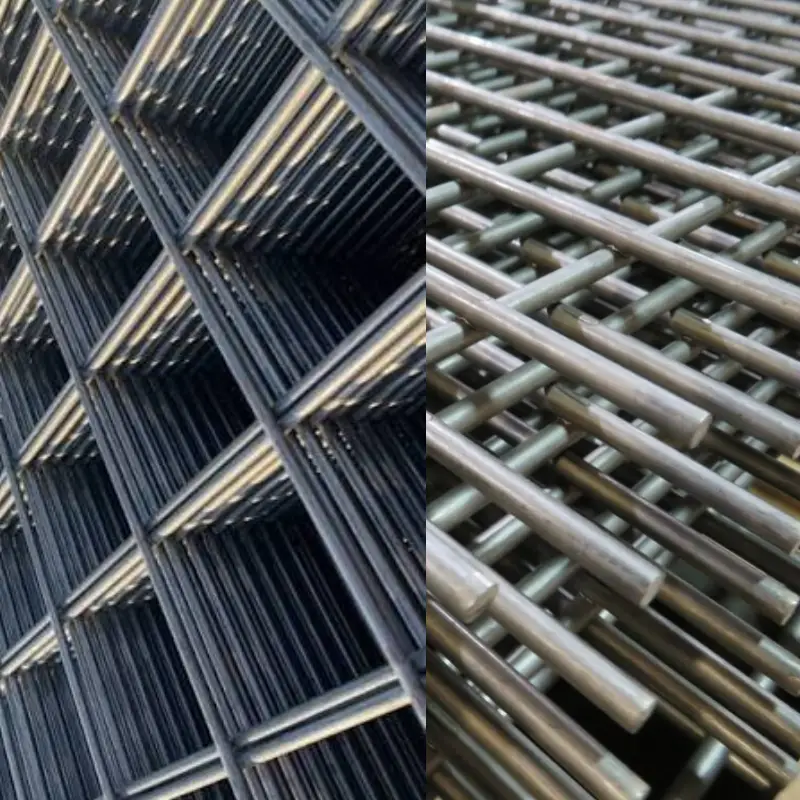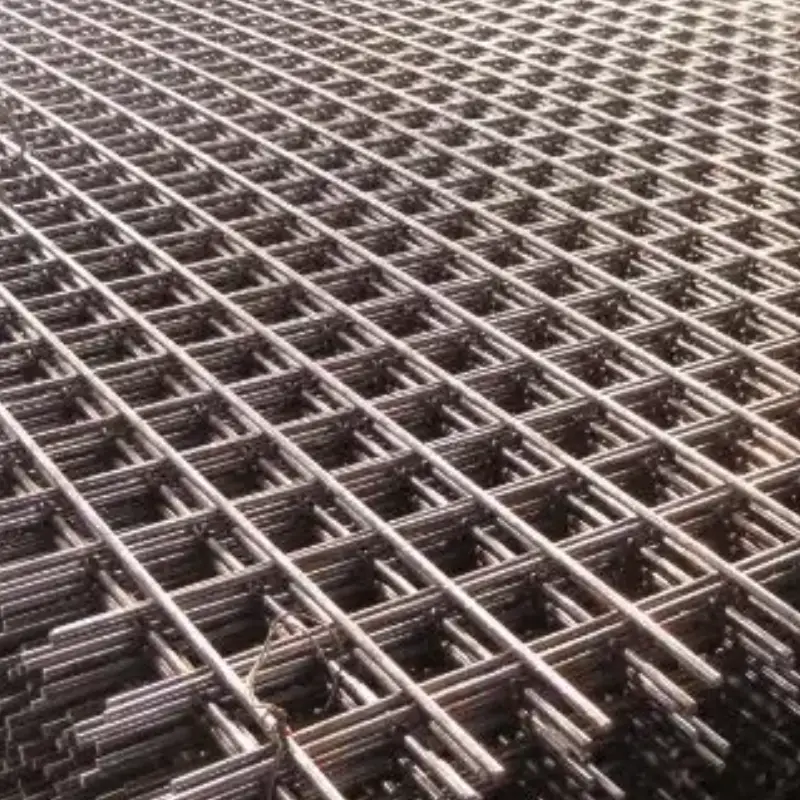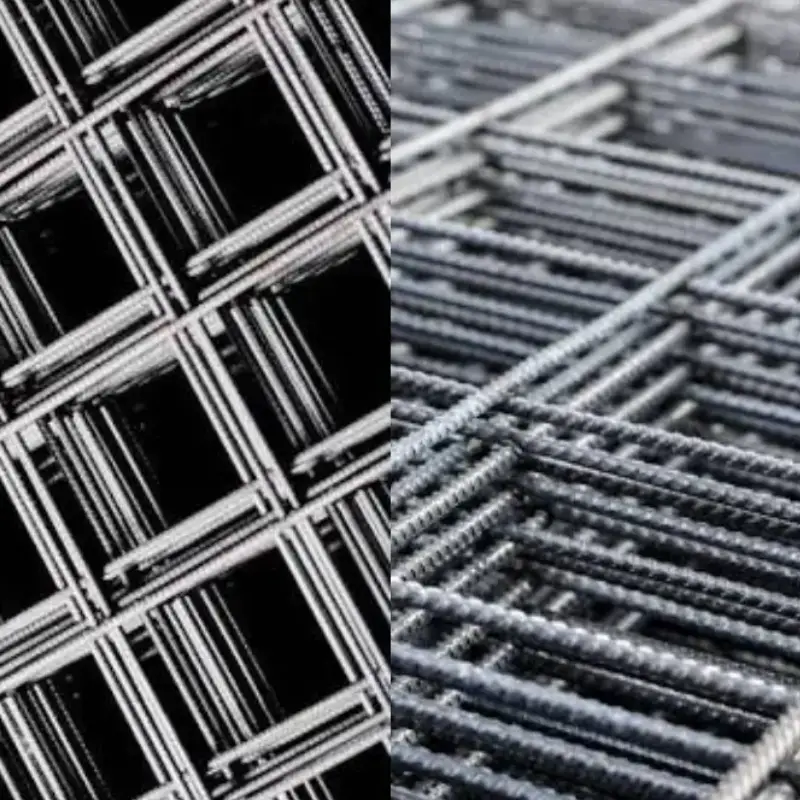
You need to pick the right trommel screen design. This choice affects how fast you work and how much money you use. If you match the screen to your job, you work faster and make fewer mistakes. This helps you save time and pay less for workers. Trommel screens sort materials fast. They help you use your resources better and need less fixing. You get more work done and spend less money. Your business works better and smoother.
Key Takeaways
- Pick the best trommel screen design to help it work better and save money.
- Change the drum’s speed and angle to fit the material for better sorting.
- Choose the right mesh size to make material separation and processing faster.
- Think about the drum’s diameter and length to control how material moves and how long it stays inside.
- Keep the feed rate steady to stop overload and keep things running smoothly.
- Clean and check your trommel screen often to stop clogs and make it last longer.
- Add safety features like guards and emergency stops to keep workers safe.
- Teach operators safe ways to use and take care of the machine to lower risks.
Trommel Screen Working Principle
Drum Operation
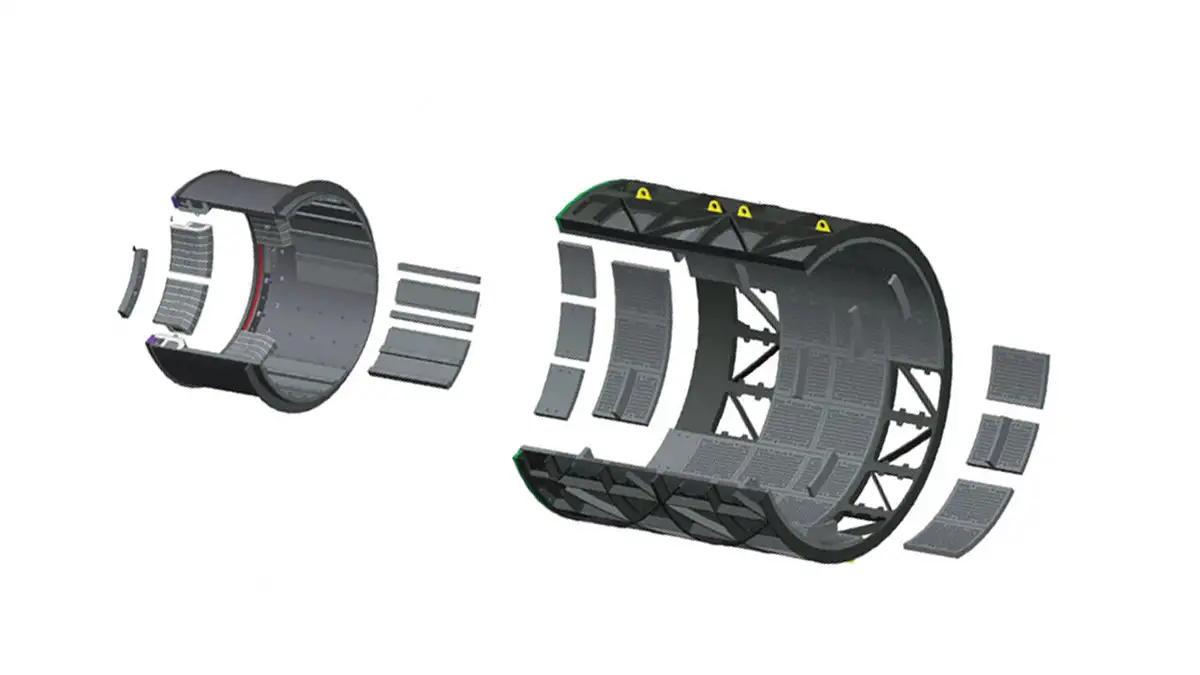
Do you know how a trommel screen works? It uses a big drum that spins around. You put material inside the drum. The spinning drum lifts and shakes the material. This helps spread the material out. Small pieces move down to the mesh. Big chunks stay on top. As the drum spins, tiny bits fall through the mesh holes. Large pieces keep moving until they leave the drum. You can change the drum’s speed or angle. This makes the screening go faster or slower. If the drum tilts down a little, material moves from start to finish. Steep angles are good for dry stuff. Flat angles work better for wet stuff.
Tip: Change the drum’s speed and angle to fit your material. This can help you work faster.
Material Separation
The trommel screen separates things by size. Mesh size is very important. If you use bigger mesh, small bits fall through more easily. This makes sorting faster. The drum’s spin and tilt help move the material. Tiny pieces drop through the mesh. Big pieces roll until they leave the drum. You can pick the mesh size and drum angle. This lets you control what comes out.
| Key Concept | Explanation |
|---|---|
| Mesh Size vs. Particle Size | Bigger mesh lets small bits escape. This helps sort by size. |
Key Components
You should know the main parts of a trommel screen. Each part helps the trommel screen work well.
Lifting Bars
Lifting bars are inside the drum. They pick up material and drop it as the drum spins. This mixes the material and keeps it moving. It stops clogs and helps tiny bits reach the mesh.
Tracks and Tires
Tracks and tires hold up the drum. They let the drum spin smoothly. Some trommel screens have wheels to move them easily. The frame keeps everything steady.
Grizzly Bars and Brushes
Grizzly bars are at the start. They stop big pieces from going into the drum. Brushes clean the mesh as the drum spins. This keeps the holes open. It stops sticky or wet stuff from blocking the mesh.
| Component | Role in Screening Process |
|---|---|
| Rotating Drum | Spins and shakes material. Mesh holes let small bits fall through. |
| Lift Bars | Mix material and drop it. This stops clogs. |
| Perforations | Let small pieces escape. Big pieces stay inside. |
| Drum Angle | Changes how fast material moves. Steep angles sort faster. |
| Drive System | Makes the drum spin. Lets you change speed for different materials. |
| Support Frame | Holds the trommel screen steady. Sometimes has wheels to move it. |
If you know how the trommel screen works and its parts, you can pick the best design for your job. You get better results and fewer problems.
Trommel Screen Design Parameters
Drum Diameter
Capacity Impact
Drum diameter is a very important part of trommel screen design. A bigger drum lets you put in more material at once. This means your trommel screen can handle more work and does not get too full. You need to pick the right drum size for your job. Large drums can take more material and keep the machine working well. You get more done and do not have to stop as much. Drum diameter and drum length work together to control how long material stays inside. This is important when you have wet or sticky stuff. If you choose the right drum size, you can separate things better and keep your work running well.
Material Flow
Drum diameter changes how material moves inside the trommel screen. Wide drums spread out the material. This gives each piece a good chance to touch the mesh. Sorting goes faster and the flow stays smooth. If the drum is too small, material can pile up and slow down. You might see clogs or uneven sorting. Picking the right drum size helps the material move well and makes the trommel screen work its best. You get better results and do not have to stop as much.
Drum Length
Retention Time
Drum length is also important in trommel screen design. The length decides how long material stays in the drum. Longer drums give more time for material to pass through the mesh. This means you can separate things better and get finer results. Short drums move material out faster. You might miss some small pieces and send them out with the big ones. The best drum length-to-diameter ratio is between 1.5:1 and 3:1. This helps you get good results and work efficiently.
- Long drums let small pieces fall through the mesh.
- Short drums push material out fast but may miss small bits.
- The right ratio keeps your trommel screen working well.
Efficiency
You want your trommel screen to save time and work well. Drum length helps make the machine more efficient. A longer drum pushes big pieces out and lets small bits fall through the mesh. This means you do not have to run the material again. Your machine works longer without stopping. If you use a longer drum, you can separate things better. But you need to watch for more force and possible machine problems. The best diameter-to-length ratio is between 1:2.5 and 1:3.5. This helps you get good results without hurting the machine.
- Long drums help you separate things better.
- You stop less and keep your work smooth.
- The right drum length makes your machine work well.
Slope and Angle
Material Movement
Slope and angle are important for good separation. The angle of your trommel screen changes how material moves from start to finish. A steep angle makes material move faster. This is good for dry material. A flat angle slows things down and gives wet material more time to separate. You should keep the slope less than 27 degrees for the best results.
| Parameter | Value |
|---|---|
| Optimal Slope Angle | Less than 27 degrees |
You can change the slope to fit your material. Steep angles help dry material move fast. Flat angles give sticky or wet material more time to separate.
| Material Type | Typical Slope Range |
|---|---|
| Dry Materials | Steeper angle (e.g., >5°) |
| Wet Materials | Shallower angle (e.g., <5°) |
Separation Effect
The slope and angle of your trommel screen change how well you can separate things. If you use the right angle, you get better results and higher performance. Steep slopes move material out fast, but you might miss small pieces. Flat slopes keep material inside longer, so you catch more small bits. You need to match the slope to your material and what you want to do. This helps you get the best results and keeps your trommel screen working well.
Tip: Change the slope and angle for your material. This easy step can help your screening work better and stop common problems.
Drum diameter, drum length, and slope all work together in trommel screen design. These important parts help you get good results, separate things well, and keep your machine working right.
RPM and Speed
You control how fast the drum spins in a trommel screen. This speed is called RPM, or revolutions per minute. If you set the right RPM, you balance how much material you process and how well you separate it. When you use a lower RPM, the drum turns slowly. This gives material more time to tumble and separate. If you use a higher RPM, the drum spins faster. You move more material through the trommel screen, but you might lose some sorting accuracy.
Throughput Balance
You want to find the best RPM for your trommel screen. If you run the drum at 15–20 RPM, you get better separation. The material has more time to touch the mesh and fall through. If you increase the speed to 25–30 RPM, you boost your throughput. You process more material in less time. Sometimes, you lose accuracy, especially with mixed or wet feed.
Here’s a quick table to help you see the effects:
| RPM Range | Effect on Throughput | Effect on Material Slippage |
|---|---|---|
| 15–20 RPM | Improves separation quality | Reduces risk of slippage |
| 25–30 RPM | Increases throughput | May reduce accuracy, especially with mixed or wet feedstock |
Tip: Start with a lower RPM if you need clean separation. Raise the speed if you want to process more material quickly.
Slippage Prevention
Material slippage happens when the drum spins too fast. The material sticks to the drum wall and slides instead of tumbling. You miss some small pieces, and your trommel screen does not sort as well. If you keep the RPM in the lower range, you prevent slippage. You get better screening and less waste. Wet or sticky material needs slower speeds. Dry material can handle faster RPM.
- Use slower RPM for sticky or wet feed.
- Try higher RPM for dry, free-flowing material.
- Watch for slippage and adjust speed as needed.
Feed Rate
Feed rate means how much material you put into the trommel screen every hour. If you feed too much, you overload the drum. If you feed too little, you waste time and energy. You need to match the feed rate to your drum size and speed.
Drum Sizing
You pick the drum size based on your feed rate. If you want to process more material, you need a bigger drum. Small drums work for low feed rates. Large drums handle high feed rates. You should check your material type and how fast you want to work. If you use a high feed rate, make sure your trommel screen can handle it. You avoid jams and keep your screening smooth.
- Match drum size to your feed rate.
- Use bigger drums for higher feed rates.
- Check your material and adjust as needed.
Overload Prevention
Overloading your trommel screen causes problems. The drum slows down, and material piles up. You get poor separation and more downtime. If you keep your feed rate within the drum’s limits, you prevent overload. You get steady performance and less maintenance.
Note: Always check your feed rate and drum capacity. If you see jams or slowdowns, reduce the feed or increase drum size.
You control RPM, speed, and feed rate to get the best results from your trommel screen. If you balance these factors, you improve throughput, prevent slippage, and avoid overload. You keep your screening efficient and your machine running longer.
Screening Section Design
Aperture Size
Output Control
You can control what size material comes out of your trommel screen by picking the right aperture size. Apertures are just the holes in the screen. If you use bigger holes, bigger pieces can fall through. Smaller holes keep large chunks out and only let tiny bits escape. You can change the size of the output by making the holes bigger or smaller.
- Bigger holes let larger pieces fall through.
- Smaller holes stop big pieces and only let small bits out.
- You should pick the hole size that fits your job.
Tip: If you want to sort things by size, start by choosing the right hole size. This helps you get the results you want.
Fines Removal
You want to get rid of fines, which are very tiny pieces. The size of the holes affects how well you can do this. Sometimes, pieces that are almost the same size as the holes can block them. This stops fines from falling through. If you have a thick layer of big pieces or if the material is wet, fines cannot reach the holes quickly.
- Pieces close to the hole size can block fines.
- Thick layers and wet stuff make it harder for fines to fall through.
- You remove fines better with the right hole size and good flow.
Open Area
Efficiency
Open area means all the space in the screen where material can fall through. If you have more open area, your trommel screen works faster and sorts better. You get higher efficiency because more pieces can escape at the same time.
- More open area makes screening go faster.
- You sort better and get more done.
- Less open area slows everything down.
Wear Zones
You need to look out for wear zones in your screen. These are spots where material hits the screen a lot. If you have lots of open area, these spots can wear out faster. You should check these places and plan to fix them.
- Wear zones are where material hits the screen most.
- Lots of open area can make these spots wear out faster.
- Check these places often to keep your trommel screen working longer.
Screen Media Options
You can choose from different types of screen media for your trommel screen. Each type has good and bad points. You should pick the one that works best for your material and job.
| Screen Media Type | Advantages | Disadvantages |
|---|---|---|
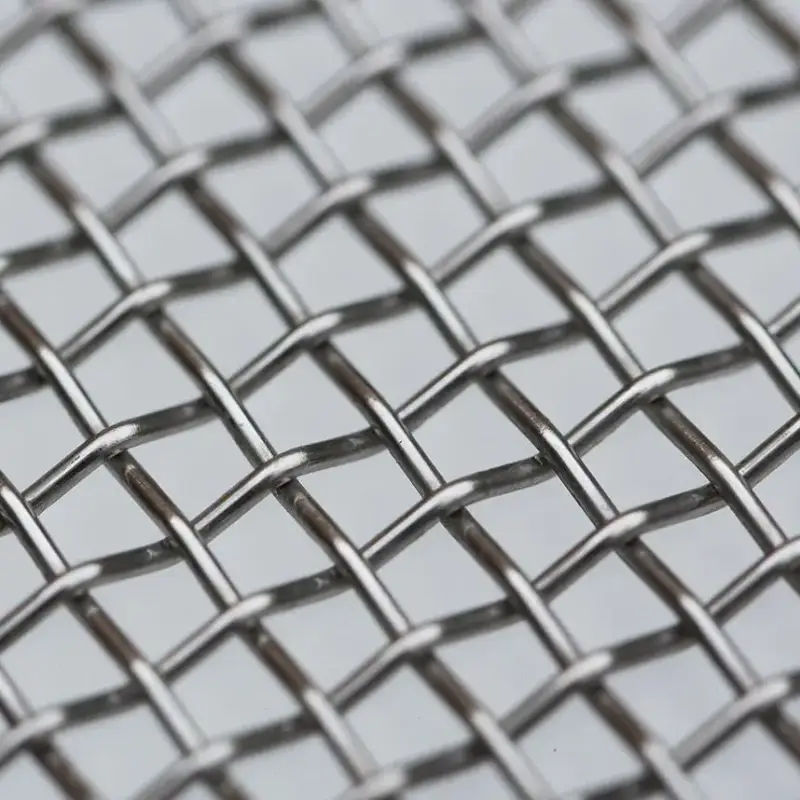
| Woven Wire Screens | Good for many materials Easy to fix or swap Comes in many sizes and shapes | Wears out faster in tough jobs Needs more changes in wet places Can rust if wrong metal is used |
| Polyurethane Screens | Lasts longer in rough jobs Clogs less Makes less noise | Costs more at first May not sort tiny pieces well Must fit your machine |
| Punch Plate Screens | Very strong for hard jobs | Heavier and may need more fixing |
| Rubber Panels | Soaks up hits and makes less noise Works in dry and wet jobs | May not work for all materials Can cost more than other types |
Woven Wire
Woven wire screens give you good sorting. They work for many materials. You can fix or change them easily. They come in many sizes and shapes. In tough jobs, they wear out faster. Wet places mean you need to change them more. If you use the wrong metal, they can rust.
Perforated Plate
Punch plate screens are strong and last longer in hard jobs. They can handle heavy material well. You might need to fix them more because they are heavy. They are best when you need something tough.
Polyurethane Panels
Polyurethane screens last longer in rough jobs. They do not clog as much. They are quieter. They cost more at first. They may not sort tiny pieces as well. You need to make sure they fit your machine.
Note: Pick your screen media based on your material and how often you need to change screens. This helps you get the best results from your trommel screen.
Maintenance Factors
You want your trommel screen to last a long time and work with less trouble. Maintenance plays a big role in how you pick your screen media and design your machine. If you think about maintenance early, you save time and money later.
Let’s look at what affects maintenance the most. The type of material you run through your trommel screen changes how often you need to check or fix things. Heavy materials put more pressure on the screens. Large pieces can block the holes or even damage the mesh. Wet or sticky stuff can clog the screen and slow down your work. You need to match your screen media to your material.
Here’s a quick table to show how different factors influence your trommel screen design:
| Factor | Influence on Design |
|---|---|
| Material Weight | Heavier materials increase pressure on screens, affecting durability and efficiency. |
| Material Size | Larger materials may require different screen configurations to prevent blockages. |
| Moisture Content | High moisture can affect the screening process and may require specific media types. |
You should also think about how easy it is to swap out or clean your screens. If you pick a screen media that is hard to change, you spend more time on maintenance. That means more downtime and less work done. Some screens, like woven wire, are easy to replace. Others, like polyurethane panels, last longer but may take more effort to switch out.
Here are some tips to help you keep your trommel screen running smoothly:
- Choose screen media that fits your material and job.
- Use a mix of apertures and surface shapes for better results.
- Make sure you can reach and change the screens easily.
- Clean the screens often, especially if you handle wet or sticky material.
- Check for wear zones where material hits the screen the most.
- Tailor your screen setup to your specific application. This boosts capacity and cuts down on downtime.
Tip: If you notice more blockages or wear in certain spots, try changing the screen layout or using a tougher material in those areas.
You want your trommel screen to work hard without breaking down. By thinking about maintenance when you pick your screen media and design, you get more life out of your machine. You also spend less time fixing problems and more time getting the job done.
Material Behavior in Trommel Screens
Wet and Sticky Materials
Wet and sticky materials can make screening hard. You might work with compost, clay, or waste. These materials often block screens and slow your job. It is important to know how trommel screens deal with these problems.
Blinding and Pegging
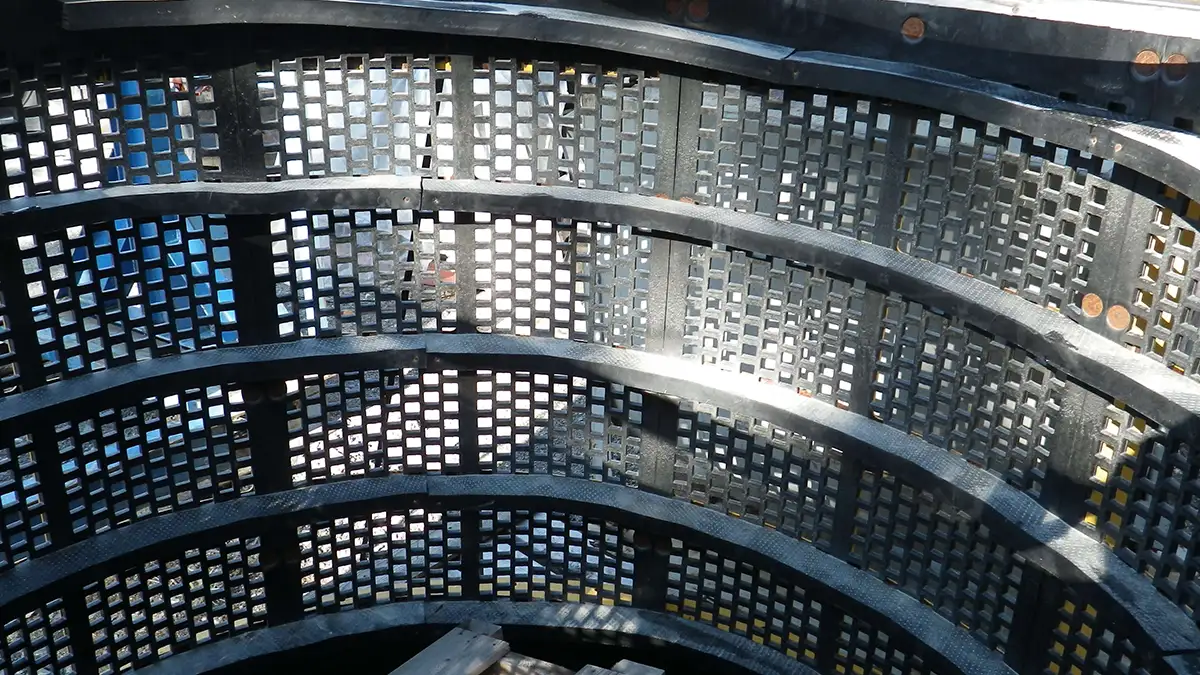
Blinding happens when wet material covers screen holes. Pegging means chunks get stuck in the holes. Both problems stop the flow and lower your productivity. Your machine may stop if you use regular vibrating screens. Trommel screens help you avoid these issues. They keep the drum spinning and break up clumps. This gives you steady flow and less downtime.
- Wet, sticky compost needs special care. You have a short time to screen it before it dries or gets too wet.
- Trommel screens work well with moist and organic material. They separate useful stuff from waste.
- Trommel screens stop clogged screens and keep productivity high.
- Trommel screens handle dirt, clay, and mixed materials. They keep your work going when other screens fail.
Tip: If you see blinding or pegging, check drum speed and cleaning system. Changing these can help keep your screen clear.
Cleaning Solutions
You can use different cleaning solutions to fight blinding and pegging. Brushes inside the drum sweep the screen as it spins. Water sprays wash away sticky material. Some screens use rubber or polyurethane panels with smooth surfaces. These surfaces help stop material from sticking.
| Cleaning Solution | How It Helps |
|---|---|
| Brushes | Sweep away clumps and debris |
| Water Sprays | Wash off sticky material |
| Polyurethane Panels | Smooth surface reduces sticking |
You should clean your screens often, especially with wet or sticky feed. Regular cleaning keeps your trommel screen working and stops downtime.
Abrasion and Fines
You might screen tough materials like granite, iron ore, or construction waste. These materials can wear out screens fast. Fines are tiny bits that slip through the holes. You need to pick the right screen media to balance screen life and efficiency.
Screen Life
Screen life depends on the material you process. Heavy and rough materials need thick wire or tough panels. Thin wire wears out quickly. Thick wire lasts longer but can lower capacity and efficiency. You need to find the right balance.
- Woven wire screens give good sorting and high throughput.
- You must choose between screen life and sorting speed. Tough screens last longer but may slow sorting.
- Heavy and rough materials need thick wire. This helps screens last longer but can lower efficiency.
Note: If you screen rough materials, check screens often for wear. Replace them before they break to stop downtime.
Material Selection
You have several choices for screen media. For rough materials, high-manganese steel or polyurethane screens work best. These materials boost wear resistance by over 30%. For sticky materials like wet clay, polyurethane screens are a smart pick. Their smooth surfaces help stop material from sticking.
- High-manganese steel handles granite and iron ore.
- Polyurethane screens resist wear and stop sticking.
- Woven wire screens work well for general sorting but wear out faster with rough materials.
You should match your screen media to your material. This helps you get the best results and keeps your trommel screen running longer.
Drive and Support Systems
You want your trommel screen to run smoothly and last a long time. The drive and support systems play a big role in how well your machine works. Let’s break down what you need to know.
Drive Types
You have a few choices when it comes to powering your trommel screen. The drive type affects how the drum spins and how much material you can process.
Chain Drive
Chain drives use a chain and sprocket to turn the drum. You see this setup on many shaftless trommel screens. Chain drives handle heavy loads and rough materials well. They give you steady power and don’t slip easily. If you work with sticky or blocky material, chain drives help keep the drum moving. You can fix or replace chains without much trouble.
Tip: Chain drives work best when you need strong, reliable power for tough jobs.
Gear Drive
Gear drives use gears to spin the drum. You get smooth and precise movement. Gear drives last longer and need less maintenance than chain drives. They work well for jobs where you want steady speed and less vibration. If you want to process more material, gear drives help boost your capacity.
Here’s a quick table to show the main drive types and their advantages:
| Drive Type | Description | Advantages |
|---|---|---|
| Shaft Trommel Screen | Motor drives drum through reducer and coupling | Stops clogging; sorts blocky materials well |
| Shaftless Trommel Screen | Uses chain, gear, or roller drives; no central shaft | Handles more material; bigger screening area |
You can pick the drive type that fits your material and job. Shaftless trommel screens give you more space and boost your processing by almost 20%. Shaft trommel screens help prevent clogging and sort blocky material.
Rollers and Bearings
Rollers and bearings support the drum and help it spin. You want these parts to spread the load and make maintenance easy.
Load Distribution
Rollers carry the weight of the drum and the material inside. Good rollers keep the drum steady and stop wobbling. If you use strong bearings, you spread the load and avoid damage. You get smoother operation and less wear.
- Rollers keep the drum balanced.
- Bearings help the drum spin without friction.
- Strong support means less downtime.
Maintenance Access
You need to reach rollers and bearings for maintenance. Easy access lets you check for wear and fix problems fast. If you can swap out parts quickly, you spend less time fixing and more time working.
Note: Look for trommel screens with panels or doors near rollers and bearings. This makes maintenance simple.
Seals and Liners
Seals and liners protect your trommel screen from dust, moisture, and wear. Seals keep material inside the drum and stop leaks. Liners cover the inside of the drum and prevent damage from rough material.
- Seals stop dust and water from getting into the drive system.
- Liners protect the drum from heavy hits and abrasion.
- You get longer life and fewer repairs.
If you choose the right drive and support systems, you keep your trommel screen running strong. You spend less time on maintenance and more time getting the job done.
Screening Efficiency and Throughput
You want your trommel screen to work quickly and sort things well. Screening efficiency means how well your machine separates what you want from what you do not want. Throughput is how much material you can process in a certain time. If you get both right, your work goes smoother and you save money.
Capacity Factors
You need to think about a few things to make screening efficiency and throughput better. Drum size and feed type are the most important.
Drum Size
Drum size tells you how much material you can handle at once. A bigger drum lets you process more material and get higher throughput. Smaller drums are good for jobs with less material. You should pick a drum size that matches how much you want to do each day or year. If you have a big job, use a bigger trommel screen. Small jobs need smaller screens.
- Drum size controls how much you can process.
- Large drums mean you can handle more.
- Small drums are for jobs with less material.
Feed Characteristics
Feed characteristics change how your trommel screen works. You need to check the type of material, how wet it is, and the size of the pieces. Wet or sticky material makes screening efficiency go down. Dry and loose material makes it go up. Feeding the machine evenly helps it work better. If you put in too much or too little, it does not work as well.
- Material type changes how you set up the screen.
- How wet the material is changes how much you can process.
- Feeding evenly keeps screening efficiency high.
Here is a quick list of what affects screening efficiency:
- Material type and size, and how wet it is
- How much of the screen is open for material to fall through
- Feeding the machine evenly and all the time
- Keeping the machine in good shape and adjusting vibration
Separation Quality
You want your trommel screen to sort things cleanly. Separation quality depends on how the sections are made and how long material stays inside.
Section Design
Section design changes how well your trommel screen separates things. Spiral guides inside the drum stop clogs and give more time for screening. Brushes keep the screen clean and stop holes from getting blocked. Strong construction lets you move the machine easily and helps it last longer.
| Design Feature | Impact on Separation Quality |
|---|---|
| Spiral Guide Inside the Drum | Stops clogs, gives more screening time, increases throughput |
| Aggressive Screening Action with Brushes | Stops holes from getting blocked, keeps material moving |
| Built For Durability and Mobility | Strong build, easy to move to new places |
You should pick features that fit your material and job. This helps you keep screening efficiency high.
Retention Time
Retention time is how long material stays in the drum. If you let material stay longer, you get better separation. If it moves out too fast, you might miss small pieces. You can change drum length and speed to control retention time. If you want better screening efficiency, keep material inside longer.
Tip: Change drum speed and length to fit your material. This helps you get the best separation and keeps screening efficiency high.
You can make screening efficiency and throughput better by picking the right drum size, checking feed type, and designing your trommel screen for clean sorting. If you focus on these things, your machine works better and lasts longer.
Maintenance, Safety, and Design Mistakes
Access and Panels
Change-Out Time
You want to keep your trommel screen running without long stops. Quick access panels help you change out worn parts fast. If you can reach the screen media easily, you spend less time on repairs. Some screens have doors or hatches that let you swap panels in minutes. You avoid waiting for tools or extra help. This means you get back to work sooner and keep your project moving.
Tip: Look for trommel screens with large, easy-to-open panels. These save you time and make maintenance less stressful.
Maintenance Ease
Easy maintenance keeps your machine in good shape. If you can reach all parts of the trommel screen, you check for wear and fix problems before they get worse. You should clean the drum and screen media often. Dirt and sticky material can build up and cause trouble. If you neglect regular maintenance, you risk equipment failure and costly downtime. You also increase the chance of accidents.
Here’s a quick checklist for easier maintenance:
- Check panels and doors for easy access.
- Clean screens and drum after each shift.
- Inspect rollers and bearings for wear.
- Replace worn screen media before it breaks.
Guarding and Safety
Operator Protection
Safety matters every day. You need guards around moving parts to protect yourself and your team. Guards stop hands, tools, or clothing from getting caught in the drum or drive system. If you work near the trommel screen, you must stay alert. Proper guarding lowers the risk of injury and keeps everyone safe.
Note: Always check that guards are in place before you start the machine.
Compliance
You must follow safety rules and regulations. Trommel screens should meet local and national standards. If you skip compliance, you risk fines and shutdowns. Make sure your machine has emergency stops, warning signs, and safe access points. Training is important. Operators must know how to use the equipment safely. Many accidents happen because people do not understand the machine.
| Safety Feature | Why It Matters |
|---|---|
| Guards | Protects from moving parts |
| Emergency Stops | Lets you shut down quickly |
| Warning Signs | Alerts operators to hazards |
| Training | Reduces accidents and mistakes |
Common Mistakes
Undersized Drum
If you pick a drum that is too small, you slow down your work. Material piles up and clogs the screen. You spend more time fixing jams and less time sorting. Always match drum size to your feed rate and material type.
Incorrect Slope
Wrong slope settings cause poor separation. If the angle is too steep, material moves out too fast. If it is too flat, material stays too long and blocks the screen. Adjust the slope to fit your material and job needs.
Screen Media Issues
Screen media wears out fast if you use the wrong type. Heavy or rough materials need tough panels. If you ignore wear and tear, you face costly repairs and downtime. You should check screen media often and replace it before it fails.
- Neglecting regular maintenance leads to equipment failure and accidents.
- Inadequate training for operators increases safety risks.
- Failure to address wear and tear on screen media causes downtime and expensive repairs.
Remember: Regular checks, proper training, and the right screen media keep your trommel screen safe and efficient.
Solutions and Best Practices
You want your trommel screen to last as long as possible and keep your team safe. If you follow a few smart steps, you can avoid most problems and keep your machine running smoothly. Let’s look at what works best.
First, you should set up a routine for maintenance. Don’t wait until something breaks. Check your trommel screen often. Look for signs of wear on the mesh, bearings, and other parts. If you spot damage, replace the part right away. This keeps your machine from slowing down or stopping.
You also need to keep everything clean. Dirt and sticky material can build up fast. If you clean your trommel screen after each shift, you stop blockages and keep the screen working well. Use cleaning agents that the manufacturer recommends. This helps you avoid damage and keeps the screen in good shape.
Lubrication matters, too. Moving parts need the right oil or grease. If you follow the lubrication schedule, you reduce wear and tear. Use the lubricants the manufacturer suggests. This keeps the drum spinning smoothly and stops parts from grinding.
Safety is just as important as maintenance. You should install guards and covers on all moving parts. Guards protect you and your team from accidents. If you work near the drum or drive system, these guards keep hands and tools safe.
Tip: Always check that guards are in place before you start the machine. If you see a missing guard, fix it before you run the trommel screen.
Training makes a big difference. If you teach your operators how to use the trommel screen safely, you lower the risk of accidents. Show them how to handle emergencies and follow safety rules. Make sure everyone knows how to shut down the machine quickly if something goes wrong.
Lockout and tagout procedures help keep everyone safe during maintenance. If you need to fix or clean the trommel screen, turn off all power sources. Use lockout devices and tags to show that the machine is safe to work on. This stops accidental startups and protects your team.
Here’s a quick list of best practices you can follow:
- Lubricate moving parts on schedule.
- Inspect mesh, bearings, and panels often.
- Clean the trommel screen after each shift.
- Train operators on safe use and emergency steps.
- Install guards and covers on all moving parts.
- Use lockout/tagout procedures during maintenance.
If you stick to these steps, you avoid most common mistakes. Your trommel screen works better, lasts longer, and keeps your team safe. You spend less time fixing problems and more time getting the job done.
Quick Design Checklist
Application Needs
Before you pick a trommel screen, you need to know what you want it to do. Start by asking yourself a few questions:
- What type of material will you screen? (Soil, compost, gravel, waste, or something else)
- Is your material wet, dry, sticky, or abrasive?
- How much material do you want to process each hour or day?
- What size do you want for the finished product?
- Will you move the trommel screen often, or will it stay in one place?
Tip: Write down your answers. This helps you talk with suppliers and makes sure you get the right machine for your job.
Key Specs
Now, let’s look at the main specs you need to check. These numbers help you compare different trommel screens.
| Spec | What It Means | Why It Matters |
|---|---|---|
| Drum Diameter | Width of the drum | Controls how much you can process |
| Drum Length | How long the drum is | Affects how well you separate stuff |
| Aperture Size | Size of the holes in the screen | Decides what size comes out |
| Drum Speed (RPM) | How fast the drum spins | Changes how fast you work |
| Slope/Angle | How much the drum tilts | Helps move material through |
| Feed Rate | How much material you put in each hour | Must match drum size and speed |
| Screen Media Type | What the screen is made of | Impacts wear and maintenance |
Note: Always check these specs in the machine manual or ask the supplier for details.
Sizing Steps
You want to size your trommel screen the right way. Here’s a simple step-by-step list to help you:
- Figure out your daily or hourly capacity. Write down how much material you need to process.
- Pick your output size. Decide what size you want for the finished product.
- Choose the right drum diameter and length. Bigger drums handle more material. Longer drums give better separation.
- Select the right aperture size. Match the hole size to your output needs.
- Set the drum speed and slope. Start with the recommended settings. Adjust if you see clogs or slowdowns.
- Pick your screen media. Choose wire, plate, or polyurethane based on your material.
- Check for easy maintenance. Make sure you can reach and change parts quickly.
If you follow these steps, you’ll get a trommel screen that fits your job and keeps your work running smoothly.
Maintenance Points
You want your trommel screen to last a long time and work without trouble. Good maintenance helps you avoid breakdowns and keeps your machine running strong. Here’s what you should focus on:
Your Trommel Screen Maintenance Checklist
- Clean the Drum and Screens Regularly
Dirt, mud, and sticky stuff can build up fast. Clean the drum and screens after each shift. This stops clogs and keeps your machine working well. - Check for Wear and Tear
Look at the screens, bearings, and rollers. If you see cracks, holes, or worn spots, fix or replace them right away. Worn parts can cause bigger problems if you ignore them. - Lubricate Moving Parts
Oil or grease the bearings, chains, and gears. Lubrication stops parts from grinding and wearing out. Follow the schedule in your manual. - Inspect Guards and Safety Covers
Make sure all guards and covers are in place. These protect you and your team from moving parts. Never run the machine if a guard is missing. - Test Emergency Stops and Controls
Push the emergency stop button to check if it works. Test all controls before you start. This keeps everyone safe. - Check Seals and Liners
Seals keep dust and water out. Liners protect the drum from hard hits. Replace them if you see damage. - Keep Spare Parts Handy
Store extra screens, bolts, and bearings. Quick access to spares means less downtime when something breaks.
Common Maintenance Tasks Table
| Task | How Often | Why It Matters |
|---|---|---|
| Clean screens/drum | After each use | Stops clogs and buildup |
| Lubricate bearings | Weekly | Reduces wear and tear |
| Inspect guards | Daily | Keeps operators safe |
| Check for wear | Weekly | Prevents breakdowns |
| Test emergency stops | Weekly | Ensures quick shutdown |
Tip: Set a reminder on your phone or calendar for each maintenance task. This helps you stay on track and avoid forgetting important steps.
You can make your trommel screen last longer if you follow these points. Regular checks and cleaning save you money and time. You get more work done and worry less about breakdowns.
Conclusion
You want your trommel screen to work well for your job. It should also last a long time. Pick the right equipment for your material. Wet and sticky material needs special screens. Try to keep things dry so you do not get clogs. Look at your machine often and fix broken parts quickly. You can use smart machines to help you check your screen. Here is a table with some good tips:
| Best Practice | What You Should Do |
|---|---|
| Equipment Selection | Match screen to material type |
| Moisture Management | Control moisture for smooth screening |
| Regular Maintenance | Inspect and repair parts regularly |
| Pre-treatment of Materials | Prepare materials for better results |
| Automation | Use smart tech for easy operation |
If you follow these steps, your machine works better. It lasts longer and is safer to use.
FAQ
What is a trommel screen used for?
You use a trommel screen to sort materials by size. It works well for soil, compost, gravel, and waste. The drum spins and separates big and small pieces.
How do I choose the right drum size?
Pick a drum size based on how much material you want to process. Bigger drums handle more material. Smaller drums work for lighter jobs. Check your daily workload.
Can I screen wet or sticky materials?
Yes, you can. Trommel screens handle wet and sticky materials better than flat screens. Use brushes or water sprays to keep the screen clear.
What screen media should I use?
Choose screen media based on your material. Woven wire works for most jobs. Polyurethane lasts longer for rough or sticky materials. Punch plate is best for heavy-duty tasks.
How often should I clean my trommel screen?
Clean your trommel screen after each shift. Dirt and sticky material build up fast. Regular cleaning keeps your machine running and stops clogs.
What safety features should I look for?
Look for guards around moving parts, emergency stops, and warning signs. These features protect you and your team. Always check safety covers before starting.
How do I prevent screen wear?
Check for wear zones often. Use tougher screen media for rough materials. Replace worn parts quickly. Regular maintenance helps your screen last longer.
Can I move my trommel screen easily?
Some trommel screens have wheels or tracks. You can move them to different sites. Check the frame and support system for easy transport.