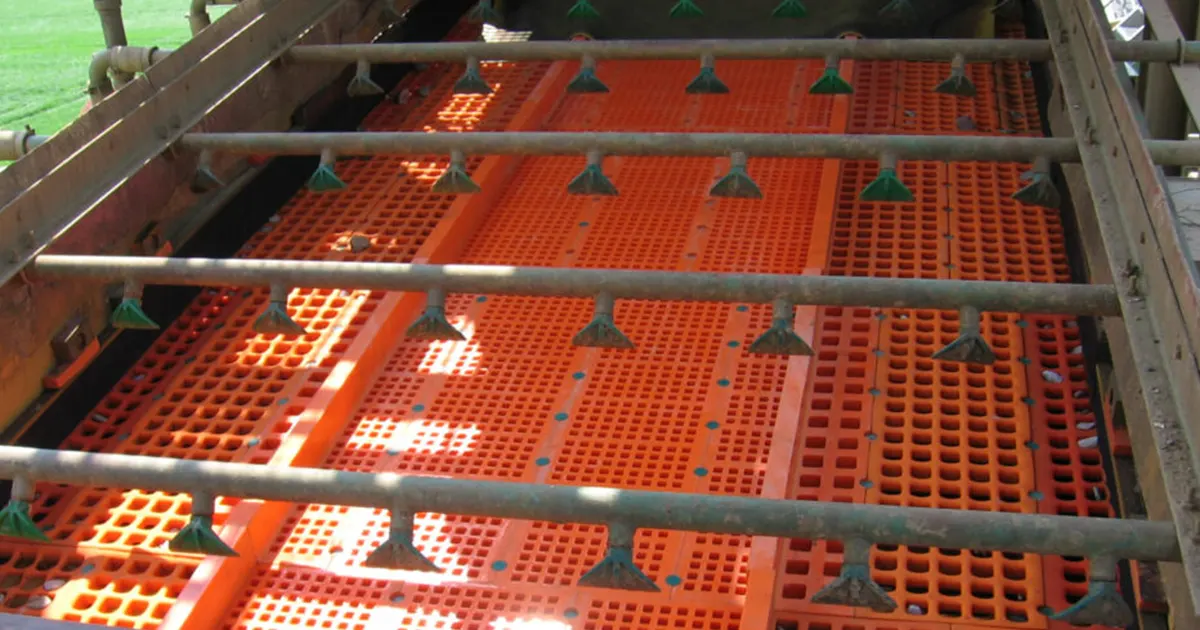
You may ask, “How strong is polyurethane?” This material is very tough and does not wear down easily. It can take hits and does not break, and it also does not get damaged by chemicals. Polyurethane is strong because of its special structure, which includes both hard and soft parts in its molecules. Look at this table to see how these parts change how it works:
| Key Findings | Description |
|---|---|
| Block Architecture | Hard and soft parts change how strong it is. |
| Soft Segment Character | Crystalline or rubbery parts change how stiff and strong it is. |
| Hard Segment Chemistry | Different chemicals make it work even better. |
If you compare polyurethane to rubber or steel, you will notice something: polyurethane works well even when things get hard.
Key Takeaways
- Polyurethane is a strong material. It does not wear out fast. It does not break easily.
- It has hard and soft parts in its structure. This gives it both strength and flexibility.
- Polyurethane has high tensile and tear strength. This makes it good for tough jobs.
- It works well in harsh places. It can resist chemicals, oils, and very hot or cold temperatures.
- Polyurethane screen panels last 2-3 times longer than steel or rubber. This helps lower maintenance costs.
- The material absorbs impacts well. This stops cracks and helps products last longer.
- Picking the right type of polyurethane can make it work better for certain jobs.
- Polyurethane is lighter than steel. This makes it easier to move and put in different places.
Polyurethane Strength Overview
How Strong Is Polyurethane?
You may wonder, how strong is polyurethane? It is a very tough material. Many industries use it because it is so strong. You can see its strength in the numbers below. Here is a table that shows some common mechanical properties of polyurethane:
| Property | Range (Standard) |
|---|---|
| Hardness (Shore D) | 50D, 60D, 70D |
| Tensile Strength (PSI) | 4691 – 7391 |
| Elongation at Break (%) | 440 – 760 |
| Tear Strength (Split Tear) | 22 – 222 |
| Abrasion Resistance | Superior to metals/plastics |
| Impact Resistance | Better than most plastics |
Note: These numbers can change with different formulas and tests. Polyurethane can be made soft and stretchy or hard and stiff, depending on what you need.
Hardness and Toughness
Polyurethane can be as hard as some metals. This means it can hold heavy things and take hard hits. But it also stays flexible. This mix helps it not crack and keeps it working after many impacts. That is why polyurethane is used where strength and durability are important.
Toughness is another reason people like polyurethane. It can take shocks and bounce back instead of breaking. This means it lasts longer and needs fewer repairs. Many industries pick polyurethane for parts that get a lot of stress.
Tensile and Tear Strength
Tensile strength shows how much force polyurethane can take before it breaks. The numbers are high, so you can trust it under pressure. Tear strength is also very good. Polyurethane does not rip or split easily, so it works well in tough places. If you need something that resists cuts and tears, polyurethane is a good choice.
Factors Affecting Strength
You might ask, why is polyurethane so strong? The answer is in its special structure and how it is made.
Molecular Structure
Polyurethane has a flexible backbone. This lets it be very strong and stiff or very flexible and tough. The backbone helps it keep working even when things get rough. This ability to change is why it is strong and lasts long. It can handle stress, take hits, and keep going without breaking.
The secret is the mix of hard and soft segments in the polymer. Hard segments give strength and stiffness. Soft segments add flexibility and help absorb impacts. Changing the balance changes how strong is polyurethane. More hard segments make it stronger and less stretchy. More soft segments make it more flexible and better at bouncing back.
Here is a table that shows how different things affect the mechanical properties of polyurethane:
| Aspect | Effect on Mechanical Properties |
|---|---|
| Ratio of soft to hard segments | Changes stiffness, elasticity, and strength. |
| Hard segment content | Usually makes tensile strength and modulus better. |
| Soft segment content | Makes it more flexible and stretchy. |
| Microphase separation | Gives both elasticity and strength with fatigue resistance. |
| Polycarbonate vs. polyether | Polycarbonate-based PUs have better mechanical stability. |
| Degradable formulations | Change their mechanical properties over time as they break down. |
Formulation Variations
You can make polyurethane stronger by changing its formula. Adding more hard segments gives higher tensile strength and better load performance. Using longer soft segments gives more flexibility and better recovery after stretching. Some studies show that higher soft segment molecular weight helps it bounce back, while more hard segments make it stronger and stiffer.
The environment also matters. High temperatures can make polyurethane weaker. It may not hold loads or resist cracks when it gets too hot. At low temperatures, it can get more brittle. Humidity can make it a little less tough, but not as much as heat.
Tip: When you choose polyurethane for your project, think about where and how you will use it. The right mix of hard and soft segments, plus the right formula, will give you the best strength and durability.
Polyurethane is a very tough material because you can change its properties for almost any job. If you need something hard and strong or soft and flexible, polyurethane can do it. That is why many industries trust it for parts that need to last.
Abrasion Resistance of Polyurethane
Why Polyurethane Resists Wear
You may wonder why polyurethane does not wear out fast. The reason is in how it is made. Polyurethane has tough parts and flexible parts inside. This mix helps it handle rough use and keeps it strong.
Toughness and Flexibility
Let’s explain more. Toughness and flexibility help polyurethane resist wear. When you use polyurethane, it takes hits and shakes. It protects surfaces from rubbing and lasts longer than rubber or plastic. You see this in coatings for machines and buildings. These coatings have flexible backbones that make them tough and help stop wear. You can add special things to make them resist chemicals and sunlight.
- Polyurethane takes hits and shakes, so it lasts longer.
- It protects from rubbing, better than rubber and plastic.
- Flexible backbones in coatings make them tough and resist wear.
- Used in many jobs, like mining and building.
Surface Hardness
Surface hardness is another reason polyurethane resists wear. Polyurethane can have a smooth surface. This lowers rubbing and helps it slide past rough things without damage. Additives like PC make the surface smoother and less likely to crack. This means it bounces back after something hits or scratches it.
Abrasion Testing Methods
You may ask, how do experts check abrasion resistance? They use different tests to see how well polyurethane stands up to wear. Here is a quick look:
| Test Method | Description | Type of Abrasion |
|---|---|---|
| ASTM D1630 | Footwear Abrader for rubber property | Two-body abrasion |
| ASTM D5963 | Rotary Drum Abrader for rubber property | Two-body abrasion |
| ASTM G65 | Dry Sand/Rubber Wheel Apparatus | Three-body abrasion |
| ASTM G105 | Wet Sand/Rubber Wheel Abrasion Tests | Three-body abrasion |
In these tests, polyurethane often does better than metal, plastic, and rubber. Polyester-based polyurethane shows the best resistance to wear, even better than D2 tool steel. It also beats UHMW PE and some harder polyether-based types.
Comparison to Rubber and Steel
Let’s see how polyurethane compares in real jobs. Polyurethane lasts longer and resists cuts and tears better than rubber. It is lighter than steel and easier to move. You get less noise and fewer repairs. Here is a handy table:
| Property | Polyurethane | Rubber | Steel |
|---|---|---|---|
| Wear Life | More resistant to wear | Lower wear resistance | High wear resistance |
| Tear Resistance | Superior cut and tear resistance | Moderate tear resistance | Low tear resistance |
| Impact Resistance | Better than metal or plastic | Moderate impact resistance | High impact resistance |
| Noise | Reduced by 10-15 decibels | Higher noise levels | Moderate noise levels |
| Weight | Up to 6 times lighter than steel | Heavier than polyurethane | Heaviest among the three |
| Corrosion | Excellent corrosion resistance | Moderate corrosion resistance | Prone to corrosion |
| Throughput | High throughput | Moderate throughput | High throughput |
| Maintenance | Modular design for easy repair | Moderate maintenance | High maintenance |
Polyurethane can last 3-5 times longer than rubber in tough jobs. It gives better resistance to wear and protects from hits. You also get easier repairs and less time fixing things. If you need something that stands up to harsh conditions, polyurethane is a smart pick.
Impact Performance and Durability
Impact Absorption
You may wonder how polyurethane works in tough jobs. When something hits it, polyurethane soaks up the force. It does not crack or break like hard things. Many factories use it where heavy loads and sudden hits happen.
Energy Recovery
Polyurethane can bounce back after being hit. This is called energy recovery. If you drop something on it, it returns to its shape. It does not stay bent or broken. This elastic memory helps tools last longer, even with many hits.
Crack Resistance
You do not need to worry about cracks with polyurethane. Metals or hard plastics can split, but polyurethane does not. Polyurethane can take hits and keep working. It stays strong, even in rough places.
If you need something for drops, shocks, or heavy loads, polyurethane is a smart pick. It protects surfaces and keeps your machines working.
Here is a table that shows how different materials handle impacts and last over time:
| Material | Impact Absorption Capability | Durability | Load-Bearing Capacity | Environmental Resistance |
|---|---|---|---|---|
| Polyurethane | Superior | High | High | Excellent |
| Rubber | Good | Moderate | Moderate | Moderate |
| Silicone | Moderate | High | Low | High |
| Metals | Low | High | High | Low |
Real-World Impact Scenarios
You see polyurethane in many places where impact strength matters. Here are some common examples:
- Car parts like dashboards and bumpers use polyurethane. It helps absorb hits and makes cars safer. More car makers use it every year.
- On building sites, polyurethane is used for panels and coatings. It helps buildings save energy and stand up to bad weather.
- Electronics use polyurethane to protect from bumps and water. You find it in phones, computers, and other gadgets.
- Sports gear and furniture use polyurethane for strength and comfort. It helps things last longer and look nice.
- Coatings and glues with polyurethane fight off chemicals and wear. More companies use these for tough jobs.
In mining, rock, and recycling, polyurethane screens and parts last longer than rubber or metal. You do not have to change them as much. Polyurethane is flexible, so you can make screens in special shapes. This makes sorting and filtering better.
| Advantage | Description |
|---|---|
| Durability | Lasts longer in rough places |
| Low Maintenance | Needs fewer fixes and changes |
| Flexibility | Lets you make special shapes for better work |
You can trust polyurethane to handle hits in many jobs. It keeps your machines safe, cuts down on repairs, and saves money.
Oil and Chemical Resistance
Polyurethane Formulations
Polyester vs Polyether Types
You might ask why some polyurethane lasts longer with chemicals and oils. The answer is in how it is made. There are two main types: polyester and polyether. Polyester-based polyurethane is better with oils, solvents, and weak acids or bases. Polyether-based polyurethane is best if you need it to handle water for a long time.
Here’s a quick look at what changes oil and chemical resistance:
| Factor | Description |
|---|---|
| Isocyanate Type | Aliphatic types give better UV and water stability than aromatic types. |
| Polyol Chain Composition | Ether-based polyols boost water resistance, while ester-based polyols fight off solvents. |
| Crosslink Density | More crosslinks mean better chemical resistance, but less flexibility. |
| Additives and Fillers | Some additives help, but others can make resistance worse. |
So, if you need something for oily or chemical places, check the polyurethane type you choose.
Environmental Durability
Resistance to Oils, Solvents, Water
You want your equipment to last, even with oil, water, or strong cleaners. Polyurethane can handle these things. Polyester types are great with oils and solvents. Polyether types are best when you need water resistance.
Here’s how you can rate how much polyurethane swells with chemicals:
| Rating | Description | Volume Swell (%) |
|---|---|---|
| 1 | Excellent | 0-3% |
| 2 | Good | 4-15% |
| 3 | Fair | 16-35% |
| 4 | Poor | 36% and up |
Most of the time, swelling is very small. That means your parts keep their shape and strength.
Performance in Harsh Conditions
You may want to know how polyurethane does in tough places. Look at this table:
| Material | Performance in Harsh Conditions |
|---|---|
| Polyurethane | Superior durability, flexibility, and resistance to wear and environmental damage. |
| Rubber | Breaks down fast with oils, solvents, or bad weather. |
| Plastics | Can crack under stress and don’t bounce back well. |
| Metals | Heavy, rusts easily, and needs extra coatings to fight chemicals. |
You get many benefits when you use polyurethane in hard jobs:
- It stands up to chemicals, oils, and big temperature changes.
- It keeps working, even when things get rough.
- You can make it to handle very strong chemicals.
If you use polyurethane in factories, mines, or on boats, you will see less cracking, peeling, or breaking. You will not need to fix or replace parts as often. That saves you time and money. Polyurethane also protects against UV rays and saltwater, so it is great for outdoor or marine work. Its mix of toughness and flexibility means it will not fail, even if things move or shake a lot.
Tip: If you want something that lasts and does not need much care, polyurethane is a smart choice for harsh places.
Polyurethane Screen Panels Guide
Best Applications
You want your screen panels to last a long time. Polyurethane screen panels work well in many hard jobs. They are great when you need high abrasion resistance, strong impact strength, and chemical durability. Here are some places where you can use them:
| Application Area |
|---|
| Aggregate Processing |
| Washing Applications |
| Cement Manufacturing |
| Asphalt Plants |
| Mining Applications |
You get more than just tough panels. Polyurethane panels save money and are light. They last a long time. They do not wear out fast. They also fight off rust and damage. This means you do not have to replace them often.
Wet/Sticky Feed
Wet or sticky stuff can block screens. Polyurethane panels work well with these materials. Their flexible design lets them move and shake. This stops the mesh from getting blocked. The flip-flow action helps clean the panels. Stuck pieces fall off by themselves. You keep your screening working well, even with sticky or wet stuff.
- Flip-flow panels help remove stuck pieces.
- You stop blocking and keep screening working.
High Abrasion
Sharp rocks and minerals can ruin screens fast. Polyurethane panels do not wear out as quickly as rubber or steel. They last longer, even with sharp rocks or heavy loads.
Noise Reduction
You want your work site to be quieter. Polyurethane panels lower noise by up to 15 decibels. This makes your work area safer and more comfortable.
PU vs Woven Wire Screens
You may wonder how polyurethane panels compare to woven wire screens. Let’s look at the differences:
| Factor | Polyurethane Screens | Woven Wire Screens |
|---|---|---|
| Open Area | Reduced open area | Greater open area (up to 50% more) |
| Throughput | Can decrease throughput due to static movement | Improved throughput due to high vibration |
| Sizing Accuracy | May lead to material stratification | Better sizing accuracy due to increased open area |
| Durability | Longer wear life | Requires more frequent replacements |
| Downtime | Less downtime due to durability | More downtime due to frequent changeouts |
Polyurethane screens give up some open space for longer life. You do not need to replace them as much. Wire screens have more open space and let more material through. They also shake faster, which helps sort things and stops blocking.
Tip: If you need lots of material to go through and want exact sizes, wire screens may be better. If you want screens that last longer and need less fixing, pick polyurethane panels.
Selection Checklist
You want to choose the right screen panel for your job. Here is a checklist to help you:
- Material Type: Know what you are screening. Different materials need different panels.
- Screening Requirements: Pick your output size and how exact you need it. This changes the hole size and shape.
- Operating Conditions: Check the temperature and wetness. Make sure your panel can handle these.
- Aperture Size: Match the hole size to the size you want to catch.
- Aperture Shape: Pick square or rectangle holes for your needs.
- Panel Thickness: Choose thickness for strength and how long it lasts.
- Panel Hardness: Pick hardness for flexibility and to fight wear.
- Modular vs. Tensioned Panels: Modular panels are easy to put in. Tensioned panels can handle more material.
- Cost and Longevity: Balance how long it lasts and how much it costs.
- Consulting with Experts: Ask for help to get the best panel.
Here are some things to remember:
- Particle size: Make sure the hole size matches what you want.
- Moisture: Polyurethane screens work well when things are wet.
- Abrasiveness: These panels last longer with sharp rocks.
- Temperature: Polyurethane stays strong in hot or cold places.
- Screen type: The right screen helps you separate things better.
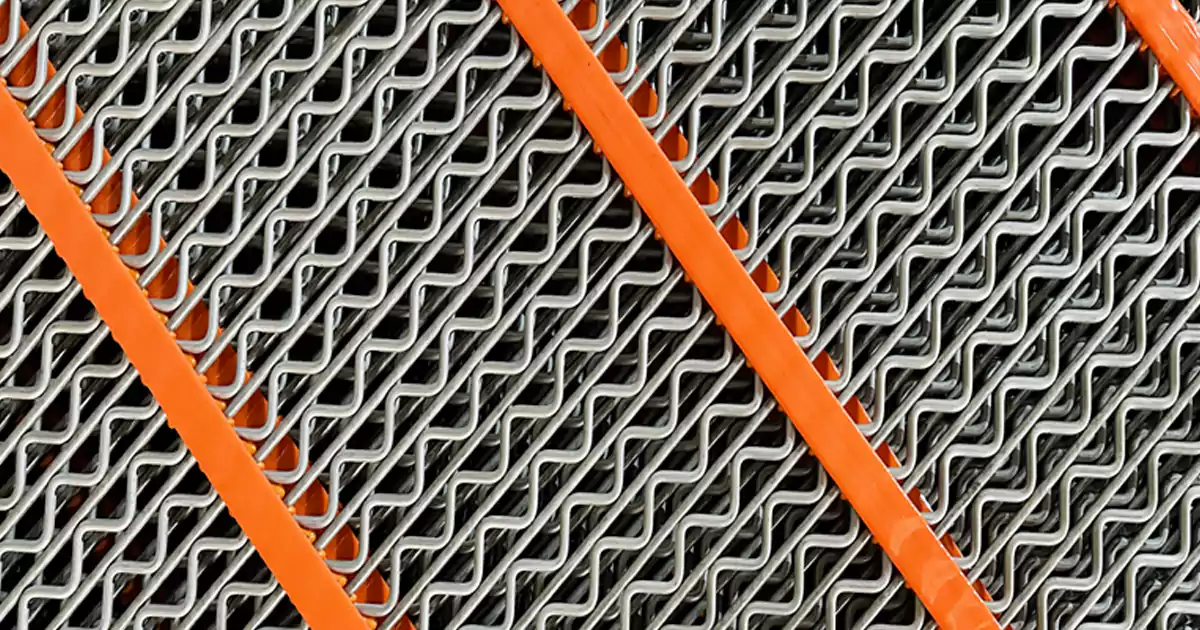
- Life vs Capacity: Polyurethane panels last 12-18 months. Rubber screens last 3-4 months. Steel mesh lasts 1.5-2.5 months. Polyurethane mesh lets more material flow, about 20-30% better than steel wire screens.
Note: Polyurethane panels can last two to three times longer than steel screens. You save money on repairs and get better flow, especially in iron ore jobs.
If you use this checklist, you will pick the best screen panel for your job. You get more work done, fix things less, and your screens work better.
Conclusion
You can count on polyurethane for strength, durability, and resistance to tough conditions. Here’s why it stands out:
- It handles abrasion, impact, and chemicals with ease.
- You get longer wear life and less maintenance for your screens.
- The panels are lighter, safer to install, and keep noise down.
We make polyurethane screen panels and woven wire screen media. You can choose custom options and get help picking the right fit. Reach out for expert advice and a quote!
FAQ
What makes polyurethane so strong?
You get strength from its special mix of hard and soft segments. The hard parts give toughness. The soft parts add flexibility. This combo helps polyurethane last longer than many other materials.
Can polyurethane handle outdoor weather?
Yes! Polyurethane stands up to sun, rain, and even snow. You can use it outside without worry. It resists UV rays and does not rust or rot.
Is polyurethane safe to touch?
You can touch cured polyurethane safely. It does not give off harmful fumes once it sets. Just avoid breathing in dust if you cut or sand it.
How does polyurethane compare to rubber?
| Feature | Polyurethane | Rubber |
|---|---|---|
| Wear Resistance | Higher | Lower |
| Noise | Lower | Higher |
| Weight | Lighter | Heavier |
You get more wear life and less noise with polyurethane.
Will polyurethane crack under heavy loads?
No, polyurethane absorbs shocks and bounces back. You do not see cracks like you might with hard plastics or metals. It stays strong, even with heavy use.
Can I use polyurethane in wet places?
Yes, you can! Polyurethane works well in water and wet environments. It does not swell or break down like some other materials.
How long do polyurethane screen panels last?
You can expect polyurethane panels to last 2–3 times longer than steel or rubber screens. That means less downtime and fewer replacements for you.