You might hear a lot about extraction in Zinc Mining, but crushing and screening are very important for how well your plant works. These steps change the ore quality and control what happens next. If you make your crushing and screening better, you can have less downtime and get more product.
- Making sure the ore is the right size and sorted helps grinding and flotation work well.
- If these steps do not work well, you get less recovery and more waste.
- Doing these steps right helps your mineral processing make more money.
Key Takeaways
- Crushing and screening help make ore better and get more zinc.
- When ore is the right size, grinding and flotation work better.
- Using jaw and cone crushers makes ore pieces smaller.
- Vibrating screens sort ore by size, which is needed for the next steps.
- Fixing problems like blinding and pegging makes screening work better.
- Picking the best screen media for the ore helps stop delays and gets more zinc.
- Doing regular maintenance and using automation makes machines work well and saves money.
- Making crushing and screening better gives more profit and helps mining last longer.
Zinc Mining Comminution Overview
In zinc mining, crushing and grinding do a lot of the work. These steps break the ore into smaller pieces. This helps you separate the valuable zinc from the waste called gangue. Let’s see what happens to the ore from when it comes out of the ground until it is ready for the next steps.
Note: Crushing and grinding together are called the comminution process. Crushing uses less energy and gets the ore ready for grinding. Grinding uses more energy and makes the ore into fine particles.
Here are the main steps:
| Stage | Description | Energy Consumption | Particle Size Reduction |
|---|---|---|---|
| Crushing | Makes big ore pieces into smaller chunks | Uses little energy to get ready for grinding | Big chunks become smaller |
| Grinding | Turns small chunks into fine particles | Uses a lot of energy, up to half the total | Makes fine particles for mineral liberation |
Primary Crushing Process
Jaw Crusher Role
The first step is primary crushing. Jaw crushers are used here. They take big pieces of ore and make them smaller. Jaw crushers are strong machines. They can crush hard sphalerite ore, which is found in zinc mining. You need tough equipment that lasts a long time.
Here is how different jaw crushers compare:
| Jaw Crusher Model | Maximum Throughput Capacity (tons per hour) |
|---|---|
| PE Series | Up to 2,000 |
| HD Series | Up to 910 |
| CJ Series | Up to 1,250 |
Particle Size Reduction
You need to make the ore small enough for the next steps. Jaw crushers do this by pressing the ore between two plates. This turns large rocks into smaller pieces. Crushing uses less energy than grinding, but it is still important for the zinc mining process.
Secondary Crushing Steps
Cone Crusher Application
After the first crushing, you do secondary crushing. Cone crushers are used for this. They take the smaller pieces from the jaw crusher and make them even smaller. Cone crushers are good for sphalerite ore. They can crush hard rocks and give you the right size for mineral liberation.
Mineral Liberation
You want to get as much zinc as you can from the ore. Using cone crushers in steps helps you do this. If you control the size, you do not make the pieces too small. If you grind too much, you get slimes that make flotation harder. The right size means you get more zinc from each ton of ore.
Screening And Classification
Vibrating Screen Function
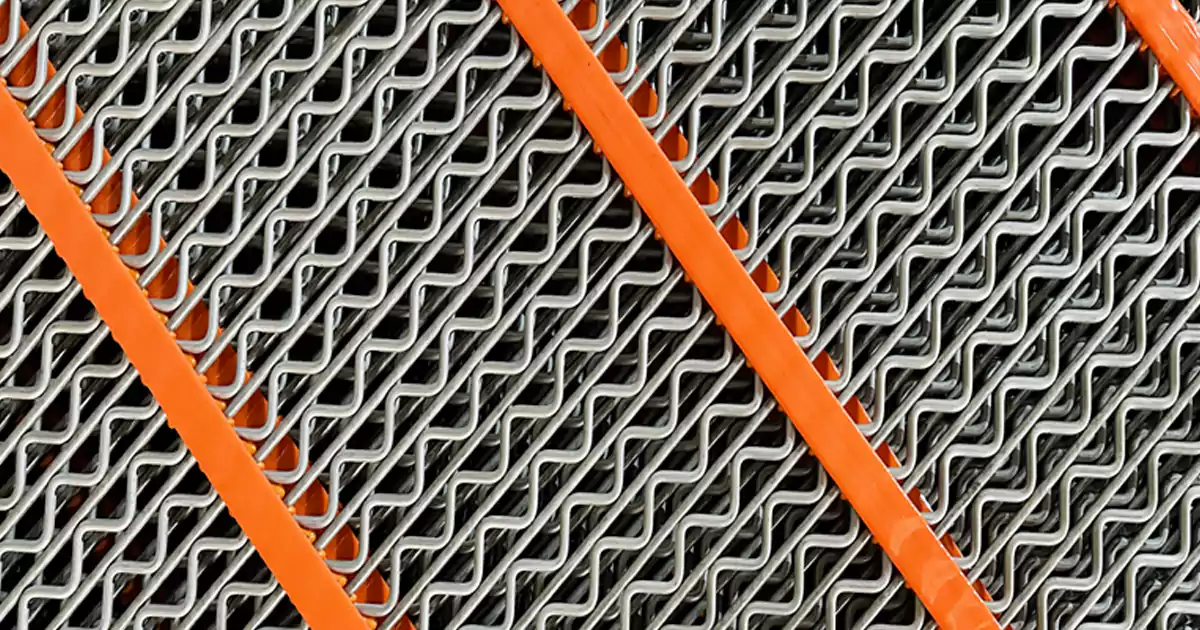
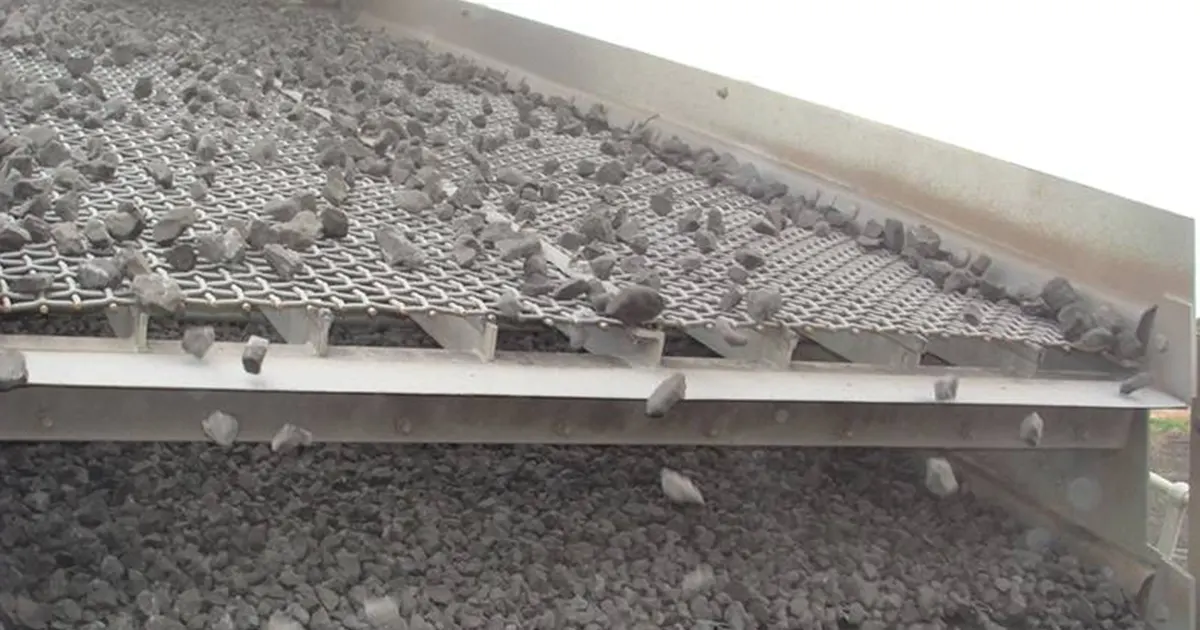
After crushing, you need to sort the ore by size. Vibrating screens do this job. They shake the ore on mesh panels. Small pieces fall through, and big pieces stay on top. This step is important for sizing and classification. You want every piece to be the right size for the next step.
Here is how vibrating screens help:
| Mechanism | Description |
|---|---|
| High-frequency vibration | Moves pieces for better sorting by size |
| Multi-layer designs | Lets you sort many sizes at once, making it faster |
| Specialized screen media | Helps sort better and stops clogging, so you get the right size |
Closed-Circuit Sizing
In zinc mining, you often use closed-circuit systems. This means big pieces go back to the crusher until they are small enough. Vibrating screens make this work. They keep the process going and help you get the size you want every time.
Tip: If you use the right screens and keep your sizing sharp, you get more zinc and use less energy.
Here is how well these steps work:
| Minerals | Lead | Zinc |
|---|---|---|
| Grade of raw ore | 1.77% | 4.15% |
| Grade of concentrate | 2.92% | 6.50% |
| Recovery rate | 96.5% | 91.5% |
You can see that good sizing and sorting help you get more zinc from your ore. When you make your crushing and screening better, you get better results in the rest of the zinc mining process.
Screening Challenges In Zinc Mining
Impact And Abrasion
You deal with tough zinc ore every day. This ore is heavy and rough. When you screen it, the ore hits the equipment hard. You see the screens wear down fast. The main reason is abrasive and shock-abrasive wear. These types of wear happen because the ore particles are sharp and large. They scrape and pound the screen panels. You notice that the screens lose their shape and strength over time.
The principal wear mechanism is abrasive and shock-abrasive wear; and analyzes materials test methods and techniques for wear rate identification.
You also see that the wear rate depends on the size of the ore, the force of impact, and how far the ore slides across the screen. If you use screens made from softer materials, they break down faster. Harder materials last longer, but even they need regular checks.
The primary mechanisms identified include abrasive wear and shock-abrasive wear, influenced by factors such as the size of abrasive particles, applied load, and sliding distance. The wear characteristics are also affected by the degradation of the abrasive and the material properties of the equipment.
Blinding And Pegging
You face another big challenge: blinding and pegging. Blinding happens when fine, sticky particles cover the screen openings. You see the screens stop working well. The ore does not pass through. Pegging is when larger pieces get stuck in the holes. This blocks the flow and slows down the process.
Wet screening makes these problems worse. Water mixes with the ore and creates sticky clumps. These clumps stick to the screen and fill the gaps. You spend more time cleaning and less time processing. If you do not fix blinding and pegging, you lose efficiency. You get less zinc from your ore.
Here’s a quick list of signs you might notice:
- Screen openings look clogged or blocked.
- Material builds up on the screen surface.
- Throughput drops and you see more oversized material.
Ore Characteristics
Zinc ore is not always the same. Sometimes it is dry and hard. Other times it is wet and sticky. You need to know what type of ore you have. If the ore is abrasive, you need strong screens. If the ore is sticky, you need screens that clean themselves.
You can use a table to compare ore types:
| Ore Type | Screening Challenge | Solution Needed |
|---|---|---|
| Dry, abrasive | Fast wear, impact | Heavy-duty screen media |
| Wet, sticky | Blinding, pegging | Self-cleaning screens |
You must match your screen media to the ore. If you do, you keep your plant running longer. You get more zinc and less downtime. You make your screening process smoother and more reliable.
Screen Media Selection For Mineral Processing
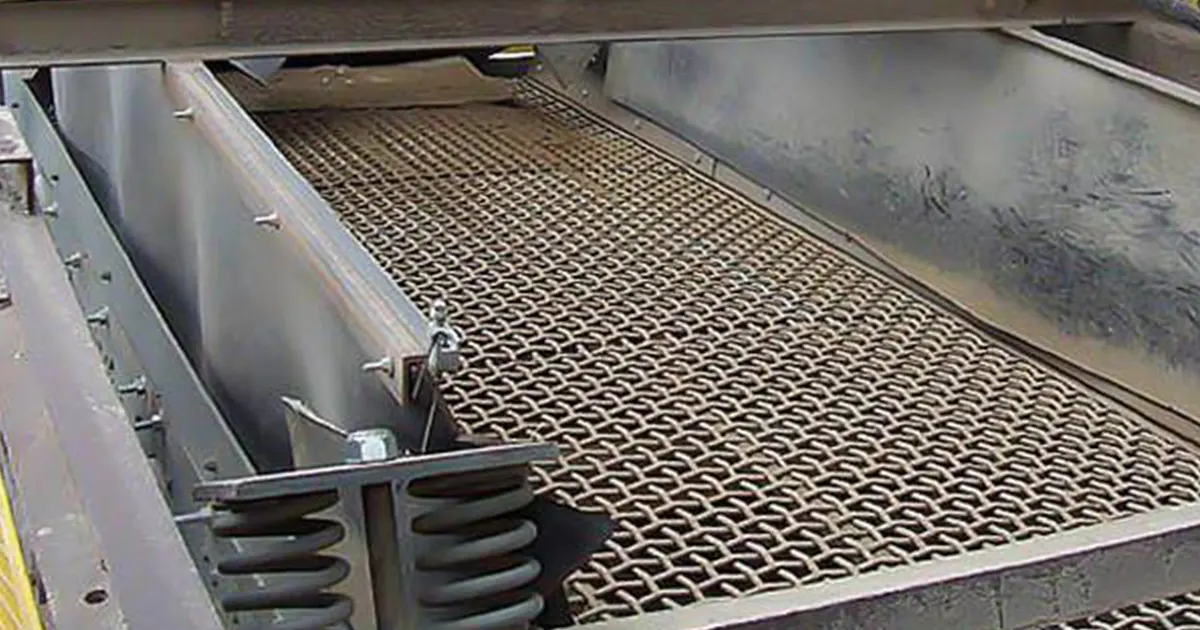
You can pick from many screen media types in zinc mining. Choosing the right one helps your plant work better. It also helps you get more zinc from your ore. Let’s look at the main types and see how they work in different situations.
Woven Wire Mesh
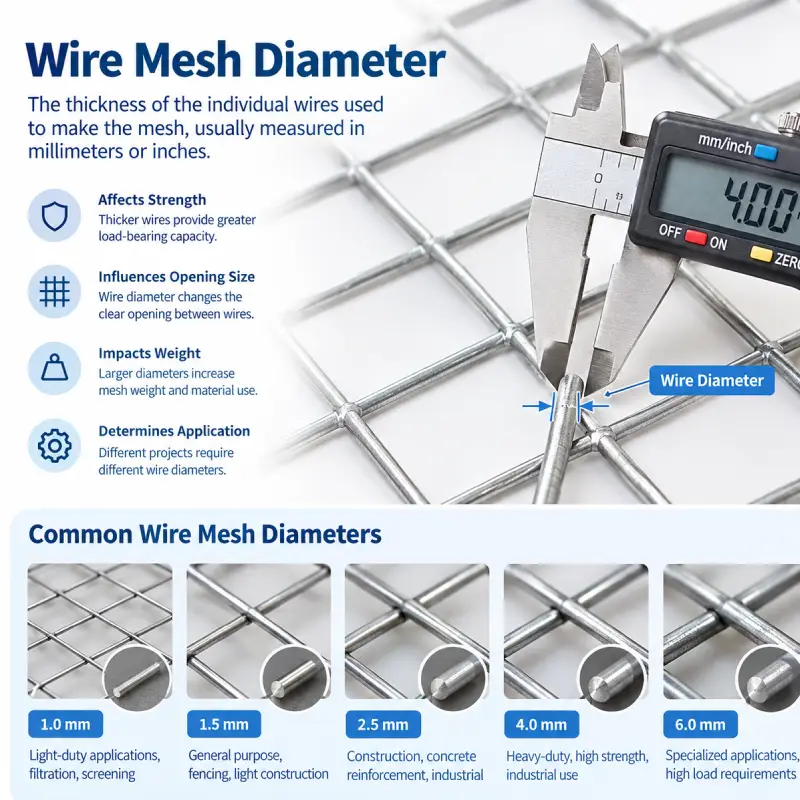
Woven wire mesh is a common choice for dry screening. Many plants use it because it sorts materials quickly.
Dry Sizing Advantages
- The mesh lets material move fast, so you get lots of throughput.
- There is plenty of open space. This stops clogging and keeps things efficient.
- You can sort by size with steady openings. This helps you get the right product every time.
If you work with dry, abrasive zinc ore, woven wire mesh gives sharp sizing. It keeps big pieces from slipping through.
Durability Factors
- Woven wire mesh keeps its shape while working. You do not worry about big pieces sneaking through or small pieces staying too long.
- It gives high accuracy and throughput because of its open area.
- You need to check for wear, especially with heavy or sharp ore. Wire mesh can wear faster than other types if you screen wet or sticky materials.
Polyurethane Screen Panels
Polyurethane panels are good for wet screening. Plants use them when ore is sticky or water is part of the process.
Wet Screening Benefits
- Polyurethane panels resist wear much better than wire mesh. They last three to ten times longer. You spend less time changing screens.
- Their special structure and flexibility make screening better. You get more zinc with less downtime.
- You notice less noise in your plant. This makes working conditions nicer.
- Polyurethane panels are light and flexible. You can install and move them easily.
If you deal with wet or sticky zinc ore, polyurethane panels help your process run and cut down on maintenance.
Abrasion Resistance
- Polyurethane panels stand up to sliding abrasion and corrosion. Sharp ore does not wear them down quickly.
- They handle heavy loads and keep their shape, even with tough materials.
Self-Cleaning Screens
Sticky zinc ore can cause big problems. Blinding and pegging slow your plant down. Self-cleaning screens help you fix these issues.
Sticky Ore Solutions
- Self-cleaning screens use vibration, shaking, and movement to keep material moving.
- They remove trapped particles and stop clogging. You do not have to clean as often.
| Mechanism | Benefit |
|---|---|
| Vibration | Stops clogging and keeps flow steady |
| Oscillation | Removes trapped particles |
| Mechanical Agitation | Makes cleaning better and keeps uptime high |
Blinding Prevention
- Self-cleaning screens keep sticky ore from blocking the holes.
- You see more uptime and less downtime. This means you get more zinc from your ore.
If you screen damp or sticky materials, self-cleaning screens help your plant stay efficient and reliable.
Matching Screen Media to Ore Characteristics
You need to match your screen media to the ore you handle. Here’s a table to help you decide:
| Criteria | Description |
|---|---|
| Kind of material and weight | Shows how much bulk you handle and if you need special treatment. |
| Capacity required | Tells average and peak loads, so you pick enough screen area. |
| Type of screening | Helps you decide if you need dry or wet screens. |
| Percentage of moisture present | Lets you know if material becomes unscreenable with too much moisture. |
| Temperature | Tells you if rubber parts or screen cloth will hold up in hot conditions. |
| Is material free-screening? | If yes, you can skip some questions. |
| Sticky | Helps you pick the right wire cloth or self-cleaning screens. |
| Hygroscopic | Shows if material absorbs moisture, which affects screening. |
| Agglomerative | Tells you if material balls up and needs special handling. |
| Friable | Important for minimizing breakage. |
| Abrasive | Helps you choose wire size and properties for screen cloth. |
| Corrosive | Tells you if you need special alloys for contacting parts. |
| Granular, slivery or flaky | Helps you pick the right wire cloth. |
| Dusty | Suggests covers and dust enclosures. |
| Type and setting of crushers | Gives insight into the size and shape of screen feed. |
| Is oversize re-crushed? | Helps you understand the screening process. |
You can use this table to match your screen media to your ore. If you pick the right media, your plant runs longer and you get more zinc with less downtime.
Screen Media Performance: Blinding and Pegging
Different screen types handle blinding and pegging in their own ways. Here’s a quick comparison:
| Screen Type | Advantages | Limitations |
|---|---|---|
| Linear Vibrating Screen | High screening efficiency, stable operation, good for dry screening | Not as good for sticky materials, limited for fine particles |
| Circular Vibrating Screen | Handles heavy materials well, self-cleaning action | Uses more power, harder to maintain |
| High-Frequency Vibrating Screen | Great separation accuracy, good for dewatering | Not good for coarse screening, wears faster because of vibration |
If you know your ore and your process, you can pick the screen media that fits your needs. This helps you avoid downtime and keeps your zinc mining process efficient.
Optimizing Crushing & Screening Efficiency
Equipment Selection
You want your zinc mining to work well. Choosing the right machines is very important. You need to think about a few things before you pick your equipment. Here’s a list to help you:
- Nature of the Deposit: Each ore type needs special machines. Hard sphalerite ore needs strong crushers and screens.
- Mine Method & Layout: Your equipment must fit your mining style and site. If your site is small, compact machines are better.
- Production Targets: The size of your mine decides what machines you need. Bigger mines need machines that handle more material.
- Operating Costs: Think about more than just buying the machine. Maintenance, energy, and spare parts cost money.
- Safety & Reliability: You want machines that keep your team safe. They should work well every day.
- Technical Support & OEM Presence: Local support helps you fix problems fast. Spare parts should be easy to find.
- Environmental Impact: New machines use less energy and make less dust. This helps you follow environmental rules.
Picking equipment is not just buying a crusher or screen. It means matching your needs and planning ahead.
Process Control
You can make your plant work better with automation. Automation helps you control material flow exactly. This lowers equipment wear and keeps productivity high. When you automate, you can run bigger and faster operations. You get good samples and keep your process clean. Quick cleaning stops mixing and keeps your product safe.
Automation lets you change settings right away. You can spot problems early and fix them before they slow you down.
Modern equipment design helps too. For example, a twin-shaft grizzly feeder with bigger movement lets you feed the crusher more. This strong stroke moves material faster and increases throughput. Engineers use health checks to find problems like bad screening. They suggest changes to make your plant work better.
Maintenance Practices
Good maintenance stops downtime. High vibrations can make hammers wear out fast and lower production. You can stop jamming by making grizzly input smaller, from 100mm to 80mm. Using thicker plates on rotor discs makes them last longer.
Here are some maintenance tips:
- Use predictive maintenance tools. These help you find problems before they happen.
- Sort issues into groups. This helps you fix things and make hammer mills work better.
- Schedule regular health checks. Engineers can find problems early and suggest fixes.
If you keep up with maintenance, your machines last longer and your plant stays productive.
Optimizing crushing and screening means picking the right machines, using automation, and doing good maintenance. This helps you get more zinc from your ore and keeps your operation running with less downtime.
Downstream Impact On Zinc Processing
Flotation And Refining
You want to get as much zinc as possible. Crushing and screening help get the ore ready. If the ore is the right size, flotation works better. Flotation separates zinc from other minerals. The ore must be the right size for mineral processing to work.
Look at this table. It shows how particle size affects flotation:
| Particle Size Range (mesh) | Effect on Flotation Efficiency |
|---|---|
| -100 to +150 | Sphalerite and galena are freed from gangue |
| -325 | Galena is freed from gangue well |
| -1,600 | Sphalerite is freed from carbonaceous gangue |
If you screen the ore well, you get more zinc per ton. Mineral processing becomes easier. Flotation works best when ore is between 25 and 150 microns. Here’s another table showing the best size for flotation:
| Optimal Size Range (µm) | Flotation Performance |
|---|---|
| 25 to 150 | Flotation works best |
| <25 | Needs special conditions for good recovery |
Controlling the size helps refining. You get cleaner zinc and less waste.
Quality Control
You need to keep zinc quality high. Crushing and screening help with this. Sorting the ore removes gangue and keeps zinc concentrate pure. Good screening is important for mineral processing. Checking size and quality helps you spot problems early.
Here are ways screening helps quality control:
- Check ore size before processing.
- Remove ore that is too big or too small.
- Keep zinc concentrate steady.
Tip: Sharp screening helps mineral processing work better. You get more zinc and less waste.
Integration With Plant Operations
You want your plant to work well. Crushing and screening connect to every mineral processing step. Getting the size right helps the whole plant. Automation can control flow and keep processing efficient.
Here’s how to connect crushing and screening with mineral processing:
- Use sensors to check ore size as it moves.
- Change crushers and screens to fit processing needs.
- Keep teams talking to each other.
Matching crushing and screening to mineral processing gets you more zinc and less downtime. Your plant reaches its goals.
Remember: Crushing and screening are not just first steps. They affect every stage of mineral processing. If you make them better, you get more zinc and higher profits.
Conclusion
You are important in making your zinc mine work well. If you upgrade your crushing and screening machines, you can:
- Use up to 30% less energy.
- Only process ore that can be mined, so you get more done.
- Take out waste early, which saves money in mines with low-grade ore.
- Handle tricky ores without problems.
- Make less impact on the environment.
If you want your plant to do better, talk to Anpeng. Their team will help you pick the best screen media and machines for what you need.
FAQ
What is the main goal of zinc mining?
You want to get zinc from the ground. Mining lets you find zinc ore and bring it to the surface. You use machines to break the ore into smaller pieces. This helps you start the concentration process and get more zinc concentrate.
How does crushing help in mining?
Crushing makes big rocks smaller. You use crushers to break zinc ore. This step helps you prepare for the milling process. Smaller pieces make it easier to separate zinc from waste. You get better results in mining and concentrate production.
Why do you need screening in mining?
Screening sorts the ore by size. You use screens to separate big and small pieces. This helps you send the right size to the milling process. Good screening keeps mining efficient and helps you get more zinc concentrate.
What is the concentration process in zinc mining?
You use the concentration process to separate zinc from other minerals. After mining and milling, you use flotation to get zinc concentrate. This step makes sure you get pure zinc for use in industry.
How does milling fit into mining?
Milling grinds the ore into fine particles. You use mills after crushing and screening. This step helps you free zinc from gangue. Milling makes the concentration process easier and helps you get more zinc concentrate.
What problems can you face during mining?
You can see equipment wear, blinding, and pegging. Heavy zinc ore can damage screens. Sticky ore can block openings. You need strong machines and good screen media. These help you keep mining smooth and get more concentrate.
How do you improve zinc concentrate quality?
You check ore size and use sharp screening. You remove waste early in mining. You use the concentration process to get pure zinc concentrate. Good milling and screening help you get high-quality concentrate.
Why is maintenance important in mining?
You keep machines working longer with regular checks. Maintenance stops downtime and keeps mining safe. You fix screens and crushers before they break. This helps you get more concentrate and keeps the concentration process running.
Tip: If you want to get more zinc concentrate, focus on crushing, screening, milling, and the concentration process. Good mining practices help you reach your goals.