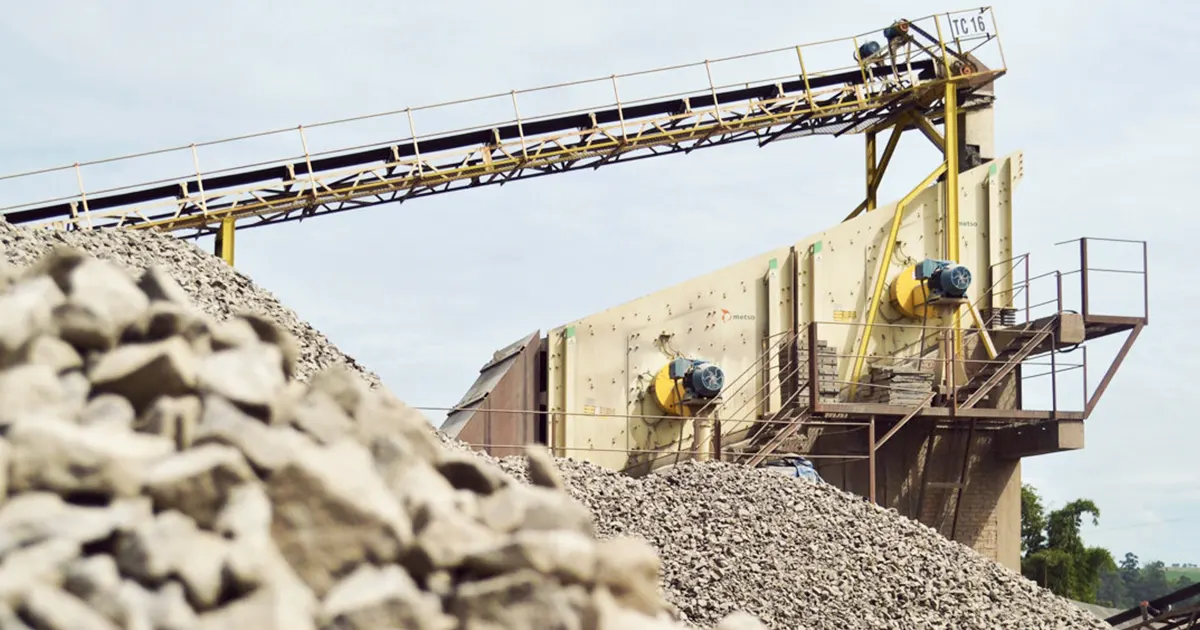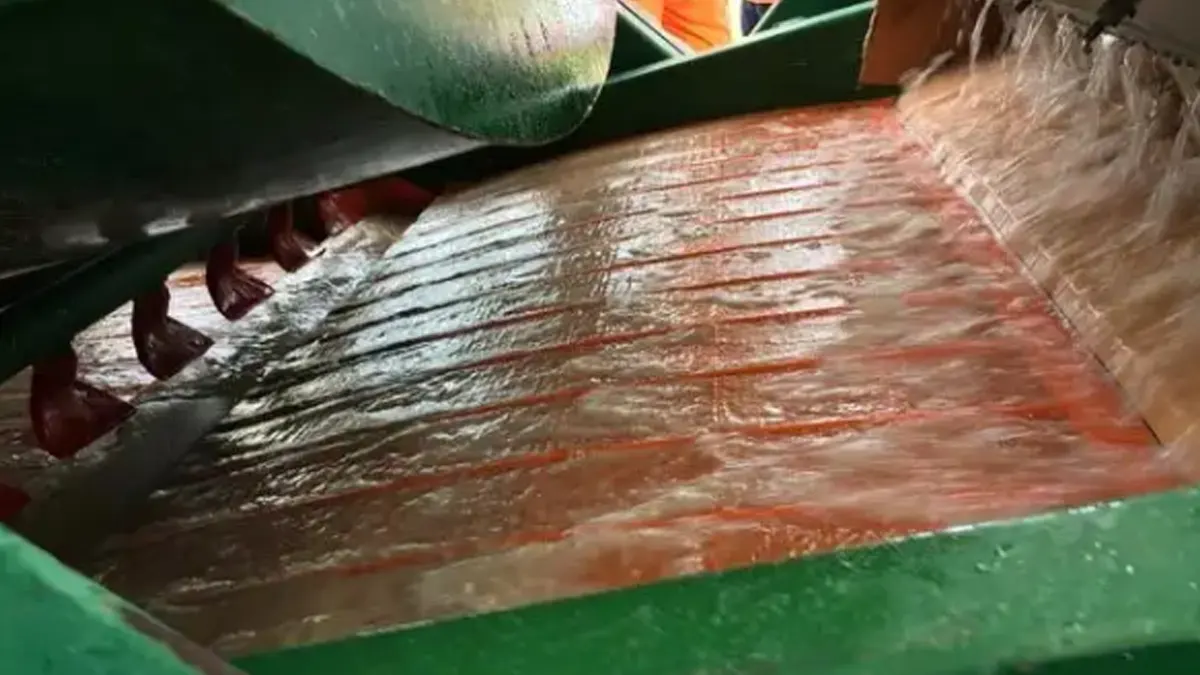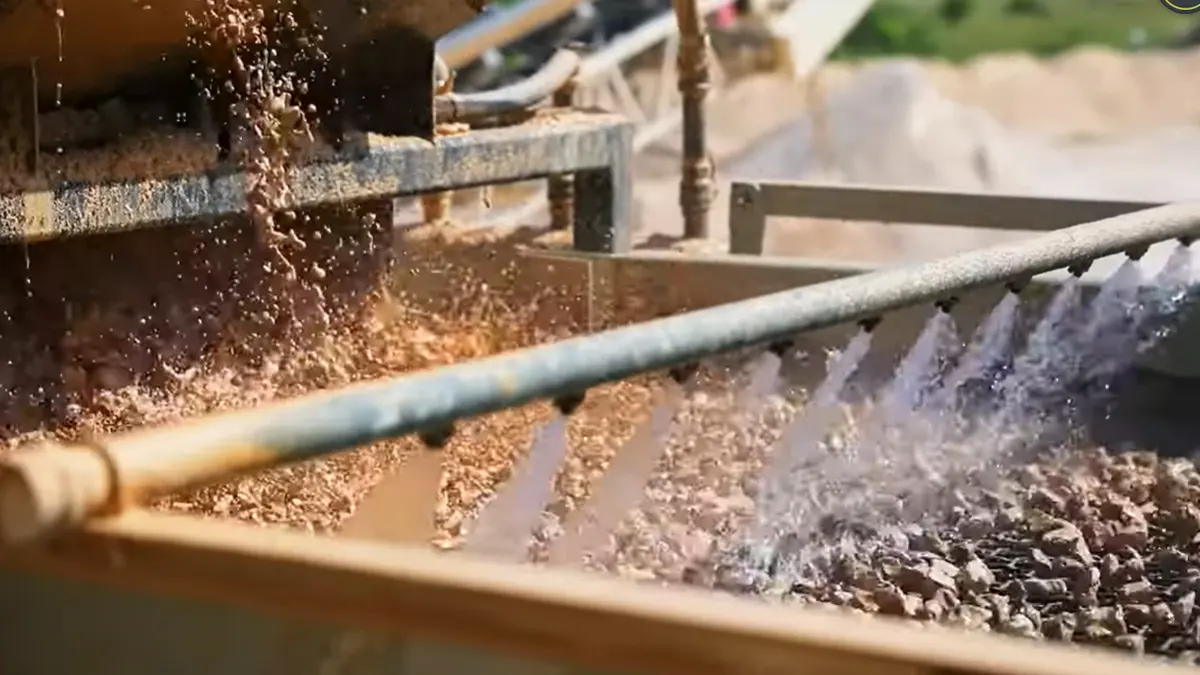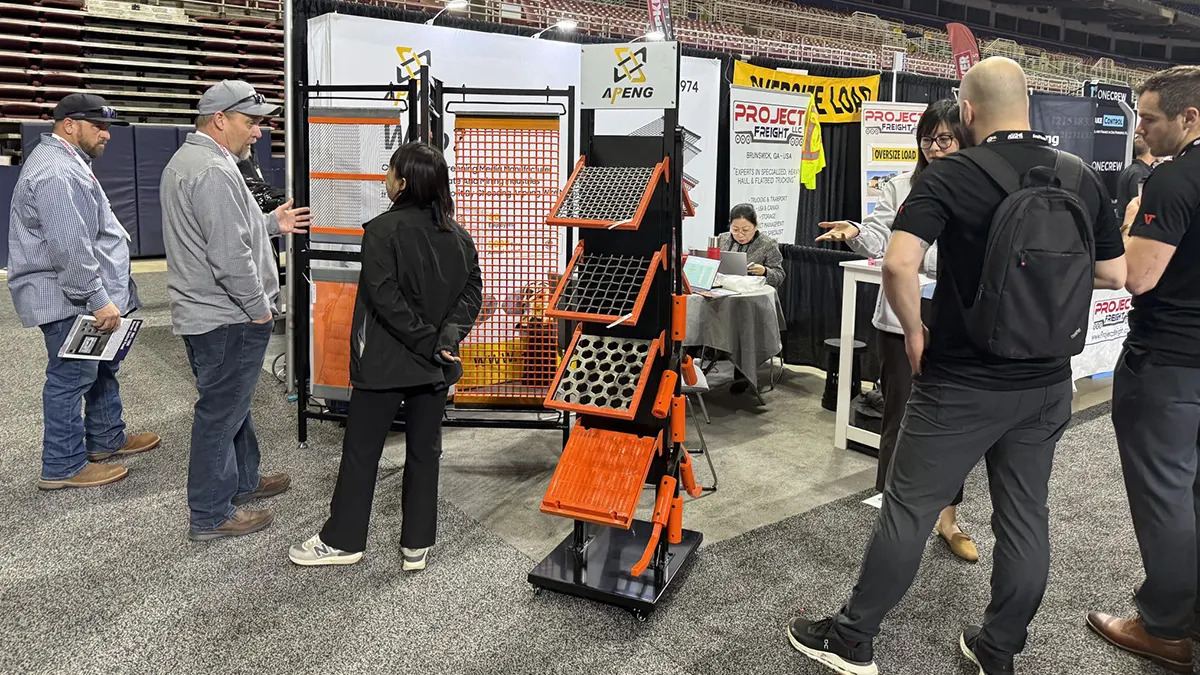
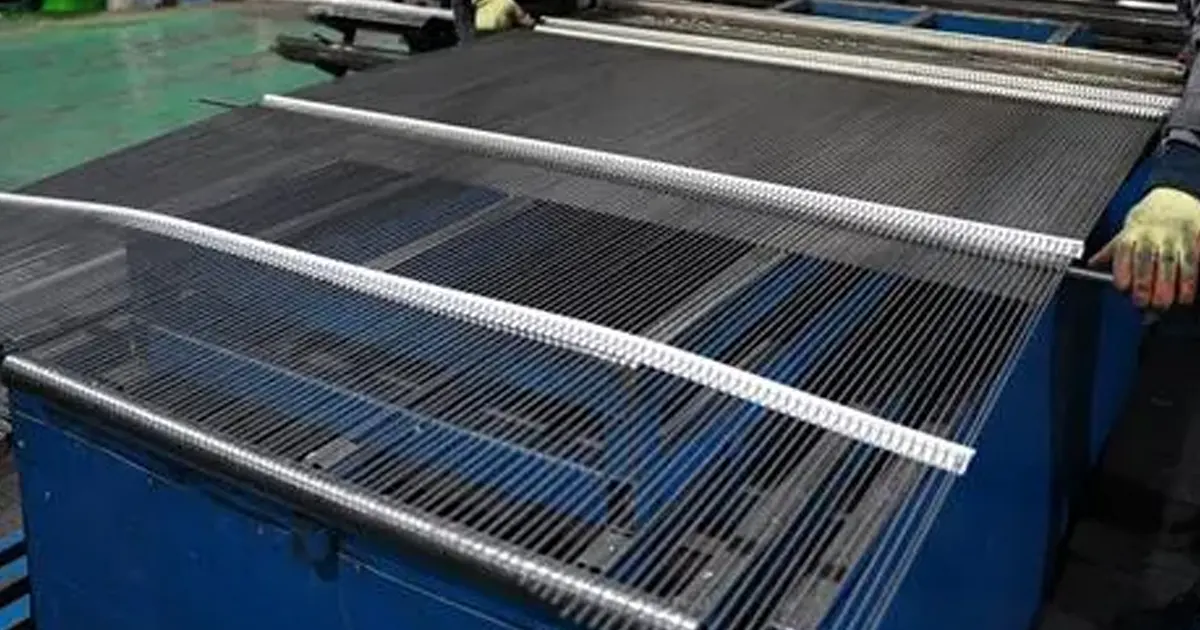
Screening wet or sticky materials can be very challenging, often leading to issues like blinding, plugging, and downtime. To maintain efficiency, you need a reliable solution. Piano wire screen mesh applications are ideal for handling wet, sticky, and rough materials. This type of mesh prevents clogging and allows more material to pass through. It has self-cleaning properties, is durable, and is resistant to rust, particularly when made from stainless steel. This is why it is widely utilized in mining, quarrying, and screening aggregates. Here’s how it performs for various materials such as rock, gravel, coal, sand, compost, and topsoil:
| Material | Application Description |
|---|---|
| Rock | Used to separate in mining and quarrying. |
| Gravel | Helps sort and separate different sizes. |
| Coal | Used to separate coal in many industries. |
| Aggregates | Used to grade in building and asphalt work. |
| Sand | Screens sand to sort it by size. |
| Compost | Screens and sorts organic material. |
| Topsoil | Removes small pieces in soil screening. |
Key Takeaways
- Piano wire screen mesh works well with wet and sticky stuff. It helps cut down on machine stops and fixes.
- The self-cleaning part of piano wire mesh stops clogging. This lets machines keep running without stopping a lot.
- Piano wire mesh uses strong steel. It lasts long and does not wear out fast. This makes it good for hard jobs.
- Piano wire screens help materials move better by over 20% when things are damp. This makes work faster and easier.
- This mesh is useful in many places. It works well in mining, recycling, and food processing for different materials.
- Picking the right hole size and wire thickness is important. It helps balance how much goes through and how long it lasts.
- Checking and fixing the mesh often can stop problems like blinding. It also helps the mesh last longer.
- Piano wire screen mesh saves money over time. It needs fewer changes than regular mesh types.
What Is Piano Wire Screen Mesh
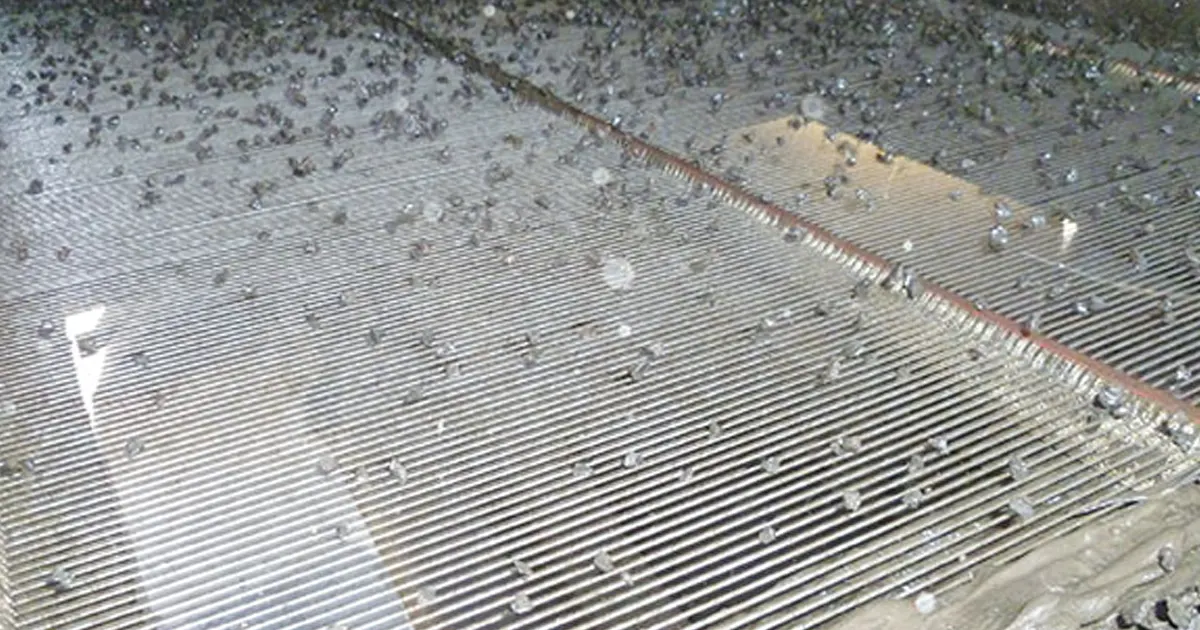
Construction and Materials
High-tension wire design
Piano wire screen mesh is very strong. It uses high-carbon steel wire. This wire was first used for piano strings. The wire can handle heavy loads. It does not bend or break easily. It stays strong when screening rough or sticky materials.
- Made with high-carbon steel wire.
- Has great strength and toughness.
- Built to handle shaking and heavy use.
Here’s a simple table showing how mesh materials compare:
| Material Type | Tensile Strength |
|---|---|
| High-Tensile Steel | Very High |
| Crimped Wire Mesh | Medium |
| Polyurethane Mesh | Low to Medium |
Stainless steel and corrosion resistance
Rust is a problem with wet materials. Stainless steel piano wire mesh does not rust easily. It lasts longer in wet places. You spend less time fixing rust. You can focus on your work.
Unique Features for Wet and Sticky Materials
Flexibility and vibration transfer
Piano wire screen mesh is flexible. The wires move as material goes over them. This movement shakes off sticky bits. Less clogging happens. More material passes through the screen.
Self-cleaning action
The mesh cleans itself while working. The wires shake and knock off sticky pieces. You do not need to stop to clean the screen. This keeps your work going and saves time.
Tip: Piano wire mesh is great for screening wet sand, compost, or clay. It can save you lots of cleaning time.
Here’s how these features help you:
| Feature | Benefit |
|---|---|
| Self-Cleaning | Stops clogging, so you work longer without cleaning |
| Longer Service Life | Lasts longer than regular screens, works well for more time |
| Largest Screening Area | Helps remove small pieces quickly and makes work faster |
Comparison to Standard Mesh Types
Woven wire vs piano wire
Woven wire mesh works well for dry stuff. Wet or sticky materials can block it. Piano wire mesh does not block as much. It lasts longer. It costs more at first, but you save money because you replace it less.
| Feature | Piano Wire Screen Mesh | Woven Wire Mesh |
|---|---|---|
| Blinding Resistance | Hard to block | Blocks more easily |
| Screening Efficiency | Sometimes screens slower | Usually screens faster |
| Wear Life | Lasts longer | Wears out faster |
| Open Area | Has less open space | Has more open space |
| Cost | Costs more at first | Costs less |
Self-cleaning mesh overview
Self-cleaning mesh types are made for tough jobs. They keep working even with sticky or wet materials. You get steady work and less stopping. That is why Piano Wire Screen Mesh Applications are used in mining, recycling, and screening aggregates.
Why Piano Wire Screen Mesh Excels for Wet Materials
Anti-Clogging Performance
Reduced blinding and plugging
You know how frustrating it gets when your screens keep clogging up with wet or sticky material. Piano wire screens use high-tensile steel wires that run tightly in parallel. This design gives you a bigger open area than most other screens. The wires move and flex, so sticky bits do not get stuck as easily. You will notice much less blinding and plugging, even when you deal with fine, wet, or clay-heavy materials. That means you spend less time stopping to clean and more time getting work done.
Efficient material separation
When you use piano wire screens, you get better separation of materials. The wires shake off anything that tries to stick. This self-cleaning action keeps the screen open, so more material passes through. You get cleaner, more accurate results. Your operation runs smoother, and you do not lose time or product to blockages.
Enhanced Material Flow
Stable throughput in damp conditions
Wet conditions usually slow everything down. With piano wire screens, you see a big improvement in how much material moves through your screen. Many users report over 20% more throughput when handling damp or sticky materials. You do not have to worry about blinding or plugging stopping your process. The open area stays clear, so your operation keeps moving. You also get cleaner screens, which means less mess and less downtime.
- Throughput can improve by more than 20% for wet or sticky materials.
- Blinding and plugging problems almost disappear.
- Wet, fine, and clay-heavy materials screen much better.
- You keep your operation cleaner and more efficient.
Improved stratification
You want your material to separate into layers for the best results. Piano wire screens, especially those with diamond-shaped openings, help particles flow smoothly. The unique shape lets material move and settle into layers, which is called stratification. This design cuts down on pegging and blinding, so you get stable throughput and accurate sizing. Your screened product meets your specs, and you do not have to worry about jams.
Durability and Longevity
Abrasion and moisture resistance
Wet screening can wear out regular screens fast. Piano wire screens stand up to tough conditions. The high-tensile wires resist abrasion from rough materials. Stainless steel options fight off rust and corrosion. You do not have to replace your screens as often, even when you work with wet or gritty loads.
Long service life
You want your equipment to last. Piano wire screens give you that. Their strong wires and smart design mean less wear and tear. You spend less time and money on maintenance. Fewer replacements mean less downtime. Your operation stays productive, and your costs go down.
Tip: If you want to cut maintenance costs and keep your screening line running, consider Piano Wire Screen Mesh Applications for your wet material challenges.
Piano Wire Screen Mesh Applications in Wet Screening
Mining and Quarrying
Aggregates, minerals, ores
If you work in mining or quarrying, you know screening wet materials is hard. Piano Wire Screen Mesh Applications help stop clogging. The mesh bends and shakes to remove sticky bits. You get cleaner results and less time wasted. These screens fit vibrating machines, crushers, and trommels. They work well in your daily jobs and keep things moving.
Here’s where you can use piano wire screens in mining and quarrying:
| Application | Industry |
|---|---|
| Sand and gravel | Sand and gravel industry |
| Vibrating screen machines | Mining industry |
| Crusher | Quarry |
| Trommel | Quarry |
Wet sand and gravel
Wet sand and gravel are tough to screen. Regular screens block up quickly. Piano Wire Screen Mesh Applications fix this issue. The wires move so wet sand and gravel pass through. You clean less and make more product. Your screens last longer, even with rough loads. You get steady flow and correct sizes.
Recycling and Industrial Processing
Wet fines and organic waste
Wet fines and organic waste stick to screens. Piano wire screens are made for these jobs. Their design keeps the mesh open. You sort materials faster and with fewer stops. You can use them in recycling plants, compost sites, and waste centers.
- Used in mining, aggregates, construction, recycling, and industry.
- Works great for wet, sticky, fine, or hard materials.
Compost, peat, biomass
Compost, peat, and biomass are hard to screen. They are wet and sticky. Piano Wire Screen Mesh Applications help you process these without stopping to clean. The mesh shakes off sticky bits and keeps working. You get more good product and less downtime. Your work goes smoother, and you save money.
Tip: If you need to screen organic waste or compost, piano wire screens work best. You clean less and make more product.
Other Relevant Industries
Municipal waste
Municipal waste is messy and wet. You need a screen that can handle it. Piano wire screens work well in waste plants. They sort wet and sticky materials without blocking. You get better results and less downtime. Your screens last longer, even with tough jobs.
Food processing
Food processing uses piano wire screens for grains and other wet materials. The mesh keeps working, even with sticky loads. You get clean separation and steady flow. Your work stays efficient, and you meet quality rules.
You see piano wire screens in many fields:
- Mining, sand and gravel, coal
- Metallurgical, fertilizer and chemical
- Recycling and waste treatment
- Food and agriculture
You process things like coarse aggregates, ores, fertilizers, chemicals, grains, and fine sand. Piano Wire Screen Mesh Applications help you handle wet, sticky, and rough loads in all these areas.
Application Goals and Challenges
Throughput vs accuracy
You want your screen to work fast. You also need it to sort things right. Sometimes, you must pick between speed and accuracy. If you try to move more material, sorting may not be as good. If you slow down for better sorting, you make less product.
Piano Wire Screen Mesh Applications help you find a balance. The mesh lets wet and sticky stuff go through without blocking. You get steady flow and fewer stops. The wires shake and move, so blinding happens less. This means you can keep your speed high and still get the sizes you need.
Note: If you screen clay-heavy or damp loads, accuracy is hard. Piano wire screens keep the mesh open. You get better sorting and cleaner results.
Common issues and solutions
Wet screening causes many problems. You deal with blinding, plugging, and caking. Moist and sticky materials stick to the mesh and slow things down. You spend more time cleaning and less time making product.
Here are the problems and how piano wire screens fix them:
- Blinding and plugging: Sticky stuff blocks the mesh. Piano wire screens use wires that shake off buildup. You spend less time clearing blockages.
- Caking: Wet loads cake onto the screen. The flexible wires move, so caking happens less.
- Downtime: You stop your machine to clean or change screens. Piano wire mesh lasts longer and cleans itself, so you keep working.
Check out this table for challenges and solutions:
| Challenge in Wet Screening | Solution by Piano Wire Screen Mesh |
|---|---|
| Processing moist and viscous materials | Recommended for processing difficult materials |
| Prevention of caking and clogging | Self-cleaning effect due to wire movement |
Tip: If you want less downtime and more work done, try piano wire screens for tough loads.
Table: Piano Wire Screen Mesh Applications Matrix
You can use piano wire screens in many industries. Here’s a matrix showing where they work best and what problems they solve:
| Industry/Material | Typical Challenge | Piano Wire Screen Mesh Applications Benefit |
|---|---|---|
| Mining & Quarrying | Wet aggregates, blinding | Self-cleaning, high throughput |
| Sand & Gravel | Plugging, caking | Flexible wires, less downtime |
| Recycling | Sticky organic waste | Steady flow, easy separation |
| Compost & Biomass | Moist fines, caking | Cleaner screens, accurate sizing |
| Municipal Waste | Wet, mixed materials | Reduced clogging, longer service life |
| Food Processing | Sticky grains, wet loads | Consistent separation, meets quality standards |
Callout: Piano Wire Screen Mesh Applications give you a reliable way to handle wet, sticky, and rough materials. You get more uptime, cleaner results, and less trouble.
Selection and Setup Guidance
Aperture and Wire Diameter
Choosing the right aperture and wire diameter makes a big difference in your screening results. You want to match your mesh to your material and your goals.
Open area vs wear resistance
You face a trade-off here. A larger open area lets more material pass through. Thinner wires give you more open space, but they wear out faster. Thicker wires last longer, but they reduce the open area and slow down your screening.
Here’s a quick table to help you decide:
| Goal | Choose This | Why It Works |
|---|---|---|
| Maximize throughput | Larger aperture, thin wire | More material passes through |
| Boost durability | Smaller aperture, thick wire | Wears out slower |
| Balance both | Medium aperture, medium wire | Good mix of speed and life |
Tip: If you screen sharp or abrasive materials, go for thicker wires. If you need speed, try thinner wires.
Tensioning and Installation
Getting your mesh tight and secure keeps your screen working well. You want to avoid sagging or loose wires.
Hook and edge options
You can pick from different hook and edge styles. The right choice depends on your machine and how you plan to install the mesh.
- C-type hooks: Most common. Easy to install and remove.
- U-type hooks: Good for heavy-duty jobs. Hold the mesh tight.
- Plain edges: Work for custom setups or special machines.
Check your equipment manual or ask your supplier for the best hook style.
Best practices for setup
You want your mesh to last. Here’s how you set it up right:
- Clean the screen deck before installing new mesh.
- Make sure the mesh sits flat and lines up with the frame.
- Tighten the tension bars evenly on both sides.
- Check for loose spots or sagging wires.
- Run the machine and listen for rattling or odd noises.
Note: Tight mesh works better and lasts longer. Loose mesh wears out fast and causes problems.
When to Use Alternatives
Sometimes, piano wire mesh is not the best choice. You have other options for special jobs.
Self-cleaning mesh for extreme clay
If you deal with heavy clay or super sticky loads, self-cleaning mesh with special patterns can help. These meshes use different wire shapes and layouts to shake off even the worst buildup.
Polyurethane panels for high-impact
For high-impact jobs or very abrasive materials, polyurethane panels work well. They last a long time and handle big hits. You might lose some open area, but you gain extra wear life.
Callout: Not sure what to pick? Talk to your supplier. Share your material type and screening goals. You will get the best advice for your setup.
Installation and Maintenance Tips
Tensioning Practices
Side clamp and tension bar checks
You want your piano wire screen mesh to work well and last longer. Start by checking the side clamps and tension bars. These parts hold your mesh tight. If you see loose clamps or uneven tension, fix them right away. Loose mesh can cause blinding and wear out faster.
Here’s a quick checklist for tensioning:
- Inspect side clamps for tightness.
- Make sure tension bars press evenly across the mesh.
- Look for sagging or gaps along the edges.
- Listen for rattling sounds during operation.
Tip: Tight mesh means better screening and less downtime. If you hear odd noises, stop and check the tension.
Inspection and Cleaning
Early failure signs
You need to spot problems early. Look for broken wires, uneven wear, or rust spots. If you see holes or tears, replace the mesh. Watch for blinding, where material sticks and blocks the openings. This can slow your work and damage the mesh.
Common signs of trouble:
- Broken or bent wires
- Rust or corrosion
- Blinding or plugging
- Uneven wear patterns
Note: If you catch these signs early, you can fix issues before they get worse.
Cleaning strategies
Cleaning keeps your mesh working. Use a soft brush or air hose to remove stuck material. Avoid harsh chemicals or high-pressure water, which can damage the wires. Clean the mesh after each shift, especially when screening wet or sticky loads.
Simple cleaning steps:
- Stop the machine and let it cool.
- Brush off loose material.
- Use an air hose for stubborn bits.
- Inspect for damage as you clean.
Callout: Regular cleaning prevents blinding and helps your mesh last longer.
Maximizing Mesh Lifespan
You want your mesh to last as long as possible. Good maintenance helps you get more work done and saves money. Less blinding means you screen damp and sticky material without buildup. This keeps your operation efficient.
Here’s a table showing how maintenance features help you:
| Feature | Benefit |
|---|---|
| Less blinding | Efficiently screens damp and sticky material, preventing buildup. |
Follow these tips to maximize lifespan:
- Keep mesh tight and secure.
- Clean after each use.
- Inspect for early signs of wear.
- Replace damaged mesh quickly.
Tip: Consistent care and quick fixes keep your mesh working and your operation running smoothly. You get more uptime and better results.
Troubleshooting Common Issues
Blinding and Pegging
Causes and fixes
You might notice your screen mesh gets blocked by wet or sticky material. This is called blinding. Pegging happens when larger pieces wedge into the mesh openings. Both problems slow down your screening and reduce your output.
Common causes:
- Wet or clay-heavy materials stick to the wires.
- Fine particles build up and block the openings.
- Large stones or debris get stuck in the mesh.
How to fix it:
- Use piano wire screen mesh with flexible wires. The wires move and shake off sticky bits.
- Increase the vibration of your screen. More movement helps clear the mesh.
- Clean the mesh regularly with a brush or air hose.
- Adjust the feed rate. Too much material at once can cause blinding.
Tip: If you see blinding, stop and check your mesh tension. Loose mesh blocks faster. Tighten the mesh for better results.
Wire Breakage and Wear
Prevention and solutions
Wire breakage can happen if you screen sharp or heavy materials. Wear occurs over time as the mesh rubs against rough loads. You want to prevent these issues to keep your operation running.
Prevention steps:
- Inspect your mesh for broken or bent wires after each shift.
- Choose thicker wires for abrasive materials. Thicker wires last longer.
- Keep your mesh tight. Loose mesh wears out faster.
- Use stainless steel mesh for wet or corrosive loads.
Solutions if you see damage:
- Replace damaged mesh right away. Broken wires can cause more blinding.
- Rotate your mesh if you notice uneven wear. This spreads out the load.
- Clean the mesh often. Dirt and buildup can weaken the wires.
Note: Regular checks and quick fixes help you avoid downtime and costly repairs.
Sizing and Carryover
Adjustment tips
Sometimes, you see material that does not sort correctly. Sizing problems mean your mesh is not separating pieces as you want. Carryover happens when material stays on the screen instead of passing through.
Adjustment tips:
- Check your mesh aperture. Make sure the openings match your material size.
- Adjust the feed rate. Too much material can cause carryover.
- Increase screen vibration. This helps material move and sort better.
- Inspect for blinding or plugging. Clear any blockages to improve sizing.
| Issue | Quick Fix |
|---|---|
| Sizing error | Check aperture and feed |
| Carryover | Boost vibration |
| Blinding | Clean mesh, tighten |
Callout: If you want accurate sizing and less carryover, keep your mesh clean and tight. Small changes make a big difference.
Table: Troubleshooting for Wet Screening
Wet and sticky materials can make screening hard. You might see blinding, pegging, or broken wires. Sometimes, the sizes are wrong or material will not go through. You do not have to guess what is wrong. This table helps you spot problems and fix them fast.
| Problem | What You See | Why It Happens | What You Can Do |
|---|---|---|---|
| Blinding | Mesh blocked by fine, wet material | Sticky or clay-heavy loads | Use piano wire mesh, tighten mesh, clean often |
| Pegging | Large pieces stuck in mesh openings | Oversized or odd-shaped material | Adjust feed rate, check mesh size, increase vibration |
| Wire Breakage | Broken or bent wires | Sharp or heavy material, loose mesh | Choose thicker wires, keep mesh tight, inspect daily |
| Excessive Wear | Worn spots or thinning wires | Abrasive material, poor tension | Use stainless steel, rotate mesh, check tension bars |
| Sizing Errors | Wrong sizes in finished product | Wrong aperture, blinding, fast feed | Match mesh to material, slow feed, clear blockages |
| Carryover | Material stays on screen | Low vibration, too much feed, blinding | Boost vibration, reduce feed, clean mesh |
Tip: Keep this table close to your screening machine. If you see a problem, look at the table for a quick answer. This saves time and keeps your work going.
For even better results, talk to your mesh supplier. Tell them about your material and what you want to do. They can give advice that fits your needs and helps you stop these problems.
Most wet screening problems can be fixed with the right mesh, good tension, and regular checks. Stay alert and act fast. You will get better results every day.
Conclusion
You want a screen mesh that fights clogging, cleans itself, and lasts a long time. Piano wire screen mesh gives you all these benefits. You get better results in mining, quarrying, recycling, and industrial jobs.
- Stops blinding and plugging
- Handles wet, sticky, and rough loads
- Saves you time and money
Need the right mesh for your job? Anpeng Wire Mesh offers custom piano wire screens and expert advice. Contact us with your material details for a quote!
FAQ
What materials can I screen with piano wire mesh?
You can screen wet sand, gravel, compost, topsoil, coal, and sticky minerals. This mesh works best for tough, wet, or sticky loads that clog regular screens.
How do I know if I need piano wire mesh?
If you see frequent blinding, plugging, or downtime with wet or sticky materials, you need piano wire mesh. It keeps your operation running and reduces cleaning stops.
How often should I check the tension on my mesh?
Check the tension every shift. Tight mesh works better and lasts longer. Loose mesh causes blinding and wears out fast.
Can I use piano wire mesh on any screening machine?
Most vibrating screens, trommels, and crushers accept piano wire mesh. Check your machine’s manual or ask your supplier for the right fit.
How do I clean piano wire mesh?
- Stop your machine.
- Use a soft brush or air hose.
- Avoid harsh chemicals or high-pressure water.
Tip: Clean after each shift for best results.
What is the main difference between piano wire mesh and woven wire mesh?
| Feature | Piano Wire Mesh | Woven Wire Mesh |
|---|---|---|
| Blinding | Rare | Common |
| Service Life | Long | Shorter |
| Cost | Higher | Lower |
Does stainless steel mesh resist rust?
Yes! Stainless steel piano wire mesh resists rust and corrosion. It lasts longer in wet or harsh environments.