Tin processing helps you change raw ore into tin metal. First, you crush and screen the ore. Next, you grind it and use gravity separation. These steps help you get more tin from each rock. The kind of ore you have is very important. Machines like jigs, shaking tables, or centrifugal concentrators can help you get more tin if you pick the right one.
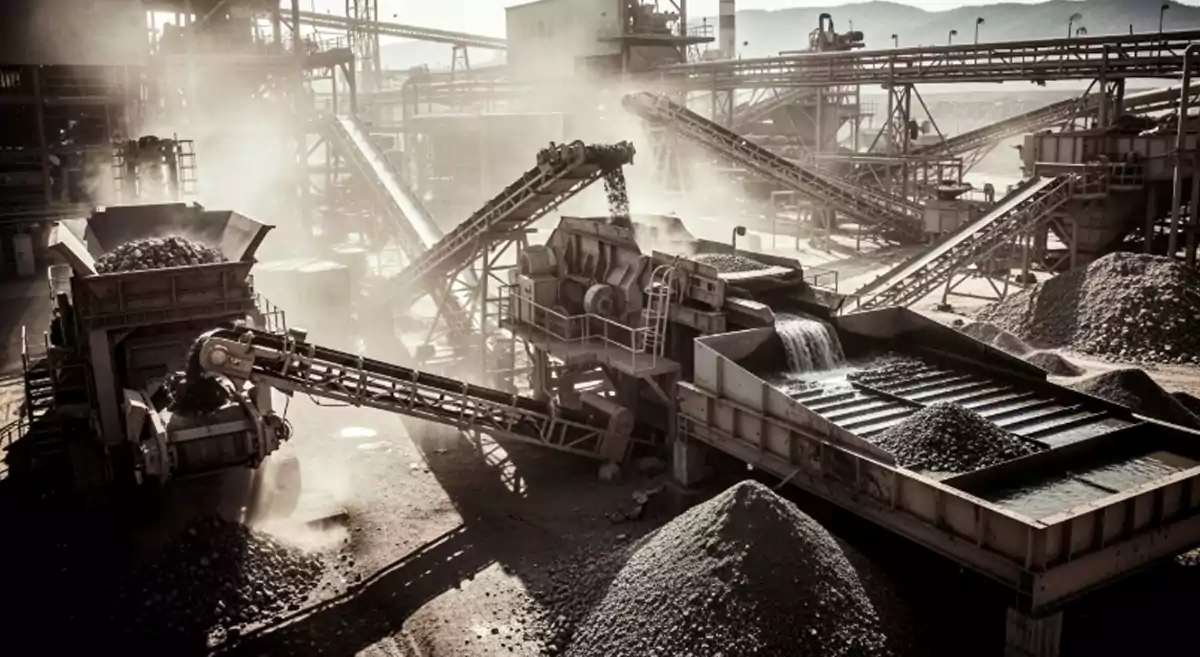
Tin processing works best when you pick the right equipment for your ore. This helps you get the most tin possible.
Key Takeaways
- Tin processing changes raw ore into tin you can use by crushing, screening, grinding, and gravity separation.
- Picking the right equipment for your ore type helps you get more tin and make less waste.
- Gravity separation methods like jigs and shaking tables work well to split tin minerals from lighter waste.
- Checking and fixing equipment often keeps it working well and keeps people safe in the plant.
- Knowing how alluvial and hard rock tin processing are different helps you choose better ways to work.
- Automation in mineral processing gives better control, uses less energy, and keeps workers safer.
- Testing your ore before you pick equipment can give you better results and save money over time.
- Making changes and improving the process all the time can help you get more tin and spend less on running costs.
Tin Ore Processing Overview
Tin Processing Flow
When you process tin ore, you follow simple steps. You start with raw rocks and end with tin concentrate. The goal is to get as much tin as you can. You also want the process to be easy and not cost too much. Here are the main steps and what they do:
| Step | Objective | Description |
|---|---|---|
| 1 | Pre-treatment | You crush and grind the ore so it is ready for the next steps. |
| 2 | Pre-concentration | You screen the ore and take out waste to make it better. |
| 3 | Core Separation | You use gravity to separate cassiterite from lighter waste. |
| 4 | Cleaning and Dewatering | You clean and dry the concentrate to get good tin. |
Each step helps you get closer to pure tin. Using the right equipment at each stage is important. This helps you get more tin and waste less ore.
Importance of Ore Type
Tin ores are not all the same. Some come from riverbeds and some come from deep underground rocks. The kind of ore changes how you process it. Alluvial ores often use simple gravity separation. Hard rock ores may need more advanced tin ore processing.
Here is a quick guide to common ways to process tin ore:
| Processing Method | Description |
|---|---|
| Gravity Separation | You use jigs, shaking tables, or spiral separators to sort tin by weight. This works well for most cassiterite ores. |
| Magnetic Separation | You remove iron oxides to make your tin concentrate cleaner. |
| Flotation | You use this for fine or sulfide-rich ores. It is not used as much but new technology makes it more helpful. |
You should always match your method to your ore type. This gives you better results and helps the environment.
Key Tin Ore Processing Equipment
You need good machines for each step. Here are some important machines and what they do:
| Equipment Type | Function |
|---|---|
| Crushers and grinders | Break big rocks into small pieces so they are easier to process. |
| Gravity jigs | Separate heavy tin minerals from lighter waste. |
| Shaking tables | Use water and movement to sort tin by density. |
| Magnetic separators | Pull out iron and other magnetic materials. |
| Cyclones and hydro-classifiers | Sort particles by size using water and spinning force. |
| Ball mills and rod mills | Grind ore to the right size for further processing. |
Using advanced tin ore processing helps you get more tin and protect the environment. Good equipment saves energy and reduces waste. Machines that last longer and need less fixing help with sustainability.
Tip: Always check your ore type before picking machines. The right match gives you better tin and a cleaner product.
Crushing and Screening in Tin Processing
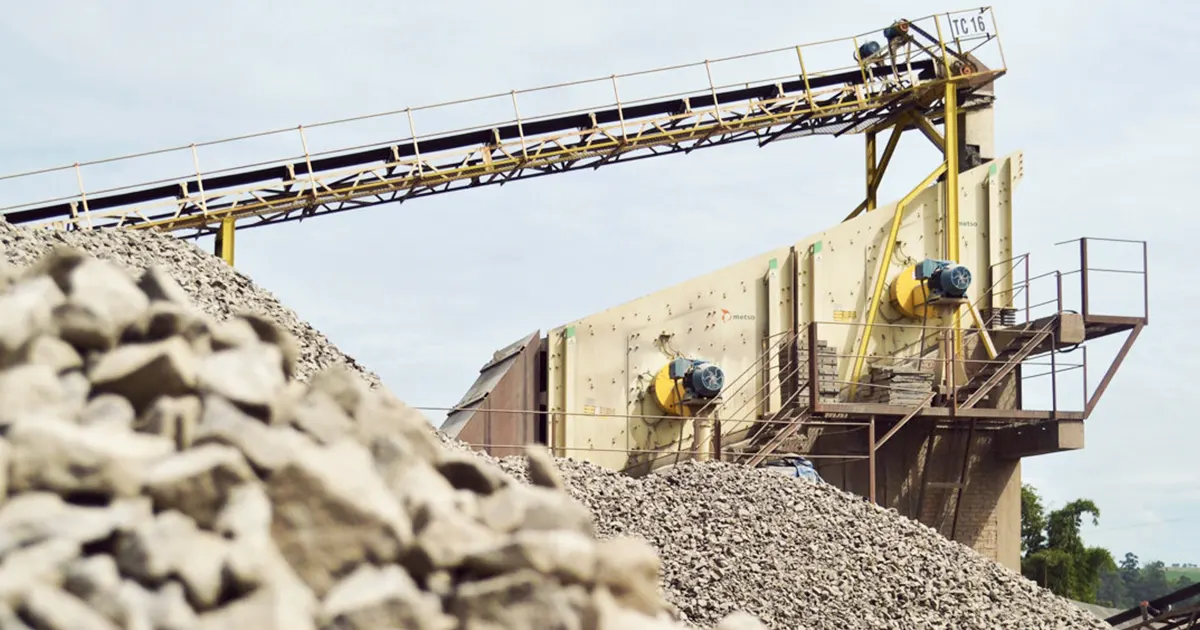
Crushing and screening are the first steps in tin processing. You break big rocks into smaller pieces. Then you sort these pieces by size. This gets the ore ready for grinding. You need to control the size of the ore. If there are too many tiny bits, you lose tin. You use a grind-select-regrind-select method. This helps remove cassiterite from waste. It stops too much slime from forming. You get more tin back and save energy.
Crushing Equipment for Tin Ore
You can pick from different crushing machines. Each one works best for certain ores. Here’s a quick look:
| Equipment Type | Advantages | Disadvantages |
|---|---|---|
| Jaw Crusher | Simple structure, reliable work, economical operating costs, diverse models | Liner wears easily, high needle flake content, requires feeding equipment |
| Gyratory Crusher | High productivity, large crushing ratio, can be directly fed | Complex structure, high cost, heavy machinery, inconvenient handling |
| Cone Crusher | High efficiency, low energy consumption, uniform product size | Complex structure, high maintenance cost |
| Vertical Shaft Impact | Shaping function, cubic product, widely used | Complicated maintenance, high cost |
Jaw Crushers
Jaw crushers are simple machines. They work well for most tin ores. They break rocks into smaller chunks. You need to check the liners often. Make sure you feed them the right way.
Cone Crushers
Cone crushers give you even-sized pieces. They use less energy. They are very efficient. You need to watch for high maintenance costs. They work best for steady product size.
Impact and Roll Crushers
Impact crushers shape the ore. They make cubic pieces. Roll crushers help with fine crushing. They also help with grinding. You use them to control ore shape and size.
Screening Equipment Types
Screening sorts ore by size. You keep valuable minerals and remove waste. Here’s how different screens work:
| Equipment Type | Function in Particle Size Distribution |
|---|---|
| Vibrating Screens | Separate gravel from valuable minerals, achieving precise control at multiple levels. |
| Rotary Trommels | Remove clay minerals and mud, enhancing the efficiency of the separation process. |
| Screen Layers | Typically include 2mm, 0.5mm, and 0.1mm to ensure effective separation of different particle sizes. |
Vibrating Screens
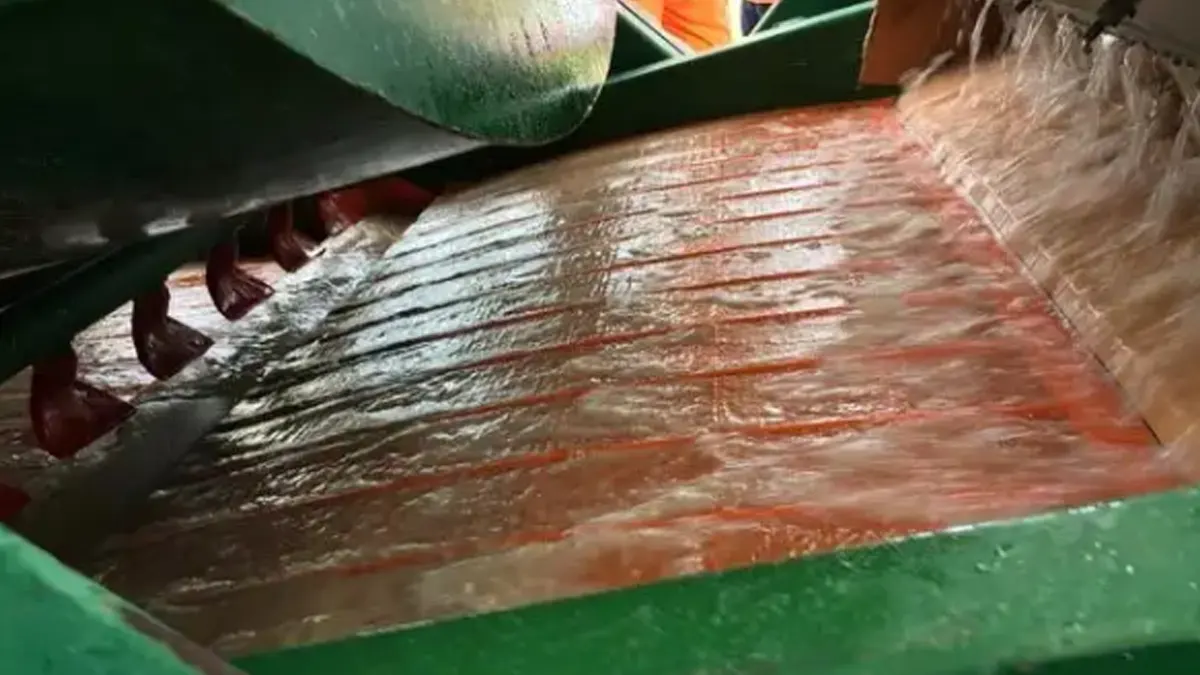
Vibrating screens sort ore quickly. They help control particle size. You can use several layers to catch different sizes.
Woven Wire Screens
Woven wire screens last a long time. They handle heavy loads. You use them for tough jobs in tin processing.
PU-Mesh and Self-Cleaning Screens
PU-mesh screens resist wear. Self-cleaning screens stop clogging. You use these for less downtime and smoother work.
Process Tips and Challenges
Want your plant to work better? Try these tips:
- Balance throughput, particle size, and capacity. This keeps things running smoothly.
- Pick the right crusher for your ore. Jaw, cone, or impact crushers work best for different rocks.
- Use modern machines with automation and durability. Variable-speed drives and automated controls help you save power.
- Improve classification precision. This cuts down on reprocessing and saves energy.
You face problems like liner wear, clogging, and uneven feed. You fix these by checking your machines often. Use screens that clean themselves. You get more tin and less waste.
Grinding and Classification
Role in Tin Ore Extraction
You need good grinding and classification to get more tin. These steps break the ore and sort it by size. Grinding makes it easier to separate tin from waste. If you skip or do this step badly, you lose tin. Classification makes sure only the right-sized pieces move forward. This helps you get more tin from each ton of rock.
Here’s why grinding and classification are important:
- Good classification separates tin from waste. This helps you get more tin.
- Feeding the right size into gravity separation or flotation gives better results.
- Better separation means you catch more tin. You have more tin to sell.
Grinding Mills and Ball Mills
You can pick from different grinding mills for tin ore. Rod mills work well for brittle tin ore. They help you avoid crushing too much. This is important if you use gravity or magnetic separation later. Ball mills are also popular. They grind ore into small pieces. This makes it easier to get tin out.
Let’s look at the main types:
| Parameter | Ball Mill | Rod Mill |
|---|---|---|
| Grinding Media | Steel balls | Steel rods |
| Fineness of Material | 0.074mm – 0.4mm | 0.833mm – 0.147mm |
| Usage | Fine grinding | Coarse grinding |
| Discharge Type | Overflow or grate type | Overflow type only |
| Speed | Higher than rod mill | Lower than ball mill |
When using a ball mill, remember these tips:
- Set the speed to about 75%–88% of the critical speed.
- Fill the drum with balls until it’s 40%–50% full.
- Use a mix of big, medium, and small balls in a 3:4:3 ratio.
- Keep the slurry density between 60% and 75% solids.
Classification Equipment
After grinding, you sort the particles by size. This is called classification. You can use gravity classifiers or hydrocyclones. Each has its own benefits.
| Classifier Type | Impact on Product Quality | Efficiency Benefits |
|---|---|---|
| Gravity Classifier | Makes concentrate better by sorting by density | Helps you get more tin and saves energy |
| Hydrocyclone | Separates small particles better | Lets you process more and lowers costs |
Using the right classifier frees up more tin from waste. This makes gravity separation and flotation work better. You lose less tin to tailings. Better classification means more money. You can buy better machines and help your team and community.
Tip: Always check your grinding and classification setup. Small changes can help you get more tin from your ore.
Process Optimization
You want your tin plant to work well and get lots of tin. Process optimization helps you do this. If you adjust grinding and classification, you get more tin. You also save energy and make less waste. Let’s see how you can make your plant better.
Start with the basics. Crushing and grinding break ore into small pieces. This gives tin minerals more surface area. More surface area helps tin separate from waste. You get better results with well-crushed and ground ore.
Now, check your classifiers. Picking the right classifier matters a lot. Think about ore size, moisture, plant size, and the environment. Here’s a table to help you choose:
| Factors Affecting Classifier Selection | Description |
|---|---|
| Ore Granularity | The size of the ore particles influences the choice of classifier. |
| Moisture Content | Affects the efficiency of classification processes. |
| Plant Capacity | Determines the scale of operations and classifier requirements. |
| Environmental Conditions | Influences the choice of classifiers, especially in dry environments. |
You can use more than one classifier for best results. Try vibrating screens first for sizing. Then use hydrocyclones for fine sorting. This helps you get tin from all sizes.
Here are easy steps to optimize your process:
- Change grinding mill speed and fill levels for your ore.
- Use different sizes of grinding media for better work.
- Watch slurry density and keep it in the best range.
- Check classifier settings often and adjust them.
- Combine classifiers to sort better and waste less.
You must control slime. Too much slime lowers tin recovery. Staged grinding and careful sorting help you manage slime and keep concentrate clean.
Let’s see the main stages in tin ore processing:
| Process Stage | Description |
|---|---|
| Crushing | Multi-stage using Jaw Crushers and Cone Crushers. |
| Grinding | Staged grinding using Rod Mills / Ball Mills with classification (Hydrocyclone/Spiral Classifier) – critical slime control. |
| Gravity Concentration | Multi-stage using jigs, spirals, tables, potentially enhanced gravity devices for fines. |
| Magnetic Separation | To remove Fe, W impurities. |
| Possible Tin Flotation | For slime recovery. |
Tip: Always watch your equipment and process settings. Small changes can help you get more tin.
Automation can help you control the process. Automated systems change mill speeds, classifier settings, and slurry density as needed. This keeps your plant working at its best.
If you optimize grinding and classification, you get more tin. You use less energy and make less waste. Try these ideas and see your recovery rates go up. Keep improving your process to stay ahead in the tin industry.
Gravity Separation in Tin Ore Processing
Gravity Separation Methods
Gravity separation is a very important step in tin ore processing. This method helps you separate tin minerals from lighter waste. It works because cassiterite is heavier than other materials. There are different gravity separation methods for different ore types and stages.
Here are the main gravity separation methods used in tin ore extraction:
- Jigging is best for coarse-grained tin ores. It works fast and can handle a lot of ore. Jigs pick out big tin pieces and remove waste rock.
- Shaking tables are good for fine-grained tin ores. They are very accurate and help you get high-quality tin concentrate.
- Spiral chutes are easy to use and work well with small tin grains. Spirals make the material smaller and give you rough concentrates.
- Centrifugal concentrators are great for fine-grained ores. They cost more but can catch tiny tin particles as small as 10–15 microns.
You often use more than one method in a tin ore plant. This lets you use the best parts of each method. You get the best mineral concentrate by matching equipment to your ore type.
Shaking Tables and Jigs
Shaking tables and jigs help you get more tin from your ore. Both are important for tin ore treatment. They help separate cassiterite from lighter rocks.
Here is how these machines work and what you get:
| Equipment Type | Operation Description | Recovery Rate |
|---|---|---|
| Jig | Material smaller than 5 mm goes in. Concentrate under 2mm moves to shaking table for more separation. | N/A |
| Shaking Table | Uses movement and water to sort particles by weight. This helps concentrate tin ore. | 85–92% |
Jigs work on the bigger pieces of tin ore. They use weight to separate cassiterite from waste. The concentrate from jigs goes to shaking tables. Shaking tables use water and movement to sort tin by weight. You can get 85% to 92% recovery rates. This means you get more tin and better concentrate.
Tip: Use jigs first and shaking tables next. This helps you get the most tin from your ore.
Spiral and Centrifugal Separators
Spiral and centrifugal separators help with fine tin ore. Spirals use gravity to separate tin. As the slurry moves down the spiral, heavy tin goes inward and down. Lighter stuff moves outward. Spirals save energy and are good for roughing.
Centrifugal concentrators spin the slurry very fast. This makes fine tin settle quickly. You can catch tin as small as 10–15 microns. This is good for old tailings or when you want to catch all the tin.
Here is a table with the pros and cons of these separators:
| Separator Type | Advantages | Limitations |
|---|---|---|
| Spiral Separator | Handles a lot of ore, uses no power, and saves space. | Not good for tin smaller than 37 microns because of water resistance. |
| Centrifugal Separator | Makes strong gravity for fine tin. Pays off fast for fine ore. | Costs more at first, but works well for tiny tin in old tailings. |
Using spirals and centrifugal concentrators together works well. Spirals are good for roughing. Centrifugal concentrators finish the job for fine tin. You get better results and cleaner concentrate.
Note: Always check your ore size before picking equipment. Spirals are good for roughing. Centrifugal concentrators are needed for the smallest tin.
Gravity separation methods like shaking tables, jigs, spirals, and centrifugal concentrators all help in tin ore processing. Each machine helps you concentrate and recover tin. If you match your equipment to your ore, you get more tin and less waste. This is how you get the best recovery rates and high-grade tin concentrate.
Equipment Selection for Tin Ore
You want to pick the best equipment for your tin ore. The right choice helps you get more tin and waste less ore. You need to look at the ore itself and how the machines work. Let’s break it down.
First, check the properties of your ore. Cassiterite is heavy and works well with gravity separation. If your ore has big cassiterite grains, you can use jigs or spirals. If the tin is mixed with other minerals or is very fine, you need special machines.
Here’s a table to help you see what matters when picking equipment:
| Factor | Description |
|---|---|
| Ore Properties | Look at size, density, shape, and what other minerals are mixed in. |
| Equipment Parameters | Think about the type, size, and how the machine runs. |
| Medium Properties | Check the density, thickness, and speed of water or other separation fluids. |
| Operating Conditions | Watch feed rate, concentration, and how much water you use. |
You should also remember these points:
- Cassiterite is dense. Jigs and spirals work well if you have big cassiterite grains.
- If your tin ore has stannite or teallite, you may need other methods.
- The shape and size of the tin grains change how you set up your machines.
- Machines like shaking tables and centrifugal concentrators help with fine tin particles.
Tip: Always test your ore before you pick your equipment. You can save money and get more tin if you match your machines to your ore.
Maximizing Tin Recovery
You want to get as much tin as possible from your ore. You can use several techniques to boost your recovery rates. Each step helps you catch more tin and make your concentrate cleaner.
Let’s look at some key techniques:
| Technique | Description |
|---|---|
| Screening | Sorts ore by size before you start separating tin. |
| Jigging | Uses weight differences to pull out tin from waste. |
| Rod Mill | Grinds ore so you can catch smaller tin grains. |
| Dehydration | Removes water from your concentrate to make it easier to handle. |
| Flotation | Helps with fine tin ore and boosts recovery rates. |
| Magnetic Separation | Pulls out iron minerals so your tin concentrate is purer. |
You can use these steps together. Start with screening to sort your ore. Use jigging for big tin grains. Grind the ore with a rod mill to free up smaller tin. Dehydrate your concentrate so it’s easier to handle. Try flotation if you have fine tin ore. Use magnetic separation to clean up your concentrate.
Here are some tips to help you get the best results:
- Adjust your machines often. Small changes can help you catch more tin.
- Watch your water flow and feed rate. Too much water can wash away tin.
- Use the right screen size. This keeps valuable tin from slipping through.
- Combine different machines. You can use jigs, shaking tables, spirals, and centrifugal concentrators for better recovery.
Note: You can reach recovery rates of 85%–92% if you use the right equipment and keep your process in check.
If you keep testing and improving your setup, you’ll get more tin and less waste. You can make your plant more efficient and help your team succeed.
Alluvial vs. Hard Rock Tin Ore Processing
Alluvial Tin Processing Equipment
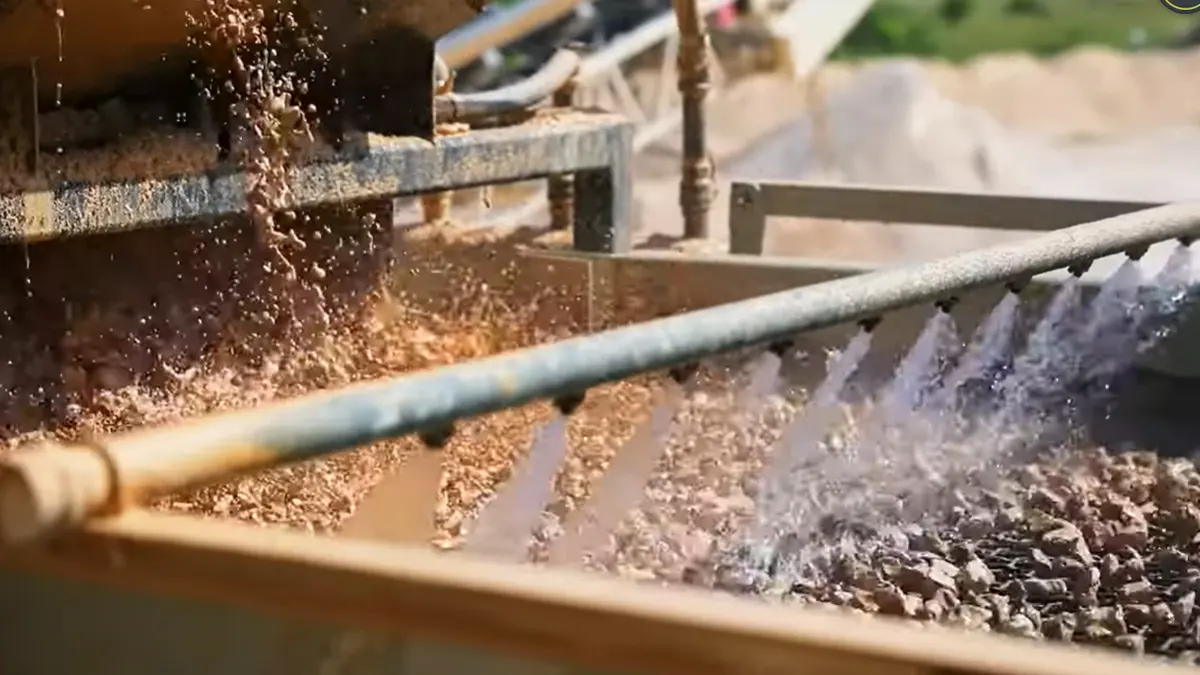
Alluvial tin is found in riverbeds, beaches, or old terraces. This ore is loose and easy to dig up. You use big machines or dredges to scoop it out. After collecting the ore, you wash it with trommel screens and log washers. Washing removes clay and separates sand from gravel.
Gravity separation works well for alluvial tin. Cassiterite is heavy, so gravity helps you sort it. Vibrating screens sort the ore by size. Spiral classifiers separate tin from waste by density. Shaking tables and spiral chutes catch tin using gravity. Jig concentrators use water pulses to pull out heavier tin pieces.
Here’s a quick look at the main equipment:
| Equipment Type | Function |
|---|---|
| Vibrating Screens | Sort minerals and waste by size and density. |
| Spiral Classifiers | Classify ore for better separation. |
| Shaking Tables | Separate tin from ore using gravity. |
| Spiral Chutes | Use gravity to pull tin minerals from waste. |
| Jig Concentrators | Use water pulses to catch heavy tin particles. |
Gravity separation and flotation help you get pure tin. You end up with a high-quality concentrate ready for dehydration.
Hard Rock Tin Processing Equipment
Hard rock tin ore is inside granite or quartz veins. You must crush and grind the rock to free cassiterite. Jaw crushers and cone crushers break the ore into smaller pieces. Ball mills grind the ore even finer.
After grinding, gravity separation is used. Jig separators and spiral concentrators catch tin by density. Sometimes, flotation cells separate tin from sulfides. Dry magnetic separators remove iron and other magnetic impurities.
Here’s a table showing the main equipment and some challenges:
| Equipment Type | Function | Operational Challenges |
|---|---|---|
| Jig Separator | Gravity separation by density | High energy consumption |
| Spiral Concentrator | Centrifugal separation | Noisy operation, needs sound insulation |
| Flotation Cell | Chemical-based separation | Wear and tear on liners and grinding media |
| Ore Ball Mill | Size reduction and mineral liberation | N/A |
| Dry Magnetic Separator | Removes magnetic impurities | N/A |
Hard rock tin processing has more challenges. Machines use more energy. Some equipment is noisy. You need to check liners and grinding media often.
Process Flow Differences
There are big differences between alluvial and hard rock tin processing. Alluvial ore is loose and easy to wash. Simple gravity circuits are used. Processing is fast and efficient. Hard rock ore needs crushing, grinding, and extra steps. The process is more complex and less efficient.
Let’s compare the two:
| Aspect | Alluvial (Placer) Tin | Lode (Hard Rock) Tin |
|---|---|---|
| Characteristics | Loose sand and gravel, easy to liberate tin. | Solid rock, tin mixed with other minerals. |
| Flowsheet Complexity | Simple washing and gravity separation. | Complex, needs crushing, grinding, and more. |
| Excavation Method | Dredging and earth-moving machines. | Multi-stage crushing and grinding. |
| Gravity Concentration | Jigs, spirals, shaking tables. | Jigs, spirals, tables, enhanced devices. |
| Additional Processes | None. | Flotation and magnetic separation. |
Alluvial tin processing is efficient because the ore is easy to handle. Hard rock tin takes more work and energy. You need more steps to get the same result.
Equipment choice and process flow are important. If you match your methods to the ore type, you get more tin and waste less material. This helps your plant run better and boosts recovery rates.
Mineral Processing Integration and Efficiency
Process Flow Design
You want your plant to work well and get lots of tin. Process flow design links each step, like crushing and gravity separation. If you plan your steps carefully, you save time and money. You also make your plant safer and help the environment.
Here’s a table with best ways to design a mineral processing flow:
| Best Practice | Description |
|---|---|
| Sustainability | Use safe methods to protect nature. |
| Automation | Use smart machines to get more tin. |
| Equipment Selection | Pick good machines to work better. |
| Tailings Control | Handle waste well to keep things safe. |
Always try to make separation work better. Better efficiency means you get more tin and waste less. It also saves money. If you plan for sustainability, you help both the earth and your business.
Tip: Begin with a clear plan. Draw out each step and pick machines that fit your ore and goals.
Material Handling
Material handling means moving ore and waste from one step to another. If you do this well, your plant stays safe and works better.
Bad handling of tin tailings can cause pollution and health problems. Workers near tailings can get sick over time. You need good rules and safe ways to protect your team and nature. Careful handling lowers risks and keeps your plant running.
Here are some ways to handle materials better:
- Use conveyors and chutes to move ore safely.
- Keep tailings in safe storage spots.
- Teach your team to handle materials carefully.
- Check for leaks and spills often.
Note: Good material handling keeps your plant safe and helps you avoid accidents.
Automation and Control
Automation and control make mineral processing easier and faster. You can use smart machines and sensors to watch each step. Automated trucks and remote control tools move ore without putting workers in danger. Teleoperated mining uses cameras and sensors to check machines and boost efficiency.
Gravity separation is important in mineral processing. You must control particle size, slurry thickness, and ore types. High-efficiency thickeners help manage pulp thickness. New technology lets you handle tiny particles and different ores.
Here’s a list of automation tools you can use:
- Trucks that drive themselves with smart systems.
- Remote control machines for safer work.
- Mining with cameras and sensors to watch machines.
Automation saves energy and uses fewer chemicals. It works well for big and medium particles. If you use hybrid systems, you can handle tricky ores and tiny tin.
Callout: Automation helps you get more tin, keeps your team safe, and makes mineral processing work better.
Maintenance and Safety
You want your mineral processing plant to work well and stay safe. Good maintenance and strong safety habits help you stop breakdowns. They keep everyone safe. If you care for your equipment and your team, you get better results. You also have fewer surprises.
Let’s look at the main rules you should follow:
| Protocol Type | Description |
|---|---|
| Personnel Training | Systematic training covering equipment principles, operating procedures, troubleshooting, and safety. |
| Equipment Maintenance | Preventive maintenance schedule with regular inspections and timely replacement of wear parts. |
| Safety Management | Comprehensive safety protocols including drills, Lockout/Tagout procedures, and PPE usage. |
| Environmental Monitoring | Continuous monitoring of air quality, wastewater discharge, and tailings dam integrity. |
You need to train your team so they know how machines work. Training helps everyone spot problems early. They can fix issues before they get worse. If you check your equipment often, you find worn parts before they break. This keeps your plant running and saves money.
Safety is just as important as maintenance. Always follow safety rules. Make sure everyone knows what to do in an emergency. Lockout/Tagout stops machines from starting by accident. Safety drills help your team react fast if something goes wrong. You also need to check air and water around your plant. Good environmental monitoring keeps your site safe for workers and neighbors.
Personal protective equipment (PPE) is very important. Here are some items you should always use:
- Hard hats protect your head from falling rocks.
- Gloves keep your hands safe from cuts and chemicals.
- Steel-toed boots shield your feet from heavy objects.
- Safety glasses or goggles guard your eyes from dust.
- Earplugs or earmuffs protect your hearing from loud machines.
- Respirators help you breathe clean air when there is dust or gas.
- Full-body suits keep your skin safe from chemical spills.
If you use the right PPE and follow safety rules, you lower accident risks. You also make your plant a safer place to work.
Always keep records of maintenance and safety checks. These records help you spot patterns and plan repairs. If you see the same problem again and again, you can fix it for good.
A safe and well-maintained plant gives you better tin recovery and happier workers. When you focus on both safety and maintenance, you build a strong foundation for success.
Tin Ore Processing Equipment Selection Guide
Selection Factors
Picking the right tin ore processing equipment helps your plant work better. You need to think about a few important things before you choose. Here are some points to consider:
- Ore Composition & Mineralogy: Look at what minerals are in your ore. Cassiterite is best for gravity separation. If your ore has other minerals, you might need extra steps.
- Production Scale & Capacity: Small plants use smaller machines. Big mines need machines that can handle lots of ore.
- Separation Method: Gravity methods are good for coarse ores. Flotation works better for fine or tricky ores.
- Budget & Cost Efficiency: Try to spend wisely and get more tin. Think about buying and running costs.
If you match your equipment to your ore and goals, you get better results and waste less.
Comparing Equipment
There are many types of tin ore processing equipment. Each machine has its own strengths. Let’s see how they compare:
| Machine Type | Best For | Efficiency Range | Environmental Impact | Recommended Use Case |
|---|---|---|---|---|
| Jig Separator | High-density ores | 85–92% | Low | Medium to large mining operations |
| Shaking Table | Fine particle recovery | 90–95% | Low | Small-scale and refining operations |
| Sluice Box | Alluvial deposits | 70–80% | Very Low | Artisanal and small farmers |
| Magnetic Separator | Iron-tin mixtures | 80–88% | Low | Pre-concentration and purification |
| Flotation Cell | Fine-grained complex ores | 75–85% | Moderate | Industrial refining plants |
Shaking tables and jig separators help you get lots of tin back. Sluice boxes are simple and good for small jobs. Flotation cells are best for complex ores but use more chemicals.
Tip: Always test your ore with different machines. This helps you find the best one for your needs.
Cost and Performance
You want to get the most tin for your money. Some machines cost more but give better results. Others are cheaper but may not catch as much tin. Here’s a quick look at how common equipment compares:
| Equipment Type | Best For | Recovery Rate | Capital Cost | Operational Complexity |
|---|---|---|---|---|
| Jig Separator | Coarse, free-milling tin ores | 70–85% | Low | Low |
| Spiral Concentrator | Medium-fine gravity separation | 65–80% | Low–Medium | Low |
| Shaking Table | Final cleaning, high-grade tin | 80–90% | Medium | Medium |
| Froth Flotation Cell | Fine, complex ores | 85–95% | High | High |
| Ball Mill + Classifier | Ore grinding and sizing | N/A | High | High |
Jig separators and spiral concentrators are cheaper and easy to use. Shaking tables cost more but give cleaner tin. Flotation cells and ball mills are expensive and need skilled workers, but they help with tough ores.
Note: Think about both the price and how much tin you can recover. Sometimes, spending more on good mineral processing equipment pays off later.
Conclusion
You want your tin plant to work well and get lots of tin. A good process flow makes things easier. Try these best ideas:
- Choose equipment that fits your ore type.
- Check your setup often and make it better.
- Use helpful tips to get more tin.
Change your methods when your ore changes. You get better results if you keep improving.
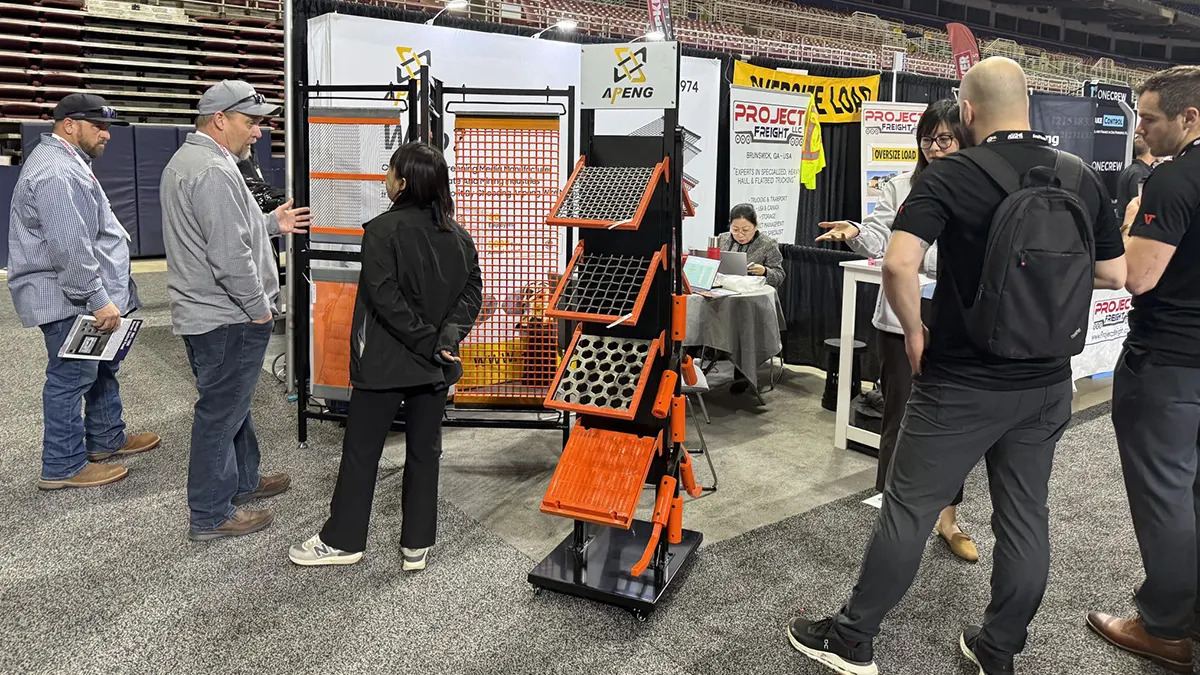
Anpeng Wire Mesh Filter Equipment Co., Ltd. makes strong screening tools like Woven Wire Screens, Self-Cleaning Screens, and PU-Mesh Screens. These tools work well for mining, concrete, recycling, and aggregates.
FAQ
What is tin ore processing?
Tin ore processing means you turn raw tin rocks into usable tin. You crush, screen, grind, and separate the tin from waste. You use machines like crushers, screens, and gravity separators.
Why do you need to crush and screen tin ore?
You crush and screen tin ore to break big rocks into smaller pieces. This helps you sort the ore by size. Smaller pieces make it easier to get tin out later.
Which equipment works best for tin ore?
You can use jaw crushers, vibrating screens, jigs, shaking tables, and spiral separators. The best machine depends on your ore type and how much tin you want to recover.
How does gravity separation help you get tin?
Gravity separation uses the weight of tin minerals to pull them away from lighter waste. You use jigs, shaking tables, or spirals. This method works well for most tin ores.
Can you process alluvial and hard rock tin the same way?
No, you use different methods. Alluvial tin needs washing and simple gravity separation. Hard rock tin needs crushing, grinding, and extra steps like flotation or magnetic separation.
How do you keep your tin processing plant safe?
You train your team, check machines often, and use safety gear like gloves and hard hats. You follow safety rules and keep records of maintenance and checks.
What should you look for when picking a supplier?
You want a supplier with good reviews, strong support, and reliable machines. Ask for references and check if they help with installation and spare parts.
How can you improve tin recovery rates?
You test your ore, adjust your machines, and combine different separation methods. You watch water flow and feed rates. Small changes can help you catch more tin.