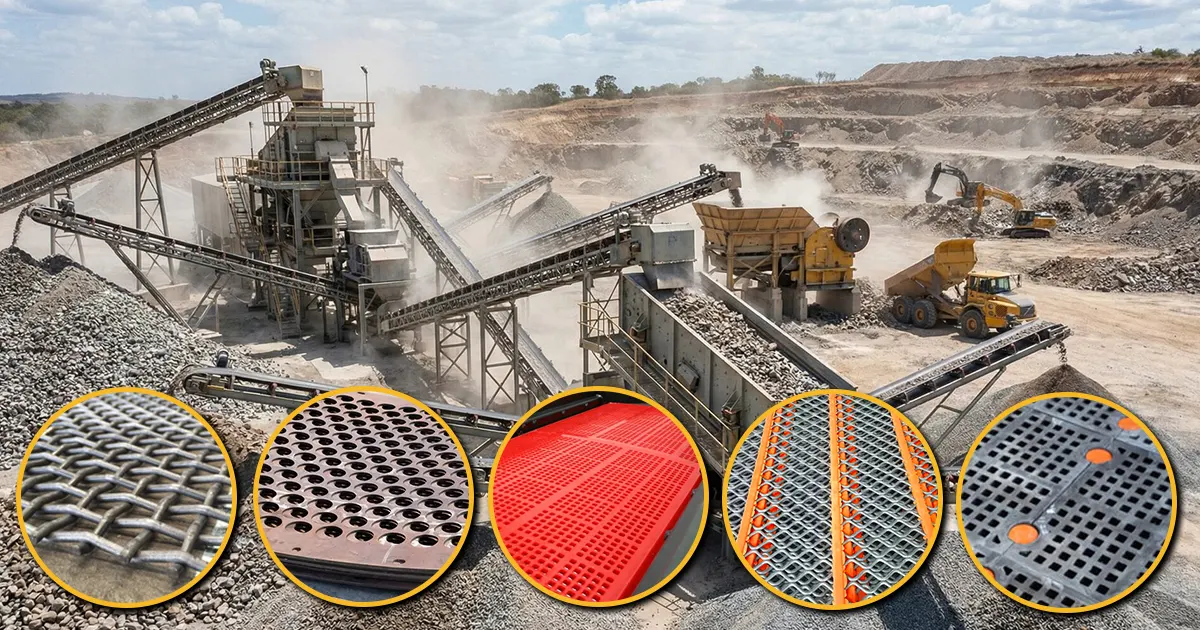
Quarry screening is hard work. Choosing the right screening media helps your site work well. If you pick the wrong media, you may pay more for repairs. You may also have more stops and less work done. Look at this simple table:
| Impact Factor | Description |
|---|---|
| Maintenance Costs | Wrong media breaks fast. You must change it often and spend more money. |
| Downtime | Broken screens make your site stop. You lose time and work. |
| Screening Efficiency | Good media sorts material well. It keeps contamination low. |
Key Takeaways
- Picking the right screening media saves money and time. This helps your work run better.
- You need to know if your material is hard or wet. This helps you pick the best screen media.
- Set clear goals for how you want to separate materials. Think about how much you want to process and the size you need. This helps your screens work well.
- Change your setup if you need to. You can change bed depth or deck angle. This helps materials move better and faster.
- There are different types of screen media. Woven wire mesh and polyurethane panels are two types. Each type has good and bad points. Pick the one that fits your job best.
- Check your screens often and keep them clean. This stops problems like clogging and blinding. These problems can slow down your work.
- Think about both the first cost and future costs. This helps you avoid surprise bills later.
- Order your screen media early. This helps your quarry work without delays.
Assess Your Material for Quarry Screening
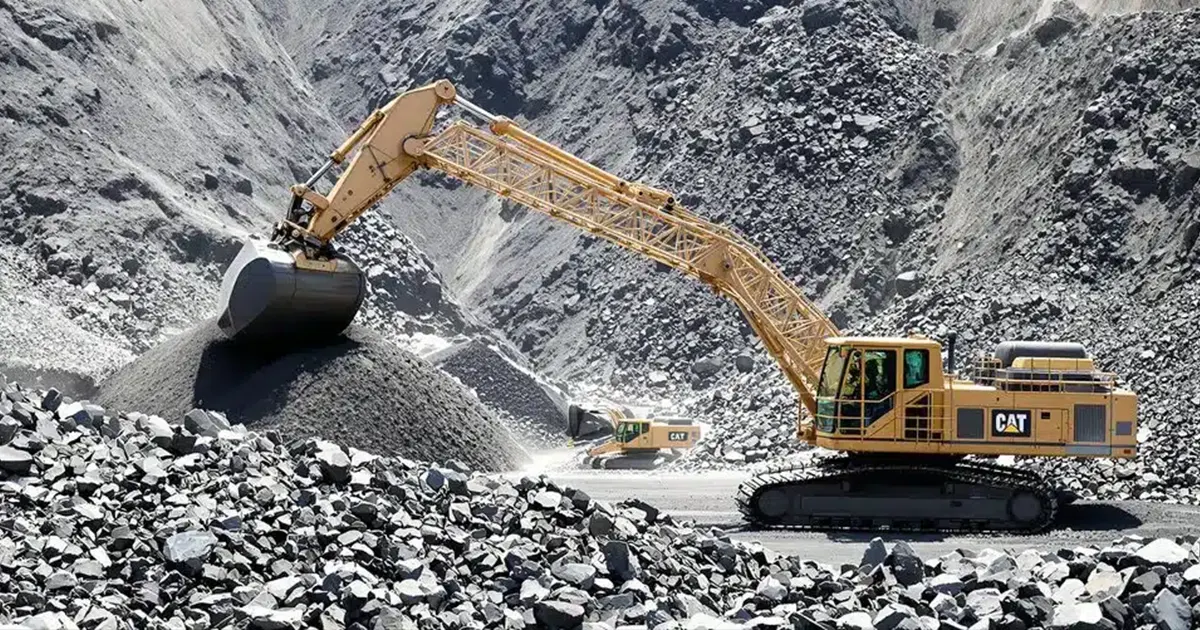
You should learn about your material before picking screen media. Each quarry has its own mix of rocks, sand, and fines. These differences are important for quarry screening. If you know your material, you can pick the best screen and stop problems later.
Material Properties
Hardness and Abrasiveness
First, check if your material is hard or rough. Hard rocks like granite or basalt can wear out screens quickly. Softer materials, like limestone, do not damage equipment as much. Abrasive materials can scratch and harm screens, so you need strong screens. For example, at NCC Roads’ Nyrand Grusgrav, they used polyurethane media. It lasted longer and stopped blinding. This change made their screening better and reduced fines. When you know how hard and abrasive your material is, you can choose a screen that works well.
- Abrasiveness helps you pick the right screen type and surface.
- Strong screens and anti-blinding features make screens last longer.
Particle Size and Shape
Now, look at the size and shape of your particles. Big rocks need different screens than small sand or gravel. If your material has many sizes, you may need a special setup. The right screen opening lets you separate what you want and keeps your product clean. If you use the wrong size, you might get too much waste or not enough good product.
- Particle size is important for choosing the right screen.
- Odd-shaped particles can get stuck, so think about screen shape too.
Moisture and Screening Conditions
Wet vs. Dry Screening
Moisture can change everything. Dry material moves easily on normal vibrating screens. But wet or sticky material can be hard to screen. High moisture, sometimes up to 80 percent, can clog screens and slow you down. You might need wet screening solutions, like water spray systems or trommel screens, to keep things moving. Wet screening solutions break up clumps and wash away fines. If you skip this step, you might have more downtime and bad results.
- Dry materials work well with regular screens.
- Wet and sticky materials need wet screening solutions to stop clogging.
Tip: Always check your material’s moisture before you start. The right setup saves time and money.
If you know your material’s properties and moisture, you can do better at quarry screening. This step helps you pick the right screen and keeps your site running well.
Define Screening Requirements
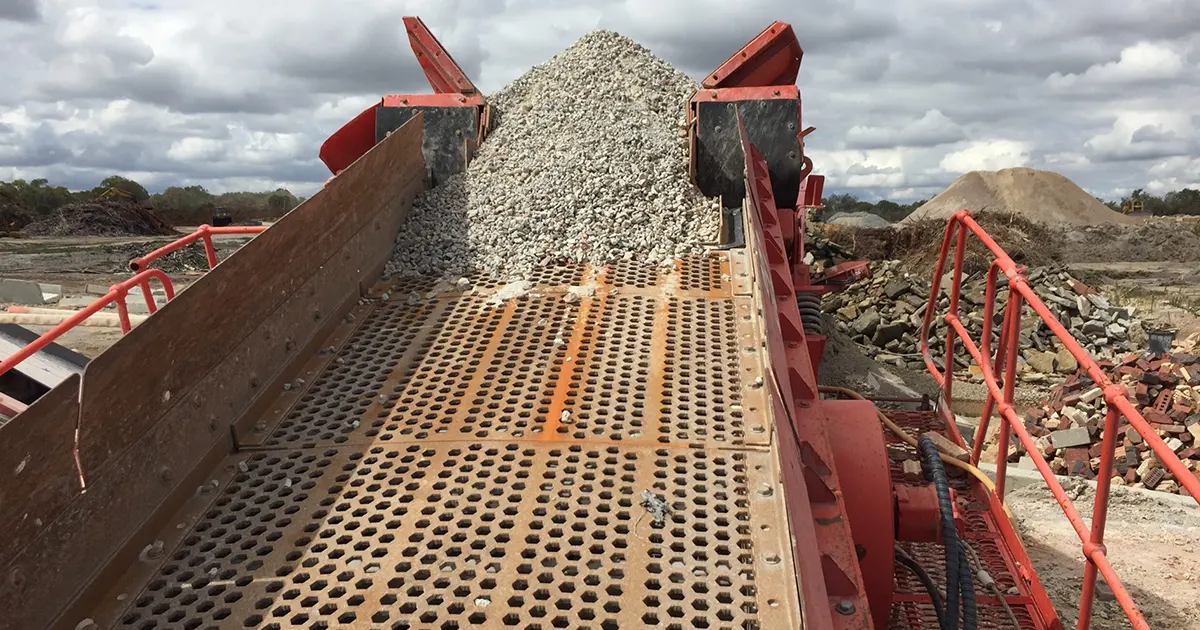
You want your quarry screening process to run smoothly. Before you pick your screen media, you need to set clear goals. These goals help you get the right results and avoid problems later. Let’s break down what you should look for.
Separation Accuracy
Separation accuracy means you get the right material size every time. If you want clean products, you need screens that sort material well. You should ask yourself: Do you need to remove fines? Are you looking for a certain size of stone? When you know your accuracy needs, you can choose screens that fit your job.
- High accuracy keeps your products clean.
- Low accuracy can lead to waste and extra work.
- You can adjust your screen openings to match your accuracy goals.
Tip: If you notice too much contamination in your product, check your screen openings and make sure they match your target size.
Capacity and Throughput
Capacity and throughput show how much material your screens can handle. You want to avoid bottlenecks and keep your operation moving. The industry has some common standards for capacity:
- Quarry screens usually handle between 5 tons and over 100 tons per hour.
- Screen size, deck setup, vibration strength, and material type all affect capacity.
- High-capacity screens help big sites work faster and avoid slowdowns.
If you run a large operation, you need screens that can keep up. Smaller sites may not need as much capacity, but you still want steady flow. Always check your equipment specs and match them to your site’s needs.
Product Size Goals
Product size goals help you decide which screen media to use. You want to get the right size for your customers or next process. Different mesh sizes work for different jobs. Here’s a quick guide:
| Mesh Size | Description | Application |
|---|---|---|
| Coarse Mesh (1–4) | Ideal for separating large rocks and gravel | Primary screening stages |
| Medium Mesh (6–12) | Suitable for crushed stone and aggregate classification | Classification of aggregates |
| Fine Mesh (16–100+) | Used for sand, silt, or fine aggregates requiring precise grading | Precise grading of fine materials |
If you need big rocks, use coarse mesh. For sand or fine materials, pick fine mesh. The right mesh size helps you reach your product goals and keeps your screening efficient.
You can improve your quarry screening results by setting clear requirements. Think about accuracy, capacity, and product size. When you know what you need, you can choose the best screen media for your site.
Screening Stages and Deck Setup
Primary, Secondary, Final Screening
You need to know how your screening process works from start to finish. Most quarries use three main stages. First, you have primary screening. This stage removes the biggest rocks and debris. Next comes secondary screening. Here, you sort medium-sized material and catch anything that slipped through the first stage. Last, you reach final screening. This step gives you the clean product your customers want.
Each stage uses a different vibrating screen setup. You might use coarse mesh for primary screening and finer mesh for the final stage. If you set up your decks right, you get better results and less waste. You can also change deck setups if your material changes. That way, you stay flexible and keep your operation running smoothly.
Tip: Check your deck setup often. If you see too much waste or contamination, you may need to adjust your screens.
Bed Depth and Deck Inclination
You want your material to move across the screen in the best way possible. Bed depth is important. If you pile too much material on the screen, you block the openings. That slows down the separation process. If you keep the bed depth just right, smaller pieces can settle and pass through the screen easily.
Deck inclination matters, too. When you tilt the deck, material travels faster. This can make your screening more efficient. But if you tilt it too much, fines may roll over the screen instead of dropping through. You need to find the right balance. Adjust the angle and watch how your material moves. If you see buildup or slow flow, try changing the deck angle.
Maintaining the correct bed depth helps you avoid material buildup. An optimal bed depth lets undersize materials stratify before discharge. Adjusting the deck’s angle can boost material travel speed and improve screening efficiency. Too much incline, though, may cause fines to roll over the media instead of passing through.
Screen Motion Types
You have several choices for how your vibrating screen moves. Each motion type affects how well your screen works. Here’s a quick table to help you compare:
| Type of Motion | Characteristics | Effects on Media Performance |
|---|---|---|
| Circle throw | Lower-energy motion, uses gravity, resistant to plugging, prone to blinding. | Can lead to blinding due to lower stroke. |
| Straight line (reciprocating) | More efficient and accurate, used in horizontal screens. | Can cause plugging issues. |
| Oval stroke (elliptical) | Highest efficiency and accuracy, common in horizontal mounting. | High resistance to pegging and blinding, loosens fines. |
If you want less blinding, oval stroke screens work well. For simple jobs, circle throw screens are easy to use. Straight line screens give you good accuracy but may plug up. You should pick the motion type that fits your material and your screening goals.
Note: Try different screen motions if you have trouble with blinding or plugging. Sometimes a small change makes a big difference.
You can improve your screening results by understanding each stage, setting the right deck, and choosing the best vibrating screen motion. Keep checking your setup and make changes when needed. That way, you get clean products and keep your site running strong.
Compare the Right Type of Screen Media
When you pick screen media, you should know how each one works. Different types of aggregate screen media are good for different jobs. Let’s look at the main choices so you can find what fits your vibrating screen.
Woven Wire Mesh
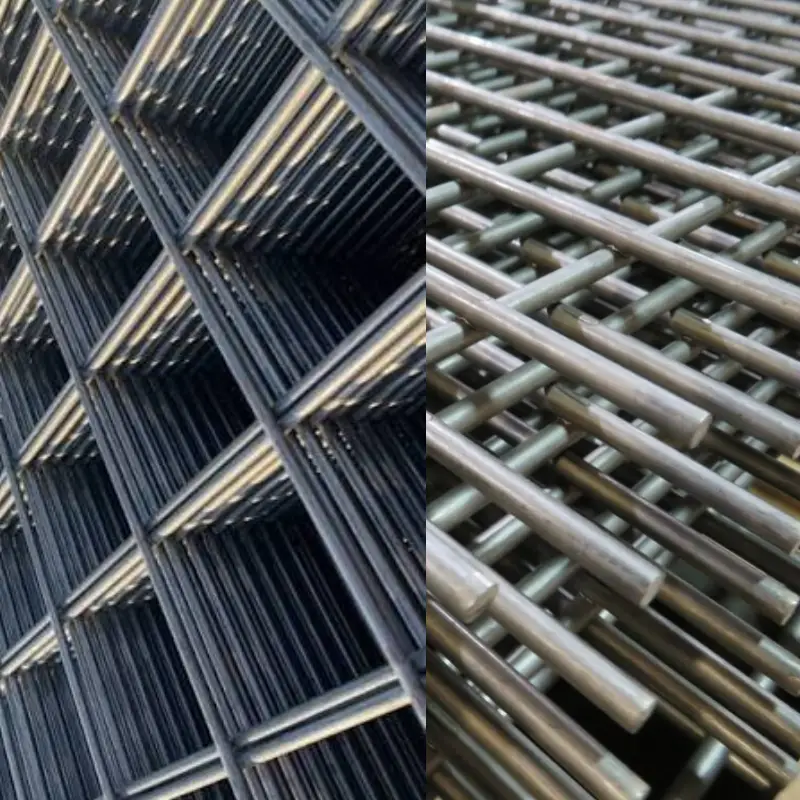
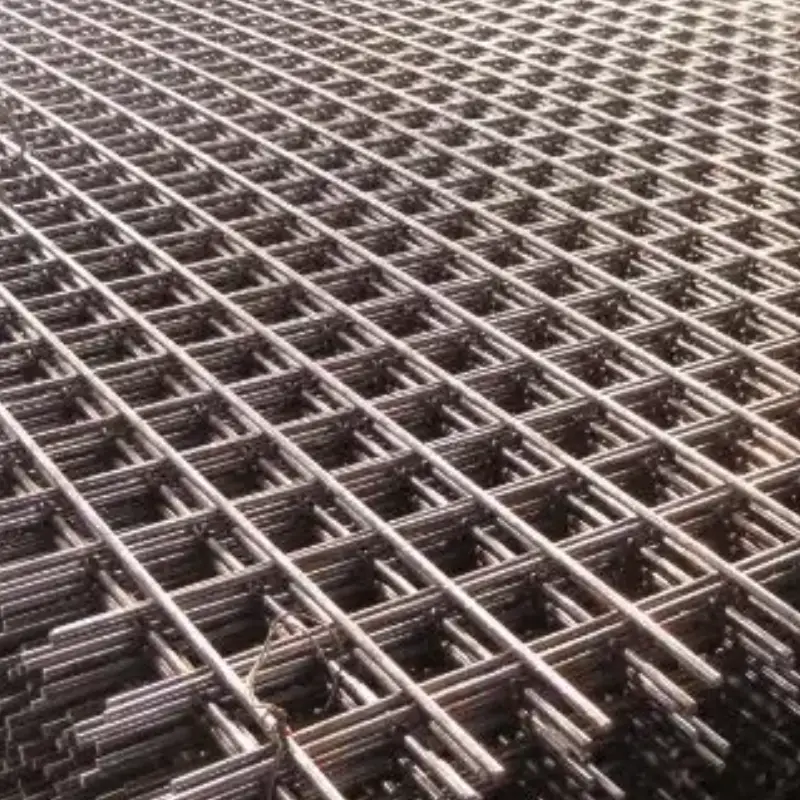
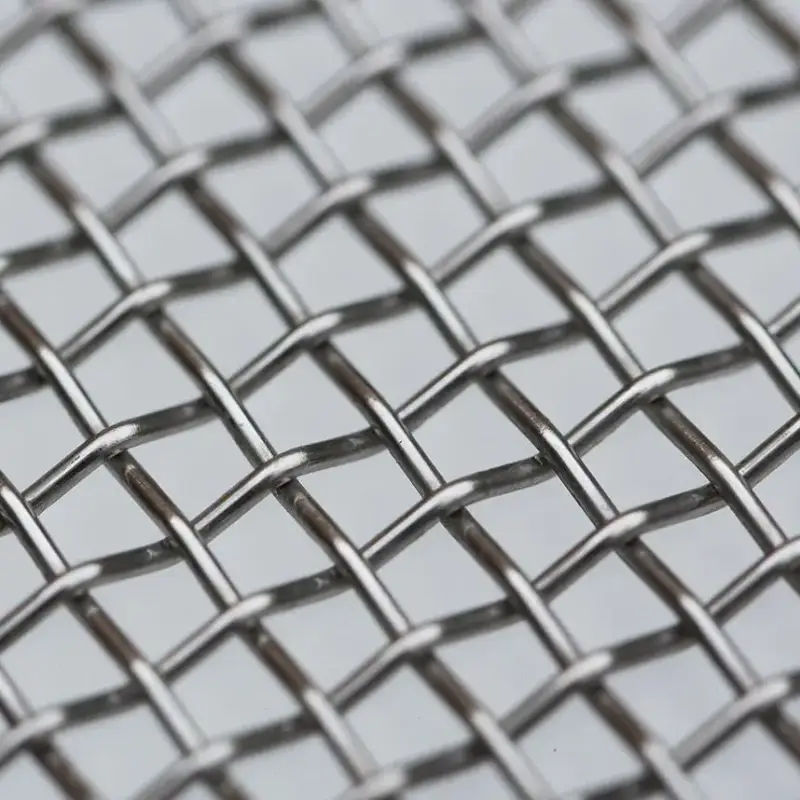
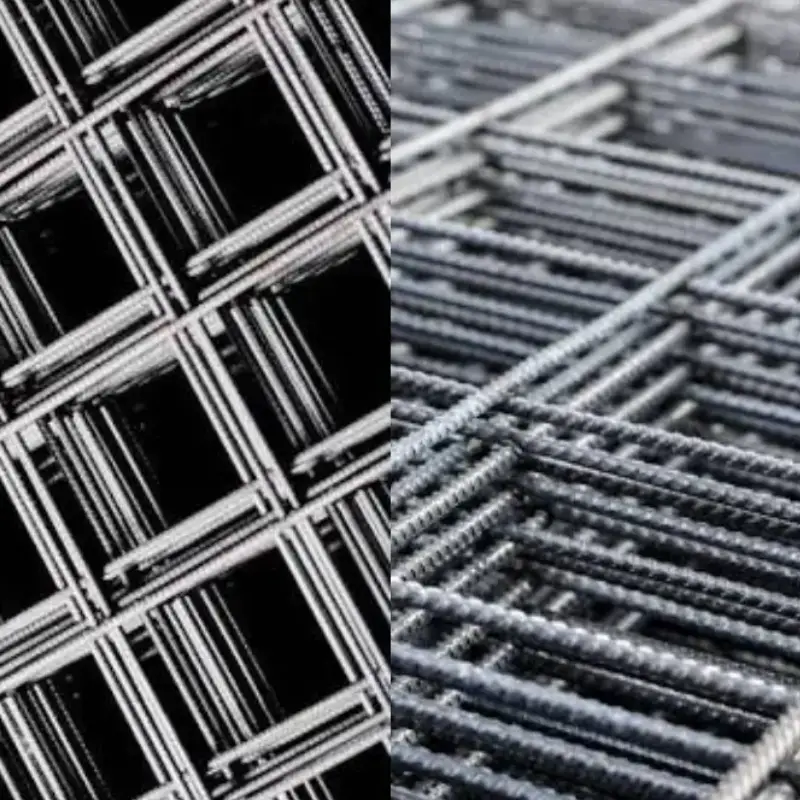
Woven wire mesh is a common choice for screening. Many quarries use it because it works with lots of materials. If you want sharp cuts and the right size, this media gives you control. You can use it for both small and large pieces.
Pros and Cons
Here’s a simple table to show the good and bad sides:
| Advantages | Disadvantages |
|---|---|
| High strength and flexibility | Gets blocked with sticky or wet materials |
| Precise opening control for accurate sizing | Wires can stretch or break with heavy loads |
| Available in fine to coarse apertures (0.5mm – 100mm) | Wears out faster with rough materials |
| Cost-effective for general-purpose screening | |
| Resistant to high temperatures and corrosion |
Woven wire mesh lets material move through fast. You can put it in and take it out easily. It gives you good accuracy for sharp cuts. But it does not last long in tough jobs. Sticky or tiny pieces can block the mesh and slow down your work. If you use heavy loads, wires might stretch or break. You need to check your mesh often to keep your vibrating screen working well.
| Feature | Benefit/Challenge |
|---|---|
| Open Area | Lets material move through fast |
| Installation | Easy to put in and take out |
| Wear Life | Wears out faster in tough jobs |
| Blinding | Can block fast with sticky or tiny pieces |
| Precision | Gives good accuracy for sharp cuts |
Tip: If you screen sticky material, try another media to stop blocking.
Polyurethane Panels
Polyurethane panels are popular for new screening jobs. You see them in power plants, cement plants, and mining sites. These panels work well when things are wet and help your vibrating screen do hard jobs.
Pros and Cons
Polyurethane panels have many good points:
- They do not get damaged by water. You can use them for wet screening and get better results.
- They save energy. They are lighter than steel, so your vibrating screen uses less power.
- Their holes are shaped to stop plugging and help material spread out.
- They clean themselves, so your screen stays clear in wet or dry jobs.
- They make less noise. Your site is safer and more comfortable.
- They work better than regular screens by two to five times.
- They can hold more weight than rubber sieves.
- They last from six months to over a year.
- They do not wear out fast in water or oil.
- You do not need to fix or replace them often. Holes do not block easily, and you do not need to wash them.
- Their hole design stops blockages and keeps your mesh working.
- They work well even in water.
Let’s compare how long they last and how much they can handle:
| Media Type | Durability | Capacity |
|---|---|---|
| Rubber | Good bounce, takes hits well | Handles more in big, dry jobs |
| Polyurethane | Lasts longer, does not wear fast | Better for wet, small pieces and exact sizing |
Polyurethane panels last longer and work better in wet screening. If you need exact sizing or work with wet, small pieces, these panels help your vibrating screen stay strong.
Note: Polyurethane panels cost more at first, but you save money later because they last longer and need less fixing.
Rubber Panels
Rubber panels are also a good choice for quarry screening. You use them when you want to stop loud noise and take in hard hits. These panels protect your vibrating screen and help with rough jobs.
Pros and Cons
Rubber panels have many good sides:
- They last longer with rough materials. You can use them for tough jobs.
- They make less noise and shaking. Your site is quieter and safer.
- They take in shocks and protect your screen. Rubber panels stop damage.
- They block less in some wet or sticky jobs. You get fewer blockages.
- They are easy to work with and need less fixing.
Here’s a table to show the good and bad sides:
| Benefits | Limitations |
|---|---|
| Lasts longer with rough materials | Not as exact with small holes (about 6mm) |
| Makes less noise and shaking | Can lose shape over time |
| Takes in shocks and protects screen | Can get damaged by chemicals |
| Blocks less in some wet or sticky jobs | |
| Easy to work with and needs less fixing |
Rubber panels are great for making less noise and lasting longer. They take in energy from sharp rocks and keep your screen deck safe. You can use them in dry, hard jobs. But small rocks can wear down rubber fast. Rubber panels are not as exact as wire mesh, so you may not get the perfect size you want.
- Rubber screens are strong and made for tough jobs.
- They take in shocks and stop damage from hits.
- Rubber panels can make your site up to 9 decibels quieter than steel.
- Their bounce helps take in energy, so they are good for rough jobs.
- Rubber panels usually cost less at first than polyurethane.
Tip: If you want a quieter site and longer-lasting screens, rubber panels are a smart pick for your vibrating screen.
You can pick the right screen media by looking at your material, what you need, and your site. Each type is good for different jobs. If you know what your quarry needs, you can keep your work running well and your vibrating screen strong.
Perforated Plate
Perforated plate is a strong choice for quarry screening. You see it where strength is needed most. This screen media is made from solid steel or metal. Holes are punched in the plate so material can pass through. If you need to handle heavy rocks or big loads, perforated plate works well.
Here’s what makes perforated plate special:
| Feature | Description |
|---|---|
| Material | Made from solid steel or metals with holes punched in it. |
| Durability | Very durable and handles heavy loads easily. |
| Applications | Good for primary screening and scalping; not for fine sizing. |
| Example Situation | Used in mining to screen big boulders before crushing. |
You can use perforated plate on your vibrating screen to remove big rocks fast. It works well in the first stage of screening. This plate does not bend or break easily. It keeps working even when heavy material drops on it.
Pros and Cons
Let’s look at the good and bad sides of perforated plate:
| Benefit | Description |
|---|---|
| Enhanced Capacity | Perforated plates help grade materials and boost screening capacity. |
| Reduced Wear | Strong build stops material buildup and lowers equipment wear. |
| High-Impact Resistance | Made to take hard hits, so it lasts in tough quarry jobs. |
| Rigid and Durable | Built for coarse screening and can handle big impacts. |
| Maximum Panel Strength | Gives maximum strength where needed, making work more efficient. |
Pros:
- Handles heavy loads and big rocks without breaking.
- Lasts a long time, even in tough jobs.
- Works well for primary screening and scalping.
- Reduces wear on your vibrating screen.
Cons:
- Not good for fine sizing or small particles.
- Can be heavy and harder to install.
- May cost more up front than wire mesh.
Tip: Use perforated plate when your vibrating screen needs to handle rough jobs. It keeps your screening line strong and cuts down on repairs.
Self-Cleaning Screens
Self-cleaning screens are a smart upgrade for many quarry sites. These screens use special wires or shapes that move as your vibrating screen shakes. This movement knocks loose any material that tries to stick. You get steady flow and less downtime.
Self-cleaning screens are great for wet or sticky material. They keep your screening operation running, even when other screens clog up. Here’s why you might choose them:
- Self-cleaning ability stops blinding, so screening stays efficient.
- Handles wet or sticky materials easily.
- Cuts down on maintenance and downtime.
- Durable build means longer service life.
- Good for high-volume quarry operations.
Pros and Cons
Let’s look at the main advantages and some drawbacks:
Pros:
- Stops clogging and blinding, so you don’t have to stop your vibrating screen often.
- Keeps material moving, even with tough, sticky loads.
- Cuts down on manual cleaning and repairs.
- Lasts longer because it sheds material that would wear out other screens.
Cons:
- Costs more than basic wire mesh.
- May not be needed for dry, easy-to-screen material.
- Needs the right setup to work best.
Self-cleaning screens work by flexing and moving during vibration. This shakes off any particles that try to stick. You spend less time cleaning and more time screening. If you want your vibrating screen to run with fewer stops, self-cleaning screens are a great choice.
Note: If you have trouble with clogging or blinding, try self-cleaning screens. They help your screening process stay smooth and efficient.
Choose the Right Screen for Your Application
You want your quarry to work well. You need to pick the right screen for your vibrating screen. Let’s go through the steps so you can find the best screen media for your site.
Panel Thickness and Opening Size
Choosing the right panel thickness and opening size is important. You want your screen to last and do a good job. Here are some things to think about:
- Material characteristics: Think about how big and rough your rocks are. Hard, sharp rocks need thicker panels.
- Impact and durability: Heavy rocks and high drops can break thin panels. Thicker panels can take more hits.
- Flow of material: If your material moves fast, you need bigger openings. Slow flow means you can use smaller openings.
- Longevity and wear: Check how long your screens last. Look for holes or cracks. If you see damage, try thicker panels.
You can use a table to compare your choices:
| Panel Thickness | Best For | Opening Size Range | Durability |
|---|---|---|---|
| Thin (6–10mm) | Light, non-abrasive jobs | Small (1–10mm) | Shorter lifespan |
| Medium (12–20mm) | Mixed materials | Medium (10–40mm) | Balanced |
| Thick (22mm+) | Heavy, abrasive jobs | Large (40mm+) | Longest lifespan |
If you want your vibrating screen to handle tough jobs, pick thicker panels and bigger openings. For fine material, use thinner panels and smaller openings. This helps your screen work better and last longer.
Tip: Always check your material type before picking a screen. It saves money and keeps your site working.
Hole Shape Selection
Hole shape is important for screening. The shape of each opening changes how your screen sorts material. You want clean products and steady flow.
- Separation accuracy: Different hole shapes help you sort better. Square holes give sharp cuts. Slotted holes let long pieces pass.
- Product quality: Good hole shapes keep your product clean. You get less contamination.
- Throughput: Screens with more open area let more material through. But too many holes can make your screen weak.
Here are some common hole shapes:
- Square: Good for sizing. Works for most aggregates.
- Slotted: Helps with sticky or long pieces. Stops blinding.
- Round: Used for special jobs. Handles fine materials.
You can use a table to see how hole shapes help your job:
| Hole Shape | Best For | Pros | Cons |
|---|---|---|---|
| Square | General aggregates | Accurate sizing | Can blind with sticky material |
| Slotted | Wet, sticky, or long particles | Stops blinding | Less exact sizing |
| Round | Fine materials | Smooth flow | Not for sharp cuts |
If you want more material to pass, pick screens with more open area. If you need strong panels, use fewer holes or thicker material. Match hole shape to your material for the best results.
Note: If you see dirty product, try changing hole shape or size. It can help your vibrating screen work better.
Compatibility with Equipment
Your screen media must fit your screening equipment. If parts do not match, you get problems. You want your vibrating screen to run without trouble.
- Quality of final product: The right screen media makes your aggregate better.
- Synthetic and polyurethane media: These types help new plants work better.
- Equipment fit: Make sure your panels fit your deck and mounting system.
- Accessories: Keep rail rubber and clamp bars in good shape. Bad accessories can cause screen failure.
If you want to upgrade your vibrating screen, check if everything fits first. This helps you avoid downtime and keeps your site running well.
Tip: Always match your screen media to your equipment. It helps you pick the right screen and keeps your operation strong.
Step-by-Step Guide for Matching Screen Media
Let’s break down the steps so you can pick the right screen for your quarry:
- Find your screening phase:
- Coarse screening: Use strong media like steel-reinforced rubber for big rocks.
- Multi-deck screens: Pick free-fall screens to send material to crushers.
- Closed circuit screening: Remove small pieces to match crusher output.
- Final product separation: Focus on accuracy and anti-blinding screens.
- Check your material properties:
- Look at size, shape, and moisture.
- Pick panel thickness and hole shape that fit your material.
- Review your equipment:
- Make sure your screen media fits your vibrating screen.
- Check accessories and mounting systems.
- Look for current problems:
- Watch for blinding, wear, or low throughput.
- Change wire diameter or feeding method. Small changes can boost production by 24%.
- Match media types to each screening phase. This helps efficiency and reduces changeouts.
Use this guide to pick the right screen for your job. If you keep checking your equipment and change your media when needed, you get better results.
Callout: Feeding your vibrating screen the right way is important. If you feed it wrong, you can lose up to 50% efficiency.
You can get more production and profit by picking the right screen media. Keep your accessories in good shape. Match your screen media to your material and equipment. You can fix screening problems and keep your quarry working well.
Cost and Maintenance Factors
When you choose screen media for your quarry, you need to think about more than just how it works. Cost and maintenance play a big role in keeping your site running smoothly. Let’s break down what you should look for.
Initial vs. Long-Term Costs
You might see a big price difference when you shop for screen media. Some options cost less up front, but they can cost you more over time. Others cost more at first, but save you money later. Take a look at this table:
| Screening Media Type | Initial Cost | Long-term Cost Impact |
|---|---|---|
| High-vibration screen media | $1,000 | Reduces downtime, increases production, potential earnings of $20,000 per shift |
| Cheaper screen media | $150,000/year | Increased blinding and pegging, potential loss of $80,000 due to reduced production |
If you pick high-vibration screen media, you spend less at first and can earn more because your screening runs longer without stops. Cheaper screen media may seem like a good deal, but you could lose money from downtime and lower production. Think about how much you want to invest now and how much you want to save later.
Tip: Don’t just look at the price tag. Ask yourself how much downtime or lost production could cost you.
Maintenance and Downtime
You want your screening equipment to work without trouble. Maintenance and downtime can eat into your profits fast. Some screens need more care than others. For example, premium urethane and hybrid screens last longer and resist blinding. You spend less time fixing them and more time working. Operators who use these screens report fewer stops and longer screen life.
Here’s a table to show how different screens compare:
| Screen Type | Maintenance Level | Common Issues | Service Time |
|---|---|---|---|
| Incline Screen | Low | Worn panels | Short |
| Horizontal Screen | Medium | Motor checks | Medium |
| Vibrating Screen | Medium | Loose bolts | Medium |
| Trommel Screen | High | Drum wear, clogging | Long |
| Disc Screen | Medium | Disc wear, jams | Medium |
If you use a vibrating screen, you need to check for loose bolts and keep an eye on the panels. Trommel screens need more care and can slow you down if the drum wears out or clogs. Picking the right screen media helps you cut down on maintenance and keep your site moving.
Note: Less downtime means more production and more profit for your quarry.
Availability and Lead Time
You don’t want to wait too long for new screens. Lead time is how long it takes to get your screen media after you order it. Here’s what you can expect:
- Average lead times for sourcing screening media range from 15 to 35 days.
- Additional sea freight time of 7 to 14 days may apply depending on the destination.
If you plan ahead, you can avoid delays. Always check with your supplier about lead times. You want your screening equipment ready when you need it.
Callout: Order your screen media early so you don’t get stuck waiting and lose valuable production time.
Choosing the right screen media means thinking about cost, maintenance, and how fast you can get what you need. If you look at all these factors, you keep your quarry running strong and your screening efficient.
Troubleshooting Screening Issues
You want your quarry to work well, but problems can happen. Let’s look at some common screening problems and how you can fix them.
Clogging and Blinding
Clogging and blinding slow down your equipment. Wet or sticky material can block the holes in your vibrating screen. This makes your work slower and harder. You also spend more time cleaning. Here is a simple guide to help you find the cause and fix it:
| Cause of Clogging/Blinding | Mitigation Strategy |
|---|---|
| Excessive Material Moisture | Use wet screening or pre-drying for high-moisture materials (>8% water) |
| Material Adhesiveness | Use anti-static screens or static eliminators for electrostatic materials |
| Lightweight or Irregularly Shaped Material | Select appropriate screen type based on material properties |
| Poor Particle Size Distribution | Optimize particle size distribution in upstream crushing process |
| Incorrect Screen Selection | Choose appropriate aperture and wire diameter based on material |
| Lack of Cleaning Devices | Install cleaning devices like Rubber Bouncing Balls or Ultrasonic Cleaning Systems |
If you see material sticking or blocking the screen, try using cleaning devices or change the screen type. Wet screening helps when there is a lot of moisture. Anti-static screens are good for sticky materials. You can also make the crushing process better to get the right particle size.
Tip: Check your vibrating screen often. If you see blinding, fix it fast to keep your screening working well.
Wear and Service Life
Screen media wears out after some time. You want your screens to last longer. Different screens last for different times. Rubber screens last longer and need less fixing. Wire mesh screens wear out faster, especially with heavy rocks. Polyurethane screens last the longest and need the least care.
| Screen Type | Service Life | Maintenance Needs |
|---|---|---|
| Rubber | Longer | Lower |
| Wire Mesh | Shorter | Higher |
| Polyurethane | Longest | Lowest |
- Polyurethane screens are strong and last the longest.
- Rubber screens take in shocks and make less noise. They are good for tough jobs.
- Wire mesh screens wear out fast and need more repairs.
If you want to save money and stop downtime, pick screens that last longer. Check your equipment for signs of wear. Change old screens before they break and cause bigger problems.
Note: Picking the right screen media helps you avoid lots of repairs and keeps your quarry working well.
Noise and Vibration
Noise and vibration can make your site loud and unsafe. Rubber screens help lower noise and take in shocks. Polyurethane screens also help with vibration. Wire mesh screens can be loud and shake more.
You can make your equipment quieter by:
- Using rubber or polyurethane screens.
- Checking for loose bolts and worn parts.
- Adding noise barriers or covers around your vibrating screen.
If you hear loud sounds or feel strong shaking, check your equipment. Change broken parts and use screens that take in energy.
Callout: A quieter quarry is safer and nicer for everyone. Try rubber screens to lower noise and protect your equipment.
You can fix common screening problems by picking the right screen media, checking your equipment, and making small changes. Your quarry will work better, and you will spend less time fixing things.
Conclusion
You now know how to pick the right screen media for quarry screening. Start by looking at your material, then match your needs to the best screen media. The right choice boosts efficiency, accuracy, and lowers costs for your screening equipment. We offer woven wire mesh, polyurethane panels, rubber panels, perforated plate, and self-cleaning screens for quarry screening. Need help? Reach out to us for expert advice on screen media.
FAQ
What is the best screen media for wet material?
You should try polyurethane panels or self-cleaning screens. These options help stop clogging and blinding. Wet material moves better and your screening stays efficient.
How often should you replace screen media?
Check your screens every week. Replace them when you see holes, cracks, or wear. Polyurethane and rubber last longer, so you change them less often.
Can you use different screen media on the same deck?
Yes, you can mix media types. Use wire mesh for sharp cuts and rubber panels for noise reduction. Make sure everything fits your equipment.
How do you prevent blinding in quarry screening?
Try self-cleaning screens or slotted holes. You can also use cleaning devices like rubber balls. Keep your material dry if possible.
What mesh size should you pick for sand?
Pick fine mesh, usually between 16 and 100. This size helps you get clean sand and stops large pieces from mixing in.
Does screen media affect noise levels?
Rubber and polyurethane panels lower noise. Wire mesh and steel plates make your site louder. If you want a quieter quarry, choose softer screen media.
How long does it take to get new screen media?
Most suppliers deliver in 15 to 35 days. Sea freight adds 7 to 14 days. Order early so you don’t lose production time.