Iron ore processing plays a key role in steel production. It turns raw ore from the mine into a usable concentrate for the steelmaking process. Because so much iron ore is handled around the world every year, efficient processing matters at every stage.
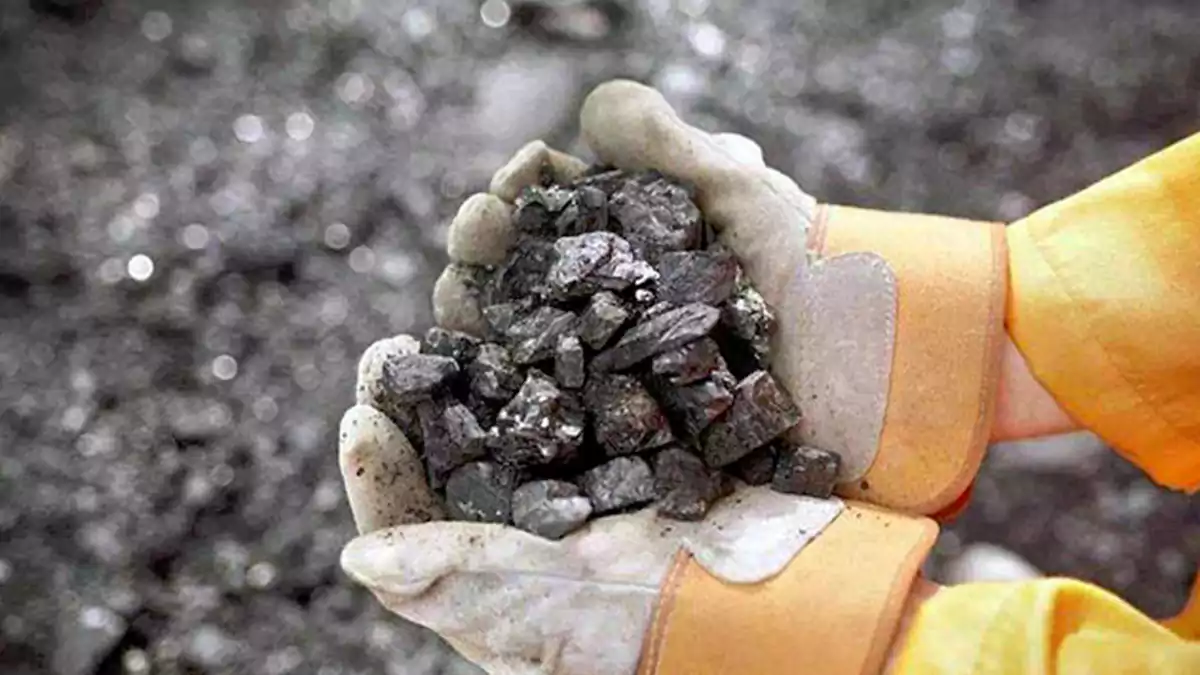
Screening is one of the first steps in the process. It helps control particle size, keeps the flow more stable, and prepares the ore for the next stages of treatment. Good iron ore processing can improve furnace performance, reduce coke consumption, and lower wear on downstream equipment. Screening is not always easy, especially when conditions are abrasive or variable, but the right screen media can help reduce cost and keep the plant running more efficiently.
| Benefit | Impact on Operations |
|---|---|
| Improved furnace throughput | Up to 15% more |
| Reduced coke consumption | Saves a lot of money |
| Extended equipment life | Machines last 20-30% longer |
| Reduced operational downtime | Fewer surprise repairs |
Key Takeaways
- Iron ore processing is important for making steel. It affects how fast and cheap steel is made.
- Screening comes first in processing. It makes sure the ore pieces are the right size. This helps get better results.
- Crushing and grinding break down the ore. This gets it ready for separation. It helps get more iron out.
- Beneficiation methods, like magnetic separation, make the iron better. They also cut down on waste.
- Dewatering is needed to make dry concentrate. Dry concentrate is easier to move.
- Quality control checks the process at every step. This keeps the product good for making steel.
- Handling tailings the right way keeps the environment safe. It also makes the plant safer.
- Using new technology makes iron ore processing faster. It also helps the process use less energy and be better for the planet.
Iron Ore Processing Overview
Main Steps
Iron ore processing has several important steps. Each step helps turn raw rock into something useful. Here is how you go from run-of-mine to concentrate:
- Crushing: Large rocks are broken into smaller pieces. This makes the next steps easier.
- Grinding: The crushed ore is ground into tiny particles. This helps separate iron minerals from waste.
- Separation: Gravity, magnets, or chemicals are used to separate iron from other minerals. This step is very important.
- Beneficiation: Unwanted minerals like silica and alumina are removed. This makes the iron content higher and better for steelmaking.
- Pelletizing or Sintering: The concentrate is shaped into pellets or sinter. These forms work well in blast furnaces.
Each step tries to make the iron ore better. The goal is to remove impurities and make the ore as pure as possible. This saves fuel and keeps the plant working well.
Process Flow
You may wonder how iron ore moves through a plant. The process flow usually follows these stages:
- Crushing and Grinding: The ore is crushed and ground. This makes the particles small enough for processing.
- Beneficiation (Ore Separation): Iron minerals are separated from waste using magnetic separation, flotation, or gravity. This is a big part of the process.
- Pelletizing & Sintering: The concentrate is made into pellets or sinter. These are ready for the blast furnace.
- Smelting and Refining: The processed ore is used to make iron and steel.
- Casting and Rolling: Steel is shaped into plates and bars.
Tip: If you control each step, you get better iron ore and save money.
Key Technologies
Modern processing uses smart tools and machines. These technologies help get more iron from each ton of ore. They also make the process safer and greener.
| Technology | What It Does |
|---|---|
| Sensor-based ore sorting | Sorts ore early and reduces waste. |
| Energy-efficient grinding | Uses less power during grinding. |
| AI-driven process logic | Changes steps for better results in real time. |
| Real-time process monitoring | Tracks processing with sensors and cloud data. |
| Machine learning algorithms | Helps keep processing steady and high-quality. |
| Closed-loop water systems | Recycles water to save resources. |
| Thickened tailings and paste disposal | Makes processing safer for the environment. |
| Green energy adoption | Uses solar and wind power in plants. |
| Autonomous haul trucks | Moves ore safely and quickly. |
| Drones for site surveying | Checks stockpiles and the environment. |
| Digital twins | Simulates processing for better decisions. |
| Big data platforms | Tracks processing and quality from mine to market. |
| Blockchain | Shows where your iron ore came from. |
| Beneficiation methods | Uses magnetic, gravity, and flotation for iron ore. |
Mineral processing is now smarter and more efficient. Using the right technology gives better results and helps the planet.
Screening In Iron Ore Processing
Screening Purpose
You start iron ore processing with screening. This step helps you control particle size. You remove oversized rocks and keep the right pieces for the next stage. Good screening makes sizing easier. You get better results in crushing and grinding. If you skip screening, you risk wasting energy and slowing down your plant. Screening also helps you keep your equipment safe. Large rocks can damage crushers and grinders. You want to protect your machines and keep your plant running smoothly.
Screening Equipment
You have many choices for screening equipment. Each type works best for certain conditions. You need to pick the right screen for your ore and your plant. Here’s a quick look at the most common types:
| Screen Type | Water Usage | Particle Size Range | Efficiency | Primary Application |
|---|---|---|---|---|
| Dry Screening | None | 5 mm – 150 mm | High (coarse) | Arid regions, pre-crushing |
| Wet Screening | High | 0.075 mm – 10 mm | Very High (fine) | Fine separation, clay removal |
| Primary Screening | Low/None | 50 mm – 300 mm | High | Run-of-mine ore, scalping |
| Secondary Screening | Low/High | 6 mm – 50 mm | Very High | Post-crushing, circuit recycling |
| Fine Screening | High | 0.075 mm – 6 mm | Excellent | Concentration prep, recovery |
| Trommel Screening | Optional | 10 mm – 100 mm | Good to High | Wet/sticky ores, washing |
| Vibrating Screen | Low to High | 0.5 mm – 100 mm | Excellent | General purpose, high capacity |
Woven Wire Screens
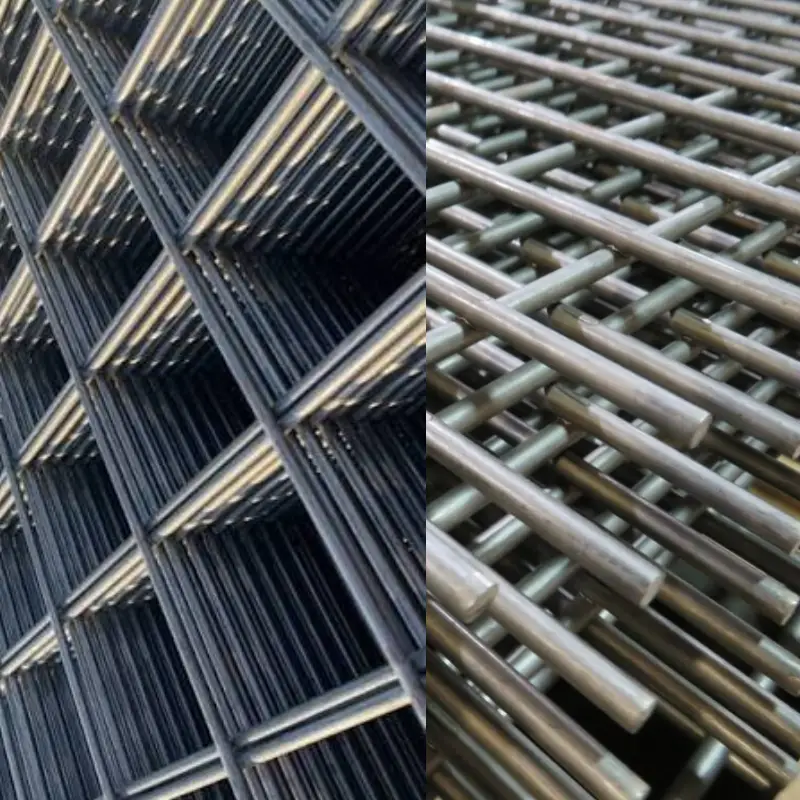
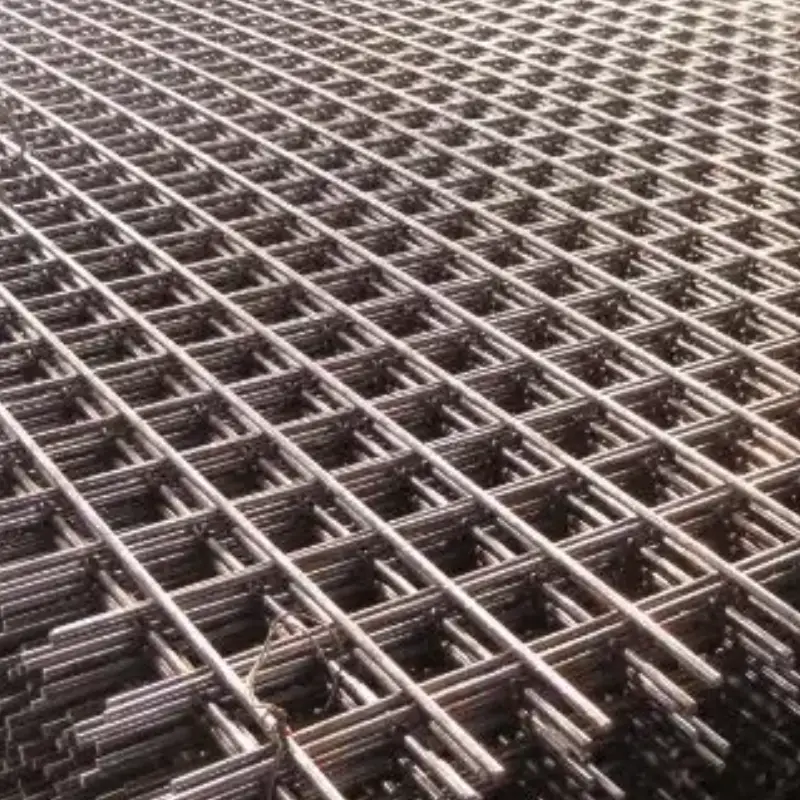
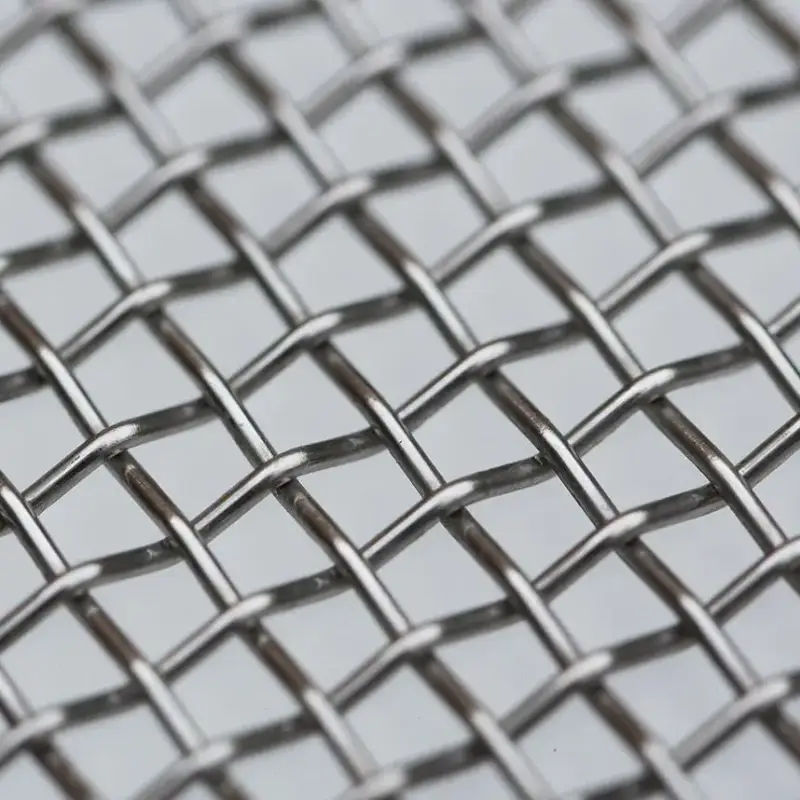
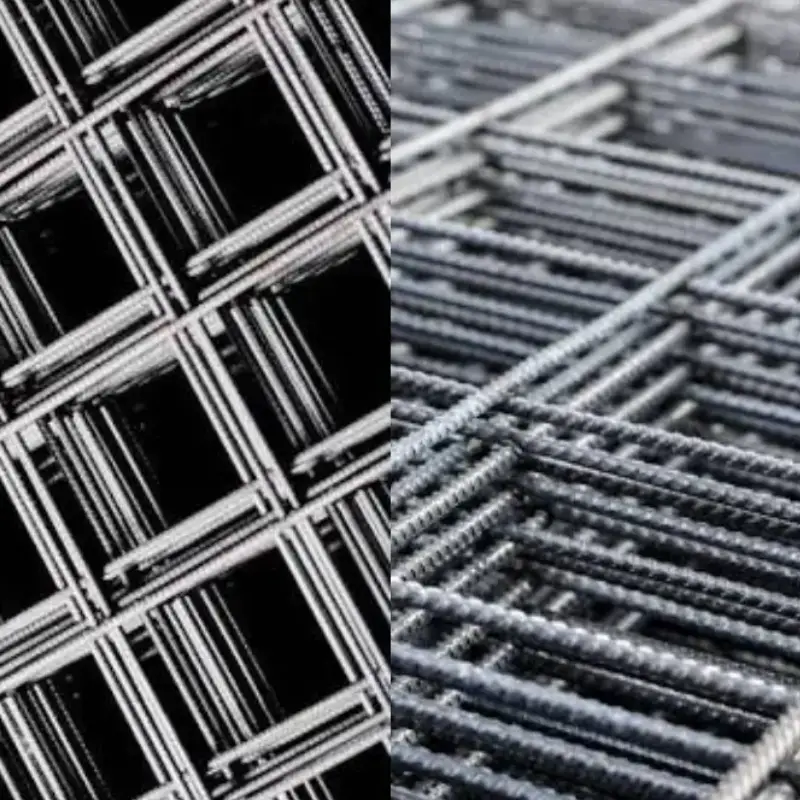
You see woven wire screens in many plants. They work well for sizing and sorting. You get sharp cuts and fast throughput. These screens handle coarse and fine materials. You can change the wire size to match your needs.
Polyurethane Screens
Polyurethane screens last longer than wire screens. You use them when you want less wear and more uptime. They resist blinding and clogging. You get steady sizing even with sticky ore.
Rubber Screens
Rubber screens absorb shock. You use them for heavy-duty jobs. They cut noise and protect your machines. You get good sizing with less vibration.
Self-Cleaning Screens
Self-cleaning screens fight blinding. You use them when your ore has clay or moisture. These screens keep sizing accurate. You spend less time cleaning and more time processing.
Perforated Plates
Perforated plates work for tough jobs. You use them for scalping and heavy loads. They give you strong sizing and resist damage.
Screening Challenges
You face many challenges in screening iron ore. Here are some common problems:
- Equipment performance and maintenance can slow you down.
- You must follow strict rules for material separation.
- Vibrating screens often crack or have bearing failures.
You need to watch for these issues. If you fix them early, you keep your plant efficient. Screening is the first step in sizing. It sets the stage for everything that comes next.
Impact On Downstream Processing
Screening is the first thing you do in iron ore processing. It helps decide how well the next steps will go. If you screen well, the rest of the process is easier. You control ore size, so crushers and grinders work better. Machines do not jam as much and last longer.
Let’s look at how screening helps later steps:
- You get better product quality. Clean ore with the right size means fewer bad things move on.
- You use less energy. Small, even pieces need less crushing and grinding.
- You keep the material moving. When the feed is steady, there are no slowdowns.
- You protect your machines. Big rocks can break crushers and grinders, but good screening stops this.
Note: If you skip good screening, your plant can slow down. You may have more repairs, spend more money, and make less iron.
You want to see good results from screening. Here is what happens when you size ore right:
- Furnace throughput can go up by 15%. This means you process more iron in less time.
- You use less coke to make steel. This saves money and helps the planet.
- Pelletizing and sintering plants get steady, even ore. This keeps things running well and cuts down on changes.
Screening also helps with machine wear. When you send the right size ore, crushers and mills do not get worn out as fast. Machines last longer, and you do not fix them as much.
You might worry about blinding or picking the right screen. If you choose the best screen, you stop clogging and keep things working well. Polyurethane screens do not blind easily. Self-cleaning screens are good for sticky ore. Pick the screen that fits your ore and your plant.
Here is a table that shows how screening helps later steps:
| Downstream Step | Screening Impact |
|---|---|
| Crushing | Stops overload, cuts down on wear |
| Grinding | Uses less energy, makes more output |
| Separation | Gets more iron, makes better quality |
| Pelletizing/Sintering | Keeps feed steady, cuts down on changes |
Screening is not just the first step. It is the base for making your plant work well and making good product. If you focus on screening, you help every step until you get concentrate.
Crushing And Stockpiling
Crushing Equipment
You start iron ore processing with crushing. This step breaks big rocks into smaller pieces. You want the right size for the next stage. Crushing and grinding work together to get the best results. You have several machines to choose from. Each one has its own strengths.
Here’s a table that shows the main types of crushing equipment and their advantages:
| Equipment Type | Advantages |
|---|---|
| Jaw Crusher | High capacity (5 t/h–1500 t/h) Large reduction ratio (up to 6:1) Durable materials for extended lifespan |
| Cone Crusher | Ideal for hard iron ore Layered crushing for uniform output Smart control for efficiency boost (15%–25%) |
| Impact Crusher | Cost-effective one-step crushing High-quality components for wear resistance Sealed design for reduced dust and noise |
You might use a jaw crusher first. It handles big chunks and gives you a lot of power. Cone crushers work well with hard iron ore. They give you even pieces and help your plant run smoothly. Impact crushers are great when you want to save money and cut down on dust.
Tip: Pick the crusher that matches your ore and your plant’s needs. You get better results and less downtime.
Stockpiling Methods
After crushing, you need to store the ore. Stockpiling keeps your plant organized and ready for the next step. You can use different methods to build your stockpiles.
- Conical Stockpiles: You pile ore in a cone shape. This method is simple and fast.
- Chevron Stockpiles: You spread ore in layers. This helps mix the material and keeps quality steady.
- Windrow Stockpiles: You lay ore in rows. This makes it easy to reclaim and move.
- Radial Stackers: Machines build piles in a circle. You get more space and less mixing.
Stockpiling helps you manage your feed. You avoid bottlenecks and keep crushing and grinding moving.
Feeding The Crusher
You need to feed the crusher the right way. If you do this well, you protect your machines and boost efficiency. You can use feeders to control the flow.
- Vibrating Feeders: These shake and move ore into the crusher. You get steady flow and less clogging.
- Apron Feeders: These use plates to push ore forward. They handle heavy loads and tough materials.
- Belt Feeders: These use belts to deliver ore. You get smooth movement and easy control.
If you feed the crusher too fast, you risk jams and damage. If you go too slow, you waste time. Crushing and grinding depend on steady feeding. You want to keep everything balanced.
Note: Good feeding means less wear, fewer repairs, and more iron ore concentrate at the end.
You see that crushing and grinding are linked. Crushing sets the stage for grinding. If you crush well, you make grinding easier. You save energy and get better results. Stockpiling and feeding help your plant stay efficient and ready for the next step.
Grinding In Mineral Processing
Grinding Equipment
You move to grinding after crushing. This step turns iron ore into smaller particles. You want the right size for the next stage. Grinding helps you separate iron from waste. You have two main machines for grinding: ball mills and rod mills. Ball mills use steel balls to grind ore into fine powder. Rod mills use steel rods and give you a more even particle size. You usually start with rod mills for coarse grinding. Then you switch to ball mills for fine grinding. Here’s a table that shows how these machines work:
| Equipment Type | Description | Application |
|---|---|---|
| Ball Mill | Grinds ore into micron-sized particles with steel balls | Most common for fine grinding |
| Rod Mill | Uses steel rods for uniform particle size | Used for coarse grinding |
You pick the equipment based on your ore and your plant’s needs. Ball mills help you get fine particles. Rod mills help you avoid over-grinding and keep sizing and classification steady.
Particle Liberation
Grinding does more than just make ore smaller. You want to free iron minerals from waste. This is called particle liberation. If you grind too much, you waste energy and money. If you grind too little, iron stays stuck to waste and you lose recovery. Each ore has a best particle size for recovery. You need to find that sweet spot. Here’s what you should watch for:
- If you grind too much, you make slimes that are hard to recover.
- If you grind too little, iron minerals stay attached to waste.
- You want enough grinding to free iron but not so much that you lose material.
Fine particle management is key. You need to balance grinding so you get the best sizing and classification for the next step.
Tip: Check your grinding often. Adjust your mills to match your ore. This helps you get more iron and less waste.
Classification Methods
After grinding, you need to sort the particles. This is called classification. You want to send the right size to the right process. Sizing and classification help you get the best recovery and keep your plant efficient. You use several methods for classification in iron ore processing. Here’s a table that shows the main methods and their strengths:
| Classification Method | Suitable Ore Types | Efficiency/Capacity |
|---|---|---|
| Magnetic Separation | Magnetite | Processes up to 280 tons/hour, great for big plants. |
| Flotation Separation | Hematite, Siderite | Handles 20 m³/min, good for low-grade ores. |
| Gravity Separation | Hematite, Limonite | Works well for coarse iron ore. |
| Spiral Chute | Fine iron ore (0.3 mm–0.02 mm) | Highly efficient. |
| Shaking Table | Iron ore (2 mm to 0.074 mm) | Over 90% separation efficiency. |
| Jig Separator | Medium to coarse iron ore | 5–50 tons/hour, saves energy. |
You often use hydrocyclones to separate size fractions. You send the right size to flotation machines or magnetic separators. Sizing and classification make sure you get the most iron and the best concentrate. If you manage classification well, you boost your plant’s output and save resources.
Note: Good grinding and smart classification help you get high-quality iron concentrate. You keep your plant running smoothly and make the most of your ore.
Iron Ore Beneficiation And Separation
Spiral Gravity Separation
Spiral gravity separation is part of iron ore beneficiation. This method uses gravity and water to sort minerals by density. You put crushed ore into spiral chutes. Heavy iron minerals sink and move down the spiral. Lighter waste stays on top and flows away. This gives you a clear split between iron and impurities.
Spiral gravity separation works best for big particles. You can use it for fine iron ore too. It helps you get usable iron before other steps. You control water and power use, so your plant works better. Here’s how this method works:
| Method | Description |
|---|---|
| Gravity Separation | Uses gravity and water to separate minerals based on density differences. |
| Effectiveness | Works well for coarse particles and fine iron ore with spirals and jigs. |
| Application | Helps iron ore processing by managing water and power, and recovers usable mass before further treatment. |
If you use spiral gravity separation, you get more iron and less waste. This makes the iron ore beneficiation process easier and saves money.
Magnetic Separation
Magnetic separation is an important step in iron ore beneficiation. You use this method to pull magnetite out of the ore. First, you crush the ore into smaller pieces. Then, you grind it until magnetite is free from waste. You mix the ground ore with water and run it through magnetic separators. The magnets grab the iron minerals. The waste that is not magnetic gets thrown out. You repeat this step a few times to get the best results.
After separation, you need to dry the concentrate. Thickeners and filters help remove water from the iron concentrate. Here’s a table that shows the main steps in magnetic separation:
| Step | Description |
|---|---|
| Crushing | Breaks ore into smaller pieces, often in primary and secondary steps. |
| Grinding | Frees magnetite from waste, needs fine grinding. |
| Magnetic Separation | Processes ground ore mixed with water through magnetic separators to extract magnetite. Non-magnetic waste is discarded. Multiple stages improve recovery. |
| Dewatering | Uses thickeners and filters to remove water from the magnetic concentrate, resulting in dry iron concentrate. |
Magnetic separation gives you high recovery rates. This method is efficient and helps you get better iron ore. You can use it for big and small particles. It is a flexible tool in iron ore beneficiation.
Beneficiation Techniques
There are several ways to improve iron ore grade and recovery. Each method helps you get better iron ore. Here are the most effective techniques:
- Magnetic separation: You use magnets to pull iron minerals from waste. This works best for magnetite ores.
- Flotation: You add chemicals to separate iron from silica and alumina. This is great for hematite ores.
- Gravity separation: You use density differences to sort iron minerals from impurities.
- Washing and desliming: You remove clay and fine silica to make processing easier.
- Proper grinding: You make sure iron minerals are free from waste, so separation works better.
Getting rid of impurities like silica and alumina is important. These impurities hurt steel quality and cost more to remove. You want to keep them low to get high-grade iron concentrate. Good beneficiation techniques focus on removing these unwanted materials. This makes your iron ore more valuable and helps your plant run well.
You need to pick the right iron ore beneficiation process for your ore type. If you use the best technique, you get more iron and better concentrate. You save energy, reduce waste, and make your plant more efficient. Iron ore beneficiation is about finding the right balance between grade and recovery.
Tip: Try different beneficiation methods and change your process. You can get better results and make your plant more profitable.
Iron ore beneficiation is not just about separation. It is about making every step matter. You want to use the best tools and techniques to get the most iron out of your ore. If you focus on efficiency and quality, you help your plant do well.
Tailings Handling
You deal with tailings every day in iron ore processing. These are the leftovers after you separate iron ore concentrate from waste. If you handle tailings well, your plant stays safe and the environment is protected.
First, you run tailings through thickeners. Thickeners take water out and leave solid stuff behind. Dewatering systems squeeze out even more water. This gives you dry tailings that are easier to store. Screening systems sort tailings by size. This helps you get more water back and makes tailings stronger.
You keep dry tailings in special storage places. These places stop tailings from leaking into the ground. They can hold heavy loads. You need strong walls and good drains. Water you get back from tailings goes back into your plant. This means you use less new water and make less waste.
Here are some best ways to handle tailings:
- Use thickeners and dewatering to lower water and make tailings safer.
- Sort tailings by size with screens to get more water back.
- Store tailings in special places to stop leaks and keep things safe.
- Recycle water from tailings to save water and cut waste.
- Buy good equipment for tailings to follow rules and keep your plant working.
You also need to control dust and noise. Dust can hurt workers and bother people nearby. Noise makes the plant less nice. Good dust and noise control keeps everyone safe and happy.
Caring for the environment is important. You want your plant to last a long time. If you take care of tailings, you protect land and water. You also follow rules and avoid getting fined.
Here is a table that shows how tailings handling fits in iron ore processing:
| Step | What You Do | Why It Matters |
|---|---|---|
| Thickening & Dewatering | Take water out of tailings | Makes storage safer |
| Screening | Sort tailings by size | Helps get more water back |
| Storage Facility | Keep tailings in special places | Stops leaks and keeps things safe |
| Water Recycling | Send water back to the plant | Saves water and cuts waste |
| Dust & Noise Control | Use barriers and filters | Protects workers and neighbors |
When you make iron ore concentrate, you also make tailings. You need to handle tailings before you make pellets. If you do this well, you get cleaner pellets and safer storage. Pellets need to be pure, so good tailings handling helps you reach this goal.
You might wonder how tailings change pellet quality. If you keep tailings dry and strong, you stop bad stuff from mixing with iron ore concentrate. This keeps your pellets strong and pure. You also keep your plant running without problems.
Pellets are the last step before making steel. You want your pellets to meet strict rules. Good tailings handling helps you make pellets that work well in blast furnaces. You get more iron from each pellet and less waste.
You can see that tailings handling is not just about storage. It helps your whole plant work better. You save water, protect nature, and make better iron ore concentrate. You also help your pellets be the best they can be.
Tip: If you spend money on good tailings handling, your plant is safer and your pellets are stronger. You also show you care about nature and your community.
Dewatering And Concentrate Quality
Dewatering Equipment
After you separate iron minerals from waste, you reach the concentration stage. Now you need to take water out of the concentrate. Dewatering equipment helps you get a dry product. Dry concentrate is easier to move and ship. There are many machines for dewatering. Each one works best for a different part of the process.
Here’s a table that shows the main types of dewatering equipment and how they perform:
| Equipment Type | Performance Metrics |
|---|---|
| Thickener | Reduced footprint by up to 18 times, increased settling rate by up to 50%, reduced flocculant consumption |
| Hyperbaric disc filter | Throughputs of >500 t/h, clear filtrate with <0.1% solids, residual moisture: <6% |
| Overhead and sidebar filter presses | Throughputs of >100 t/h, residual moisture: <10% |
| Vacuum belt filter | Flexible operation, excellent washing efficiency, drier filter cakes |
| Vacuum disc filter | Throughputs of >1.5 t/m²/h per unit, optimized footprint to filtration area ratio |
| Vacuum drum filter | Consistent application of dewatering aids, flexible adjustment of cake forming and drying angle |
| Filtration components | Wedge wire and perforated components for various process steps to enhance quality and efficiency |
You want to choose the right machine for your plant. This helps you get the best concentrate. It also keeps your plant working well.
Thickening
Thickening is an important step in making concentrate. You use thickeners to settle solids and get water back. Thickeners make the concentrate thicker and easier to filter. You add flocculants to help small particles stick together. This makes them settle faster and helps with filtering.
If you upgrade your thickener, your plant works better. You get a smaller thickener, faster settling, and use less chemicals. Here’s a quick look at the improvements:
| Improvement Type | Description |
|---|---|
| Reduced Footprint | Up to 18 times smaller surface area |
| Increased Settling Rate | Up to 50% faster settling |
| Reduced Flocculant Consumption | Less chemical usage in the process |
You also get more water back. You can use mine water again and need less new water. This saves money and helps nature.
Tip: If you take care of your thickener, you get better concentrate and more recovery.
Water Recovery
Water recovery is very important in this stage. You want to recycle as much water as you can. Many iron ore plants use closed-loop water systems. These systems help you get water back and use it again.
More plants now use paste tailings solutions. This helps recycle water and makes mining better for the planet. When you recover water, you spend less and help the environment.
- Closed-loop systems help you get more water back.
- Paste tailings solutions help recycle water.
- You use less new water and make your plant greener.
Good water recovery helps you get high-quality concentrate. If you manage water well, your plant works better and your product is pure.
Note: Water recovery is not just about saving water. It helps you get the best concentrate and keeps your process steady.
Dewatering, thickening, and water recovery all work together. They help you get dry, pure concentrate and make your plant efficient. If you focus on these steps, you get more recovery and help your plant be more sustainable.
Quality Control
You want your iron ore to be high quality. Quality control helps you reach this goal. It makes sure your concentrate is always the same. This way, it is ready for steelmaking. You do not want any surprises in your product.
You check many things during processing. You look at the size of the particles. You test for things like silica and alumina. You also check how much water is in the ore. If you miss something, your product can lose value.
Let’s see the main steps for quality control in a modern plant:
| Quality Control Measure | Description |
|---|---|
| Controlled Leaching | Improves iron ore concentrate quality for further use. |
| Flotation Elements | Includes conditioning tanks, air dispersion cells, and froth skimming systems. |
| Strict Monitoring of Parameters | Ensures consistent process conditions and output quality. |
| Acid or Alkali Leaching | Used when physical methods cannot meet grade needs. |
| Controlled Washing Stages | Ensures effective removal of impurities. |
| Residue Management Plans | Plans for handling waste and by-products. |
| Solution Recycle Systems | Recycles solutions to minimize waste. |
| Process Water Control Records | Maintains records for water used in the process. |
You use controlled leaching to make the quality better. Sometimes, you need acid or alkali leaching if other steps do not work. Flotation elements help you take out more impurities. You also use washing stages to clean the ore.
You keep good records. You track how much water you use and recycle solutions. This saves money and helps the environment. You also plan how to handle waste and by-products. Good residue management keeps your plant safe.
Tip: Check your process often. Small changes can make a big difference in quality.
You want your concentrate to meet what customers need every time. Quality control gives you confidence. It helps you deliver a product that works well in steel plants and keeps your business strong.
Conclusion
You have learned how iron ore turns into concentrate. Every step is important for making a good product. Screening comes first and helps you control the size of the ore. This makes your plant work better. If you choose the right screen, your machines stay safe and your product is better. Having the right mix of lump and fines helps your product work well in the furnace. Our team can help you find the best screening solution for any situation. Your product will stay strong. Contact us if you want help picking the right screen for your needs.
| Key Stage | Impact on Product Value Chain |
|---|---|
| Screening | Improves product quality and plant output |
| Crushing/Grinding | Prepares product for efficient separation |
| Beneficiation | Raises product grade and reduces waste |
| Dewatering | Delivers a dry, high-value product |
FAQ
What is iron ore processing?
You dig up iron ore from the ground. You clean it and remove things you do not want. You end up with a mineral that is ready for steelmaking. Each step helps you get more iron and less waste.
Why does screening matter in iron ore plants?
Screening lets you pick the right size ore. Big rocks are taken out. The right size goes to crushers. Good screening keeps machines safe and makes the plant run better.
How does iron ore processing support sustainability?
You use less energy and water when you process iron ore well. This helps the planet. You recycle water and cut down on waste. These steps make your plant greener.
What equipment do you need for dewatering?
You use thickeners, filters, and presses. These machines take water out of the concentrate. Dry concentrate is easier to move and ship. You also get water back to use again.
How do you handle tailings safely?
You thicken and dry tailings. You store them in special places. You recycle water and stop dust from spreading. Safe tailings handling keeps people and nature safe.
Why is sustainability in steelmaking important?
You help the environment by using less energy and recycling more. Sustainability means you make strong steel and protect resources for the future.
What is the goal of beneficiation?
You want to take out impurities like silica and alumina. This gives you a better product. Good beneficiation means you get more iron and less waste in your final mineral.
Can you improve plant efficiency with better screen media?
Yes! If you choose the best screen media, you stop blinding and wear. Your machines last longer. You get steady production and better quality.