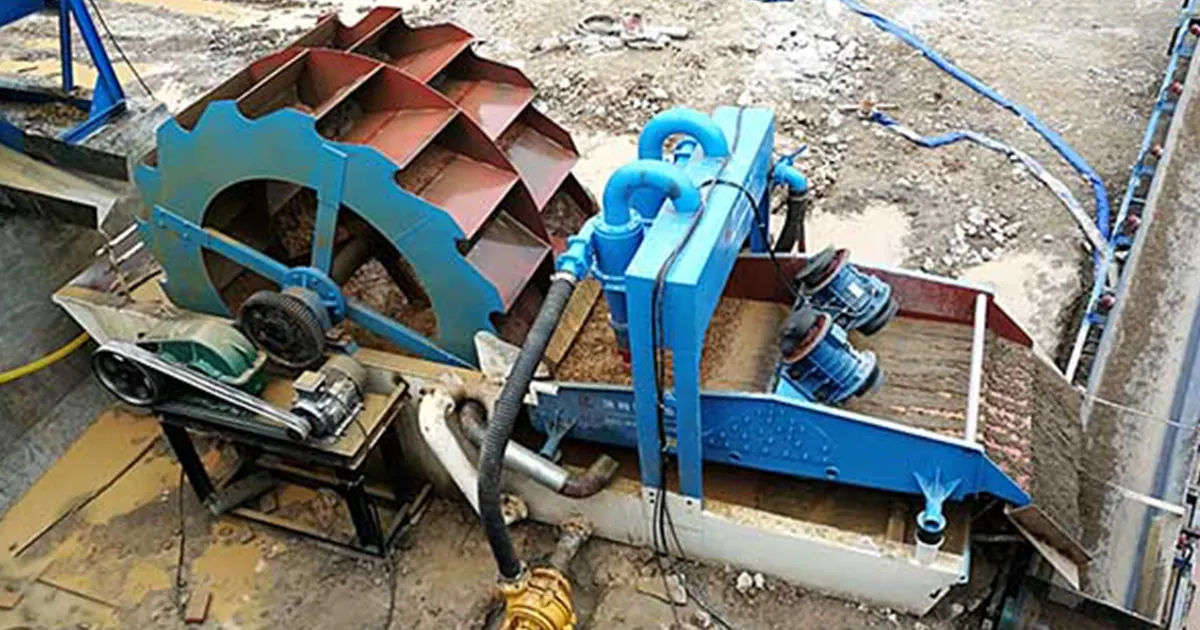
You need sand that is very good for building and industry. Sand washing and dewatering help you reach this goal. These steps take out clay, silt, and other things you do not want. You get clean sand in the end. You can also control how wet the sand is. This makes it easier to move and store.
- Clean sand makes your projects better.
- Controlling moisture helps your work go smoothly.
- Same size sand grains make your sand work well each time.
Key Takeaways
- Sand washing takes out things like clay and silt. This makes the sand clean for building.
- Dewatering keeps the right amount of water in the sand. This makes the sand easy to use and stops building problems.
- The right machines, like hydrocyclones and dewatering screens, make sand better and faster.
- Taking care of machines often helps them last longer. It also means you spend less on fixing them.
- Automation and smart monitoring help the plant work better. They give quick data and warnings.
- Recycling water during sand washing saves money. It is also good for nature.
- Picking strong screen media, like polyurethane, helps them last longer and work better.
- Changing how you process sand can make it much cleaner and more even.
What Is Sand Washing and Dewatering?
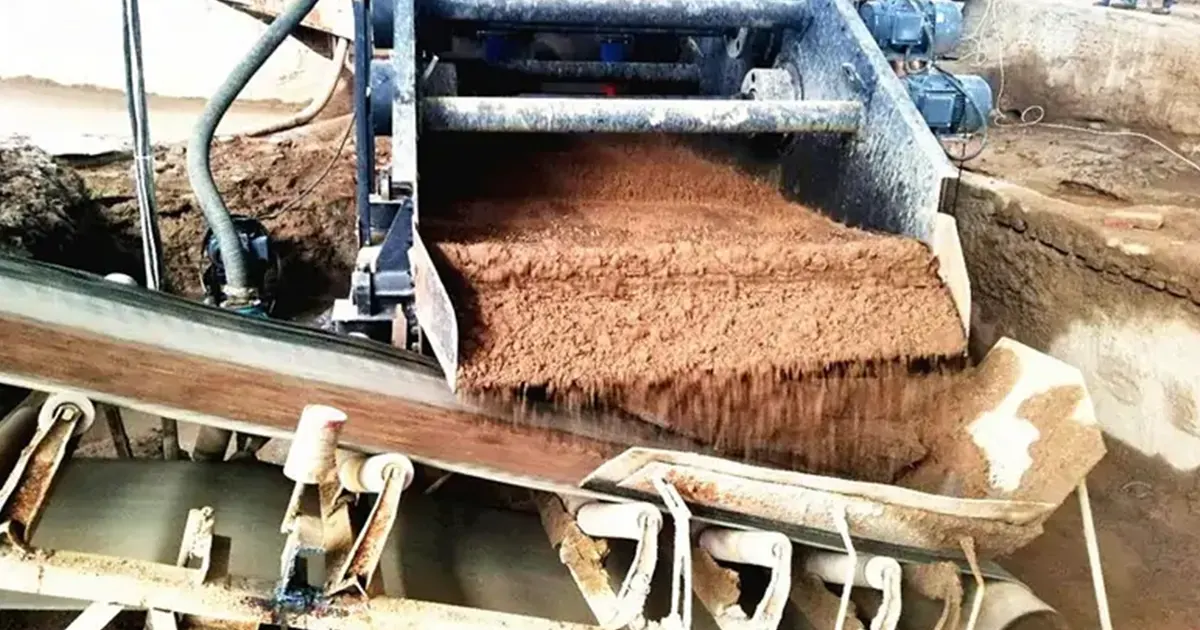
Sand Washing Explained
You want sand that works well for your project. Sand washing helps you get there. This process removes clay, silt, dust, and other unwanted stuff from raw sand. When you wash sand, you make sure it is clean and ready for use. You do not want contaminants that can weaken your concrete or glass. Sand washing and dewatering make your sand stronger and more reliable.
Let’s break down what happens during sand washing. You use machines to scrub, rinse, and sort the sand. These machines help you get rid of stains and coatings. You also remove fine particles that can cause problems later. Here’s a quick look at the main steps:
| Process/Equipment | Description |
|---|---|
| Sizing and Classifying | Sorts sand by size for uniform results |
| Desliming | Removes clay and silt |
| Scrubbing | Cleans sand and removes stains |
| Dewatering | Reduces moisture for easier handling |
You can see that sand washing is not just about making sand look clean. It is about making sure your sand performs well in every application.
Dewatering Defined
After you wash sand, you need to control how wet it is. Dewatering helps you do this. You use special screens and machines to take out extra water. When you reduce moisture, you make sand easier to move and store. You also prevent problems like erosion and instability.
Dewatering is important for safety and quality. If you leave too much water in sand, you risk weak concrete and unstable ground. You want sand that stays in place and does not cause leaks or failures. Dewatering gives you sand that is ready for the next step.
Tip: If you use dewatering screens, you can get sand with just the right amount of moisture. This makes your work faster and safer.
Why Washing and Dewatering Sand Is Essential
You might wonder why you cannot skip washing and dewatering sand. If you do, you face big problems. Sand with too much moisture can make your concrete weak. It can also cause buildings to shift or fail. You do not want to pay extra costs because your materials are not good enough.
Here are some issues you can avoid by washing and dewatering sand:
- Weak and inferior concrete from excess moisture
- Poor durability and strength in construction materials
- Higher costs and wasted time from handling wet sand
- Structural risks like erosion, leaks, and ground instability
When you use sand washing and dewatering, you get sand that is clean, strong, and easy to use. You make your projects safer and more efficient. You also protect your reputation as someone who delivers quality work.
Sand Washing and Dewatering Process Steps
Raw Sand Feed and Initial Screening
You begin with sand from the quarry. This sand has clay, mud, and debris. You must take out these things first. The first step is crushing. A jaw crusher breaks big pieces into smaller ones. Then, cone crushers crush the sand again. These machines make sand easier to work with.
After crushing, you screen the sand. Vibrating screens sort sand by size. They separate rocks and debris from fine sand. Here are things you remove in this step:
- Clay
- Mud
- Other debris
This step gets sand ready for washing and dewatering. You make sure the sand is clean enough to move forward.
Washing Stage – Removing Impurities
Next, you wash the sand. This step removes clay, silt, and organic impurities. You want sand that is pure and even. There are different ways to wash sand. Some use water, others use chemicals or drying.
| Method | Description |
|---|---|
| Physical-Chemical Pretreatment | Uses hydrogen peroxide for organic matter and acidic solutions for iron oxides and carbonates. |
| Dry Method | Involves drying, maceration, and sieving to select particles with specific diameters. |
| Wet Method | Dispersion in water or dispersant solutions separates clay fractions, followed by centrifugation or vacuum filtration. |
| Sustainable Method | Sieving, dispersion without agents, and decantation isolate impurities effectively. |
Most plants use the wet method. You mix sand with water. Impurities float away. Machines like sand screw washers or cyclones help clean the sand. You get sand ready for separation and classification.
Tip: The right washing method removes tough impurities. This makes your sand stronger and more dependable.
Separation and Classification
After washing, you separate and classify sand. You want sand grains to be the same size. Special equipment helps with this step. Hydrocyclones spin a slurry in a chamber. They use force to separate sand from water. Hydrosizers sort sand by size and density. You put slurry in a tank with controlled water flow.
Classifying tanks remove silts and extra water. They help process lots of sand and keep it within standards. Fine material washers clean, sort, and dewater sand in inclined tubs. Vibratory screens sort sand by size. Small particles go through, big ones stay on top.
You get sand that is uniform and meets industry needs. This step is important for sand washing and dewatering. You make sure your sand is ready for the last stage.
Note: Using hydrocyclones and classifying tanks helps you get uniform sand. You get sand that works well every time.
Dewatering Stage – Reducing Moisture
Now you have clean, sorted sand. The next step is to get rid of extra water. This is where dewatering comes in. You want sand that is not too wet or too dry. If you skip this step, your sand will be heavy and hard to move. Wet sand can also cause problems in storage and transport.
You use special machines for dewatering. Dewatering screens, hydrocyclones, and filter presses help you remove water from the sand. These machines shake, spin, or press the sand to squeeze out as much water as possible. You can see the water drain away while the sand stays on the screen or inside the machine.
Most plants use dewatering screens. These screens vibrate quickly. The vibration helps water move through the screen while the sand stays on top. You get sand that is easy to handle and ready for the next step.
Tip: If you use the right dewatering equipment, you can save time and money. Dry sand is lighter and costs less to move.
You might wonder how dry your sand should be. After dewatering, most sand has a moisture content of about 9–10%. This means the sand feels damp but not soggy. If you use a filter press, you might see a solid cake of sand with about 10–15% water left. This level of moisture is perfect for most construction and industrial uses.
Here’s what you can expect after dewatering:
- Sand with a moisture content of 9–10%
- Filtered sand cakes with 10–15% water
- Sand that is easy to move, stack, and store
You want to check the sand before moving it to the next stage. Make sure the sand is not dripping wet. If you see puddles or water running off, you may need to adjust your dewatering equipment. When you get the moisture just right, your sand will be strong, stable, and ready for use.
Main Equipment for Washing and Dewatering Sand
Spiral Sand Washing Machines
When you want to clean sand, spiral sand washing machines do a great job. These machines use a spiral device that mixes, cleans, and screens sand and gravel. The spiral turns slowly, making sure the sand gets mixed with water. This helps remove dirt and unwanted coatings. The clean sand then moves out of the machine, ready for the next step.
You will notice that spiral sand washing machines work well for most sand washing plant setups. They are efficient at cleaning, but they can lose more fine sand than other machines. If you need to keep as much fine sand as possible, you might want to look at other options.
Tip: Control the speed and feed rate to get the best results from your spiral sand washing machine.
Bucket Wheels
Bucket wheel sand washers are another popular choice. Here’s how they work:
- A motor turns the impeller slowly.
- Sand enters the washing tank and rolls with the impeller.
- The sand grains rub against each other, which helps remove dirt.
- Water sprays over the sand, washing away impurities.
- Dirty water and impurities flow into a sedimentation tank.
- Clean sand moves to the discharge port.
Bucket wheels work best when you have medium or small amounts of sand. They are great if your sand has low mud content (less than 15%). You will also like them if you want to save water. These machines are simple and easy to maintain.
Screw Washers
Screw washers, also called fine material screw washer, help you wash, classify, and dewater sand. The screws rotate and tumble the sand, which removes coatings and dirt. As the sand moves up the inclined area, water drains away. This leaves you with drier sand.
You can adjust the water flow with weirs. This lets you separate finer particles from the rest. Some screw washers have one screw, while others have two. This means you can pick the right size for your sand washing plant.
Here’s a quick look at how these machines compare:
| Equipment Type | Functionality | Efficiency/Notes |
|---|---|---|
| Spiral Sand Washer | Cleans and screens sand with a spiral device | Efficient cleaning, but higher fine sand loss |
| Bucket Wheel Washer | Uses impeller and water spray to clean sand | Best for small/medium jobs, low mud, and water conservation |
| Screw Washer | Rotating screws wash, classify, and dewater sand | Adjustable, handles different capacities, drier sand output |
You will often see screw washers used with dewatering screen setups. The dewatering screen helps remove even more water, so your sand is ready for storage or transport. If you want sand with low moisture, use a dewatering screen after your screw washer.
Note: Dewatering screens can get your sand as dry as 7–10% moisture. This makes handling and stacking much easier.
If you want to improve your sand quality, try combining these machines in your sand washing plant. You will get cleaner, drier sand every time.
Hydrocyclones
You want your sand washing plant to work well. Hydrocyclones help you get clean sand. These machines spin fast to separate sand from water and other small stuff. When you put sand and water into a hydrocyclone, the heavy sand moves to the outside. The lighter particles and water go to the center and leave through the top. The sand falls out the bottom and is ready for the next step.
Hydrocyclones work quickly and use little energy. They are easy to use and simple to fix. You often see them with a dewatering screen or a fine material screw washer. This helps you get the best sand.
Let’s see what changes how well a hydrocyclone works:
| Factor | Description |
|---|---|
| Size | Smaller cyclones make finer cuts and cleaner sand. |
| Flow rate | Steady flow keeps separation good and efficient. |
| Inlet area | Controls how much goes in and changes separation. |
| Vortex finder diameter | Affects the air core and how particles split. |
| Underflow diameter | Decides what size drops out with the sand. |
| Length of Cyclone | Longer cyclones give more time to separate. |
Hydrocyclones are a smart pick for your sand washing plant. Here’s why:
- Hydrocyclones can reach almost 96% separation efficiency. You keep more good sand and lose less.
- You get a 28% better separation compared to setups without particle injection.
- They use less energy and are easy to run.
- You can use them with dewatering screens to get sand with just the right moisture for storing.
Hydrocyclones are great for saving fine sand. They help you keep more valuable material that might wash away. You can change the settings to fit your sand type. If you want better sand, use a hydrocyclone before your dewatering screen. This gives you sand that is clean, uniform, and easy to handle.
Tip: Check your hydrocyclone often. Make sure the flow is steady and the underflow is not blocked. This keeps your sand washing plant working well.
You will see hydrocyclones with dewatering screens in most modern sand washing plants. They help you use your raw material better and keep your plant efficient. If you want to save water and energy, hydrocyclones are a good choice. They make your job easier and your sand better.
Dewatering Screens and Sand Quality
How Dewatering Screens Work
You want sand that is dry and easy to handle. Dewatering screens help you reach this goal. These machines use high-frequency vibrations and a sloped screen deck. Two motors shake the screen in opposite directions. This makes the sand move forward while water drains away. The vibrations are strong—sometimes up to five Gs. If the screen shakes too slowly, sand can clog the openings. If it shakes too fast, sand may not separate well. The right speed keeps everything moving and helps water drain quickly.
The screen sits at an angle. As the sand moves up the slope, water flows down and out. This leaves you with drier sand at the end. You can lower the moisture in your sand to about 12–15%. Finer sand holds more water, so it takes a bit more effort to get it dry. Coarser sand dries faster because water drains out more easily.
Tip: Check the vibration settings often. The right settings keep your sand dry and your screen running smoothly.
Impact of Screen Media on Performance
The screen media is the part of the machine that touches the sand. It has a big impact on how well your dewatering screen works. The size and shape of the openings in the screen media control how fast water drains and how much sand you keep.
- A larger open area lets more water pass through. This means faster drainage.
- If the openings are too big, you might lose fine sand.
- Smaller openings keep more sand but slow down drainage.
You need to balance drainage and sand loss. Coarse sand drains faster and stays on the screen. Fine sand can slip through if the openings are too large. Understanding your sand’s particle size helps you pick the right screen media.
- When you process more sand in less time, you boost efficiency.
- If you drain water well, you do not need extra drying machines. This saves money.
- Good screen media lowers energy use because you skip heating or air-drying steps.
Note: The right screen media helps you get drier sand and saves you time and money.
Wear Resistance and Longevity
You want your equipment to last a long time. The material you choose for your screen media makes a big difference. Some materials handle sharp sand and heavy loads better than others. Here’s a quick look at common options:
| Material Type | Key Features |
|---|---|
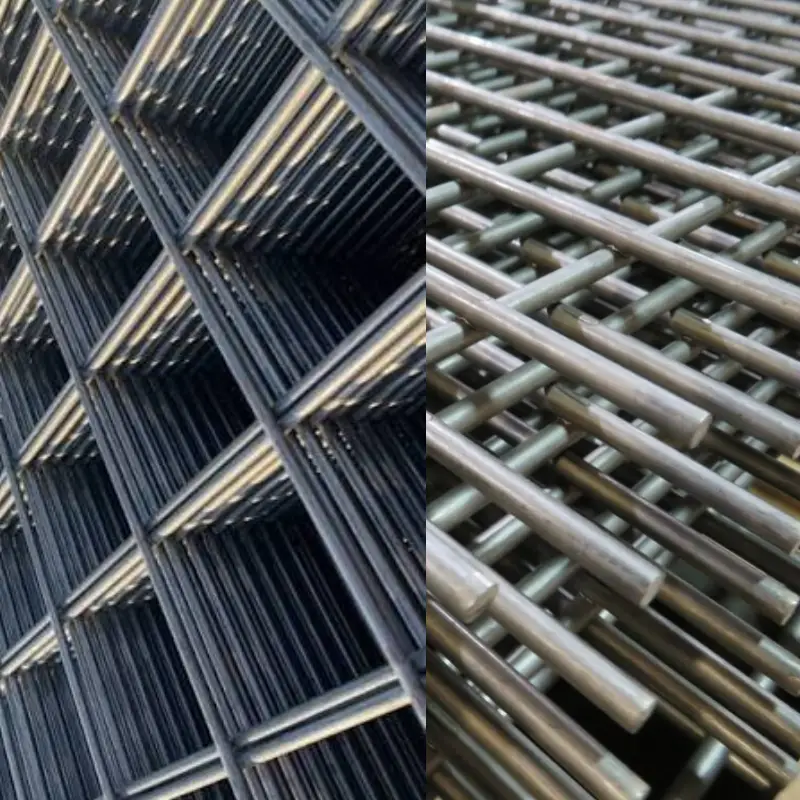
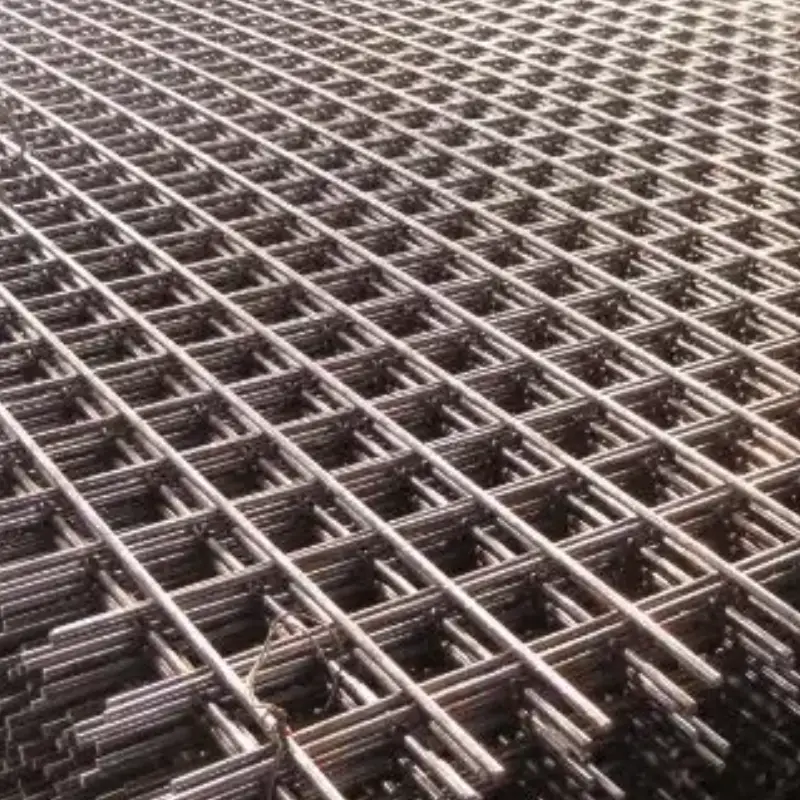
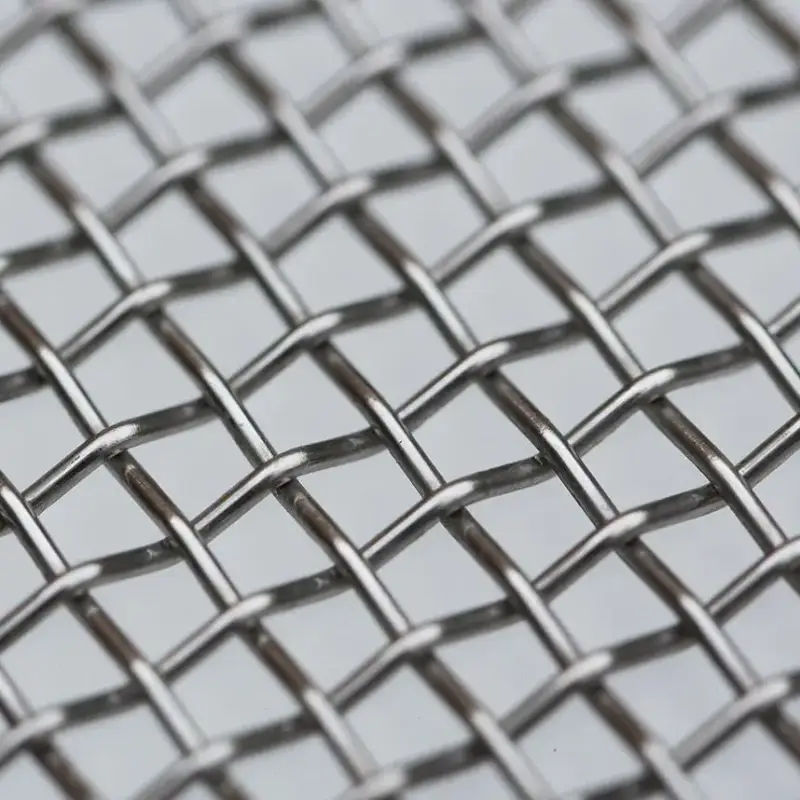
| Woven Wire Screens | Versatile, cost-effective, precise openings |
| Polyurethane Screens | Durable, abrasion-resistant, modular or tensioned panels |
| Rubber Screens | Flexible, great for impact, good for large or sharp materials |
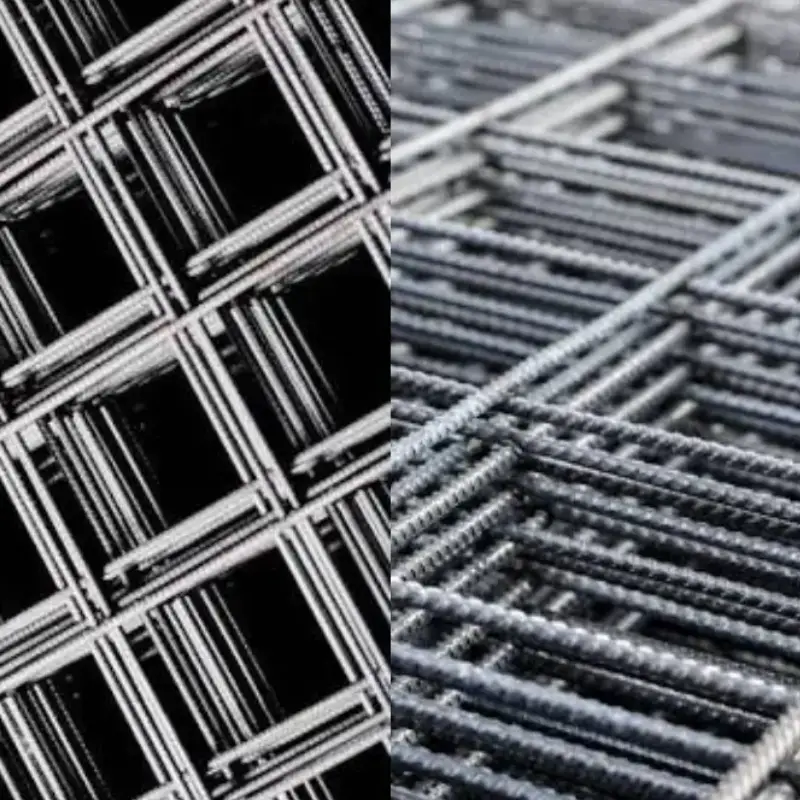
| Perforated Plate Screens | Very durable, handles heavy loads, customizable thickness |
| Hybrid Screens | Mixes wire and polyurethane for both efficiency and long life |
Polyurethane panels stand out for wear resistance and noise reduction. They work well with wet or sticky sand. Rubber screens are thicker and absorb impact, which helps in tough jobs. Perforated steel plates are strong and can be made thicker for heavy-duty work.
Callout: Choose the right screen media for your sand type. This keeps your dewatering screens working longer and saves you from frequent repairs.
Common Issues and Troubleshooting
Water Loss Solutions
You might notice water loss during sand washing and dewatering. This can lead to higher costs and less efficient operations. You want to keep as much water as possible in your system. Here are some ways you can solve water loss problems:
- Make sure you have enough washback water. This helps flush out fine particles and keeps your sand drier.
- Adjust the vacuum air-line on vacuum-assisted hydrocyclones. This can give you a drier sand discharge.
- Watch your sand washing units often. If you see too much water in the sand, try to reduce the moisture by changing the settings.
- Change the weir height on sand screws and bucket wheels. This helps you get drier sand and saves water.
- Use a properly sized hydrocyclone. This tool can manage overflow and catch lost fines.
- If your sand screws are too small, think about using bigger machines. Larger screws handle more water and keep more fine sand in your product.
- Try filter presses or belt filter presses. These machines squeeze out extra water and can even remove the need for settling ponds.
- Pre-screen your feed with a wet vibrating screen. This removes big impurities and helps your system run smoothly.
- Add a dewatering screen or table at the end. This step can lower sand moisture a lot.
Tip: Small changes in your setup can save a lot of water and give you drier sand.
Minimizing Fine Material Loss
Losing fine sand means you lose valuable product. You want to keep as much fine material as possible. Here’s a table with some techniques you can use:
| Technique | Description |
|---|---|
| Adjusting screw speed | Slow down the screw if you see fine sand building up or washing away. |
| Adding processing steps | Use two washing steps if your sand has lots of fines. |
| Ensuring adequate water supply | Make sure your washer gets enough water—about 50 gallons per minute per ton of silt. |
| Optimizing weir levels | Change weir height to control how much fine sand overflows. |
| Using rising current | Add upward water flow to keep ultra-fines in suspension and let bigger sand settle. |
| Using flush water | Spray water on the dry deck to help move fine sand and drain water. |
| Proper feed entry | Reduce turbulence where sand enters the washer to keep fines from washing away. |
| Hydrocyclone addition | Use a hydrocyclone to catch lost fines from the overflow. |
| Weir positioning | Move weirs to improve fines retention and get drier sand. |
Note: If you keep more fine sand, you get better quality and more product to sell.
Improving Dewatering Efficiency
You want your sand as dry as possible for easy handling and storage. Sometimes, you might see sand that is still too wet. Here’s how you can improve dewatering efficiency:
- Slow down the screw speed if you process finer sand. This gives sand more time to settle and lose water.
- Add more processing steps if you have a lot of very fine material. This helps you get drier sand.
- Use dewatering screens after your screw washers. These screens can lower moisture to as little as 7% in some cases.
- Pair dewatering screens with hydrocyclones or separators. This combo works well for removing extra water.
- Add spray bars to your dewatering screens. These bars help wash out even more silt and trash.
Callout: Check your equipment settings often. Small tweaks can make a big difference in how dry your sand gets.
If you follow these tips, you will see better results and less waste in your sand washing plant.
Equipment Wear and Upkeep
You want your sand washing and dewatering equipment to last as long as possible. If you take care of your machines, you save money and avoid sudden breakdowns. Equipment wear is a big challenge in sand plants. Sand is rough and can wear down parts quickly. But you can slow this down with the right habits.
Start by checking your equipment often. Regular inspections help you spot problems before they get worse. Look for signs of wear on screens, bearings, and seals. If you see cracks, rust, or loose bolts, fix them right away. This keeps your machines running smoothly.
Using the right materials makes a big difference. Polyurethane and rubber parts last longer than regular steel. These materials handle sharp sand and heavy loads better. Hard-faced steel plates also work well in high-wear spots. If you upgrade to wear-resistant parts, you spend less time and money on repairs.
Lubrication is another key step. Bearings and seals need oil or grease to work well. Follow the manufacturer’s guidelines for how often to lubricate. If you skip this step, parts can overheat or break. Clean off old grease and dirt before adding new lubricant. This helps your equipment run quietly and last longer.
You can also use variable frequency drives (VFDs) to control your machines. VFDs let you adjust the speed of motors. This means you can slow down the equipment when you do not need full power. Slower speeds reduce wear and save energy. If you use VFDs, you get more control and less stress on your machines.
Here’s a quick checklist to help you keep your equipment in top shape:
- Inspect screens, bearings, and seals every week.
- Replace worn parts with polyurethane, rubber, or hard-faced steel.
- Lubricate moving parts as recommended by the manufacturer.
- Clean equipment after each use to remove sand and debris.
- Use VFDs to control motor speed and reduce wear.
- Tighten bolts and check for leaks often.
Tip: Keep a maintenance log. Write down what you check and fix each week. This helps you spot patterns and plan for future repairs.
If you follow these steps, your sand washing and dewatering equipment will last longer and work better. You will spend less time fixing problems and more time getting clean, dry sand for your projects. Taking care of your machines is the best way to protect your investment and keep your plant running strong.
Optimizing Sand Washing and Dewatering
Best Practices for Equipment Use
You want your sand washing and dewatering equipment to work at its best. If you follow a few smart steps, you can boost your results and keep your machines running longer. Here’s a list of best practices you should try:
- Slow the screw speed when you process finer sand. This gives sand more time to settle and lose water.
- Add more processing steps if your sand has lots of impurities.
- Make sure you have enough water in your system. Water helps wash away dirt and keeps sand clean.
- Use rising current to help separate ultra-fine particles from bigger sand grains.
- Level the weirs so you control how much water and sand leave the washer.
- Use flush water to clear away buildup and keep your equipment clean.
- Feed sand into your fine material washer the right way. This stops turbulence and keeps fine sand from washing away.
- Lubricate your equipment often. This keeps moving parts working smoothly.
You also need to pay attention to a few extra details:
- Know what’s in your water. If your water has lots of minerals or dirt, it can affect your sand quality.
- Think about power and how long your project will last. You want your equipment to match your needs.
- Pick the right screens for your sand type.
- Adjust your pump RPMs to match the flow you need.
Tip: If you check your equipment every day, you can spot problems early and fix them before they get worse.
Process Adjustments for Quality
You can make your sand cleaner and more uniform by adjusting your process. Sometimes, small changes make a big difference. If you wash and classify your sand carefully, you remove dirt and silt. You also sort sand by size so it meets strict standards.
Process adjustments can significantly enhance the quality of washed and dewatered sand by improving cleanliness and gradation through various methods such as washing, classifying, and using specific equipment designed for these purposes. Washing and classifying of aggregate materials is ever increasing, especially as specifications become more stringent. The washing process is essential for removing foreign materials, dirt, and silt, which directly impacts the cleanliness of the sand. Additionally, methods like crushing, screening, and blending are employed to improve gradation, ensuring that the sand meets the necessary specifications for construction use.
You can try blending different sand batches to get the right mix. If you use crushers and screens, you can control the size and shape of your sand grains. When you adjust your process, you get sand that works better for building and industry.
Note: If you keep your process flexible, you can meet new standards and get better results.
Upgrading Screen Media
You want your dewatering screens to last longer and work better. Upgrading your screen media is a smart move. If you use high-quality materials like polyurethane or rubber, your screens resist wear and handle sharp sand. You also get quieter operation and less downtime.
Here’s a quick table to help you choose:
| Screen Media Type | Benefits | Best Use Case |
|---|---|---|
| Polyurethane | Long life, noise reduction | Wet, sticky sand |
| Rubber | Impact resistance | Large, sharp materials |
| Woven Wire Mesh | Precise openings | Fine sand, easy sorting |
| Perforated Plate | Heavy-duty, customizable | High-load applications |
If you upgrade your screen media, you spend less time fixing equipment. You also get sand that is cleaner and drier. Try new screen panels if you want your plant to run smoother.
Callout: Upgrading your screen media is one of the easiest ways to boost your sand quality and save money on repairs.
Trends in Sand Washing and Dewatering
Automation and Smart Monitoring
More sand plants use automation and smart monitoring now. These tools make your work easier and your plant more dependable. Smart sensors and IoT devices give you real-time data about your system. You can find problems early before they get worse. For example, if a dewatering screen slows down, your system will warn you right away.
Smart technology helps your equipment last longer. You do not need to guess when to fix things. The system tells you when something needs care. This means less downtime and fewer surprises. You can check your plant’s performance from your phone or computer. Remote monitoring lets you see how things work even if you are not there.
Here are ways automation and smart monitoring help you:
- You get real-time information and better control of your plant.
- You do fewer manual checks and save money on labor.
- You can spot leaks or blockages early with IoT sensors.
- Automated water sampling gives quick updates on water quality.
- SCADA systems let you control everything from one place.
Tip: If you use smart monitoring, you can fix small problems before they get big. This keeps your sand washing plant working well.
Sustainable Water Management
Water is important. You want to use less water and recycle more. Many sand plants use closed-loop water systems now. These systems clean and reuse water again and again. You save money and help the environment at the same time.
You can use thickeners and filter presses to take water out of sand and return it to your system. This means you do not need as many settling ponds. Your site stays cleaner and uses less space. Some plants collect rainwater for washing sand.
Here’s how you can manage water better:
- Recycle wash water with thickeners and filter presses.
- Use closed-loop systems to cut down on water waste.
- Collect and use rainwater when you can.
- Check water quality to meet local rules.
Note: Good water management saves money and helps protect the planet.
Advances in Wear-Resistant Materials
Sand wears down equipment fast. You want your machines to last longer. New wear-resistant materials help you do this. Polyurethane and rubber panels last longer than steel. They handle sharp sand and heavy loads without breaking.
Manufacturers now make hybrid screen panels. These mix steel with rubber or polyurethane. You get screens that last longer and need fewer repairs. This means less downtime and lower costs for you.
Check out this quick table:
| Material Type | Benefits | Best Use Case |
|---|---|---|
| Polyurethane | High wear resistance | Wet, sticky sand |
| Rubber | Absorbs impact | Sharp, large grains |
| Hybrid Panels | Long life, strong build | Heavy-duty washing |
Callout: Upgrading to better screen media means you spend less time fixing equipment and more time getting clean sand.
Conclusion
You now have a clear understanding of how sand washing and dewatering work step by step. From crushing and washing to classification and final dewatering, each stage plays a role in producing clean, low-moisture sand. Choosing the right equipment and screen media can help improve plant efficiency, reduce wear, and support more stable operation. As a screen media manufacturer, we supply screening solutions for sand washing and dewatering applications and help customers choose products that better match their material, process, and operating conditions.
FAQ
What is the main goal of sand washing?
You want to remove dirt, clay, and silt from sand. Clean sand works better for construction and industrial jobs. You get stronger, safer results.
How dry should sand be after dewatering?
Most plants aim for sand with 9–10% moisture. You can handle, stack, and store sand easily at this level.
Which equipment gives the driest sand?
Dewatering screens and filter presses help you get sand with the lowest moisture. You can reach as little as 7% water content.
Can you recycle water in sand washing?
Yes! You can use thickeners and filter presses to clean and reuse water. This saves money and helps the environment.
Why does fine sand sometimes wash away?
Fast water flow or big screen openings can cause fine sand loss. You can adjust your equipment to keep more valuable material.
How often should you check your equipment?
You should inspect screens, bearings, and seals every week. Regular checks help you spot problems early and keep your plant running strong.
What screen media lasts the longest?
Polyurethane panels resist wear and handle sharp sand well. You get longer life and less downtime with these screens.
Is automation worth it for sand plants?
Automation helps you spot issues fast and keeps your plant efficient. You save time, reduce labor, and get real-time updates.