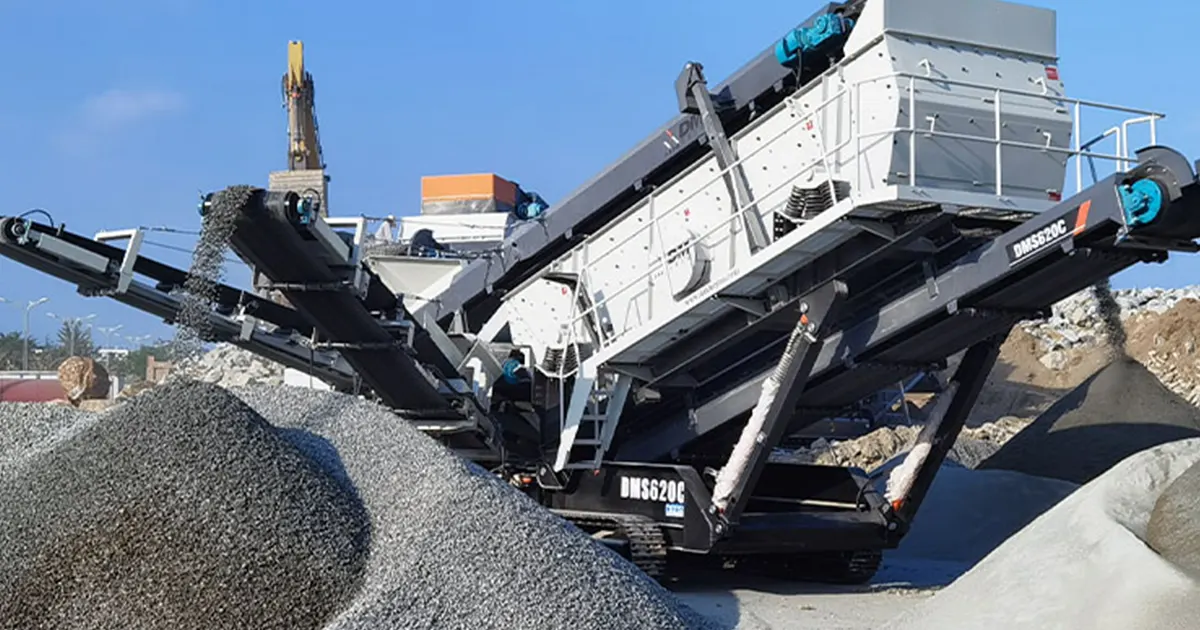
Screening asphalt screenings can feel like a puzzle. You deal with sticky fines, shifting moisture, and a mix of particle sizes. These factors affect how material moves across the screen and how clean your product turns out. For example, when you look at asphalt millings, you will see that larger sieve sizes, like 4.75 mm, retain a higher percentage of coarse particles—up to 71% in some cases. That means your choice of screen media can make or break your throughput and final product quality. So, how do you pick the best screening media for your operation? The right screen can save you time, reduce headaches, and keep your plant running smoothly.
Key Takeaways
- Pick the right screen media to help your work go faster and make better products. The right screen media can save you time and stop problems.
- Check how wet the asphalt screenings are. If they are too wet, they can block the screens and slow things down.
- Choose screen media based on the size and shape of the material. Odd shapes can change how the material moves through the screen.
- Think about how long your screen media will last and how much care it needs. Strong choices like polyurethane panels can help you work longer and spend less.
- Use screen media that fits the job you are doing. Different jobs need different screens to work best.
- Look at your screens often to see if they are worn or broken. Finding problems early can stop big issues and keep your plant working well.
- Make sure you balance price and strength when picking screen media. Buying good screens can help you save money later by needing fewer replacements.
- Talk to screen media makers for expert help. They can help you pick the best screen for what you need.
What Are Asphalt Screenings
Definition and Source
You might wonder where asphalt screenings come from. These are small pieces left over when workers grind up old asphalt roads or parking lots. Sometimes, you see them called recycled asphalt pavement. You often find these materials at a quarry. When a quarry runs a crusher, it breaks up big chunks of asphalt. After that, the quarry screening process separates the fine pieces from the larger ones. The fine material that passes through the screen becomes asphalt screenings. You can also get these from quarry screening machines that handle both rock and recycled asphalt.
Physical Properties
Asphalt screenings have some unique features. The pieces are usually small, rough, and sometimes sticky. You notice that moisture can make them clump together. This stickiness can cause problems during screening. The screen might get clogged, and you may need to stop the machine to clean it. The size of the particles can change a lot, depending on how the quarry set up the crusher and the screen. You might see everything from dust-sized grains to small pebbles. The shape is not always even, so the pieces do not fit together like puzzle pieces. When you run quarry screening, you need to watch for these changes in size and shape.
Tip: If you see your screen getting blocked, check the moisture level in your asphalt screenings. Wet material can slow down your screening process.
Common Applications
You can use asphalt screenings in many ways. Some people spread them on driveways or parking lots. Others use them as a base layer under new asphalt. In a quarry, you might mix them with other materials for road building. Quarry screening helps you get the right size for each job. If you want a smooth surface, you need to use a fine screen. For a strong base, you might choose a coarser screen. Asphalt screenings also work well for filling holes or patching roads. When you use quarry screening, you can make sure you get the best product for your project.
| Application | How Screening Helps | Typical Screen Size |
|---|---|---|
| Driveways | Makes surface smooth | Fine |
| Road Base | Adds strength | Coarse |
| Patching | Fills gaps | Mixed |
| Parking Lots | Levels surface | Fine |
Screening Challenges with Asphalt Millings
When you work with asphalt screenings, you face some tough challenges. The material does not always behave the same way. You need to know what can go wrong during screening so you can pick the right screen and keep your plant running.
Sticky Fines and Moisture
Asphalt screenings often have sticky fines. When these fines get wet, they can clump together. This makes the screening process harder. Wet material can slow down your operation and lower your output. You might notice that the screen does not clear as fast as it should. Sometimes, you have to stop and clean the screen, which wastes time.
Blinding and Pegging
Blinding happens when fine, sticky particles cover the openings in your screen. The material builds up and blocks the holes. Pegging is when larger pieces get stuck in the screen openings. Both problems mean less material passes through. You get lower efficiency and poor product quality. If you see your screen plugging up, check for moisture and sticky fines. You may need to adjust your screen type or use a self-cleaning screen to help keep things moving.
Tip: Try to keep your feed as dry as possible. If you can, cover your stockpiles or use a drying process before screening.
Irregular Particle Shape
Not all pieces in asphalt screenings look the same. Some are flat, some are round, and some have sharp edges. Irregular shapes can make screening tricky. Flat or odd-shaped pieces may sit on top of the screen instead of passing through. This can cause uneven flow and reduce your throughput. You might see more oversized material in your final product. To fix this, you may need to use a screen with a special design or change your screening angle.
Variable Feed Conditions
Feed conditions can change from hour to hour. Sometimes, the material is dry and easy to screen. Other times, it is wet or has more fines. These changes affect how well your screen works. You need to watch for shifts in moisture, particle size, and mix ratio.
Here is a table that shows how much these factors can vary in a typical screening plant:
| Metric | Value |
|---|---|
| Standard Deviation of Moisture | 0.27% |
| Standard Deviation of Asphalt-Aggregate Ratio | 0.43% |
| Coefficient of Variation (CV) at 9.5 mm Sieve | 3.87% |
| Coefficient of Variation (CV) at 4.75 mm Sieve | 3.21% |
| Coefficient of Variation (CV) at 2.36 mm Sieve | 4.12% |
| Coefficient of Variation (CV) at 1.18 mm Sieve | 3.95% |
| Coefficient of Variation (CV) for Mineral Filler | 3.56% |
| Maximum Difference from Mean at 90% Guarantee Rate | 3.0% |
If you want smooth screening, you need to keep an eye on your feed. Adjust your screen setup when you see big changes in the material. This helps you avoid downtime and keeps your product quality high.
Why Selecting the Right Screen Media Matters
Impact on Throughput and Quality
You want your screening plant to run at its best. The type of screen media you choose has a big effect on capacity and throughput. If you pick the wrong media, you might see slowdowns or even blockages. Some screens handle the first impact of asphalt screenings better than others. For example, heavy-duty polyurethane or punch plates can take the hit from rough material. When you move to the main screening phase, you need a balance. You want enough open area for good screening efficiency, but you also need the screen to last. If you focus on the final separation, you need high open area for sharp separation accuracy. This helps you get the right size product every time.
Tip: If you notice your screen plugging up, check if your media matches the phase of screening. Sometimes, switching to a different type can boost your operational efficiency.
Maintenance and Downtime
Nobody likes to stop the plant for repairs. The right screen media can cut down on maintenance and keep your screening running longer. If you use a screen that wears out fast, you will spend more time changing it. Woven wire screens are cheap, but they do not last as long. You might find yourself replacing them often. Rubber panels last longer, but they have fewer openings, which can slow down your screening. Polyurethane screens give you more screen life, but you may see less capacity. You need to find the right balance for your plant. Less downtime means more product and less stress for you.
A quick checklist for less downtime:
- Inspect your screen regularly for wear.
- Choose media that matches your material and load.
- Keep spare panels on hand for quick swaps.
Cost and Wear Life
You want to keep costs low, but you also want a screen that lasts. The wear life of your screen media affects how often you need to buy new ones. If you go with cheaper screening media, you might save money at first. But if you have to replace it all the time, costs add up. Woven wire screens cost less, but you will change them more often. Rubber and polyurethane panels last longer, but they can lower your throughput. You need to think about both the price and how long the media will last. The right choice can save you money and keep your plant running strong.
Note: Always look at both the upfront cost and the expected screen life. A more durable screen can pay off in the long run.
When you match your screen media to your asphalt screenings, you get better separation, higher capacity, and less downtime. This means more profit and less hassle for your operation.
Comparing Screening Media Options
Woven Wire Mesh
You see woven wire mesh in many quarry screening plants. This type of screen media works well for asphalt screenings when you want to separate fine material. The open area in woven wire mesh lets a lot of material pass through. You get good throughput and sharp separation. If you need to screen small particles, this media gives you the accuracy you want.
Woven wire mesh is easy to install and replace. You can cut it to fit different screen decks. In a busy quarry, you might swap out worn panels quickly. The downside is that wire mesh wears out faster than other types. If you run heavy or sticky material, you may need to change the mesh often. You also see more blinding when you screen wet or sticky asphalt screenings.
Tip: Use woven wire mesh for fine screening jobs where you need speed and accuracy. Keep extra panels ready for quick changes.
Self-Cleaning Screens
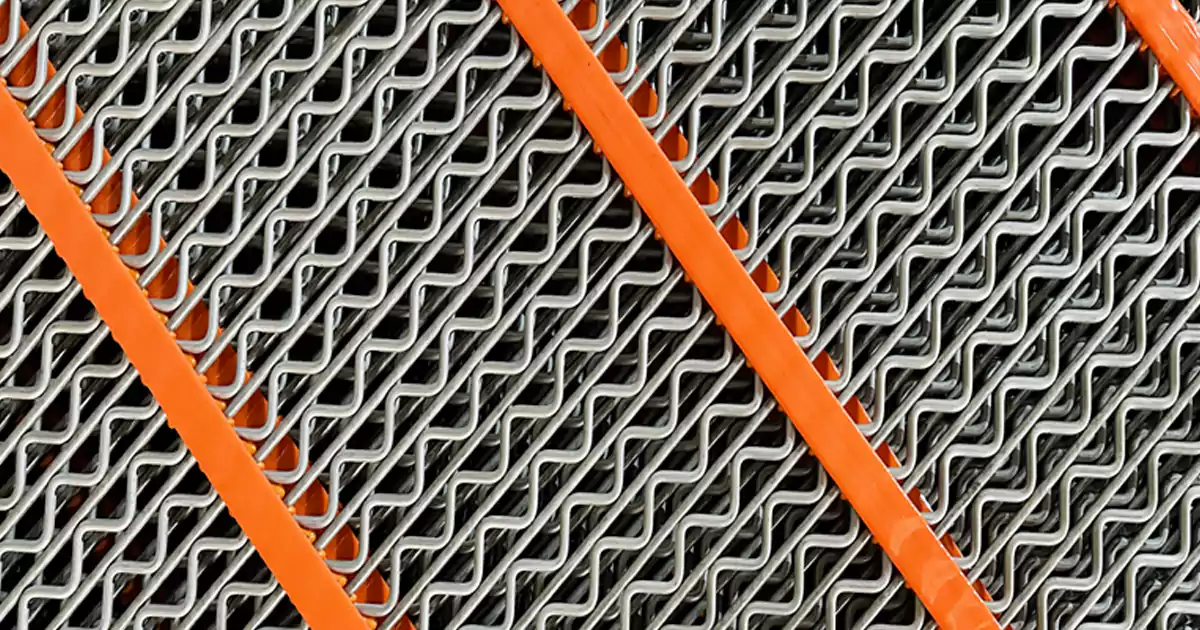
Self-cleaning screens help you solve problems with blinding and pegging. These screens use special wires or shapes that move as material passes over them. The movement shakes off sticky fines and keeps the openings clear. You see self-cleaning screens in many quarry screening setups, especially when you deal with wet or sticky asphalt screenings.
There are different types of self-cleaning screen media. Some use crimped wires, while others use flexible polyurethane strips. You can pick the style that fits your plant. Self-cleaning screens keep your throughput high because you do not stop to clean the screen. You also get better product quality since the openings stay open.
If you run a quarry with changing feed conditions, self-cleaning screens give you more uptime. You spend less time on maintenance and more time screening. These screens cost more than woven wire, but you save money on labor and downtime.
Note: Try self-cleaning screens if you see a lot of blinding or pegging. They work best when you screen sticky or wet material.
Polyurethane Panels
Polyurethane panels give you a tough and long-lasting option for screening. You see these panels in quarry screening plants that handle heavy loads. Polyurethane screen media stands up to wear, cuts, and impacts. If you want a screen that lasts, this media is a smart choice.
You get less open area with polyurethane panels, so throughput can drop compared to wire mesh. But you gain more durability and less maintenance. Polyurethane panels resist heat and do not deform easily. They also give you good traction and stability for your screening plant.
Here is a table that shows how polyurethane panels perform in asphalt millings screening:
| Performance Indicator | Description |
|---|---|
| Abrasion Resistance | Handles wear and tear from friction and contact. |
| Low Heat Penetration Coefficient | Stays cool, which helps the panels last longer. |
| Compressive Strength | Takes heavy loads without breaking. |
| Cut Resistance | Stays effective even in harsh conditions. |
| Resilience Strength | Absorbs impacts and bounces back without damage. |
| Design of Track Pads | Spreads out force and keeps machinery stable. |
| Traction Support | Gives steady traction for smooth screening. |
You can use polyurethane panels for both primary and secondary screening. They work well in a quarry where you want less downtime and longer screen life.
Tip: Choose polyurethane screen media if you want less maintenance and more durability, especially for tough quarry screening jobs.
Perforated Plate
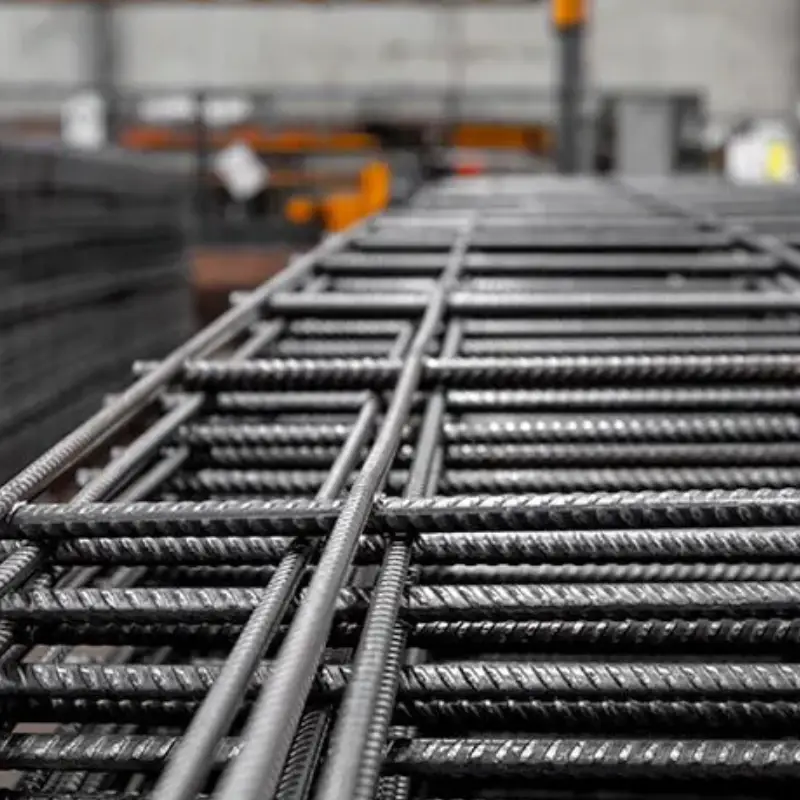
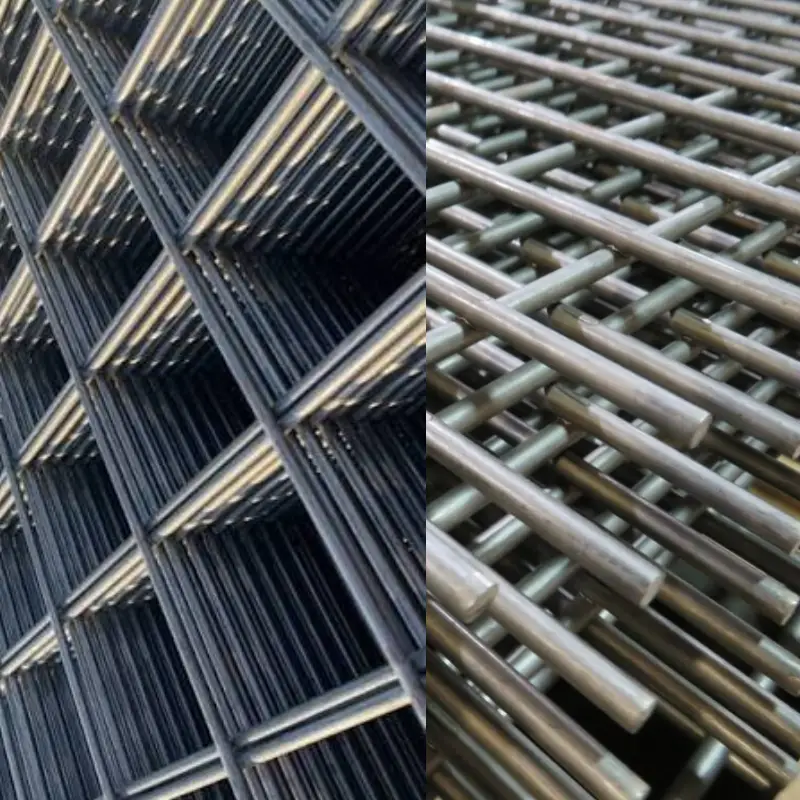
You might see perforated plate screens in heavy-duty screening jobs. These screens use thick steel plates with holes punched in them. The holes can be round, square, or slotted. You pick the shape based on the size and type of your asphalt millings. Perforated plate works well when you need a tough screen that can handle rough material.
If you run a plant with lots of impact and sharp edges, this screen stands up to the challenge. The solid steel plate resists bending and breaking. You get a long wear life, even when you screen abrasive or chunky asphalt millings. This means you spend less time changing out worn screens and more time keeping your screening plant running.
One thing you notice with perforated plate is the lower open area. Fewer holes mean less material passes through at once. Your screening throughput might drop compared to wire mesh or self-cleaning screens. If you need high capacity, you may want to use perforated plate only on the top deck or in the first stage of screening. This lets you protect the lower screens from big impacts while still getting good separation.
Here’s a quick look at when to use perforated plate:
| Situation | Why Choose Perforated Plate? |
|---|---|
| Heavy, abrasive material | Long wear life and strength |
| Large, sharp-edged millings | Resists bending and breaking |
| Top deck or primary screening | Protects lower screens |
| Need for durability over speed | Fewer changeouts, less downtime |
Tip: If you see your screen wearing out fast, try switching to perforated plate on the top deck. This can save you money and reduce downtime.
You can also combine perforated plate with other screen types. For example, use perforated plate on the top deck and wire mesh or polyurethane panels below. This setup gives you both strength and good screening efficiency. You get the best of both worlds.
When you choose a perforated plate, check the hole size and pattern. Make sure it matches your target product size. If you want to avoid pegging, pick a hole shape that fits your material. Square holes work well for most asphalt millings, but you can ask your supplier for advice.
Perforated plate screens cost more up front, but they last longer. You save money on replacements and keep your screening plant running with less hassle. If you want a tough, reliable screen for your hardest jobs, perforated plate is a smart choice.
Pros and Cons of Screen Media Types
Woven Wire Mesh
Advantages
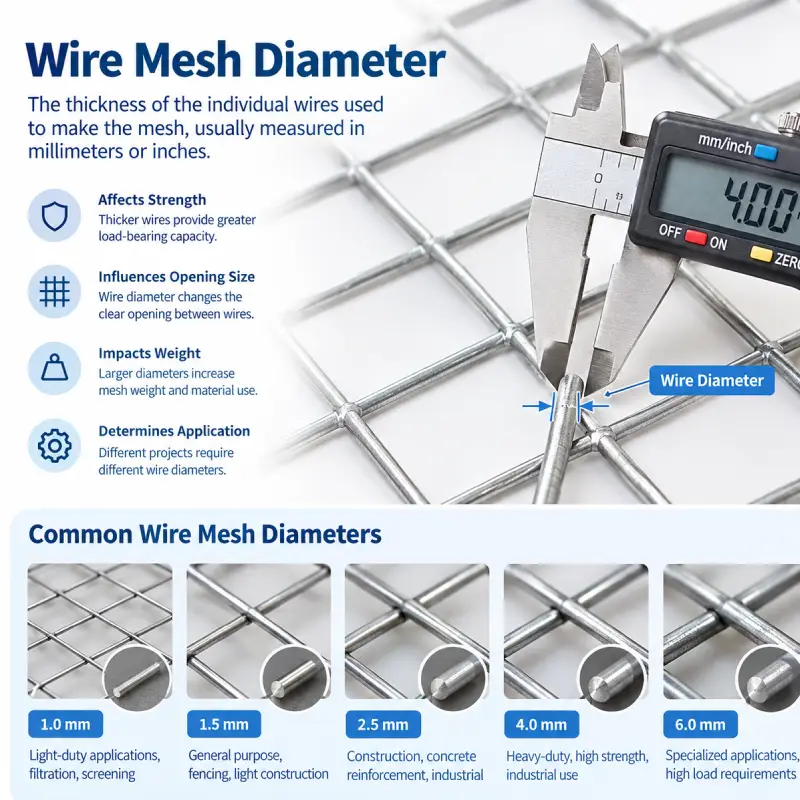
Woven wire mesh is a good choice for screening asphalt millings. You can change the mesh to fit your needs. If you want a certain opening size or wire thickness, you can get it made for your plant. This helps you match the screen to your material and the size you want.
Here’s a simple look at why woven wire mesh works well:
| Advantage | Description |
|---|---|
| Customizability | You can change it for your material and size needs. |
| Durability | Stainless steel mesh lasts longer and does not rust easily. |
| High Tensile Strength | Handles heavy loads without breaking or stretching. |
| Corrosion Resistance | Works well in tough places and does not rust. |
| Aperture Customization | Lets you pick the opening size you need. |
| Vibrational Dynamics | Moves with the screen, helping particles separate better. |
| Open Area Ratio | Gives you more open space, so screening is faster and better. |
You get fast screening and sharp separation with this mesh. The open area lets more material go through, so your plant can run quickly.
Disadvantages
Woven wire mesh has some problems. It wears out faster than other screen types, especially with sticky or rough material. You might need to replace it more often, which means more maintenance. If you screen wet or sticky asphalt millings, you may see more blinding and pegging. This means you have to stop and clean the screen.
Self-Cleaning Screens
Advantages
Self-cleaning screens help a lot when you screen sticky or wet asphalt millings. These screens use special wires that move and shake as material goes over them. This keeps the holes clear and stops blinding and pegging.
See how self-cleaning screens work for different grades:
| Screen Grade | Recommended Use | Self-Cleaning Feature |
|---|---|---|
| PM-Grade | Moist and sticky materials | Self-cleaning from wires moving back and forth |
| RM-Grade | Moist and sticky materials | Self-cleaning from wires moving back and forth |
| DM-Grade | Moist and sticky materials | Self-cleaning from wires moving back and forth |
| TM-Grade | Moist and sticky materials | Self-cleaning from wires moving back and forth |
You get more time working because you do not have to stop to clean the screen. Self-cleaning screens keep your plant running and help you get a better product.
Disadvantages
Self-cleaning screens cost more than woven wire mesh. You also need to check if your plant works with these screens. If you do not install them right, you might not get the self-cleaning effect. Sometimes, the wires wear out faster if you screen sharp or heavy material.
Polyurethane Panels
Advantages
Polyurethane panels are strong and last a long time for screening. They handle heavy loads and resist wear better than rubber or metal. You can trust these panels to keep working, even with rough asphalt millings.
Polyurethane sheets are better than rubber and metal for wear resistance. They can handle lots of friction and heavy impact. Metal can rust, but polyurethane stays strong and does not break down. This means you spend less money on repairs.
You spend less time fixing and more time screening. Polyurethane panels also resist heat and do not bend easily.
Disadvantages
Polyurethane panels have some downsides. Making them is harder, so they cost more. They are not as strong against big impacts as solid plate screens, so they might wear out faster with large or sharp material. You also need to install them carefully to get the best results.
| Drawback | Description |
|---|---|
| Harder to make | Costs more money |
| Not as strong as solid plate screens | May wear out faster with big or sharp material |
| Needs careful installation | Important for good performance |
If you want a screen that lasts and needs less fixing, polyurethane panels are a smart choice for many screening plants.
Perforated Plate
Advantages
When you want a tough screen for your screening plant, perforated plate stands out. This type of screen uses thick steel plates with holes punched in them. You get a strong surface that can handle heavy and sharp asphalt millings. If you deal with rough material, you will notice that perforated plate lasts longer than many other options.
Here are some reasons why you might choose perforated plate for your screening:
- Durability: Perforated plate resists bending and breaking. You can run heavy loads without worrying about damage.
- Wear Life: This screen type holds up well against abrasive materials. You spend less time changing screens and more time screening.
- Impact Resistance: Large, sharp particles do not easily damage the plate. You get steady performance even with tough feed.
- Versatility: You can use perforated plate on the top deck to protect other screens below. This setup helps your whole screening system last longer.
Tip: If you see your top deck wearing out fast, try switching to perforated plate. It can save you money on replacements.
You also get the option to pick different hole shapes and sizes. This means you can match the screen to your target product. Square holes work well for most asphalt millings, but you can ask your supplier for advice.
Disadvantages
Perforated plate is not perfect for every screening job. You need to think about a few drawbacks before you choose this screen.
- Lower Open Area: Perforated plate has fewer holes than wire mesh. Less open space means less material passes through at once. Your screening throughput might drop.
- Heavier Weight: These screens are heavy. You may need extra help to install or replace them.
- Cost: Perforated plate costs more up front. While it lasts longer, the initial price can be higher than other screen types.
- Blinding Risk: Sticky or wet material can block the holes. You might see more blinding if you screen moist asphalt millings.
| Advantage | Disadvantage |
|---|---|
| Long wear life | Lower throughput |
| Handles heavy loads | Heavier to install |
| Resists impact | Higher initial cost |
| Protects lower decks | Can blind with wet material |
Note: If you need high capacity for fine screening, perforated plate may not be the best choice. Use it where strength and wear life matter most.
When you pick a screen for your screening plant, think about your material and your goals. Perforated plate gives you strength and long life, but you trade off some speed. If you want a reliable screen for tough jobs, this option works well.
Selecting the Right Screen Media: Key Factors
Material Condition and Moisture
When you start selecting the right screen media for your quarry, you need to look at the condition of your asphalt millings. Wet material can cause big problems. If your millings have high moisture, they tend to stick together. This can clog your screen and slow down your screening process. You might see your machine stop more often because the material binds and blocks the openings.
Here’s a quick look at what affects your screening results:
| Influencing Factor | Description |
|---|---|
| Grain Shape | Changes how material moves through the screen |
| Moisture Content | High moisture can lead to binding and clogging |
| Feed Quantity | Impacts the efficiency of the screening process |
You want to keep your feed as dry as possible. Cover your stockpiles if you can. If you notice your screen blinding, check the moisture first. Some screen media, like self-cleaning screens, work better with sticky or wet material. Polyurethane panels also help because they resist clogging. When you choose your media, always think about how wet or dry your material is.
Tip: Wet materials can bind and clog your screening machines. Always check moisture content before you start screening.
Target Size and Precision
You need to know your target size before you pick your screen. If you want fine material, you need a screen with small openings. For coarse millings, larger openings work better. The right screen media helps you get the separation accuracy you want. Woven wire mesh gives you sharp separation and works well for fine screening jobs. If you need to hit a tight spec, this media is a good choice.
Think about what your customer wants. If you need to deliver a certain size, make sure your screen matches that goal. Self-cleaning screens help keep your separation precise, even when your material is sticky. Polyurethane panels can also give you good accuracy, but they work best for medium to coarse sizes.
Note: Always match your screen opening to your target product size. This helps you keep your screening efficiency high and your customers happy.
Throughput and Load
You want your quarry to run at full capacity. The type of screen media you use affects how much material you can process. If you pick a screen with a high open area, like woven wire mesh, you get more capacity and throughput. This means more product in less time. But if your material is heavy or abrasive, you might need a tougher screen, like perforated plate or polyurethane panels. These last longer but may lower your throughput.
Screening media must handle the load from your feed. If you push too much material, you can overload your screen and hurt your efficiency. Always check your plant’s specs. Make sure your screen can handle the weight and volume you plan to run. If you see your screen wearing out fast, try using a stronger media on the top deck and a finer one below.
Here’s a simple checklist for matching your screen to your load:
- Check your plant’s maximum capacity.
- Pick media that matches your feed rate.
- Use heavy-duty screens for high-impact areas.
- Switch to finer screens for final separation.
Tip: Don’t over-tension your screen. Too much tension can shorten screen life and lower your screening efficiency.
When you look at all these factors—material condition, target size, and load—you can make a smart choice. The right screen media keeps your quarry running smoothly and helps you get the best results from your screening process.
Wear, Cost, and Maintenance
You want your screening plant to run without trouble. The wear and tear on your screen can slow you down and cost you money. When you pick your screen media, you need to think about how long it will last and how much it will cost to keep it working.
Some screens wear out fast. Woven wire mesh gives you good speed, but you may need to replace it often. Polyurethane panels last longer, but they cost more up front. Perforated plate stands up to rough material, so you spend less time changing screens. Self-cleaning screens help you avoid blinding, which means less downtime for cleaning.
Here’s a simple table to help you compare:
| Screen Media Type | Wear Life | Maintenance Needs | Cost |
|---|---|---|---|
| Woven Wire Mesh | Short | Frequent | Low |
| Polyurethane Panels | Long | Less Often | High |
| Perforated Plate | Very Long | Rare | Higher |
| Self-Cleaning Screens | Medium | Less Cleaning | Medium-High |
You need to balance cost and wear life. If you buy cheap screens, you might spend more on replacements. If you invest in tough media, you save money over time. Maintenance matters, too. If you spend less time fixing your screen, you get more product and less stress.
Tip: Keep spare screens ready. Quick swaps help you avoid long stops and keep your screening plant moving.
Plant Compatibility and Setup
Your screening plant has its own needs. Not every screen media fits every plant. You need to match your media to your setup for the best results.
Some plants use incline screens. These screens help material flow better and use less power. Horizontal screens work well in tight spaces or on portable plants. You need to pick the right screen for your plant’s layout.
The type of aggregate you process matters, too. If you use wire cloth, urethane, or rubber that matches your material, you boost the lifespan and efficiency of your screen. Compatible media makes your screening operation smoother and more effective.
Here’s a quick checklist for plant setup:
- Check your screen deck angle.
- Pick media that fits your plant’s size and shape.
- Make sure your screen matches your feed rate and material type.
- Adjust stroke, rpm, and angle for best screening results.
Note: If you set up your screening plant right, you get more efficiency and less downtime. Always check your plant specs before you choose your screen media.
You can make your screening plant work better by matching your screen media to your setup. When you do this, you get more product, less wear, and a smoother operation.
Common Mistakes in Screen Media Selection
Overlooking Material Properties
You might think all asphalt millings act the same during screening. That’s not true. If you ignore the material properties, you can run into big problems. Sticky fines, moisture, and irregular shapes change how the material moves across the screen. When you don’t check these details, you may pick a screen that clogs or wears out fast. For example, wet millings can blind the screen and slow down your screening process. If you use the wrong media, you spend more time cleaning and less time producing. Always look at the moisture level, particle size, and shape before you choose your screen. This helps you avoid downtime and keeps your screening plant running smoothly.
Tip: Test your material before you start screening. You can spot problems early and pick the right screen for the job.
Ignoring Wear and Maintenance
You want your screening plant to work without trouble. If you ignore wear and maintenance, you risk costly repairs and lost time. Some screens wear out faster than others. Woven wire mesh gives you good speed, but you may need to replace it often. Polyurethane panels last longer, but you must check them for damage. If you don’t inspect your screen regularly, you might miss signs of wear. This leads to unexpected breakdowns and stops your screening operation. Keeping spare screens ready helps you swap them quickly and avoid long delays.
Here’s a simple checklist for maintenance:
- Inspect your screen for holes or tears.
- Clean the screen after each shift.
- Keep extra panels on hand.
- Schedule regular checks for wear.
Note: A well-maintained screen keeps your screening plant efficient and reduces downtime.
Focusing Only on Price
You might want to save money by picking the cheapest screen. That can cause more problems than it solves. Low-cost screens may wear out fast or clog during screening. If you focus only on price, you could spend more on replacements and repairs. It’s better to balance cost with durability and performance. A tough screen lasts longer and keeps your screening plant running. You get more value when you look at the total cost, not just the price tag.
| Mistake | Result | Better Choice |
|---|---|---|
| Buying cheapest screen | Frequent replacements | Durable screen media |
| Ignoring performance | Lower screening efficiency | Balanced screen selection |
| Skipping maintenance | More downtime | Regular screen checks |
Remember: The right screen saves you money in the long run. Don’t let price be your only guide.
Mismatching Media to Application
You might think any screen will work for your screening job. That’s a common mistake. If you pick the wrong screen for your application, you can run into a lot of trouble. Each screening job is different. You need to match your screen to your material, your plant, and your goals.
Let’s look at what happens when you mismatch your media:
- You might see your screen clog up fast. Sticky asphalt millings can blind a wire mesh screen. This slows down your screening and lowers your output.
- You could wear out your screen too soon. Heavy, sharp millings can cut through a soft screen. You end up changing screens more often.
- Your screening might not give you the right size product. If you use a coarse screen for fine material, you get poor separation. Your customers might complain about the quality.
Here’s a table to help you see what can go wrong:
| Application Problem | Wrong Screen Choice | Result |
|---|---|---|
| Sticky, wet millings | Standard wire mesh | Fast blinding, low screening |
| Heavy, sharp millings | Thin or soft panels | Quick wear, more downtime |
| Fine product needed | Large opening screen | Poor separation, bad quality |
| High throughput needed | Low open area panels | Slow screening, bottlenecks |
You want your screening to run smooth. That means you need to think about your material and your plant. Ask yourself these questions:
- Is my material sticky or dry?
- Do I need fine or coarse product?
- How much material do I want to process each hour?
- Does my plant use incline or horizontal screens?
If you answer these questions, you can pick the right screen for your screening job. For sticky material, try self-cleaning screens. For heavy loads, use perforated plate or thick polyurethane panels. For fine screening, woven wire mesh works best.
Tip: Always talk to your screen supplier about your application. They can help you choose the best screen for your screening needs.
When you match your screen to your application, you get better results. You spend less time fixing problems and more time making quality product. Your screening plant runs better, and your team stays happy.
Conclusion
Choosing the right screen media can make a real difference in screening performance. The best option depends on your material, plant conditions, and production goals. A well-matched screen helps reduce downtime, improve efficiency, and keep your operation running more smoothly. As a screen media manufacturer, we produce screening solutions for a wide range of applications and understand how different working conditions require different designs. With the right screen media, you can improve material flow, maintain product quality, and achieve more reliable plant performance.
FAQ
What is the best screen for sticky asphalt millings?
You should try a self-cleaning screen. This type helps prevent blinding when you do screening with sticky or wet material. It keeps your operation moving and reduces downtime.
How often should I replace my screen media?
Check your screen every week during screening. If you see holes, tears, or heavy wear, replace it right away. Regular checks help you avoid bigger problems and keep your screening plant running.
Can I use the same screen for all types of asphalt millings?
No, you need to match your screen to your material. Fine millings need a different screen than coarse ones. Always choose the right screen for your specific screening job.
Why does my screen blind during screening?
Blinding happens when sticky fines or moisture block the openings. You can reduce this by keeping your material dry and using a self-cleaning screen. This helps your screening process stay efficient.
What screen media lasts the longest?
Perforated plate and polyurethane panels last longer than woven wire mesh. If you want less maintenance during screening, pick these options for your screen.
How do I know if my screening plant is using the right screen?
Watch your screening results. If you see slow throughput, poor separation, or frequent clogs, your screen might not fit your needs. Ask your supplier for advice on the best screen for your screening plant.
Can I mix different screen types in one screening plant?
Yes! You can use a tough screen like perforated plate on the top deck and a finer screen below. This setup helps your screening plant handle heavy loads and still get good separation.