You likely know how annoying it is when feed is not steady or when equipment stops working without warning in your crushing and screening operation. These problems make your work slower and cost more money. If you work on making crushing and screening better, you can move more material, work faster, and spend less on fixing machines. You also help your machines last longer, which means they use less fuel. If you want to get more done and spend less, start by finding ways to make crushing work better in your operation.
Key Takeaways
- Keeping feed material steady helps crushers work better. Watch your feed size and flow to stop downtime.
- Pick the right equipment for your material type. Match crushers and screens to what you need for good results.
- Maintenance is important. Check and clean your machines often to stop breakdowns and help them last longer.
- Use automation and real-time monitoring. These tools help you find problems fast and keep things running well.
- Change your crusher settings a little. Small changes can make material shape better and give higher quality output.
- Use pre-screening to take out unwanted material. This makes size reduction easier and keeps your equipment safe.
- Train your operators often. Staff who know what to do can spot problems early and keep things working well.
- Think about upgrading your equipment. New machines can work better and lower your costs.
Crushing and Screening Process Overview
Stages of Crushing and Screening
You begin with big rocks and need smaller pieces. Crushing and screening break rocks down step by step. Each stage has its own job. Look at this table to see how the process works:
| Stage | Description |
|---|---|
| Primary Crushing | Large rocks are broken into smaller bits using machines. |
| Secondary Crushing | The quality and size get better, often with rolls spinning at different speeds. |
| Tertiary Crushing | You make certain sizes and shapes for special uses, which matters for construction. |
Each stage has a special role in crushing. If you make these steps better, you work faster and save money. You also make sure your materials are good for building projects.
Impact on Aggregate Quality
You want your final product to meet strict rules. How you crush rocks—by compression, impact, or attrition—changes their size and shape. The crushing depends on how hard the material is and your equipment settings. Screening is important too. It sorts the material by size, so you get the right mix for your job. Vibratory screens and air classifiers help you adjust your aggregates. If you pay attention to these things, you get better results and higher quality.
Tip: Change your equipment settings and check your material often. This keeps your product steady and stops waste.
Process Flow in Crushing and Screening Operation
Most crushing and screening operations follow simple steps. Here’s a quick look:
| Stage | Description |
|---|---|
| Crushing | Crushers like jaw or cone make the material smaller. |
| Screening | Screens sort the material by size. |
| Additional | Sometimes you add sand making or powder separation after screening. |
First, you make the material smaller. Next, you sort it by size. Sometimes, you do extra steps. This process helps you get the right material for your needs. If you know each stage, you can find problems and fix them.
Key Factors for Efficient Crushing and Screening
You want your crushing and screening to work well. Let’s look at the main things that help you get more from your feed material.
Feed Consistency and Size
If your feed material stays steady and uniform, crushing is easier and faster. You avoid sudden stops and your machines last longer. Here’s what you should check:
- Look at your quarry shot material for feed size, gradation, chemical makeup, clay, hardness, and changes in the deposit.
- Bigger feed sizes slow down processing and wear out machines. Smaller, steady sizes help your operation run better.
- Steady material flow keeps efficiency high and stops extra stress on equipment.
- The particle size of your feed, crusher setting, and speed all affect how well your jaw crusher works.
Maintaining Steady Material Flow
You need a steady stream of material, not bursts or gaps. Condition monitoring lets you check key parts all the time. This helps you find problems before they stop your operation. You can use new technology for real-time checks. If you see a change in material flow, you can fix it fast.
Tip: Calibrate frequency and amplitude settings in your equipment. This helps material move better and lowers the risk of segregation.
Pre-Screening for Fines and Oversized Material
Pre-screening takes out fines and big pieces before they reach the crusher. This makes size reduction easier. You protect your crusher from overload and improve your final product. If you use vibrating screens or scalping screens, you sort out unwanted material early.
Equipment Performance and Settings
Your equipment settings matter a lot for crushing efficiency. If you adjust your machines right, you get better results and save money.
- Proper feed size and gradation are important for crusher performance.
- Keep your crusher settings checked to boost efficiency.
- Maintain wear parts to stop reduced output.
- Improve material flow and cut recirculating load for better processing.
- Use automation and real-time monitoring to make performance better.
Adjusting Crusher Closed Side Settings
The closed-side setting (CSS) of your crusher decides the output size. Small changes can make a big difference. If you set a tighter CSS, you get more fines and better shape, but less total throughput. A wider CSS gives you more volume but may change particle shape.
- Set the CSS to make material good for secondary crushing.
- Pick the right liner for cone and gyratory crushers based on feed gradation.
- Watch crushing force and hydraulic pressure to avoid packing problems.
- Choke-feed your chamber for the best particle shape and performance.
Optimizing Screen Inclination and Vibration
Screen inclination and vibration settings help you sort material faster and more accurately. If you adjust these settings, you improve size reduction and keep your operation efficient. Use advanced vibration technology and regular maintenance checks to spot issues early.
Efficient crushing and screening equipment is important for getting the most production and lowering costs. On-site analysis, equipment optimization, and operator training all help you work better.
Energy Use and Throughput
You want to use less energy and get more material through your operation. Here’s how different factors affect energy use and throughput:
| Factor | Impact on Energy Use | Impact on Throughput |
|---|---|---|
| Circulating Load | Changes cause energy waste | Higher circulating load lowers throughput |
| Feed Size Distribution | Bigger size needs more energy | Larger feed size lowers throughput |
| Real-time Monitoring | Makes energy use better | Keeps throughput steady |
If you optimize your circuit, you find bottlenecks and places with extra capacity. Upgrade equipment and replace old machines to improve performance. Adjust screen media and manage material flow to boost efficiency.
- Optimize the whole crushing circuit by finding bottlenecks.
- Upgrade equipment for better performance.
- Adjust screen media and manage material flow.
- Cut downtime with good screen media.
- Manage material flow for downstream processes.
- Make sure screen media can handle the flow rate from upstream.
You can make crushing more efficient by focusing on these key factors. If you monitor your operation, adjust your settings, and use the right technology, you get better results and save money.
Choosing Equipment for Crushing Efficiency
Crusher Selection for Material Type
You need to pick the best crusher for your job. The kind of material you use changes how you plan your crushing process. Hard rocks need strong machines. Softer rocks can use lighter crushers. Jaw crusher choices are important for tough material. You should also think about how much you want to crush at once and your production goals.
Here’s a table to help you choose the right crusher:
| Criteria | Details |
|---|---|
| Ore Properties | Hardness, abrasiveness, moisture content, mineralogy, brittleness, density, and structure. |
| Production Needs | Target product size, capacity requirements, reduction ratio, single-stage vs. multi-stage crushing. |
| Budget and Operational Costs | Initial investment, operating costs, maintenance frequency and complexity. |
You can pick jaw, cone, or impact crushers. Jaw crushers are good for breaking big rocks first. Cone crushers let you control the size and shape better. Impact crushers make fine material and work quickly. Each crusher has its own strengths. Match your choice to your material and what you want to produce.
Screening Equipment Choices
Vibrating and Scalping Screens
Screening equipment sorts material after crushing. Vibrating screens move material fast and keep sizes steady. Scalping screens take out unwanted pieces before they reach the crusher. When you design a good crushing system, pick screens that fit your material and how much you want to produce.
Here’s what you should remember:
- Steady feed keeps screens working well.
- If feed is not steady, big pieces or fines can slip through.
- Screen opening design affects how well the machine works and the quality.
If you pick the wrong screen media, you can get bad material separation, mixed sizes, and costly mistakes like frequent replacements and uneven material quality.
- Good screening equipment stops problems like pegging and blinding.
- These issues cause delays and unwanted downtime.
- The right equipment keeps your output high and your material quality steady.
High-frequency vibration helps fine particles move and sort faster. Incline screens make material travel quicker and stop sticking, which boosts throughput.
Matching Equipment to Production Needs
You must match your crushing and screening equipment to your production needs. To improve efficiency, look at your material, how much you want to produce, and your budget. Here’s a table to help you:
| Factor Type | Description |
|---|---|
| Economic indicators | Think about starting costs, total price, payment methods, and installation costs to make sure you can afford it. |
| Technical indicators | Check equipment reliability, how it is made, and how well it works to make sure it lasts and performs well. |
| Product indicators | Look at blasting rock condition, type, strength, hardness, moisture, and feeding method to match equipment to your material. |
Upgrading and modernizing your equipment gives you big benefits. You get better performance, more crushing force, and process more material each hour. You also keep your output size steady. Upgrades make your equipment more reliable and flexible, so you can change your process when needed. You can change liners faster, cut downtime, and make your operation safer and more sustainable.
If you focus on designing a good crushing system, your equipment lasts longer and costs less. You also improve production time and reduce waste. When you match your crusher and screens to your material and production goals, you set yourself up for success.
Feeding and Hopper Design in Crushing and Screening Operation
Importance of Consistent Feed
You want your crushing operation to work well. One way to do this is to keep your feed material steady. If the flow stays the same, each crusher gets the right amount all the time. This stops sudden starts and stops. Sudden stops can slow you down and hurt your machines. Steady feed keeps your crushing process stable. You reach your production goals faster. You also get more material through and better results.
Tip: Check your feed material often. If you see big changes in flow, fix them fast to keep everything working well.
Hopper Design and Bridging Prevention
Hoppers are important for your crushing system. If your hopper is not designed well, bridging can happen. Bridging means feed material gets stuck and stops moving. You want to stop this because it causes downtime and puts stress on your equipment.
Here are some hopper design features that help stop bridging:
| Design Feature | Description |
|---|---|
| Control of moisture | Keep moisture levels right so material flows easily. |
| Selection of appropriate hopper design | Use conical hoppers with good angles to help feed material move without sticking. |
| Use of hopper liners | Add low-friction liners to keep material from sticking to the sides. |
| Implementation of flow aids | Use flow aids to break up blocks and keep material moving, so you don’t have to fix jams by hand. |
If you use these features, you keep your feed material moving and avoid delays.
Feeder Types and Choke Feeding
Feeders help you control how much feed material goes into your crushing equipment. You can pick different types, like vibrating feeders or belt feeders. The right feeder keeps the flow steady and stops your machines from getting overloaded.
Choke feeding is a smart way to make crushing work better. When you keep the crushing chamber full, you get better particle shape and more even power use. Here’s a quick look at why choke feeding works well:
| Advantage | Description |
|---|---|
| Improved Particle Shape | Full chambers help crush material against itself, making better-shaped pieces. |
| Stabilized Power Draw | A steady chamber keeps power use even and avoids big spikes. |
| Enhanced Overall Performance | You get more material through the crusher and your whole operation runs better. |
Note: Always check your feeder settings and hopper design. Small changes can make a big difference in how well your crushing system works.
If you focus on your feed material, hopper design, and feeder type, you keep your crushing operation running smoothly and stop problems before they start.
Crusher Settings to Maximize Crushing Efficiency
Primary, Secondary, and Tertiary Crusher Adjustments
You can make your crushing work better by changing settings at each step. Each crusher does a different job. If you set them right, you get better results and higher quality. Look at this table to see what each stage does:
| Crushing Stage | Input Size (mm) | Output Size (mm) | Equipment Used | Key Characteristics |
|---|---|---|---|---|
| Primary Crushing | 800 – 1500 | 150 – 300 | Jaw, Gyratory, Impact Crushers | Processes largest material, can be standalone stage. |
| Secondary Crushing | 150 – 300 | 50 – 100 | Cone Crushers, Horizontal-Shaft Impactors | Produces more uniform, cubical products. |
| Tertiary Crushing | N/A | N/A | N/A | Final sizing for stringent quality requirements. |
You should check the closed side settings for every crusher. Changing these settings lets you control the size and shape of your material. When you adjust your crushers, you get more even results and less waste. Your machines also last longer.
Tip: Try small changes to your crusher settings and watch what happens to your material. This helps you find the best setup for your work.
Real-Time Monitoring and Automation
You can use real-time monitoring and automation to make your crushing smarter. These tools help you find problems quickly and keep things running well. Here are some ways technology helps you:
- Automated systems let you watch your crushing all the time. You can fix problems right away.
- Digital cameras and sensors spot jams or overloads before they stop your crusher.
- Control platforms track how things are working and send alerts if something is wrong.
- Automation systems change settings to keep your product size steady.
- Telematics show you how your equipment is working and when it needs fixing.
- Continuous monitoring gives you alerts fast, so you can fix problems and avoid downtime.
If you use these tools, you save time and money. You also keep your crushing safe and working well.
Balancing Throughput and Product Quality
You want to move a lot of material, but you also need good quality. You can balance both by using smart ideas. Check out this table for some ways to do it:
| Strategy | Description |
|---|---|
| Optimized Chamber Designs | Better shapes help you get good gradation and fewer fines. |
| Adjustable Settings | Change output size to fit your project. |
| Advanced Materials | Strong liners keep quality steady and lower maintenance. |
| Multi-Stage Processes | Use crushing and screening together for the best shape and size. |
| Automation | Real-time monitoring and automatic changes keep quality and efficiency high. |
You can try different chamber designs and liners to get the best results. If you use automation, your product stays steady and your crushing works better. When you balance throughput and quality, you reach your goals and keep your customers happy.
Note: Always check your crusher settings and use real-time monitoring to find problems early. This helps you get the most from your crushing operation.
Screening Strategies for Efficient Crushing and Screening
Screen Media Selection
You want your screens to work well and last longer. Picking the right screen media is important. The material and design you pick change how your screens work. They also affect how often you need to fix them. If you use engineered screen media, you can make your work easier. You will not need to do as much maintenance. Some materials, like polyurethane and rubber, last longer. These materials help you save money over time.
Polyurethane vs. Wire Mesh
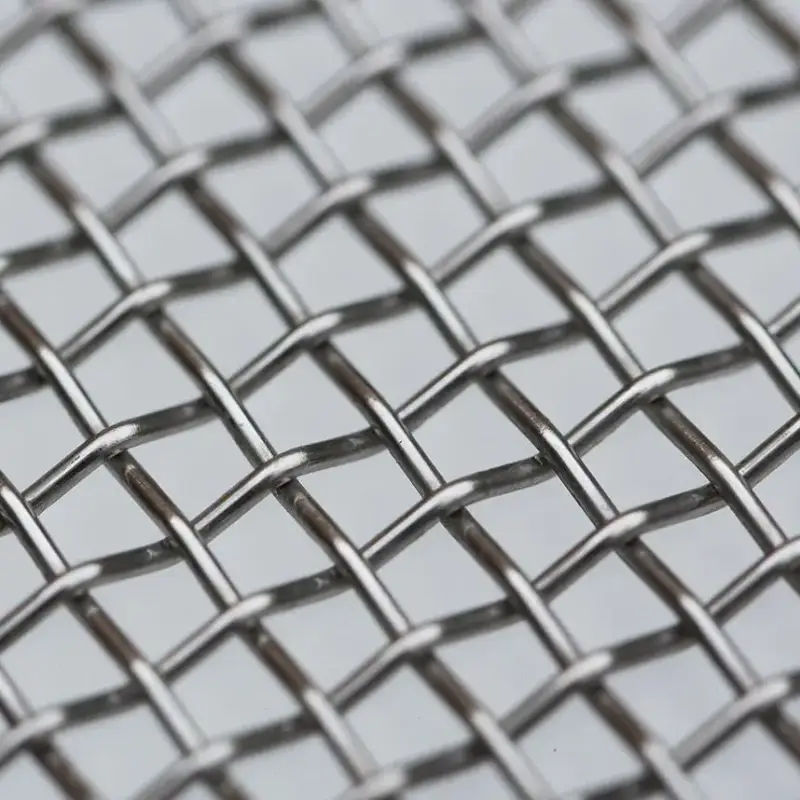
You have two main choices for screen media. These are polyurethane and wire mesh. Wire mesh works well for most jobs. It is good when you have heavy loads. Polyurethane screens are better for plugging and wet materials. They also last longer and do not wear out fast. If you work with dry, rough materials, rubber panels can help. When plugging is a problem, try switching to polyurethane screens. This can keep your operation running.
Here’s a quick comparison:
| Screen Media | Best Use Cases | Durability | Maintenance Needs |
|---|---|---|---|
| Wire Mesh | Heavy loads, most jobs | High | Frequent change-outs |
| Polyurethane | Wet, sticky, plugging | Very High | Less frequent |
| Rubber Panels | Dry, coarse materials | High | Moderate |
Tip: Always check the size and type of material you screen. The right media helps your screens last longer and stops downtime.
Aperture Size and Shape
Aperture size and shape are important for screening. If you pick the right size, you get better results. Smaller holes catch fine material. Bigger holes let large pieces pass through. The shape of the opening changes how material moves. Square openings work for most jobs. Slotted shapes help with sticky materials.
- Wire thickness changes strength and how long it lasts.
- Aperture size controls how well and how fast you screen.
- Open area changes how much material goes through.
You should check your process and equipment often. Think about cost, how hard it is to change screens, and how your media works in your plant.
Preventing Blinding and Pegging
Blinding and pegging slow down your screening. They can block your screens. You can stop these problems with some smart steps. Change the shaker’s stroke and speed to shake off stuck pieces. Use ball trays with rubber balls to knock out material. Adjust the angle of the aggregate to stop it from getting stuck.
You can also use self-cleaning screen media. This keeps mesh openings clear, even with wet or sticky materials. Regular checks help your screens work well. If you change your screening steps, you keep material moving and stop blinding.
Note: Self-cleaning screens and regular checks help you avoid downtime and keep your operation running well.
Multi-Deck Screening Approaches
Multi-deck screening lets you sort materials into different sizes at once. You get better quality control and work more efficiently. Each deck sorts by size, so you waste less and get better results. This helps you layer materials and keep your process moving.
If you use multi-deck screens, you can handle more material. You reach your production goals faster. You also make sure your final product meets strict rules.
Multi-deck screening helps you work faster and get the right material for every job.
Maintenance for Crushing and Screening Operation
You want your crushing and screening to work well every day. Regular maintenance helps your machines last longer and stops downtime. If you skip maintenance, your machines can break suddenly and cost a lot to fix. Let’s see how you can keep your equipment working its best.
Regular Inspection and Cleaning
You should check your machines often. Inspections help you find problems early. Cleaning stops dust and dirt from causing issues. Here’s a simple checklist you can use:
- Do daily checks before starting your crusher and screens.
- Look for damage or worn parts on belts and moving parts.
- Test safety systems to make sure they work right.
- Change worn parts as soon as you see them.
- Lubricate moving parts often.
- Write down all maintenance you do.
Tip: Clean your machines every day to stop buildup that slows down crushing.
Lubrication and Wear Monitoring
Lubrication keeps your crusher running well. If you use the wrong oil or dirty oil, your gears can get too hot and break. You can stop these problems by checking oil levels and using clean oil. Wear monitoring helps you know when parts need to be changed. If you watch for wear, you stop breakdowns before they happen.
Stick to a regular oil schedule. This keeps bearings and gears working smoothly. If you follow a checklist for oil and wear checks, you work better and avoid expensive repairs.
Note: Good lubrication and wear checks help you stop downtime and keep your crushing efficient.
Preventive Maintenance for Crushers and Screens
Preventive maintenance means fixing things before they break. You can make a schedule to check your crusher and screens. This helps you avoid surprises and keeps your machines safe. Here’s a table showing why preventive maintenance is good:
| Benefit | Description |
|---|---|
| Equipment Longevity | Scheduled checks help your machines last longer and avoid expensive upgrades. |
| Reduced Downtime | Good maintenance stops failures and keeps your machines working more. |
| Enhanced Safety and Compliance | Regular checks find safety problems early and protect workers. |
| Reduced Capital Expenditures | Preventive maintenance makes machines last longer, which is important when parts are hard to get. |
| Increased Efficiency | Well-kept machines work faster and make more material. |
You can set reminders for daily, weekly, and monthly tasks. If you follow your schedule, your crusher and screens last longer. You also make your crushing safer and more productive.
If you take care of your machines, you spend less time fixing and more time working.
Common Challenges and Solutions in Crushing and Screening
Screen Blockages and Bridging
You probably know how frustrating it feels when screens get blocked or stones bridge in the crushing chamber. These problems slow down your operation and cost you money. Let’s look at why this happens and how you can fix it.
Common causes of screen blockages and bridging:
- Design issues. If the screen or vibrator isn’t engineered well, you get poor performance.
- Changes after installation. Modifying the structure or adding weight can mess up the balance and reduce efficiency.
- Operational mistakes. Running the machine above its limits or using miscalibrated vibrators puts extra strain on your screens.
- Skipping maintenance. If you don’t inspect and clean your equipment often, blockages happen more.
- Wear and tear. Over time, parts break down, but regular care can delay this.
Bridging happens when oversized stones or average-sized stones block each other in the chamber. This can lead to big production losses and downtime. You might not notice it right away, but it can take a while to fix. To prevent bridging, control your blasting grid and train your operators to manage material flow.
Tip: Keep an eye on your feed size and flow. Small changes can stop blockages before they start.
Equipment Wear and Tear
Your crushing equipment works hard every day. Over time, parts wear out and need replacing. If you ignore wear, you risk sudden breakdowns and expensive repairs. You can spot wear early by checking liners, screens, and moving parts often.
Here’s a quick checklist:
- Inspect liners for cracks or thinning.
- Check screens for holes or tears.
- Listen for strange noises from moving parts.
- Lubricate bearings and gears regularly.
If you follow this routine, you keep your machines running longer and avoid downtime. You also save money by catching problems early.
Handling Variable Feed Materials
You deal with different types of material all the time. Sometimes the feed changes in size, shape, or moisture. These changes can mess up your crushing process and lower your output. You need to adjust your settings and equipment to handle these shifts.
Try these steps:
- Use pre-screening to remove fines and oversized material before it reaches the crusher.
- Adjust crusher settings to match the feed.
- Monitor moisture levels and change hopper design if needed.
- Train your team to spot changes in material and react quickly.
Note: When you stay flexible and watch your feed, you keep your crushing operation efficient and steady.
Reducing Downtime
You know how frustrating it feels when your crushing and screening operation stops. Every minute your machines sit idle, you lose money and fall behind schedule. If you want to keep your operation running smoothly, you need to focus on reducing downtime. Let’s look at some practical ways you can do this.
- Regular Preventive Maintenance
You should check your machines often. Replace worn parts before they break. Clean your equipment and look for signs of trouble. If you follow a maintenance schedule, you catch problems early and avoid big repairs. - Monitor Crusher Performance with IoT Sensors
Smart sensors help you see what’s happening inside your machines. You get real-time alerts if something goes wrong. If you spot issues early, you fix them fast and keep your crushers working. - Operator Training and Best Practices
Train your team to spot signs of stress in your equipment. Teach them how to use machines the right way. If your operators know what to look for, they can stop problems before they get worse. - Optimize Material Handling
Feed the right material into your crusher. If you use suitable material, you reduce wear and keep your machines running longer. Watch your feed size and moisture. Make changes if you see trouble. - Utilize Backup Power Systems
Power outages can shut down your operation. If you install backup power, you keep your machines running even when the main power fails. This saves you from unexpected stops. - Keep Spare Parts on Hand
Store critical spare parts nearby. If something breaks, you fix it quickly. You don’t have to wait for parts to arrive. This keeps your downtime short. - Enhance Equipment Design
Pick crushers and screens that are easy to maintain. Look for machines with simple access to wear parts. If your equipment is easy to repair, you spend less time fixing and more time working.
Tip: Make a checklist for your team. Write down daily, weekly, and monthly tasks. If everyone follows the list, you keep your operation running and avoid surprises.
You can’t stop every breakdown, but you can prepare for them. If you use these steps, you keep your crushing and screening operation moving. You save money, reach your goals, and keep your team happy. Remember, a little planning goes a long way!
Best Practices to Maximize Crushing Efficiency
You want your crushing operation to run at its best every day. You can do this by following best practices that help you maximize crushing efficiency. Let’s break down the steps you can take to keep your crusher working hard and your output high.
Continuous Improvement and Training
You can’t just set up your crushing system and forget about it. You need to keep improving. Start by looking at your process. Ask yourself, “What can I do better?” You might notice that your feed isn’t steady or your screens get blocked. Fixing these problems helps you boost efficiency.
You should train your team often. When your operators know how to spot trouble, they fix issues before they get big. You can use short training sessions or hands-on practice. Show your team how to check crusher settings, monitor material flow, and clean screens. If everyone knows what to do, your operation runs smoother.
Here’s a simple checklist for continuous improvement:
- Review your crushing process every month.
- Hold training sessions for your team.
- Set goals for output and quality.
- Ask for feedback from operators.
- Try new ideas and see what works.
Tip: Keep a log of changes you make. If something works well, use it again. If it doesn’t, try something else.
Leveraging Technology and Data
You can use technology to make your crushing operation smarter. Sensors and cameras help you see what’s happening in real time. You get alerts if something goes wrong. This means you fix problems fast and keep your machines running.
Data helps you spot trends. If you notice that your crusher slows down at certain times, you can find out why. Maybe the feed changes or a screen needs cleaning. Use the data to make smart choices.
Here’s a table showing how technology helps you:
| Tool | What It Does | How It Helps You |
|---|---|---|
| Sensors | Track machine performance | Spot issues early |
| Cameras | Watch material flow | Catch blockages fast |
| Software | Analyze data | Find ways to improve |
| Automation | Adjust settings automatically | Keep output steady |
You don’t need fancy tools to start. Even simple sensors and basic software help you get more from your crushing system.
Note: Check your data often. If you see a problem, act quickly. Small changes can make a big difference.
Real-World Examples
Let’s look at how other people improved their crushing efficiency. You can learn a lot from real-world stories.
Example 1: Steady Feed Makes a Big Impact
A quarry noticed their crusher stopped often. They found that the feed material came in bursts. By adding a vibrating feeder, they kept the flow steady. Their downtime dropped, and their output went up.
Example 2: Using Automation for Better Results
A team installed sensors and software to monitor their screens. When a screen started to blind, the system sent an alert. Operators cleaned the screen right away. This kept their efficiency high and stopped delays.
Example 3: Training Leads to Fewer Mistakes
One company started monthly training for their operators. Workers learned how to check settings and spot wear. They caught problems early and fixed them fast. Their machines lasted longer, and their crushing operation stayed strong.
Callout: If you try new ideas and learn from others, you can maximize crushing efficiency in your own operation.
You can use these best practices to keep your crushing system running well. Review your process, train your team, use technology, and learn from real-world examples. If you focus on improvement, you get better results and save money.
Conclusion
You can make your crushing and screening work better by doing a few easy things:
- Make sure your feed stays steady and the same size.
- Pick equipment that fits your material.
- Follow a regular plan for checking and fixing your machines.
Don’t forget, even little changes can help a lot. Try different ways, teach your team new skills, and look at your operation often. If you keep trying to get better, you will see good results and spend less money. Want to get the most from your crushing? Start now!
FAQ
What is the best way to keep my crusher running smoothly?
You should check your crusher every day. Clean it often. Replace worn parts before they break. If you follow a schedule, your crusher works better and lasts longer.
How do I prevent screen blockages?
You can use self-cleaning screen media. Adjust the shaker’s speed and stroke. Check your screens often. If you spot blockages early, you fix them fast.
Why does feed consistency matter?
Steady feed keeps your machines working. If your feed changes too much, you get downtime and lower output. You should monitor your feed and fix problems quickly.
Which screen media should I choose for wet material?
Polyurethane screens work best for wet or sticky material. They last longer and resist plugging. If you switch to polyurethane, you spend less time fixing screens.
How can I reduce downtime in my operation?
Keep spare parts nearby. Train your team to spot trouble early. Use sensors to monitor your machines. If you plan ahead, you avoid long stops.
What is choke feeding and why is it important?
Choke feeding means keeping the crusher chamber full. You get better particle shape and steady power use. If you choke feed, your crusher works more efficiently.
How often should I train my operators?
You should train your team every month. Show them how to check settings and spot wear. If your operators know what to do, your operation runs smoother.
Can automation help my crushing and screening?
Yes! Automation lets you monitor your machines in real time. You get alerts if something goes wrong. If you use automation, you fix problems faster and boost efficiency.