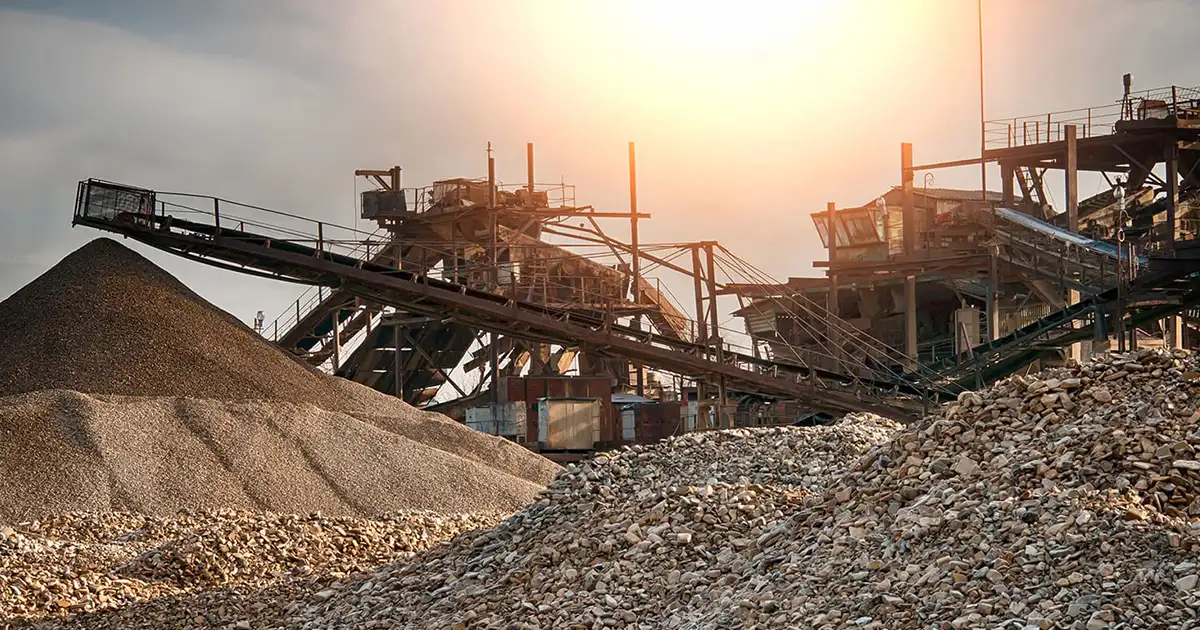
When you enter mining, you will see that the tools used in mining are very important. These tools help people do their jobs well. You will find various tools used in mining, such as drills, excavators, and graders. These tools work together as essential equipment. Every step in mining requires special mining tools. Using the right tools used in mining can make work safer and faster. Here are the main types of mining tools and what they do:
| Category | Primary Uses |
|---|---|
| Surface Mining | Getting minerals close to the Earth’s surface, like coal, iron, and copper. |
| Underground Mining | Making tunnels or shafts to find minerals like gold, silver, and uranium. |
| Placer Mining | Taking minerals from riverbeds or sand and gravel, often with gold panning. |
| In-situ Mining | Getting minerals with little land damage, dissolving and removing without big rocks. |
You need the best mining equipment for your job. The right equipment keeps people safe and helps work go well.
Key Takeaways
- Mining tools help keep workers safe and make work faster. The right equipment can speed up jobs and protect people from harm.
- Each mining method needs special tools. Surface mining, underground mining, placer mining, and in-situ mining all use different equipment.
- Safety gear is very important in mining. Always wear helmets, respirators, and protective clothes to stay safe from dust, loud sounds, and things that might fall.
- Keeping mining equipment in good shape stops it from breaking. Check tools often to find problems early and keep work going well.
- Drones and remote-controlled machines make mining safer. They let workers check and work in dangerous places without being there.
- Picking the right mining equipment depends on what mineral you want, how hard the rock is, and how much you need to produce. Use the best tools for the job to get good results.
- Screening and crushing tools are needed to process materials. They help get the right size and make mining work better.
- Learn about new mining technology. New tools and ways of working can make mining safer and help workers do more.
Mining Methods Overview
Mining uses different methods. Each method has its own tools and steps. The way you pick a mining method depends on where minerals are found. It also depends on how deep they are and what covers them. The main types of mining methods are surface mining, underground mining, and placer mining. Let’s look at each one to see how they work and why the right equipment is important.
Surface Mining
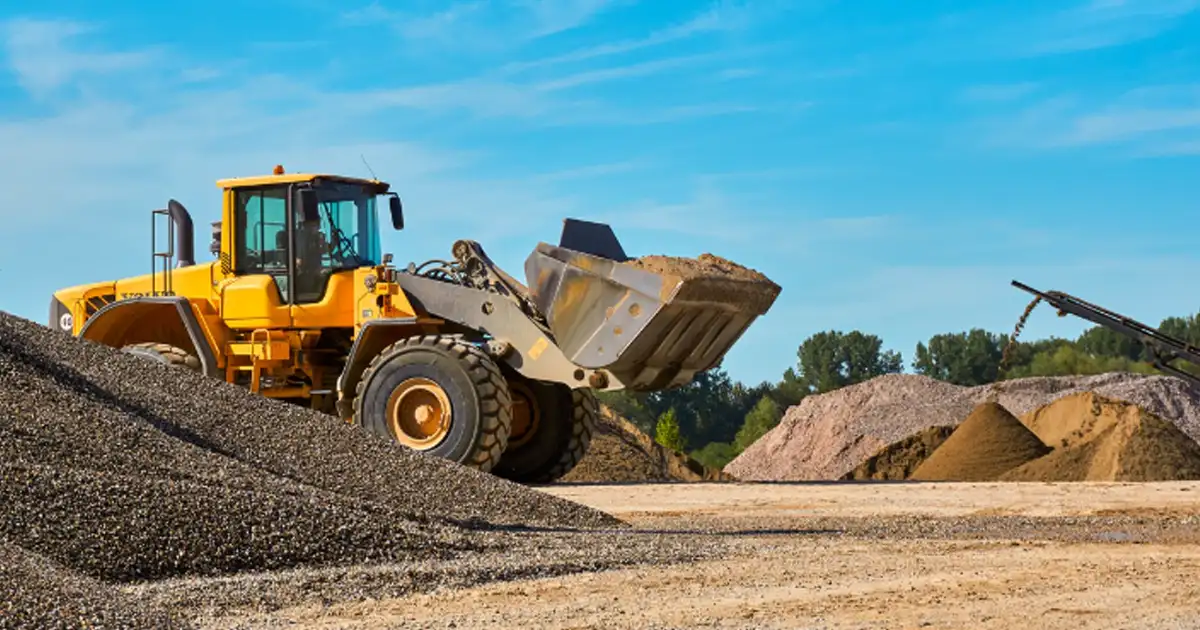
Surface mining gets minerals near the Earth’s surface. People use this method for coal, iron, copper, and other minerals. Big machines like bulldozers, drills, and trucks remove soil and rock above the minerals. Surface mining costs less than digging deep underground. You can move lots of material fast with surface mining.
There are different types of surface mining. These include open-pit mining, strip mining, and mountaintop removal. Each type uses different equipment but all remove layers from the surface. Surface mining works best when minerals are shallow and spread out. The angle of the orebody and the kind of rock help decide which tools you need.
Tip: Surface mining is fast and costs less, but you must think about safety and the environment.
Underground Mining
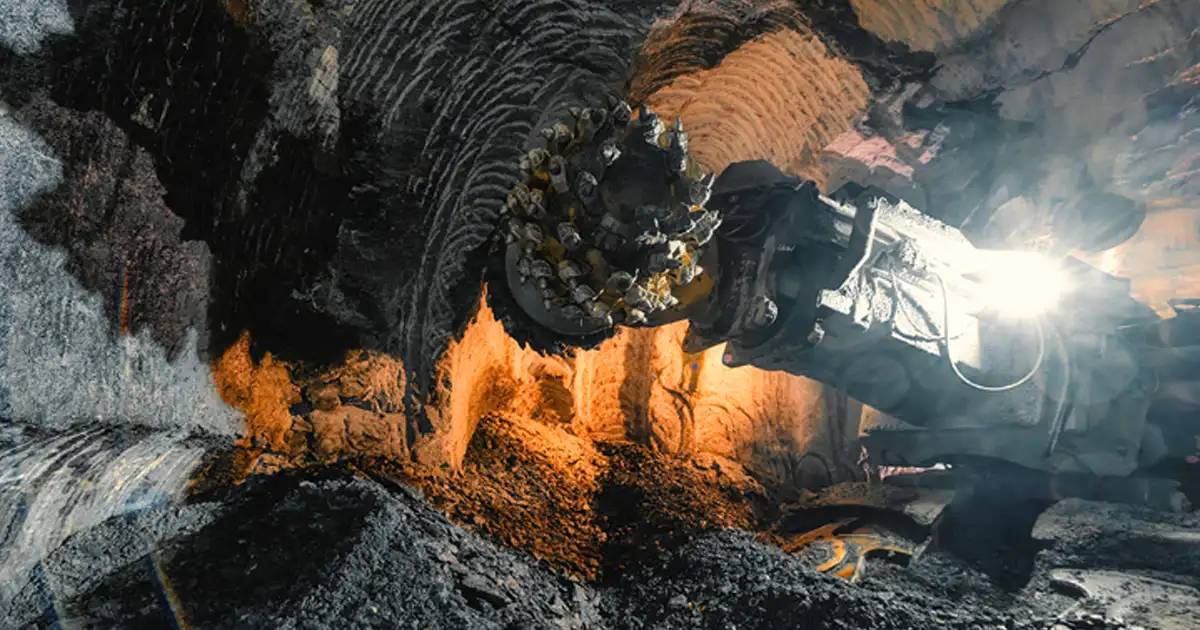
Some minerals are deep underground. You need underground mining for these minerals. This method uses tunnels and shafts to reach the minerals. Underground mining costs more and takes longer than surface mining. Special equipment like jumbo drills, loaders, and ventilation systems keep air safe.
Underground mining works well for gold, silver, and uranium. The equipment you use depends on how deep the minerals are and how hard the rock is. Safety is very important for your team. Underground mining needs careful planning and strong support to stop cave-ins.
- Surface mining uses big machines to move soil.
- Underground mining uses equipment to dig tunnels and keep air safe.
- Underground mining costs more because it needs extra safety.
Placer Mining
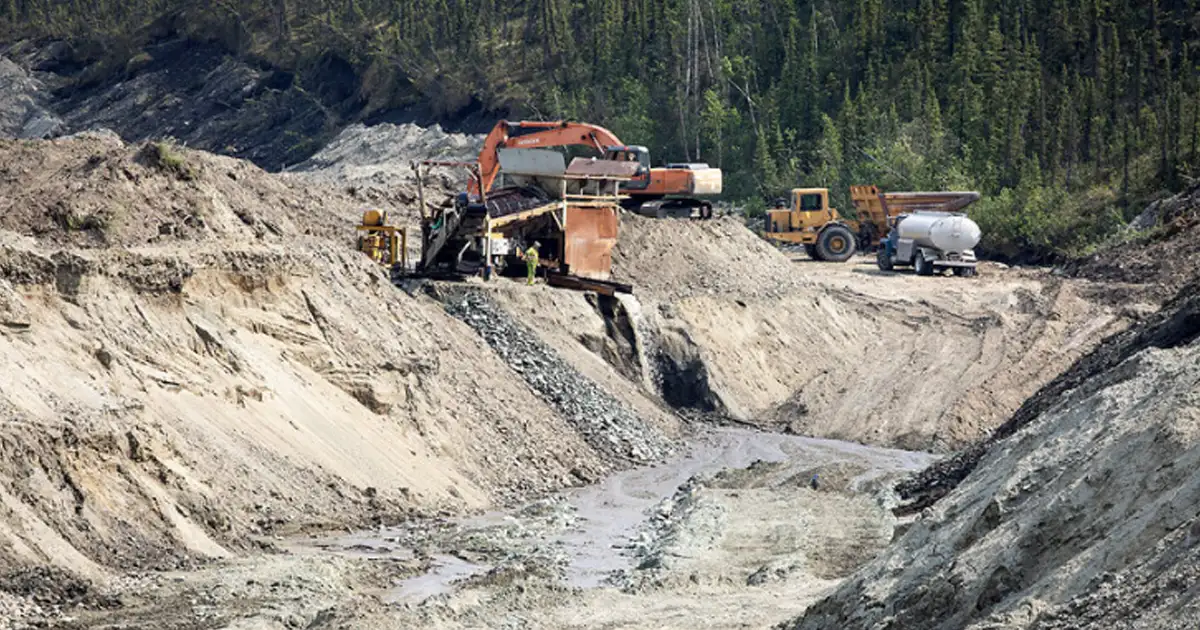
Placer mining finds minerals in riverbeds, sand, or gravel. People often use placer mining for gold. This method uses simple tools like pans and shovels. Sometimes bigger equipment like dredges or water cannons is used. Placer mining is one of the oldest mining methods and is still used today.
The equipment you pick for placer mining depends on the deposit size, water, and the type of sand or gravel. You might start with shovels, then use ground-sluicing or dredging to process more material. Placer mining works best when minerals are loose and easy to separate.
Here are some common placer mining methods:
- Hand-shoveling
- Ground-sluicing
- Hydraulicking
- Excavating with teams or power equipment
- Dredging
- Drift-mining
When you choose a mining method, think about the mineral type, depth, cost, and worker safety. The right mining methods and equipment help you work safely and get the job done well.
In-Situ Mining
You might hear about in-situ mining and wonder what it means. In-situ mining lets you get minerals without digging big holes or moving lots of rock. You use chemicals to dissolve minerals right where they sit in the ground. Then you pump the solution to the surface and collect the minerals. This method works best for minerals like uranium, copper, and sometimes potash.
You do not need huge machines or lots of workers for in-situ mining. You use wells, pumps, pipes, and control systems. You drill small holes into the ground. You inject a solution that breaks up the minerals. The minerals mix with the solution. You pump the mixture back up and process it. You can set up the equipment quickly and start mining faster than other methods.
Note: In-situ mining leaves most of the land untouched. You do not see big piles of waste or deep pits. This makes it easier to protect the environment.
You choose in-situ mining when you want less surface disturbance. You avoid building large facilities. You also skip moving tons of soil and rock. You need special equipment to monitor the process. You must check water quality and control the chemicals. You use sensors and pumps to keep everything safe.
Let’s look at the main advantages and limitations of in-situ mining:
| Advantages | Limitations |
|---|---|
| Lower upfront costs | Geological constraints |
| Reduced labor costs | Technological hurdles |
| Faster time to production | Regulatory issues |
| Minimal surface facilities | |
| Smaller footprint | |
| Less waste management |
You save money because you do not buy big machines. You need fewer workers. You start mining sooner. You do not build many surface buildings. You leave a smaller mark on the land. You do not have to manage as much waste.
You face some challenges. The ground must let the solution flow. Sometimes the rock does not cooperate. You need the right technology to control the process. You must follow strict rules to protect water and land. You cannot use in-situ mining everywhere.
If you want to mine with less impact, in-situ mining gives you a good option. You pick equipment based on the mineral, the ground, and the rules in your area. You use pumps, pipes, sensors, and control systems. You keep the process safe and clean. You help protect the environment while getting the minerals you need.
Surface Mining Equipment
When you walk onto a mining site, you see many mining machines. Each machine has its own job. You need the right mining tools to work safely and quickly. Let’s look at the main types of surface mining equipment and how you use them.
Drilling Tools
Drilling is often the first step in mining. You use drilling equipment to make holes in the ground. These holes help you reach minerals or set up blasting equipment.
Rotary Drills
Rotary drills are strong mining machines. You use them to make big holes in rock or soil. These mining tools work fast and handle hard surfaces. Rotary drills help you get ready for blasting equipment and make mining easier.
Blasthole Drills
Blasthole drills are a kind of drilling equipment. You use them to drill holes for explosives. These mining machines break up rock so you can reach minerals. Blasthole drills are important mining tools for surface mining. You need them to set up blasting equipment and clear the way for other mining machines.
Diamond Drills
Diamond drills use diamond bits to cut through hard rock. You use these mining tools when you need careful drilling. Diamond drills help you collect samples and find the best places for mining. These mining machines are important for exploring and planning.
Drilling equipment helps you start mining. You use rotary drills, blasthole drills, and diamond drills to reach minerals and set up blasting equipment.
Excavation & Loading
After breaking up the rock, you need mining machines to move material. Excavation and loading equipment help you dig, lift, and load minerals.
Hydraulic Excavators
Hydraulic excavators are useful mining machines. You use them to dig and load material. These mining tools handle soil, rock, and minerals. Hydraulic excavators make mining faster and safer.
Electric Rope Shovels
Electric rope shovels are big mining machines. You use them to scoop up lots of material. These mining tools work well in large mining jobs. Electric rope shovels help you load mining trucks quickly.
Draglines
Draglines are huge mining machines. You use them for surface mining when you need to remove overburden. Draglines reach deep and move lots of material. These mining tools are important for coal mining and other big projects.
Wheel Loaders
Wheel loaders are handy mining machines. You use them to load, move, and carry material. These mining tools help you keep mining running smoothly.
Haulage & Transport
After you dig and load minerals, you need mining equipment to move them. Haulage and transport mining machines carry material to processing plants.
Mining Trucks
Mining trucks are very important in surface mining. You use these mining machines to haul big loads. Most mining trucks carry up to 100 tonnes. You see mining trucks mostly in coal mines, but also in iron ore and gold mining. Mining trucks are used in 61% of surface mining jobs.
Conveyors
Conveyors are mining machines that move material far distances. You use these mining tools to transport minerals quickly and safely. Conveyors help you use fewer mining trucks and keep mining efficient.
Here’s a quick look at the main surface mining equipment and what they do:
| Equipment Type | Main Function |
|---|---|
| Dozers | Clear ground, remove overburden, and level terrain. |
| Graders | Level the surface for safe movement of equipment. |
| Blasthole Drills | Drill holes for explosives to break rock and expose minerals. |
| Mining Trucks | Haul large quantities of mined materials to processing plants. |
| Drones | Conduct aerial surveys and inspections of mining sites. |
| Cranes | Lift and transport heavy machinery and materials on-site. |
| Highwall Miners | Extract minerals from high walls without further excavation. |
You need mining tools and mining machines that fit your mining site. The right mining equipment helps you work faster, safer, and smarter.
Earthmoving & Grading
When you work on a mining site, you need to shape the land. You want the ground to be safe for machines and workers. Earthmoving and grading tools help you do this job. Two of the most important machines are dozers and motor graders. Let’s see how you use them and why they matter.
Dozers
Dozers, also called bulldozers, are powerful machines. You use them to push, move, and clear large amounts of soil, rock, or debris. The wide blade at the front lets you move material quickly. You can use dozers to strip away topsoil, remove overburden, or build roads for other mining equipment.
Why do you need dozers in mining?
- You clear land before mining starts.
- You push waste rock into piles.
- You level ground for trucks and excavators.
- You help control water by building drainage ditches.
Dozers come in different sizes. Some are small and easy to move. Others are huge and can handle tough jobs. You pick the right size based on your site. Many dozers have tracks instead of wheels. Tracks help you move over rough or muddy ground without getting stuck.
Tip: Always check the ground before using a dozer. Soft or loose soil can make the machine sink.
Motor Graders
Motor graders look different from dozers. They have a long blade under the middle of the machine. You use graders to make the ground smooth and even. Graders help you finish the job after dozers move the big stuff.
How do you use motor graders in mining?
- You smooth out haul roads for trucks.
- You shape slopes and embankments.
- You spread gravel or fill material.
- You keep roads safe by removing ruts and bumps.
A smooth road helps trucks move faster and safer. You save money on repairs because machines do not bounce or shake as much. Graders can also help with snow removal or spreading sand in wet areas.
Here’s a quick comparison:
| Machine | Main Job | Best For |
|---|---|---|
| Dozer | Pushing, clearing | Moving heavy material, rough work |
| Motor Grader | Smoothing, shaping | Finishing roads, fine grading |
You need both dozers and graders to keep your mining site running well. Dozers do the heavy lifting. Graders make everything smooth and safe. When you use these machines together, you get a site that is ready for work and easy to move around.
Remember: Good earthmoving and grading keep your team safe and your mining project on track.
Underground Mining Equipment
When you go underground, things feel very different. The space is small and the air is thick. Safety is very important here. You need mining equipment that works well in tight places. Let’s look at the main mining tools and machines used underground.
Drilling & Tunneling
Drilling and tunneling help you reach deep minerals. These mining tools must be strong. They need to break tough rock and keep people safe.
Jumbo Drills
Jumbo drills are big machines for making tunnels. You use them to drill holes for explosives or air. Jumbo drills work quickly and dig through hard rock. You see jumbo drills in gold and copper mines. They make safe paths for workers and mining equipment.
Roadheaders
Roadheaders look like huge mechanical moles. You use them to cut rock and make tunnels. These mining tools have spinning heads that chew stone and dirt. Roadheaders are good for smooth tunnels in underground mining. You can steer them easily to avoid dangers and keep the site safe.
Ground Support
After digging tunnels, you must stop them from falling in. Ground support mining equipment keeps workers safe and the site strong.
Rock Bolters
Rock bolters are mining tools for securing loose rock. You drill bolts into tunnel walls and ceilings. This equipment stops rocks from falling down. You need rock bolters in underground mining to prevent accidents and keep everyone safe.
Shotcrete Machines
Shotcrete machines spray concrete on tunnel walls. You use this mining equipment for extra support. Shotcrete sticks to rock and makes a tough layer. You use shotcrete machines after drilling or blasting. They help keep tunnels open and protect your team.
Loading & Haulage
After breaking rock, you need mining equipment to move it. Loading and haulage mining tools carry minerals out of underground sites.
LHD Machines
LHD means Load-Haul-Dump. These mining machines scoop up broken rock and take it away. You use LHD machines in small spaces. They are small but strong. LHD machines make underground mining faster and safer. You can drive them easily and keep the site clean.
Underground Trucks
Underground trucks carry minerals from deep tunnels to the surface. You need these mining tools for heavy loads. Underground trucks are tough and fit in narrow tunnels. They handle rough ground well. You depend on underground trucks to keep mining running smoothly.
Safety is most important in underground mining. You need mining equipment that protects your team. Look for mining tools with automation, detection, and strong gear.
Here’s a table showing what matters most when picking mining equipment for underground mining:
| Consideration | Description |
|---|---|
| Safety first | Pick mining equipment that protects workers from underground dangers. |
| Efficiency through innovation | Electric mining tools help health and lower costs. |
| Durability and reliability | Mining equipment must handle tough conditions and reduce downtime. |
| After-sales support | Good service keeps mining tools working and stops delays. |
| Technological integration | Modern mining equipment connects to monitoring systems for better control. |
You need mining tools that fit the job and keep your team safe. The right mining equipment helps you work faster and makes underground mining easier.
Ventilation & Monitoring
When you work in underground mining, you face tight spaces and poor air quality. You need to keep the air fresh and safe. Ventilation and monitoring tools help you do this. These tools protect you and your team from dangerous gases and dust. Let’s look at the main equipment you use for ventilation and monitoring in underground mining.
Ventilation Fans
Ventilation fans are the heart of air control in underground mining. You use these fans to push clean air into tunnels and remove dirty air. Without good ventilation, you can’t breathe well or work safely. Ventilation fans come in different sizes. Some are huge and move lots of air. Others are small and fit in narrow tunnels.
You place fans at the entrance of the mine or deep inside. They keep air moving so you don’t get trapped by dust or gas. You can use portable fans when you need extra air in certain spots. Sometimes, you need backup fans if the main ones stop working. You check fans often to make sure they run smoothly.
Tip: Always listen for strange noises from ventilation fans. If you hear rattling or grinding, fix the fan right away. This keeps air flowing and stops accidents.
Here’s a quick table showing types of ventilation fans and their uses:
| Fan Type | Main Use | Where You Use It |
|---|---|---|
| Axial Fans | Move air quickly | Main tunnels |
| Centrifugal Fans | Push air through long passages | Deep shafts |
| Portable Fans | Spot ventilation | Small work areas |
You need strong ventilation fans in underground mining. These fans help you stay healthy and keep the mine safe.
Gas Detectors
Gas detectors are your warning system in underground mining. You use these devices to check for dangerous gases like methane, carbon monoxide, and hydrogen sulfide. Gas detectors tell you if the air is safe or if you need to leave the area.
You carry gas detectors with you or mount them on walls. Some detectors beep or flash lights when they find bad gases. Others send alerts to your phone or radio. You test gas detectors before every shift. If a detector shows danger, you act fast.
Note: Never ignore a gas detector alarm. Even a small amount of gas can cause big problems in underground mining.
Gas detectors help you avoid explosions, fires, and health risks. You use them every day in underground mining. They make sure you know what’s in the air and keep you safe.
Here’s a simple checklist for using gas detectors in underground mining:
- Turn on the detector before entering the tunnel.
- Check the battery and sensor.
- Watch for alarms or warnings.
- Leave the area if you see danger.
- Report any problems to your supervisor.
You rely on ventilation fans and gas detectors to keep underground mining safe. These tools help you breathe easy and avoid accidents. When you use them well, you protect yourself and your team.
Crushing & Screening Tools
When you work in mining, you need to break down big rocks and separate materials. Crushing and screening tools help you do this job. These tools make mining safer, faster, and more efficient. You use them to get the right size of material for the next step in mining.
Crushers
Crushers are machines that break large rocks into smaller pieces. You use them at the start of the mining process. Crushing makes it easier to move and process materials. Here are the main types you will see in mining:
Jaw Crushers
You use jaw crushers for primary crushing in mining. These machines handle very large rocks, sometimes as big as a car. The jaw crusher uses two plates to crush the rock. One plate stays still while the other moves. This action breaks the rock into smaller pieces. Jaw crushers work well for hard materials and are common in mining.
Cone Crushers
Cone crushers come next in the mining process. You use them for secondary or even tertiary crushing. These crushers squeeze the material between a moving cone and a fixed cone. Cone crushers give you a fine and even product. You often use them when you want a smooth, well-graded output.
Impact Crushers
Impact crushers are great for softer materials like limestone. You use them in mining when you want to make small, cubical pieces. The machine uses a fast-spinning rotor to hit the rock and break it apart. Impact crushers are also popular in recycling and demolition.
Tip: Choose the right crusher for your mining job. The wrong tool can slow you down and waste energy.
Screening Equipment
After crushing, you need to separate materials by size. Screening equipment helps you do this in mining. You want to remove impurities and get the right size for further processing.
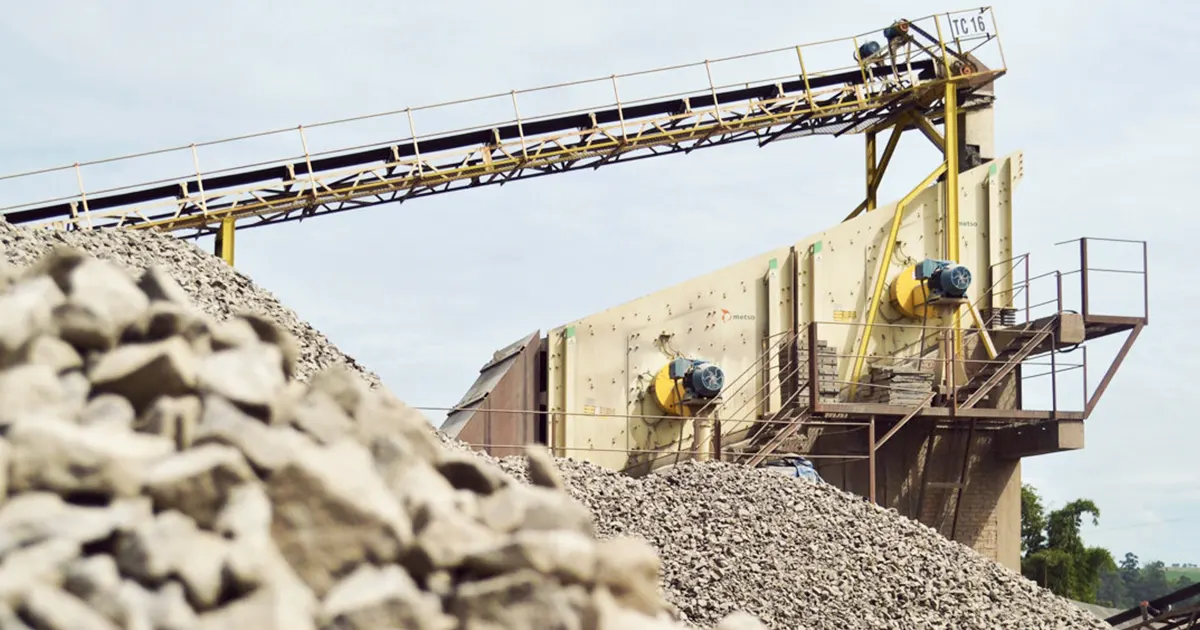
Vibrating Screens
Vibrating screens are the most common screening tools in mining. They shake back and forth to sort materials by size. You can adjust the vibration to fit your needs. Vibrating screens work fast and handle lots of material.
Trommel Screens
Trommel screens look like big spinning drums. You use them in mining to separate materials by size. As the drum turns, smaller pieces fall through holes while bigger pieces move forward. Trommel screens are good for wet or sticky materials.
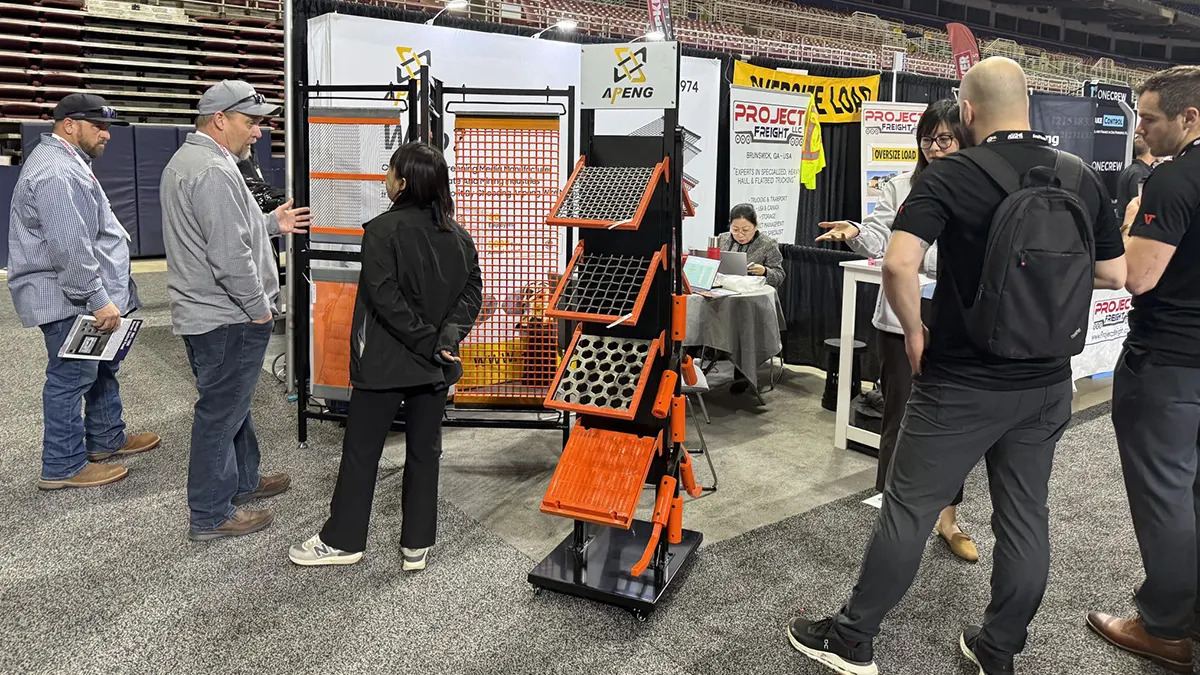
Screen Media
Screen media is the part of the screen that touches the material. You pick the right screen media to get the best results in mining.
Woven Wire Screens
Woven wire screens are strong and last a long time. You use them in mining when you need to handle sharp or heavy rocks. They give you good accuracy and are easy to clean.
Polyurethane Panels
Polyurethane panels are softer and resist clogging. You use them in mining when you want less noise and longer life. They work well with wet or sticky materials.
| Key Point | Explanation |
|---|---|
| Screening Efficiency | Good particle size control helps screens work better and separate materials. |
| Energy Consumption | Right size means you use less energy in mining. |
| Product Quality | The right screen media gives you cleaner, better material. |
Crushing and screening tools are vital in mining. They help you get the right size, improve safety, and make your mining operation run smoothly.
Screening Issues
Screening rocks and minerals sounds simple, but you can run into problems. Two of the most common issues are blinding and pegging. If you know what to look for, you can fix these problems before they slow down your work.
Blinding
Blinding happens when small particles block the holes in your screen media. You might notice that the screen stops letting material through. The holes fill up, and nothing passes. This can make your screening equipment less efficient. You get less material, and your machine works harder.
How do you spot blinding? Look for these signs:
- The screen looks clogged or dirty.
- Material piles up on top of the screen.
- The output drops, and you see more fine material in the oversize pile.
Why does blinding happen? Wet or sticky material often causes it. Clay, mud, or damp sand can stick to the screen. Sometimes, the wrong screen media makes it worse. For example, using woven wire screens with wet material can lead to fast blinding.
Here’s what you can do:
- Use polyurethane panels for sticky or wet materials. These resist blinding better than wire screens.
- Adjust the vibration on your screen. More shaking can help clear the holes.
- Clean the screen often, especially in wet weather.
Tip: If you see blinding, stop and fix it right away. Waiting can damage your equipment and slow down your mining job.
Pegging
Pegging is another screening problem. It happens when larger particles get stuck in the holes. These pieces wedge in tight and block the screen. Pegging looks different from blinding. You see single rocks or chunks jammed in the openings.
How can you tell if pegging is happening?
- You see rocks stuck in the screen holes.
- The screen has open spots, but material still does not pass through.
- The output size changes, and you get uneven material.
Pegging usually happens with irregular or sharp-edged rocks. If your screen holes match the size of your material, pegging gets worse. Woven wire screens can peg more easily than polyurethane panels.
Here are some ways to prevent pegging:
- Choose screen media with tapered or shaped holes. Polyurethane panels often have this feature.
- Change the screen opening size if you see lots of pegging.
- Check your feed material. Remove oversized rocks before screening.
Note: Regular checks help you spot pegging early. Fixing it quickly keeps your screening line running smoothly.
Blinding and pegging can slow down your mining operation. If you know the signs and use the right screen media, you can keep your equipment working well. Always watch your screens and act fast when you see a problem.
Processing & Dewatering Equipment
When you start processing in mining, you need special tools and equipment. These help you separate minerals from waste and take out water. This step gives you better results from extraction. Let’s look at the main equipment for separating minerals and removing water.
Separation Tools
Separation tools help you sort valuable minerals from unwanted stuff. These tools make extraction easier and help you get good products.
Hydrocyclones
Hydrocyclones spin mineral slurry very fast. This separates solids from water. You use hydrocyclones in mining to remove tiny particles and improve extraction. They work well in itabirite concentration circuits for desliming. Hydrocyclones give you cleaner material and better recovery rates.
Magnetic Separators
Magnetic separators pull out magnetic minerals from the mix. You use them to get iron ore or other magnetic materials. The equipment uses strong magnets to grab particles and leave waste behind. Magnetic separators make extraction easier and help you get pure minerals.
Flotation Cells
Flotation cells use bubbles to lift minerals to the top. You add chemicals to the slurry, then air makes bubbles that stick to valuable minerals. The minerals float and you skim them off. Flotation cells are important for getting gold, copper, and other metals. The Reflux Flotation Cell (RFC) improves processing rates and recovery. You get more minerals with less waste. The Reflux Classifier also helps you recover dense particles down to tiny sizes.
If you want high-grade concentrates and strong recovery, use flotation cells and classifiers in mining.
Dewatering
After extraction, you need to take water out of your minerals. Dewatering equipment helps you dry material so you can move and process it easily.
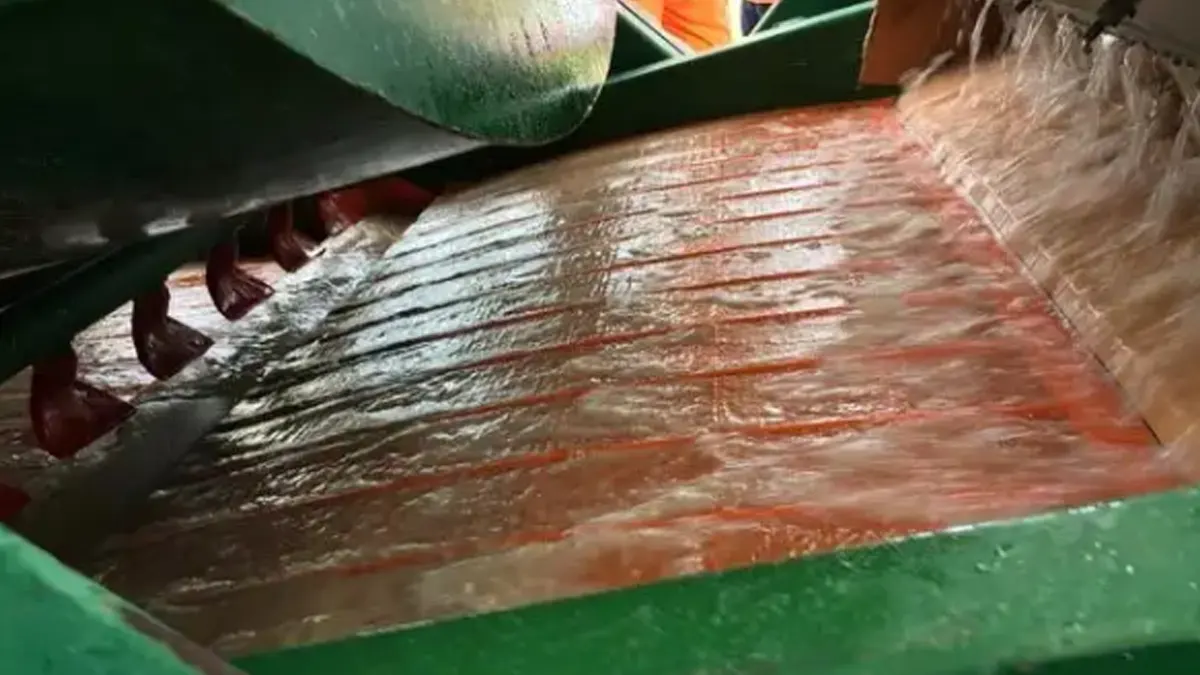
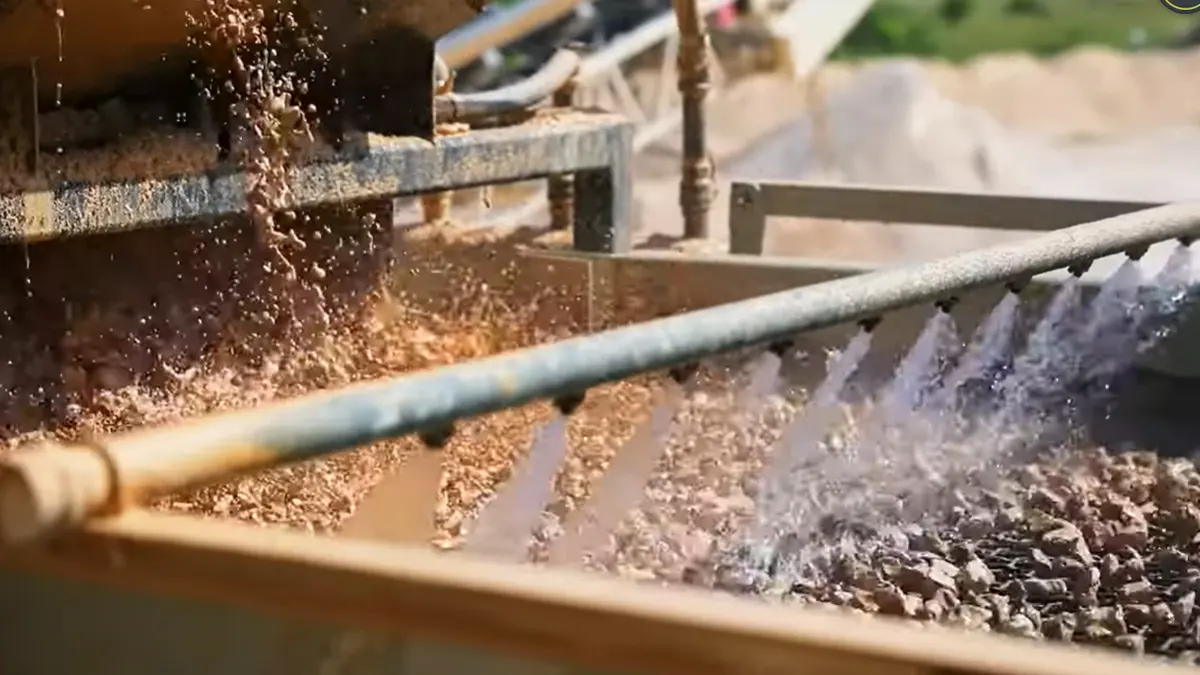
Dewatering Screens
Dewatering screens shake water out of coarse materials like sand or coal. You use these tools to get drier products after extraction. The screens vibrate, letting water drain away while keeping solids on top. Dewatering screens are common in sand, gravel, and coal mines.
Filter Presses
Filter presses squeeze water out of mineral slurries with high pressure. You load the slurry into the equipment, then plates press together to force water out. Filter presses give you dry cakes of minerals, making extraction cleaner and easier. You can use vacuum filters for extra drying, which use suction to pull water out.
Here’s a quick list of processing and dewatering equipment you might see in mining:
- Thickeners: Large tanks that let solids settle and collect clear water.
- Hydrocyclones: Spin slurry to separate solids from water.
- Dewatering screens: Shake water out of coarse materials.
- Vacuum filters: Use suction to extract water from slurries.
- Pressure filters: Squeeze water out with high pressure.
| Equipment Type | Main Function |
|---|---|
| Hydrocyclones | Separate solids from water |
| Magnetic Separators | Extract magnetic minerals |
| Flotation Cells | Lift minerals with bubbles |
| Dewatering Screens | Remove water from coarse material |
| Filter Presses | Squeeze water from mineral slurries |
You need the right tools and equipment for each step in extraction. When you pick the best equipment, you make mining safer, faster, and more productive.
Personal Protective Equipment & Safety Tools
When you go to a mining site, you must protect yourself. Mining is risky, so you need the right safety gear and mining tools. Personal protective equipment keeps you safe from rocks, dust, noise, and other dangers. Let’s see what you should wear and use every day.
Essential PPE
You need different types of personal protective equipment in mining. Each one helps you stay safe and avoid getting hurt. Here is what you should have:
- Helmets: You wear a helmet to keep your head safe from falling things and bumps. Hard hats are needed for all mining jobs.
- Respirators: You use respirators to stop dust and bad gases from getting in your lungs. Some mining equipment makes dust, so you need good masks.
- Protective Clothing: You wear special clothes to protect your skin from sharp rocks, hot things, and chemicals. Bright vests help people see you in busy places.
- Safety Boots: You need strong boots to keep your feet safe from heavy things and sharp tools. Mining boots have steel toes and do not slip easily.
- Eye Protection: You use goggles or glasses to keep your eyes safe from flying pieces and sparks.
- Hearing Protection: You wear earplugs or earmuffs to block loud sounds from mining machines.
- Hand Protection: You use gloves to keep your hands safe from cuts and burns.
- Safety Belts and Lines: You wear belts and lines when you work high up or near deep holes.
- Flashlights and Headlamps: You carry lights to see in dark tunnels and underground places.
- First Aid Material: You keep first aid kits close by to treat small injuries fast.
Always check your mining tools and safety gear before you start work. If something is broken, get a new one right away.
Monitoring Devices
You need more than just safety gear in mining. Monitoring devices help you find dangers before they cause accidents. These tools keep you and your team safe by checking air, health, and letting you talk to others.
Gas Monitors
Gas monitors are important mining tools. You use them to check for dangerous gases like methane or carbon monoxide. Some smart helmets and vests have sensors that warn you if the air is not safe. Wearables can show where you are and warn you if you go into places with low oxygen or too much bad gas.
Communication Tools
You need good communication tools to stay in touch in mining. Radios, smart glasses, and cameras you wear help you talk to your team and bosses. These tools let you share news fast and call for help if there is a problem.
Here is a table showing some top monitoring devices used in mining:
| Device Type | Function |
|---|---|
| Smart Helmets | Find bad gases and changes in the area, giving quick safety alerts. |
| Smart Glasses | Give hands-free access to important information. |
| Fitness Trackers | Check health signs to stop tiredness accidents. |
| Smart Clothing | Have sensors for health and area checks all the time. |
| Smart Vests | Find dangerous gases and help with talking to others. |
| Wearable Cameras | Record live video for checking and reports. |
- Supervisors can see where workers and vehicles are. This helps make sure everyone gets enough air and stays away from danger.
- Monitoring devices make mining safer and can save money on power and repairs.
If you use the right mining tools and safety gear, you lower the chance of accidents and keep your team safe. Always wear your PPE and check your monitoring devices before each shift.
Modern Mining Tools & Technology
Mining is changing a lot today. New technology makes mining easier and safer. These modern tools help you do your job better. Let’s see how digital tools are making mining different.
Digital Tools
Digital tools help you plan and fix mining machines. You use computers and sensors to watch equipment. This helps you find problems before they get big. You can fix things early and avoid waiting. Digital twin technology lets you test ideas on a computer first.
Drones
Drones fly over mines and take pictures from above. You use drones to check the land and measure piles. Drones help you find dangers without going close. They make surveys quick and keep people safe. Drones can go where it is too risky for workers.
- Drones do fast aerial checks and inspections.
- You find problems early and plan what to do next.
- Drones help keep workers out of danger.
Remote-Controlled Equipment
Remote-controlled machines let you work from far away. You use these tools in places that are not safe. Trucks and vehicles can move materials without a driver. You control shovels and drills with a joystick or computer.
- Remote-controlled machines work in dangerous spots.
- You keep people safe and make mining faster.
- Trucks can carry things without anyone inside.
Data Monitoring
Data monitoring uses sensors and computers to watch everything. You check how machines run and if the air is safe. IoT and AI help you make smart choices. You get alerts if something is wrong, so you can fix it quickly.
- Digital tools help you fix machines before they break.
- Data monitoring keeps people safe and saves money.
- You use this information to make mining better.
Technology is always changing mining. You get safer mines and faster work. If you use digital tools, drones, and remote machines, you do better in mining.
Here’s a table showing how mining technology is growing:
| Year | Market Size (USD Billion) | CAGR (%) |
|---|---|---|
| 2025 | 3.96 | – |
| 2030 | 5.93 | 8.4 |
Mining technology is growing fast. Underground mining grows the most because it needs to be safer. Safety rules and new systems help this happen.
| Segment | Expected Growth Rate | Key Drivers |
|---|---|---|
| Underground Mining | Fastest CAGR (2026-2033) | Need for deep mining, safety rules, new machines |
| Mining Technique | Adoption Drivers |
|---|---|
| Underground Mining | Safety, not enough workers, need to work better |
| Surface Mining | Big jobs, need to be exact, save money |
You use new tools to make mining safer and faster. Technology helps you fix problems and get more from your mine. If you keep learning about new tools, you help your team and get better results.
How to Choose Mining Equipment
Picking mining tools can seem hard. You want equipment that fits your site and goals. If you choose well, you make work safer and faster. Let’s look at what matters most when picking mining equipment.
Selection Factors
You need to think about a few things before you decide:
- Geology and orebody: The mineral type and where it is found change what tools you need. The rock around the mineral also matters.
- Performance factors: Think about how fast the equipment works. Check how much it can carry. Make sure it is reliable.
- Design factors: Look for equipment that is easy to use. Make sure it has the right technology. Pick tools your team can handle.
- Support factors: You need good maintenance and spare parts. Expert help should be easy to get.
- Cost factors: Look at the price to buy and the cost to run. Both are important.
You want mining equipment that fits your site and keeps things running well.
Ore Type & Hardness
The mineral type and how hard it is change what tools you need. Hard minerals wear out machines faster. You need stronger parts for tough jobs. Softer minerals let you use lighter tools. Always match your equipment to the mineral’s hardness.
| Selection Factor | Impact on Performance | Considerations |
|---|---|---|
| Material Hardness | Changes how fast parts wear out | Hard minerals need strong parts |
| Feed Size | Decides what equipment you need | Big feed sizes may need special crushers |
| Desired Product Size | Changes how you break down material | Fine products may need special grinding tools |
Moisture Content
Wet materials can block machines and slow mining. If your ore is wet, you might need drying tools or screens that do not clog. Check moisture before picking your tools. Some sites need special features to keep things moving.
Production Needs
Pick equipment that matches your mining goals. If you want to process lots of material, choose machines with high capacity. Smaller sites can use lighter tools. Make sure your equipment can handle what you need now and later. This stops bottlenecks and keeps mining fast.
Maintenance
Maintenance is very important for mining equipment. Choose tools that are easy to fix and have good support. If you can get spare parts fast, you avoid delays. Look for simple designs and strong machines. This saves money and keeps your site safe.
Tip: Always balance cost, performance, and support. The best mining equipment fits your site, your team, and your budget.
If you follow these steps, you make smart choices for mining. You get tools that last, work well, and keep your team safe.
Common Mining Equipment Problems & Fixes
Wear & Tear
You see wear and tear everywhere in mining. Heavy machines work hard every day. Dirt, dust, and rocks rub against moving parts. Over time, this causes damage. High fuel consumption and dirt contamination make things worse. Sometimes, oil gets dirty or mixed up, which leads to more breakdowns. If you change oil based only on time, you might throw away good oil and waste money.
Here are some common causes of wear and tear in mining equipment:
- Dirt and dust get into oil reservoirs and cause parts to wear out faster.
- Lubricant cross-contamination happens when you have too many types of oil.
- Varnish builds up and makes pumps fail.
- Not enough training leads to poor maintenance.
You can fight wear and tear by checking your equipment often. Clean screens, decks, and discharge ports after each use. Inspect tension, frames, and seals to make sure everything fits right. If you spot tears or blinding early, you can fix them before they get worse.
Tip: Train your team well. Good training helps you catch problems early and keeps your mining operation running smoothly.
Screen Blinding
Screen blinding is a headache in mining. Small particles block the holes in your screens. Wet or sticky material makes this happen faster. When screens blind, your equipment slows down and you get less material.
You can prevent screen blinding by:
- Cleaning screens regularly to remove solids and debris.
- Inspecting screen tension and frame integrity.
- Making sure screens are installed and aligned properly.
- Using the right screen media for your material.
Routine maintenance helps you spot blinding before it stops your mining job. If you clean screens after every use, you keep them working longer. Set up a proactive replacement plan based on how often you drill and the conditions you face.
Note: If you see blinding, act fast. Waiting can lead to downtime and lost production.
Downtime
Downtime is the enemy of mining. When equipment stops, you lose time and money. Hydraulic shovels and other complex machines can break down if you don’t maintain them well. Poor oil management and rigid schedules cause unnecessary stops.
You can reduce downtime by:
- Setting up a regular inspection schedule for all equipment.
- Monitoring performance metrics to spot issues early.
- Training operators to troubleshoot and fix problems.
- Using real-time data to catch emerging issues before they grow.
If you replace screens and parts at the right time, you keep mining moving. Teach your team to look for signs of trouble. Encourage them to report problems right away.
| Problem | Quick Fixes |
|---|---|
| Wear & Tear | Clean, inspect, and train your team |
| Screen Blinding | Clean screens, check alignment, replace |
| Downtime | Inspect, monitor, train, replace parts |
You can keep your mining equipment working longer if you stay ahead of these problems. Regular maintenance, smart training, and quick action help you avoid costly delays.
Particle Size Issues
You might think crushing rocks in mining is simple. But getting the right particle size can be tricky. If you get it wrong, you can run into big problems. Let’s talk about why particle size matters and what you can do when things go wrong.
When you use mining equipment, you want rocks and minerals to be the right size for the next step. If pieces are too big, they can jam up your machines. If they are too small, you might lose valuable minerals or make a mess. You need to control particle size to keep your mining operation running smoothly.
Here are some common particle size issues you might see:
- Oversized rocks clogging up crushers or conveyors.
- Too many fines (tiny particles) making it hard to separate minerals.
- Uneven sizes causing problems with screening or washing.
- Loss of valuable minerals because particles are too small.
Tip: Always check your screens and crushers for signs of trouble. If you see lots of big chunks or too much dust, you might have a particle size problem.
How do you fix these issues? Start by looking at your mining process. Check your crushers and screens. Make sure they are set up right. Sometimes, you need to adjust the gap in your crusher or change the screen media. You might need to slow down the feed or use a different type of screen.
Here’s a quick table to help you spot and solve particle size problems:
| Problem | What You See | Quick Fixes |
|---|---|---|
| Oversized rocks | Jams, slowdowns | Adjust crusher gap, pre-screen |
| Too many fines | Dust, poor separation | Use coarser screens, slow feed |
| Uneven sizes | Bad screening, waste | Check screen tension, replace media |
| Loss of minerals | Low recovery, waste | Use finer screens, adjust settings |
You can also use a particle size analyzer. This tool checks the size of your material in real time. It helps you spot problems before they get big. If you see changes, you can fix them fast.
Don’t forget to train your team. Show them what to look for. Teach them how to adjust mining equipment when they see a problem. Good training keeps your mining site safe and productive.
Remember, controlling particle size is key in mining. If you stay alert and act fast, you can avoid costly delays and get the most from your minerals.
Conclusion
You do better in mining when you use the right tools for each job. For example, you need certain tools for finding minerals, drilling holes, and checking how much is there. Here’s a simple table showing some main equipment and what they do:
| Equipment Type | Use Description |
|---|---|
| Mining Trucks | Carry heavy rocks and ore |
| Hydraulic Shovels | Dig up and move material |
| Roof Bolters | Make tunnels safe |
| Crushing Equipment | Smash rocks into smaller pieces |
Choose high-quality screening media to boost output and reduce unplanned downtime. We manufacture woven wire screens and polyurethane panels at Anpeng, and our screen media helps mines keep sizing stable and cut wear-related stoppages.
Make safety a daily priority and match each machine to the job and site conditions. Smart equipment choices reduce risks, cut downtime, and keep production steady.
FAQ
What are the most common tools used in mining?
You often use drills, excavators, trucks, crushers, and screens. These tools help you dig, move, and process minerals. Each tool has a special job on the mining site.
How do you choose the right mining equipment?
You look at the type of mineral, how hard the rock is, and how much you want to produce. You also check if the equipment is easy to fix and safe for your team.
Why is safety gear important in mining?
Safety gear protects you from falling rocks, dust, and loud noise. Helmets, boots, and masks keep you safe. You should always wear your gear before starting work.
What is screen blinding, and how can you fix it?
Screen blinding happens when small particles block the holes in your screen. You can fix it by cleaning the screen, using the right screen media, or adjusting the vibration.
Can you use the same equipment for surface and underground mining?
No, you need different tools. Surface mining uses big machines like dozers and trucks. Underground mining needs smaller, safer equipment for tight spaces.
How do drones help in mining?
Drones fly over your site and take pictures. You use them to check land, measure piles, and spot dangers. Drones keep you safe and save time.
What should you do if your mining equipment breaks down?
Stop using the machine right away. Tell your supervisor. Check for simple problems like loose parts or leaks. If you cannot fix it, call a trained mechanic.