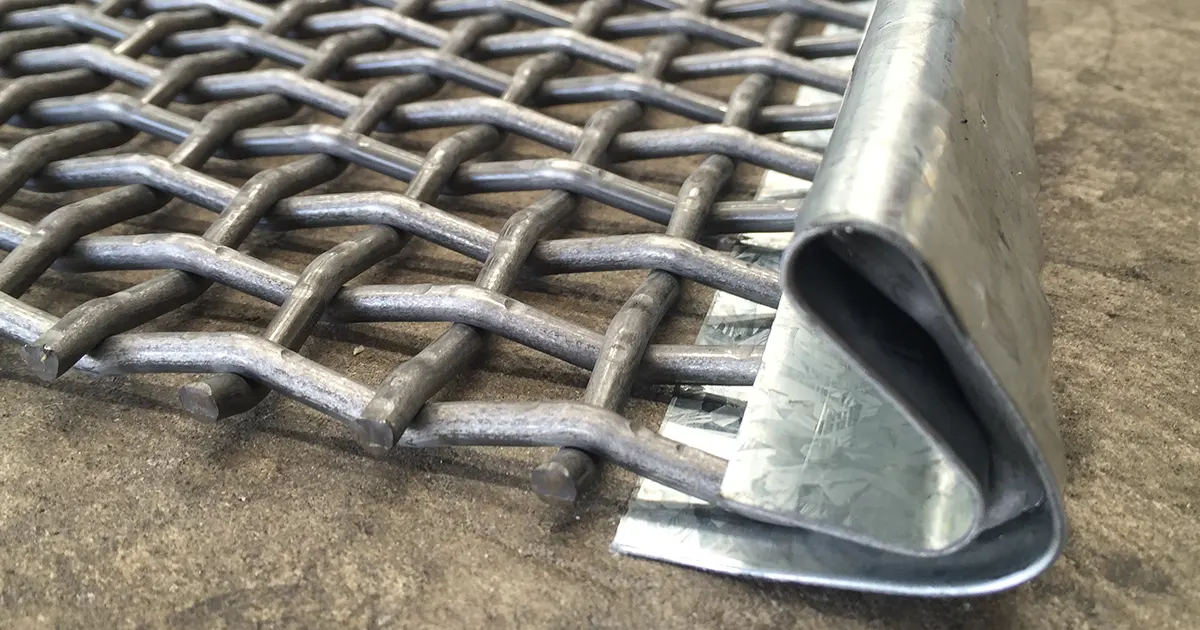
You need to pick the right aggregate screen for your work. Choosing from vibrating screen hook types can seem hard. The best hook depends on your vibrating screen and the material you use. If you know hook features and how to choose, you decide faster and feel sure. Always remember material properties, screen design, and what your operation needs. > If you do not know what to pick, ask an expert for help when choosing a vibrating screen.
Key Takeaways
- Picking the right vibrating screen hook type is very important. It helps the screen work well and last longer.
- C-Type hooks can be used in many ways. They fit most screen frames and pull the mesh tight.
- U-Type hooks hold on better and last longer. They are good for tough jobs in many industries.
- Z-Type hooks fit special frames very well. They keep the mesh tight even when the screen shakes a lot.
- Banded hook edges help fine mesh screens last longer. They stop the edges from coming apart and make sorting better.
- Always think about the material, screen shape, and how you will use it before picking a hook type.
- Taking care of hooks and installing them properly can save time and help the screen work better.
- As a screen media manufacturer, we know that the right hook style affects fit, tension, and service life. Choosing the right option helps avoid costly mistakes and keeps screening performance more stable.
What Are Vibrating Screen Hook Types
Definition and Function
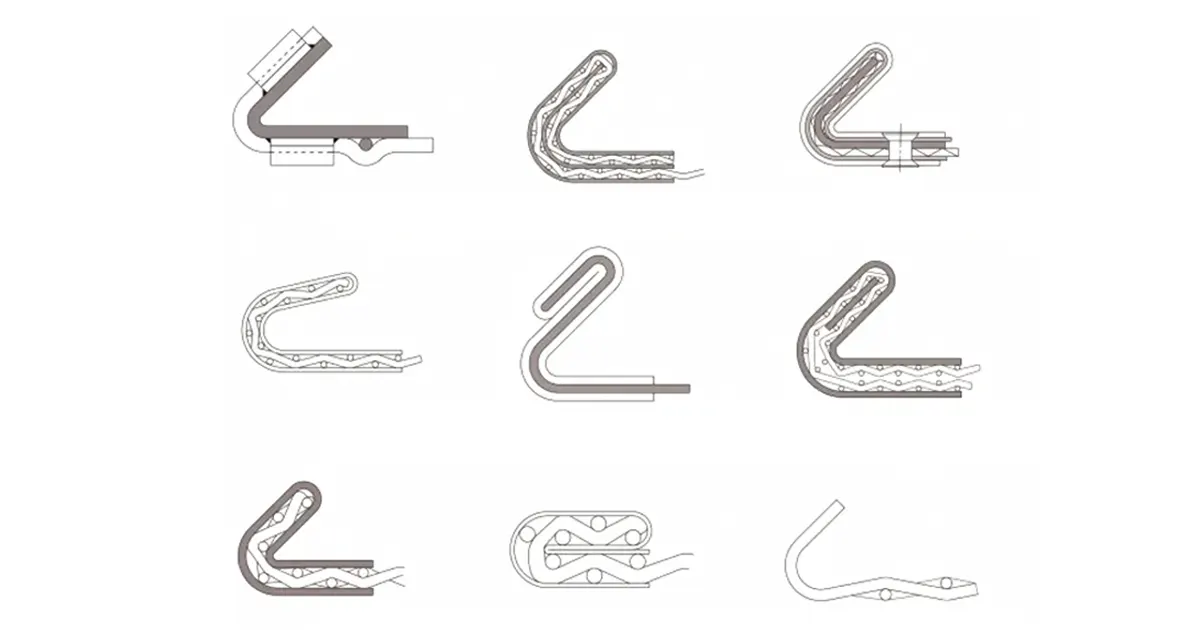
When you look at vibrating screen hook types, you see the parts that hold the screen mesh tight on your vibrating screen. These hooks sit at the edges of the mesh. They help keep the mesh flat and secure during screening. You can find different hook shapes and sizes. Each one fits a certain screen frame or tensioning system.
You might wonder why these hooks matter. They do more than just hold the mesh. The right hook type keeps your mesh tight, so you get better results. If you use the wrong hook, your mesh can sag or slip. That means you lose efficiency and might even damage your screen.
You will see hooked screens in many industries. For example:
- Mining and quarrying use shaker screens to separate rocks and minerals.
- Grading and sorting materials like coal, chemicals, or soils.
- Agriculture uses screens to clean grain or animal feed.
- Factories use them to sift out impurities from products.
Manufacturers like Gerard Daniel design hooked screens to fit many vibrating screen types. They offer different mesh sizes for all kinds of jobs. Some common vibrating screen hook types include Type 2, Type 3, and Type 5 hooks. Type 5 hooks even have canvas inserts to protect against wear.
Importance in Screen Performance
You want your vibrating screen to last and work well. The hook type you choose plays a big role in this. The design of the tensioning hooks helps keep the mesh tight. This boosts your screening efficiency and cuts down on wear.
Tip: Always match the hook style and orientation to your screen. This keeps the mesh in place and reduces downtime.
If you pick the wrong hook or set it up the wrong way, you can run into problems. Uneven tension can cause the mesh to clog or break. Sometimes, the screen might even stop working during heavy use. When you get the hook type right, you protect your mesh and extend the life of your vibrating screen.
You can see how important it is to know about vibrating screen hook types. The right choice helps you get the most out of your equipment and keeps your operation running smoothly.
Main Vibrating Screen Hook Types
C-Type Hooks
Features
C-Type hooks look like the letter “C” when you see them from the side. You find these hooks on many types of screening equipment. They fit both circular and linear screens. The hook bends around the edge of the mesh and holds it tight. You can use C-Type hooks with wire mesh or fine mesh. They work well with most vibrating screen frames.
Advantages
You get strong tension with C-Type hooks. They keep your mesh flat and steady during screening. These hooks help you avoid mesh slipping or sagging. You can install and remove them quickly. They work with many screening equipment types, so you do not need to worry about special parts.
Best Uses
C-Type hooks fit best on circular vibrating screen and linear vibrating screen setups. You can use them for sand, gravel, or stone sorting. They also work well in trommel screen systems. If you need a hook for general screening equipment, C-Type hooks are a safe choice.
U-Type Hooks
Features
U-Type hooks have a “U” shape at the edge. This shape gives extra grip on the mesh. You often see U-Type hooks on heavy-duty screening equipment. They fit both circular and linear screens. The U shape helps hold the mesh steady, even with tough materials.
Advantages
You get more holding power with U-Type hooks. They stop the mesh from moving during strong vibration. These hooks last a long time, even if you use them with rough materials. You can use them with thick wire mesh or fine mesh. They work well with many types of screening equipment, including trommel screen and vibrating screen systems.
Best Uses
You find U-Type hooks in many industries. Here are some common uses:
| Application Area |
|---|
| Mining and Ore Processing |
| Quarry and Aggregate Screening |
| Coal Preparation and Coke Plants |
| Mineral Separation and Beneficiation |
| Metallurgy and Smelting Industry |
| Cement, Chemical, and Recycling Plants |
You can use U-Type hooks for mining, sorting sand and gravel, or separating minerals. They work well with circular, linear, and trommel screen equipment.
Z-Type Hooks
Features
Z-Type hooks look like the letter “Z” from the side. You see these hooks on screening equipment that needs a tight fit. The Z shape lets you use them with special frames. They fit both circular and linear vibrating screen setups. Z-Type hooks work with wire mesh and fine mesh.
Advantages
You get a snug fit with Z-Type hooks. They help keep the mesh tight and flat. These hooks stop the mesh from slipping, even when the screening equipment shakes a lot. You can use them with trommel screen systems for extra support.
Best Uses
Z-Type hooks work best when you need a secure hold on your mesh. You can use them with circular vibrating screen, linear vibrating screen, and trommel screen equipment. They help you screen fine materials or heavy loads. If you need a hook for special frames or tough jobs, Z-Type hooks are a good pick.
Banded Hook Edges
Strength and Protection
When you work with fine mesh screens, you want them to last. Banded hook edges give you extra strength and protection. These hooks use a metal or rubber band around the edge of the mesh. This band keeps the mesh from fraying or tearing. You get a strong grip on the screen frame, so the mesh stays tight during use.
You can use banded hook edges on both circular and linear screens. The band helps the mesh handle heavy loads and strong vibration. If you use a circular vibrating screen or a linear vibrating screen, you will see less wear and fewer tears. The band also protects the mesh from sharp edges on the frame. This means your screen lasts longer and you spend less time on repairs.
Applications for Fine Mesh
Banded hook edges work best with fine mesh. You often use fine mesh to separate small particles or to grade materials with tight size limits. These hooks help you get better results because they keep the mesh flat and tight. You will see banded hook edges in industries like mining, food processing, and chemicals.
Let’s look at some key advantages of banded hook edges for fine mesh screens:
| Advantage | Description |
|---|---|
| Mesh opening range | You can use mesh sizes from 0.074 mm to 6.87 mm. This fits many grading needs. |
| Corrosion resistance | You can pick galvanized or stainless steel bands. These resist rust and wear. |
| Installation efficiency | You can install or replace these screens quickly. This saves you time and labor. |
| Separation efficiency | The band increases the open area. You get better separation and more material throughput. |
| Material movement trace | The band changes how material moves on the screen. This helps more particles reach the holes. |
If you use vibrating screen hook types with banded edges, you get a screen that is easy to install and lasts longer. You also get better performance when you use circular or linear screens. The banded edge keeps the mesh tight, even when you screen fine materials. You will notice less downtime and more efficient screening.
Tip: If you often change screens or work with fine mesh, try banded hook edges. They make your job easier and help your vibrating screen work better.
Selection Factors for Vibrating Screen Hook Types
When you choose vibrating screen hook types, you need to look at several important factors. Each screening application is different. If you want the best screening efficiency, you must match the hook type to your material, screen design, and how you plan to use the screen. Let’s break down what you should check before you decide.
Material Properties
Abrasiveness
Some materials are rough and can wear out your screen fast. If you work with abrasive materials, you need a hook and mesh that can handle the extra stress. Durable mesh and strong hooks help prevent early damage. Take a look at this table to see how material properties affect your choice:
| Material Property | Effect on Mesh Selection |
|---|---|
| Abrasiveness | Requires durable mesh materials to prevent wear. |
| Density | Needs a robust screen with extra support for heavy loads. |
If you ignore abrasiveness, your screen might break down quickly. This leads to more downtime and lower screening efficiency.
Particle Size
The size of the particles you screen matters a lot. Fine particles need a fine mesh, while bigger particles need a coarser mesh. If you use the wrong mesh, you risk clogging. Clogging can slow down your process and lower your screening efficiency. When you determine screen type, think about the size and mix of your material. Rapid vibration works better for materials with lots of small particles. This helps keep the mesh clear and boosts screening efficiency.
Screen Design and Compatibility
Frame Type
Your vibrating screen frame decides which hook types you can use. Some frames work best with C-Type hooks, while others need U-Type or Z-Type hooks. Always check your frame before you pick a hook. If you use the wrong hook, you might see sagging or even more clogging. This can hurt your screening efficiency.
Tensioning Method
How you tighten the mesh on your screen also matters. Some hooks make it easy to keep the mesh tight. Good tensioning stops sagging and keeps your screening efficiency high. If you pick a hook that matches your tensioning method, you will have fewer problems with clogging and mesh slipping.
Tip: Always check your frame and tensioning system before you choose a hook. This saves you time and keeps your screening running smoothly.
Operational Requirements
Load and Vibration
Think about how much material you will screen and how strong your vibrating screen shakes. Heavy loads and strong vibration need tough hooks and mesh. If you use weak hooks, you might see more clogging and even mesh failure. Strong hooks help spread the load and keep your screening efficiency high.
Maintenance Frequency
How often do you plan to change or clean your screens? If you need to swap screens often, pick hook types that are easy to install and remove. This cuts down on downtime and keeps your screening application moving. Easy maintenance also helps you spot and fix clogging before it becomes a big problem.
Note: If you want the best results, always consider screening efficiency, material properties, and your screen type. This helps you avoid common issues like clogging and keeps your operation running at its best.
How to Choose Vibrating Screen Hook Types
Define Application Needs
Before you pick a vibrating screen, you need to know what you want. This step helps you avoid mistakes and makes sure you get the right screen. Here is an easy way to figure out what you need:
- Analyze Your Material Properties
Look at what you will screen. Check the biggest and smallest particle sizes. This helps you choose the right mesh opening. Notice the shape of your material. Is it round, flat, or a strange shape? This changes how it moves through the screen. - Check Bulk Density
Find out how heavy your material is for its size. Heavy materials need stronger screens and hooks. - Measure Moisture Content
Wet materials can block screens. If your material is wet, you may need a special hook or mesh to keep things working. - Define Your Requirements for Output
Decide how much material you want to screen each hour. Think about the quality you want from your screening. - Consider Your Industry Needs
Every industry has its own rules. Make sure you know what your job needs before you pick a screen.
Tip: When you know what you need, you are ready to choose. You save time and money by picking the right screen the first time.
Match Hook to Screen and Material
Now that you know your needs, you can match the screen to your job. Not all vibrating screen hook types work for every job. You want your hook, mesh, and frame to fit together. Here is a table to help you compare what matters:
| Factor | Description |
|---|---|
| Industry Requirements | Each industry has different screening needs based on material, amount, and goals. |
| Material Composition | The material you use changes strength, rust resistance, and how long it lasts. |
| Opening Size and Configuration | The size and shape of the openings change how well you separate things and the quality you get. |
| Screen Shape and Pattern | The shape and pattern change how things move and spread out on the screen. |
| Durability and Wear Resistance | Durability is important in tough places; look for strong coatings and designs. |
| Maintenance and Cleanability | Think about how easy it is to clean and fix the screen to keep things running well. |
If you want to pick the right screen, always look at what you will screen and the type of vibrating screen you use. For example, heavy, sharp rocks need a strong hook and mesh. Fine powders may need a banded hook edge for extra support. Matching the screen to the job helps you avoid problems and keeps your work going.
Note: Picking the right hook for your screen and material helps your screen last longer. If you are not sure, ask an expert for help.
Evaluate Durability and Maintenance
You want your screen to last and be easy to take care of. When you pick a vibrating screen, check how strong the hooks and mesh are. Also, think about how easy it is to clean and keep everything working. Here is a quick table to help you:
| Criteria | Description |
|---|---|
| Maintenance Accessibility | Look for screens that are easy to reach for fixing motors, bearings, and decks. |
| Material Compatibility | Stainless steel frames are good for places with rust or where things must stay clean. |
| Inspection Procedures | Check for cracks, wear, and other problems often to keep your screen strong. |
If you need to change screens a lot, pick hooks that are easy to put on and take off. This saves you time and keeps your screening working well. Checking for damage often helps you find problems early. When you know what you need for durability and care, your equipment works well for a long time.
Remember: Picking the right screen and hook type is not just for today. It helps your work go well for many years.
Consult with Experts
You might feel overwhelmed by all the hook types and choices. That is normal. Even people who work with vibrating screens every day ask for help. When you talk to an expert, you get answers that fit your job. You save time and avoid costly mistakes.
Why should you talk to an expert?
- You get advice for your exact material and screen.
- You learn about new hook types or better options.
- You avoid picking the wrong hook and wasting money.
- You can ask about custom solutions for special needs.
Tip: Bring a sample of your material or a photo of your screen when you talk to an expert. This helps them give you the best advice.
How do you find the right expert?
- Contact the manufacturer.
Most screen makers have technical teams ready to help. You can call, email, or use their website chat. - Visit local suppliers.
Many suppliers know the common problems in your area. They can show you samples and answer questions. - Ask for references.
If you know someone who uses vibrating screens, ask who helped them. Good experts often come from word of mouth. - Check online resources.
Many companies post guides, videos, and FAQs. These can answer simple questions fast.
What should you ask an expert?
| Question | Why It Matters |
|---|---|
| What hook type fits my screen frame? | Ensures you get a hook that works with your gear |
| Which hook lasts longest for my job? | Helps you avoid frequent replacements |
| Can I use a stronger mesh or banded edge? | Boosts screen life and performance |
| How do I install and tension the hooks? | Prevents mistakes during setup |
| What maintenance tips do you have? | Keeps your screen running longer |
You do not have to guess. Experts want to help you get the best results. They know the latest products and tricks. When you work with them, you get a screen that fits your needs and lasts longer.
Note: If you ever feel stuck, reach out. A quick call or message can save you hours of trouble. You will feel more confident in your choice and see better results from your vibrating screen.
Types of Aggregate Vibrating Screens and Hook Selection
Horizontal vs. Inclined Screens
You might wonder about the main types of aggregate vibrating screens. The two most common are horizontal screens and inclined screens. Each one works a bit differently and fits certain jobs better.
- Horizontal screens sit flat. They shake the material back and forth. You get a longer time for the material to move across the screen. This helps when you want a clean cut or need to separate small pieces. Horizontal screens work well if you have sticky or wet material. They also help when you want to control the speed of screening.
- Inclined screens tilt at an angle. Gravity helps move the material down the screen. These screens work fast and handle large amounts of material. You often see inclined screens at quarries or big construction sites. They are great for sorting rocks, gravel, and sand.
Tip: If you need more control and cleaner results, try a horizontal screen. If you want speed and can handle rougher sorting, go with an inclined screen.
Matching Hook Types to Screen Types
Choosing the right hook for your screen makes a big difference. Not every hook fits every screen. You want the hook to match your screen type and the job you do. This helps your vibrating screen last longer and work better.
Here is a simple table to help you see which hook types fit different jobs:
| Hook Type | Description | Application |
|---|---|---|
| CWA1 | Versatile, general-purpose hook | Most applications |
| CWA9 | Higher tension for heavy-duty operations | Heavier-duty operations |
| CWA3 | Designed for lighter applications | Lighter applications |
If you use a horizontal screen, you might pick a CWA1 hook for most jobs. It gives you good stability and fits many types of aggregate vibrating screens. For tough jobs or heavy loads, like on an inclined screen, you may want a CWA9 hook. This hook holds the mesh tight, even when the screen shakes hard. If you have a light job or a small machine, a CWA3 hook works well.
Note: Always check your screen type before you pick a hook. The right match keeps your screening smooth and stops problems before they start.
You can see that matching the hook to your vibrating screen type helps you get the best results. It also saves you time and money on repairs. When you know your screen and your material, you can choose the best hook for the job.
Hook Type Comparison Checklist
Quick Reference Table
You want to pick the right hook for your job, but all the choices can feel confusing. This quick table helps you compare the main hook types side by side. You can see which hook fits your needs at a glance.
| Hook Type | Best For | Mesh Type | Strength Level | Easy to Install? | Special Features |
|---|---|---|---|---|---|
| C-Type | General use | Wire/Fine Mesh | Medium | Yes | Fits most frames |
| U-Type | Heavy-duty jobs | Thick/Fine | High | Yes | Extra grip for tough loads |
| Z-Type | Tight fit, special use | Wire/Fine Mesh | High | Yes | Snug fit for special frames |
| Banded Hook Edge | Fine mesh, long life | Fine Mesh | High | Yes | Extra protection, less wear |
| Square Hook Strip | Uniform tension | Wire Mesh | Medium | Yes | Good for steady vibration |
Tip: Use this table when you talk to your supplier or when you check your vibrating screen. It helps you make a fast and smart choice.
Selection Checklist
You want to feel sure about your hook choice. Use this checklist before you order or install your next screen. It covers the most important points for screening success.
- Know Your Material
- Is it heavy, sharp, or sticky?
- What size are the particles?
- Check Your Screen Frame
- What type of frame do you have?
- Does it need a special hook shape?
- Think About Load and Vibration
- Will your screen handle big loads or strong shaking?
- Do you need extra-strong hooks?
- Look at Mesh Type
- Are you using fine mesh or thick wire?
- Would a banded edge help your mesh last longer?
- Plan for Maintenance
- How often will you change or clean the screen?
- Do you want hooks that are easy to remove?
- Ask for Expert Advice
- Not sure about your choice?
- Bring your checklist and talk to a pro.
Remember: The right hook keeps your screening running smooth and helps your equipment last longer.
You can print this checklist or save it on your phone. Next time you work with a vibrating screen, you will know exactly what to look for.
Common Mistakes in Hook Selection
When you start selecting a vibrating screen, you want to avoid common mistakes. These mistakes can lead to wasted time, extra costs, and poor results. Let’s look at three big errors people make when picking hook types.
Ignoring Compatibility
You might think any hook will work with your screen. That’s not true. If you ignore compatibility, you risk trouble. The hook must fit your screen frame and mesh. If it doesn’t, you could see sagging, slipping, or even mesh breakage. You need to check the frame type and tensioning method before you choose. When you match the hook to your screen, you get better performance and longer screen life.
Always check the hook shape and size. If you use the wrong hook, your screening won’t work as well. You may spend more time fixing problems than getting results.
Overlooking Maintenance
You may forget about maintenance when selecting a vibrating screen. If you pick hooks that are hard to install or remove, you make your job tougher. Screens need regular cleaning and checks. Easy-to-maintain hooks save you time and reduce downtime. If you overlook maintenance, you might miss early signs of wear or damage. That can lead to sudden failures and costly repairs.
- Choose hooks that let you change screens quickly.
- Look for designs that make cleaning simple.
- Plan for regular inspections to catch issues early.
If you keep maintenance in mind, your vibrating screen stays strong and works longer.
Choosing by Price Only
You might feel tempted to pick the cheapest option when selecting a vibrating screen. Price matters, but it’s not the only thing to consider. If you focus only on cost, you risk getting a screen that wears out fast or doesn’t meet your needs.
Here’s what can happen if you choose by price alone:
- Lower-priced screens may break quickly if they don’t match your screening requirements.
- Weak tensioning can cause damage or strip fracture, cutting screen life short.
- Poor quality leads to less efficient screening and more downtime.
You need to look at quality, mesh size, screen design, and material strength. When you balance price with these factors, you get a screen that lasts and performs well.
Don’t let price be your only guide. A good screen saves you money in the long run by reducing repairs and keeping your operation running smoothly.
If you avoid these mistakes, you make smarter choices. Your vibrating screen works better, lasts longer, and helps you get the results you want.
Conclusion
Picking the right vibrating screen hook types makes your screening smoother and helps your vibrating screen last longer. When you choose the right hook, you keep the mesh tight and avoid sagging or damage. Always think about your material, screen design, and how you use your equipment. Use the checklist to check for hook fit, grade, and wear. If you need help, talk to an expert. We can create custom solutions for your unique needs.
FAQ
What is the most common vibrating screen hook type?
You will see C-Type hooks used most often. They fit many screen frames and work for general screening jobs. If you are unsure, start with C-Type hooks. They offer good tension and easy installation.
Can I reuse vibrating screen hooks?
You can reuse hooks if they show no signs of wear or damage. Always check for cracks or bends before reinstalling. Damaged hooks can cause mesh failure or poor tension.
How do I know when to replace my screen hooks?
Look for these signs:
- Hooks look bent or cracked
- Mesh slips or sags
- You see uneven tension
Tip: Replace hooks at the first sign of damage to avoid bigger problems.
Do hook types affect screening efficiency?
Yes! The right hook keeps your mesh tight and flat. This helps you get better screening results and less downtime. The wrong hook can cause sagging, clogging, or even mesh breakage.
Which hook type should I use for fine mesh?
You should use banded hook edges for fine mesh. The band protects the mesh from tearing and helps it last longer. This type also makes installation easier.
Can I switch hook types on my existing screen?
You can switch hook types if your screen frame supports the new style. Always check with your screen manufacturer before making changes. Some frames only fit certain hooks.
How do I keep my hooks and mesh in good shape?
- Clean screens often
- Check hooks for wear
- Tighten tension regularly
Regular care helps your screen last longer and work better.