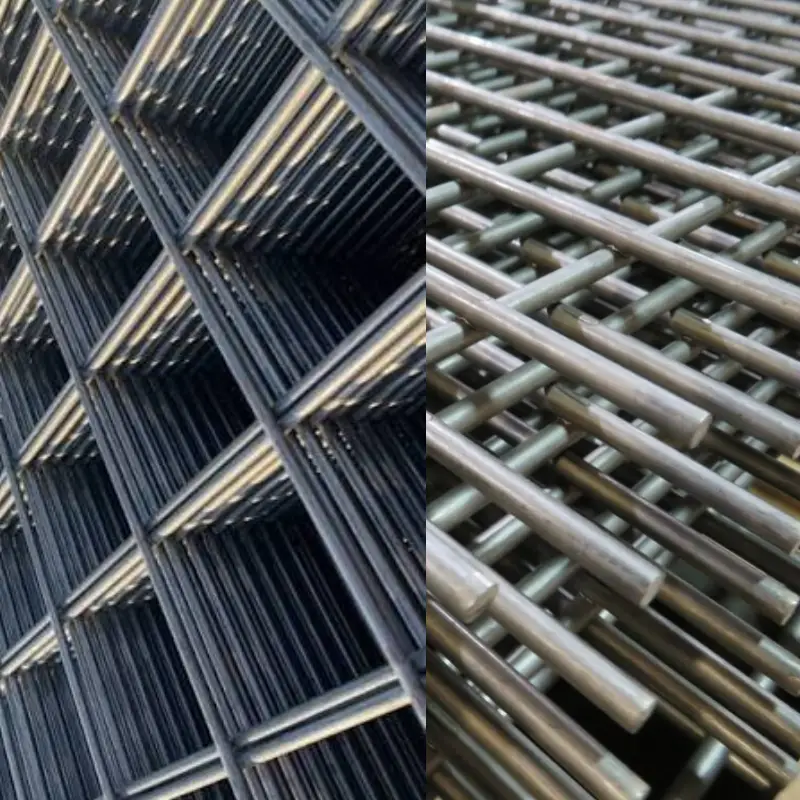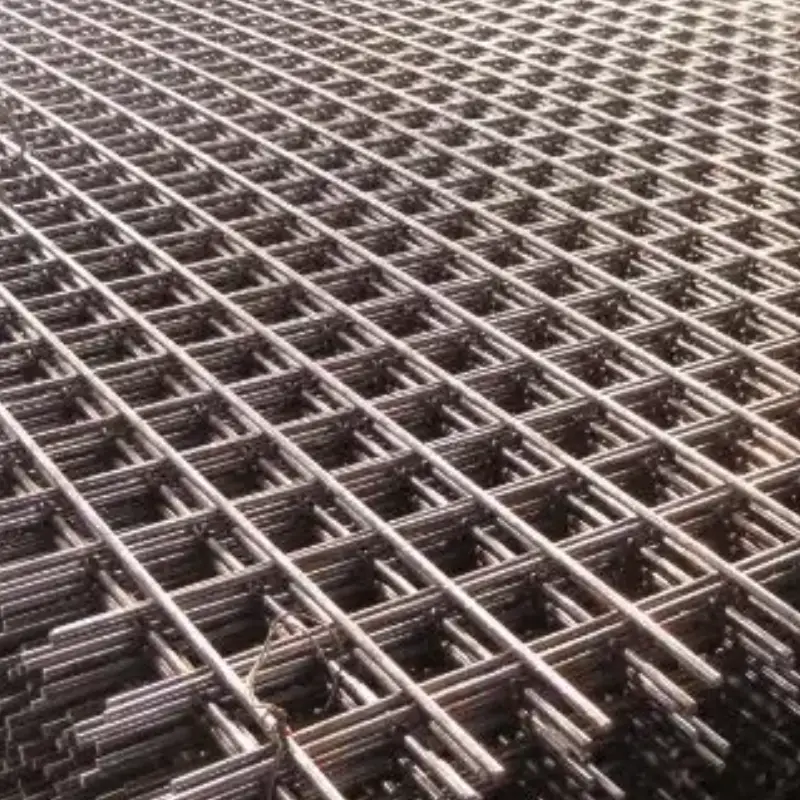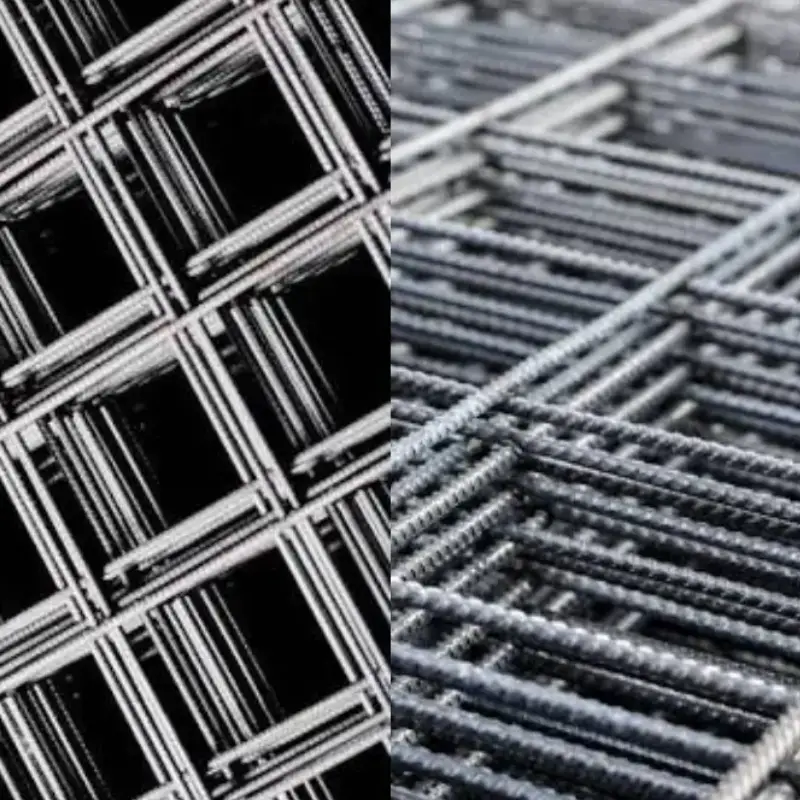
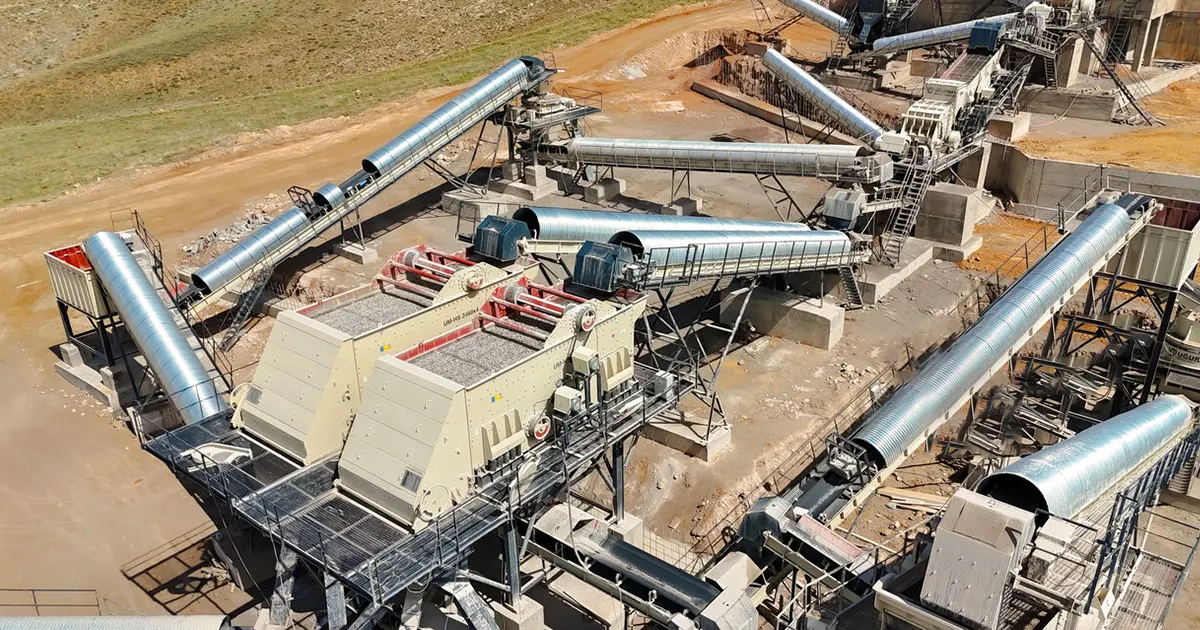
You can find vibrating screens in many mining and aggregate places, showcasing a variety of vibrating screen applications. These machines shake and sort materials like ores, sand, and gravel. More than 60% of aggregate sites utilize vibrating screens due to their effectiveness. They help separate and size materials, making work faster and easier. Vibrating screens are also employed in recycling and waste management, demonstrating their versatility in various vibrating screen applications. See how these machines enhance productivity:
| Feature | Description |
|---|---|
| Effective Size Classification | Lets you split small and big particles for better sorting. |
| High Throughput Capacity | Handles lots of material without stopping, meeting work needs. |
| Dynamic Surface Action | Stops clogging and keeps things moving, so less downtime. |
| Durability and Reliability | Made strong to last in tough places. |
| Customizable Configurations | Gives mesh choices for different materials and jobs. |
You need the right setup and media for your material. Picking the best one can really help with vibrating screen applications.
Key Takeaways
- Vibrating screens help sort and size things like ores, sand, and gravel in mining and aggregate work. These machines make work faster by quickly separating materials. This means processing is quicker and there is less waiting time.
- Vibrating screens used for scalping take out big unwanted pieces early. This protects crushers and saves time.
- Dewatering screens take water out of materials well. This makes the materials easier to handle and better in quality.
- Vibrating screens can be used in many ways. They are good for recycling and waste management because they sort different materials well.
- Picking the right screen media, like woven wire mesh or polyurethane, helps the screen work better and last longer. The best choice depends on what material you are using.
- Taking care of vibrating screens is important. You should check for damage and clean them often. This helps them work well and last a long time.
- Working with screen media makers can give you special solutions and help. This makes the whole plant work better.
Vibrating Screen Applications in Mining and Aggregate Processing
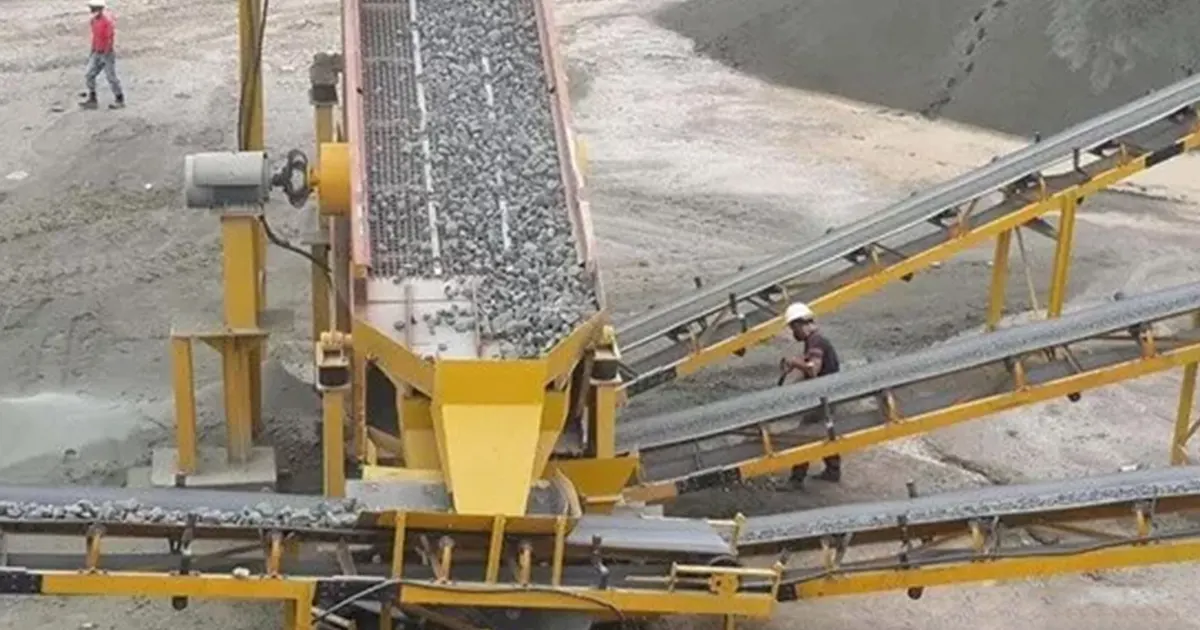
Vibrating screen applications are very important in mining and aggregate processing. You can find these machines in many places, like quarries and recycling plants. They help you sort, size, and clean different materials. If you want to get the best from your aggregate, you should know how aggregate screens work at each step.
Material Separation and Sizing
When you start with raw materials, you need to sort them by size and type. Aggregate screening machines make this job quick and simple. They use vibration to move materials over the screen deck. This helps you get better results and more accurate sorting.
Scalping and Pre-Screening
Scalping is the first thing you do in many mining jobs. You use aggregate screens to take out big rocks, clay, or trash before crushing. This keeps your crushers safe and stops jams. Pre-screening also lets you remove small pieces early, so your machines do not get too full.
Tip: Using vibrating screens for scalping saves time and money. You only keep the right-sized materials in your process.
Fine Screening for Quality
After crushing, you need to sort materials into different grades. Fine screening uses aggregate screening machines with smaller mesh holes. This step helps you get clean and even products like sand, gravel, or crushed stone. Vibrating screen machines can handle everything from big rocks to tiny silts.
Here is how the screening process works inside the machine:
| Mechanism | Description |
|---|---|
| Stratification | Vibration makes bigger pieces rise to the top. Smaller pieces sink closer to the screen openings. |
| Crowded screening | As material moves, fine pieces start to go through the mesh together. |
| Separated screening | Near-sized pieces get one last chance to pass through the mesh. The rest of the fines leave the screen. |
| Material conveyance | Gravity and screen motion move materials across the deck. This lets you get different sizes out. |
You can see how aggregate screens help you get the right size and quality for every job. They work with ores, minerals, gravels, crushed rocks, sand, and silts easily.
Dewatering and Desliming
Wet materials can slow down your mining work. You need to take out water and fine clay to keep things moving well. Vibrating screens are great for this job.
Moisture Removal
Dewatering screens pull water out of your aggregate. You can lower the moisture to about 9–10%. Sometimes, the moisture can be between 8% and 20%, depending on your materials. This step makes your aggregate easier to move and use.
- Dewatering screens help you save drying time.
- You get cleaner and drier materials for the next step.
Improving Cleanliness
Desliming uses aggregate screens to wash away fine clay, silt, or dust. This makes your final product better. Clean aggregate works better in concrete, asphalt, or road base.
- Vibrating screens are good for dewatering, desliming, and rinsing.
- You can change mesh size, vibration speed, and feed rate for the best results.
Recycling and Solid Waste Management
Vibrating screen applications are not just for mining. You can use aggregate screening machines in recycling and waste management too. These machines sort and clean many types of materials.
Versatility Beyond Mining
You find vibrating screens in material recovery centers, composting plants, and waste-to-energy sites. They sort mixed recyclables like plastics, metals, paper, and glass by size and weight. In solid waste and construction waste jobs, aggregate screens separate fines like soil and sand from bigger pieces. This helps you get valuable materials and prepare clean feedstock for composting or energy use.
- Vibrating screens make recovered materials cleaner for resale.
- They work with air classifiers and magnets for better sorting.
- You can use them to get organic and inorganic waste ready for composting, digestion, or burning.
Common materials processed by aggregate screens in recycling include:
- Metals
- Plastics
- Glass
- Paper
- Organic matter
- Solid parts
- Fine powdered materials
You see aggregate screening machines in solid waste plants, composting jobs, and electronic waste recycling. They help you get the most value from every load.
Note: Vibrating screen machines make screening automatic, reduce labor, and cut down on mistakes. More people want these machines in mining, construction, and recycling because they make material handling easier.
If you want to improve your mining or recycling plant, aggregate screens are needed. They help you with sorting, sizing, dewatering, and cleaning. You get better results, higher efficiency, and cleaner materials every time.
Types of Vibrating Screen Machines
When you visit a quarry or mining site, you will see many vibrating screening machines. Each machine does a special job. Let’s look at the main types and see how they help you.
Inclined Aggregate Screens
Inclined screens are the most common vibrating screening machines in aggregate processing. They sit at an angle, usually between 15 and 20 degrees. This tilt helps materials move across the screen deck with gravity and vibration.
Common Uses
You use inclined screens for many jobs like scalping, sizing, and washing. They work with both dry and wet materials. You can change the angle and vibration speed to fit your needs. These screens are strong and can handle big rocks or fine sand.
Here is a quick look at how inclined screens compare to other types:
| Screen Type | Advantages | Disadvantages |
|---|---|---|
| Inclined Screens | Versatile, easy to adjust, handles many materials | Not as accurate or high-capacity as others |
| Horizontal Screens | High accuracy, great for big jobs | More complex, higher cost, more maintenance |
| High-Frequency | Best for fine materials, very precise | Not for heavy or coarse materials |
Tip: If you want a screen that works for most jobs, start with an inclined screen.
Horizontal Screens
Horizontal screens sit flat or at a small angle. They use strong vibration to move material across the deck. You see these screens where space is tight or you need to process a lot of material quickly.
High-Capacity Applications
You pick horizontal screens when you need high capacity and accuracy. They are good for secondary screening, where you want to separate materials into several sizes at once. These screens use linear or elliptical motion, which keeps materials moving and stops clogging.
Some reasons to choose horizontal screens:
- They give you better separation, even with wet or sticky materials.
- You can stack them in layers to sort many sizes at once.
- Their flat design means you do not need a tall building, which saves money.
| Feature | Benefit |
|---|---|
| Flat design | Saves space and lowers building costs |
| Strong motion | Handles big jobs and wet materials well |
| Multi-deck | Sorts several sizes in one machine |
Note: Horizontal screens are great if you want to increase your plant’s capacity without using more space.
High-Frequency Screens
High-frequency screens are special vibrating screening machines. They vibrate much faster than other types, sometimes up to 100 times each second. This fast motion helps separate very fine particles from your material.
Fine Aggregate Processing
You use high-frequency screens when you need to get the finest sand or powder out of your mix. These screens make a thin layer of material on the deck, so small particles can pass through easily. They also have self-cleaning cycles and settings you can change for each job.
- High-frequency screens use less energy but still work well.
- They can reach over 90% efficiency for fine aggregate separation.
- You can adjust the frequency and amplitude to match your material.
| Feature | Description |
|---|---|
| High G-forces | Better separation of fine particles |
| Self-cleaning | Less downtime, more uptime |
| Energy efficient | Saves power while working hard |
| Adjustable settings | Fits many different materials |
If you need clean, fine sand for concrete or special products, high-frequency screens are the best choice.
Remember: Picking the right vibrating screening machines helps you get the best results for your plant, whether you need big rocks, clean sand, or anything in between.
Dewatering Screens
In mining and aggregate work, you often have wet materials. Dewatering screens help you get rid of water quickly. These machines shake very fast to remove moisture. You end up with drier material that is easier to move and use.
Dewatering screens do not look like other vibrating screens. They have a slanted surface, tilted between 0 and 5 degrees. This tilt helps water drain away fast. The screens run at speeds from 1000 to 1500 RPM. You see them in places where water slows down the work.
Dewatering screens are special for a reason. They use strong vibration, often above 5g. This shakes water out of the material. The design must be tough to handle the shaking. The motor and console need to be strong too. You can count on these screens when moisture is a big problem, like in mining, sand washing, or wastewater jobs.
Here are some reasons to pick a dewatering screen:
- You want your product to have less water.
- You need to dry things faster and store them sooner.
- You work with slurries or wet aggregates.
Tip: Dewatering screens give you cleaner and drier material. You save time and money because you do not need extra drying machines.
Moisture Reduction
You can see a big change after using a dewatering screen. Water goes through the mesh, leaving solid material behind. You get aggregates with less water, sometimes as low as 9–10% moisture. This makes it easier to move, store, and sell your product.
If you work with sand, gravel, or minerals, you know moisture reduction is important. Dewatering screens help your work go faster and smoother. You get better results and less mess.
Custom and Specialized Screens
Sometimes, you have special problems in aggregate processing. Regular screens may not work for your needs. Custom and special screens can fix these problems. You can choose a screen made for your material and job.
Here are some custom vibrating screens and what they do:
| Type of Screen | Description | Applications |
|---|---|---|
| Circular High-Frequency Vibrating Screen | Splits thick liquids and fine slurries at high speeds for good filtering. | Ceramics, coatings, special chemicals, and jobs needing very pure products. |
| Elliptical Motion Vibration Screening Machine | Uses both round and straight motion for high capacity and gentle handling. | Jobs needing careful particle control and gentle work. |
| Banana Vibrating Screen | Curved shape moves lots of material and sorts many sizes well. | Coal work, ore cleaning, and mineral jobs in mining and aggregates. |
You can ask for a screen that fits your material, size, and job. Custom screens help you get the best results, even with hard-to-handle materials.
Note: Special screens help you with tough jobs. You can work better and get cleaner products by picking the right machine.
Screen Media Selection for Aggregate Processing
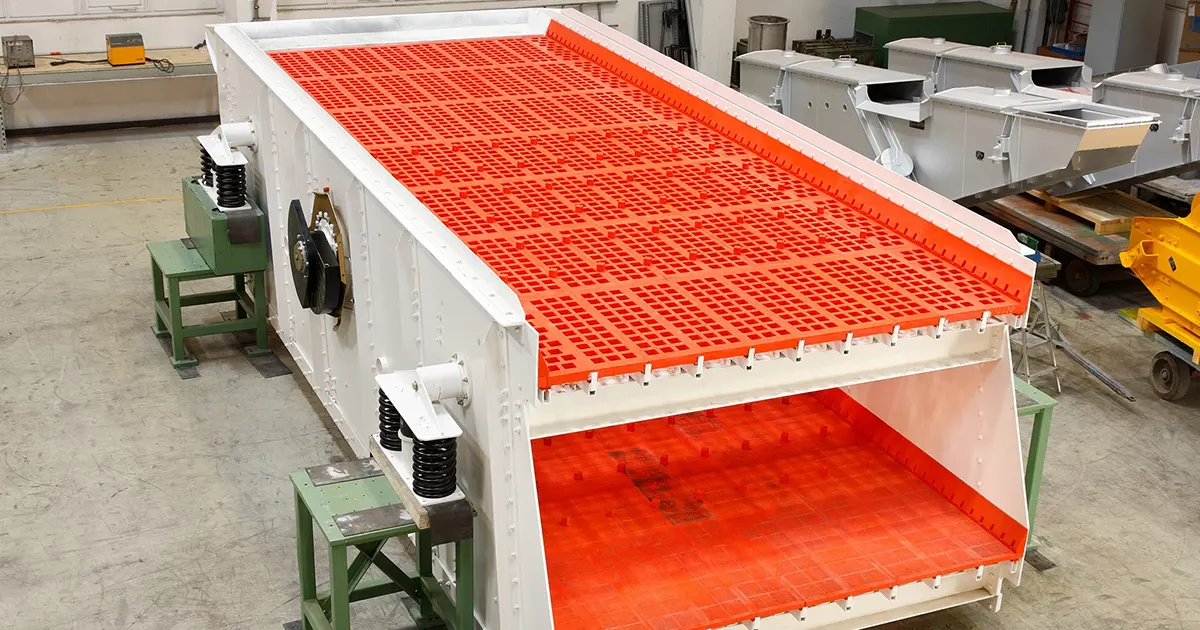
Picking the right screen media is important for your plant. The right screen helps your plant work better and last longer. You need screens that fit your material and can handle your work. Let’s check out some common choices and see how they help you.
Woven Wire Mesh
Durability and Versatility
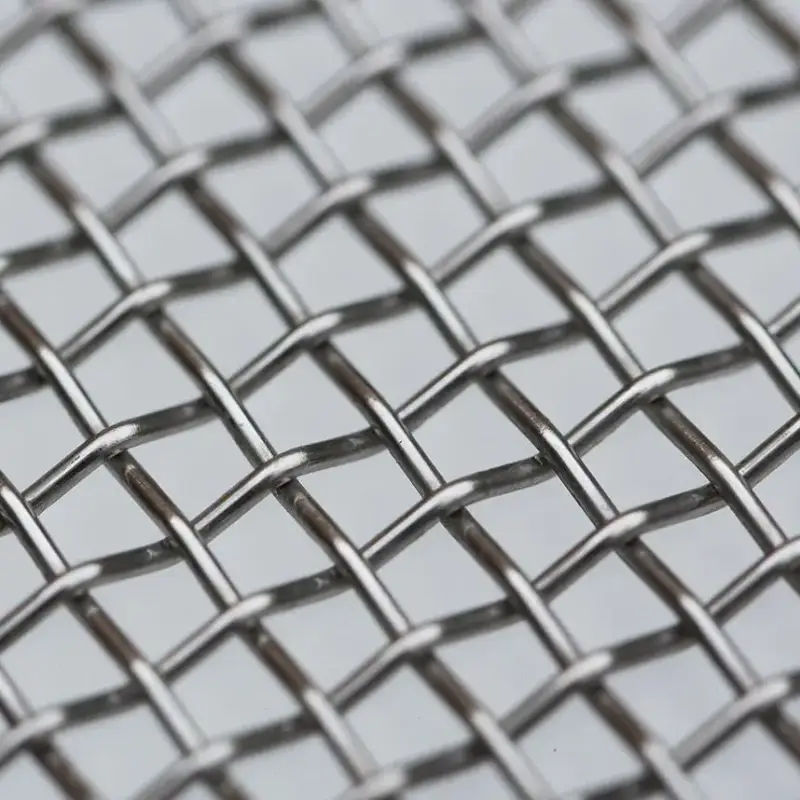
Woven wire mesh is a popular choice in many places. You see it in quarries and mining sites because it works with many materials. This mesh is made from strong steel wires woven together. The wires make a grid with spaces in between. You can pick how thick the wires are and how big the openings are.
Many people like woven wire mesh because it lets material move fast. It also gives sharp cuts for sorting. If you need a new size, you can change the mesh easily. But, it does not last as long as some other types. It can wear out quickly if you use sharp or heavy rocks.
Here is a quick look at different screen media:
| Material | Durability | Throughput Efficiency |
|---|---|---|
| Woven Wire Mesh | Wears out faster than rubber/pol. | Allows for faster material processing |
| Polyurethane Mesh | Balances strength and flexibility | Maintains uniform particle collection |
| Rubber Panels | Excellent impact resistance, longer lifespan | May have lower throughput due to less open area |
Tip: Woven wire mesh is easy to swap and works for many jobs. It is a good choice if you want something simple.
Polyurethane Screens
Wear Resistance
Polyurethane screens are very strong. You should use them if you have sharp or rough materials. These screens last much longer than woven wire mesh. They do not rust, so you do not need to fix them often.
Polyurethane screens have special features:
- They do not wear out fast, even with rough materials.
- Some have extra layers or pockets for more protection.
- You spend less time changing screens and more time working.
Studies show polyurethane screens can last five times longer than other types. They work well in both wet and dry jobs. If you want a screen that lasts, polyurethane is a smart pick.
Note: Polyurethane screens save you money because you do not replace them often.
Rubber Panels
Impact Absorption
Rubber panels make your work safer and quieter. You will hear less noise when you use them. Rubber is bouncy, so it absorbs shakes and hits. This makes your work area more comfortable.
Here is what rubber panels do for you:
- They take the shock from heavy rocks and protect your machines.
- Their bounce helps stop vibration, so your equipment lasts longer.
- Rubber panels last a long time, even in hard jobs.
Rubber panels absorb hits better than metal screens. This is good if you work where things hit hard. They also make your site quieter, which keeps people safe.
If you want a screen that keeps your team and machines safe, rubber panels are a great choice.
Self-Cleaning Screens
Maintenance Reduction
You know how annoying it is when your screens get clogged or blocked. Self-cleaning screens help you avoid this problem. These screens use special wires or panels that move on their own. This movement keeps holes open and stops material from sticking.
When you use self-cleaning screens, you get some big benefits:
- You prevent blinding and pegging, so your screens stay clear.
- You spend less time stopping work to clean or fix screens.
- Advanced screen media with independent vibration helps material flow better.
- You lower your maintenance costs because you do not need to replace screens as often.
- Your product stays consistent and meets engineering standards.
- You protect your crushers from extra wear, which saves you money.
Tip: If you want less downtime and more uptime, self-cleaning screens are a smart choice. They keep your plant running smoothly and help you meet your production goals.
Perforated Plates
Heavy-Duty Aggregate Applications
Sometimes, you need something extra tough. Perforated plates are the heavy hitters in the screening world. These plates are thick metal sheets with holes punched in them. You use them when you deal with big rocks, heavy loads, or sharp materials.
Here’s why you might pick perforated plates over other screen types:
| Advantage | Description |
|---|---|
| High Durability | Built for harsh jobs, they last a long time even in rough places. |
| Wear Resistance | Made from strong steel like NM400/NM500, they last over three times longer than regular screens. |
| Precision Screening Control | You can choose hole sizes from 5mm to 100mm for accurate sorting. |
| Super Strong Carrying Capacity | Handles heavy loads up to 5 tons per square meter and high vibrations without bending. |
You should use perforated plates if you work in mining, quarrying, or any job where screens take a beating. They give you reliable performance and help you avoid frequent replacements.
Note: Perforated plates are your go-to for the toughest jobs. They keep working when other screens wear out.
Matching Media to Material Properties
Choosing the right screen media is not just about strength. You need to think about what you are screening. Different materials act in different ways. If you match your screen media to your material, you get better results and less trouble.
Let’s look at how material properties affect your screening:
| Material Property | Impact on Screening Efficiency |
|---|---|
| Moisture | Wet material can clump and clog screens, slowing things down. |
| Fines/Clay | Sticky fines or clay can block holes and lower your output. |
| Near-Size | Particles close to the hole size can get stuck, wasting good material. |
| Shape | Round pieces pass through easily, but odd shapes can block holes. |
| Density | Heavy material may block holes and slow the flow. |
You get the best screening when you match your media to your material. For example, use self-cleaning screens for sticky or wet materials. Pick perforated plates for heavy, sharp rocks. If you pay attention to these details, your plant runs better and your products look great.
Remember: The right screen media makes your job easier and your results better. Always match your screen to your material for top performance.
Benefits of Vibrating Screen Applications
Increased Productivity
You want your plant to work faster and easier. Vibrating screens help you move more material in less time. These machines make a big difference in how much you can process each day. The screens sort materials quickly, so you spend less time waiting. You get more time to work and finish jobs.
Check out this table to see how vibrating screens help:
| Metric | Before Implementation | After Implementation | Improvement |
|---|---|---|---|
| Throughput (metric tons/day) | 5 | 8 | +60% |
| Replacement cycles (months) | 3 | 7 | +133% |
| Energy savings (%) | N/A | 18% | N/A |
Throughput goes up by 60%. Replacement cycles last longer, so you have less downtime. Energy savings make your plant run better. With vibrating screens, you get more work done every shift.
Tip: If you want your plant to be more productive, start with good screening equipment. You will see the change right away.
Cost Savings
Saving money is important for every plant. Vibrating screens help you spend less in many ways. You use less energy because modern screens are efficient. Their strong build means you do not need to replace parts often. This lowers your maintenance costs.
Here are some ways vibrating screens save money:
- Energy-efficient screens cut your power bills.
- Strong designs mean fewer repairs and replacements.
- Good mechanical systems reduce wear and tear.
- Less downtime means you spend less on labor and emergency fixes.
You get more value from your equipment with vibrating screens. The machines work hard but do not waste energy. Your plant keeps running without extra repair costs.
Note: Picking energy-efficient screens helps you save money every month. You can use those savings to grow your business.
Material Quality Improvement
You want your final product to be clean and even. Vibrating screens make this happen by sorting materials well. The machines separate big particles from small ones, so you get pure materials. This helps you meet quality standards for concrete, asphalt, and other jobs.
Here is a table showing how vibrating screens help material quality:
| Improvement Type | Description |
|---|---|
| Material Purity | Better separation by size gives higher purity levels. |
| Consistency | Sorting makes material processing more consistent. |
| Yield | Efficient separation gives you more usable material. |
You get better purity and consistency in your products. The screens help you recover more material, which boosts your yield. With vibrating screens, your final product looks and works better.
- Makes material more pure and consistent
- Improves final product quality
Vibrating screens use force to separate materials. You get easier recovery and higher yields. This means your plant produces better results every day.
Tip: If you want top-quality materials, vibrating screens are the best choice. They help you deliver products that meet every standard.
Lower Maintenance
You want your machines to work well without lots of repairs. Vibrating screens help with this. They need less fixing than other screening machines. You spend more time working and less time fixing things.
Why do vibrating screens need less care? It is because of their simple build. Most vibrating screens have only a few moving parts. Fewer parts mean fewer things can break or wear out. You do not have to deal with tricky gears or setups. The screens have strong frames and good motors. This makes them keep working for a long time.
Let’s look at how vibrating screens compare to other machines:
| Feature | Vibrating Screens | Other Screening Technologies |
|---|---|---|
| Mechanical Structure | Simpler design, fewer moving parts | More complex, higher maintenance |
| Energy Consumption | Lower energy usage | Higher energy requirements |
| Monitoring Systems | Advanced systems for predictive maintenance | Basic or no monitoring systems |
You can see vibrating screens make things easier. Their simple design means you do not take them apart much. Using less energy also helps the parts last longer. Many new vibrating screens have smart systems. These systems warn you if something needs fixing before it gets worse.
You might ask how to keep your vibrating screens working well. Here are some easy things you can do:
- Check for loose bolts and odd sounds every day.
- Clean the screen surfaces often so they work better.
- Lubricate the bearings on a set schedule to stop wear.
Tip: If you do these simple checks, your vibrating screens will last longer. You will not need big repairs and your plant will keep running.
You do not need experts to care for vibrating screens. Most workers can do the basic jobs. This saves money and keeps things simple. Using vibrating screens also means less downtime. Less downtime helps you reach your production goals on time.
Vibrating screens let you focus on your job, not on repairs. You get more value from your machines and fewer problems. If you want an easy screening solution, vibrating screens are a great choice.
Practical Considerations for Aggregate Screens
Material Characteristics
You should look at your material before you start screening. Every material acts in its own way. Some materials are sticky. Some are heavy. Some are dry. If you know these things, you can pick the best screen for your job. Check out this table to see how material traits change how well your screen works:
| Material Characteristic | Effect on Performance |
|---|---|
| Type and Size of Raw Material | Different types of raw materials (friable vs. viscous) affect blockage and efficiency; particle shape matters. |
| Density of Raw Material | Higher density materials pass through screens more easily, increasing efficiency; lower density materials hinder it. |
| Moisture Content | High moisture leads to adhesion, increasing blockage and reducing effective screening area. |
If you use wet sand, you might get more blockages. Dry gravel moves faster and works better. You should always check the shape and size of your material. Odd shapes can block holes and slow things down. When you know your material, your screening will go smoother.
Process Requirements
You want your plant to work well and reach your goals. Process needs help you pick the right screen. Think about how much material you need to sort. Think about what sizes you want. If you need to move a lot of material, you need the right mesh size. This choice changes how fast you finish sorting.
You should figure out the screen area for your target amount and mesh size. If you pick the wrong size, you may not meet your needs. The mesh size decides which pieces go through. This step changes your product quality and how well your screen works. When you match your screen to your job, you get better results and less waste.
Tip: Always check your goals and material sizes before you pick a screen. This helps you avoid slowdowns and keeps your plant working well.
Maintenance and Service
You want your screens to last and work well every day. Good care keeps your screens running and stops big problems. Here are some good steps for keeping your screens in good shape:
- Look at screen parts often for wear or damage.
- Check screen panels for rips or too much wear.
- Watch the screen media tension and fix it if needed.
- Oil the bearings like the maker says.
- Check drive parts for wear or if they are not lined up.
- Clean decks and screen surfaces to stop blockages.
- Look at springs and suspension parts for damage.
- Watch the motor and vibration parts for odd things.
- Do vibration checks sometimes to find problems early.
- Write down all care jobs for later.
If you do these steps, you will have fewer breakdowns and more work time. Clean screens work better and help you get the most from your screening. Regular checks and easy fixes keep your plant safe and working well.
Note: Good care saves money and helps your screens last longer. Make it part of your daily work.
Manufacturer Partnerships
You do not have to figure out aggregate screening alone. When you work with screen media manufacturers, you get more than just a product. You get a partner who helps you solve problems and reach your goals. These partnerships can make your screening process smoother and more profitable.
Let’s break down what you get when you team up with a good manufacturer:
| Service Type | Description |
|---|---|
| Custom Screen Design | You get screens made just for your plant. This means better performance and less waste. |
| Technical Support | Experts are ready to help you any time, day or night. They answer questions and fix issues fast. |
| Custom Fabrication | Your new screens fit your machines perfectly. No need to worry about parts that do not match. |
| OEM & ODM Support | You can work together to create special mesh designs for your unique needs. |
You might wonder how this helps you every day. Here are some ways manufacturers support you:
- You get advice before you buy. This helps you pick the right mesh for your material.
- You receive clear technical details. This makes it easy to compare options and prices.
- You have help after you install your screens. If something goes wrong, you get quick answers.
Tip: When you choose a manufacturer who offers full support, you save time and avoid costly mistakes.
Working with a manufacturer means you do not have to settle for “one size fits all.” You can ask for custom solutions that fit your plant and your material. Maybe you need a special mesh for sticky clay or a tough plate for sharp rocks. Your partner can design and build exactly what you need.
You also get peace of mind. If you have a problem, you know who to call. Many manufacturers offer 24/7 support. You do not have to wait for help. This keeps your plant running and your team happy.
Here’s why these partnerships matter:
- You get better performance from your screens.
- You solve problems faster.
- You make more money because your plant works better.
Note: The right manufacturer partnership helps you get the most from your screening equipment. You do not just buy a screen—you build a relationship that supports your business.
If you want your aggregate plant to run at its best, do not go it alone. Find a manufacturer who listens, understands your needs, and stands by their products. This partnership can turn everyday challenges into easy wins.
Conclusion
Vibrating screens help a lot in mining and recycling. They make jobs faster and improve the quality of materials. These machines also help you save money. If you want good results, look at what your plant needs. Pick screens and media that fit your job.
- Ask screen media makers for advice and custom help.
- Make your plant better for stronger results.
Tip: Using the right screens helps you work easier and keeps your plant working well.
FAQ
What is a vibrating screen used for?
You use a vibrating screen to separate materials by size. It helps you sort rocks, sand, gravel, and other materials quickly. This machine makes your work easier and your products cleaner.
How do I choose the right screen media?
You should look at your material type, size, and moisture. Woven wire mesh works for most jobs. Polyurethane and rubber last longer with tough materials. Self-cleaning screens help with sticky or wet loads.
How often should I maintain my vibrating screen?
Check your screen every day for loose bolts, worn parts, or odd noises. Clean the surfaces often. Lubricate bearings as the manual says. Regular checks keep your machine running longer.
Can vibrating screens handle wet materials?
Yes! Dewatering and high-frequency screens work well with wet materials. They remove water and help you get drier, cleaner products. You can use them for sand, gravel, and even slurries.
What are the main types of vibrating screens?
You can pick from inclined, horizontal, high-frequency, dewatering, and custom screens. Each type fits different jobs. For example, inclined screens work for most tasks, while high-frequency screens handle fine materials.
How do vibrating screens improve plant productivity?
Vibrating screens sort materials fast. You move more material in less time. This means you finish jobs quicker and save money on labor and energy.
Are vibrating screens noisy?
Some screens make noise, especially with metal parts. You can use rubber panels to lower the sound. Quieter screens make your worksite safer and more comfortable.