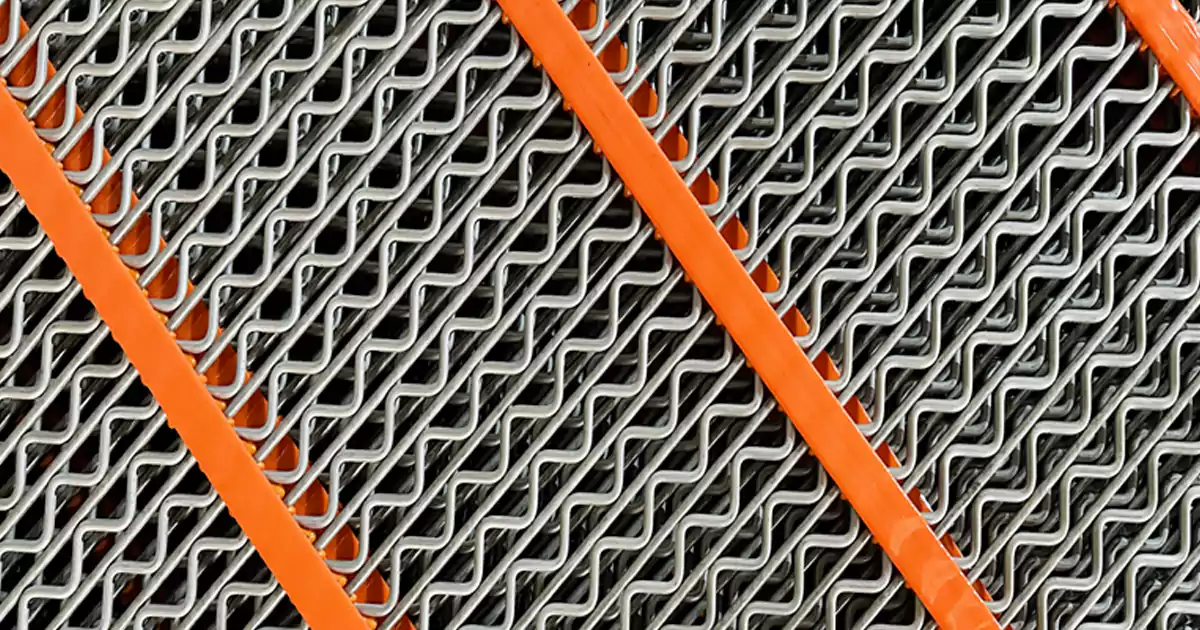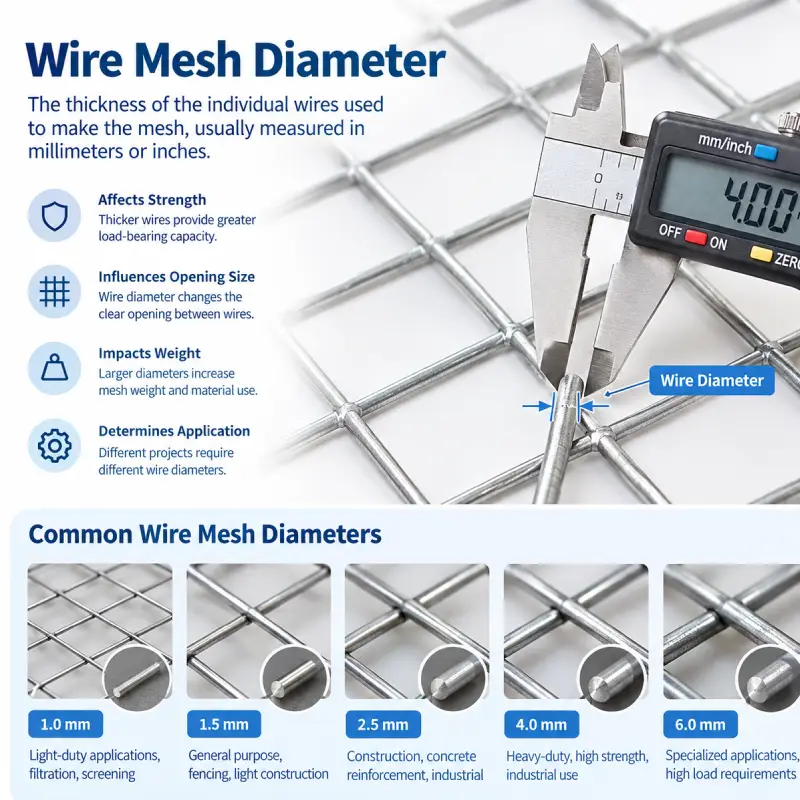
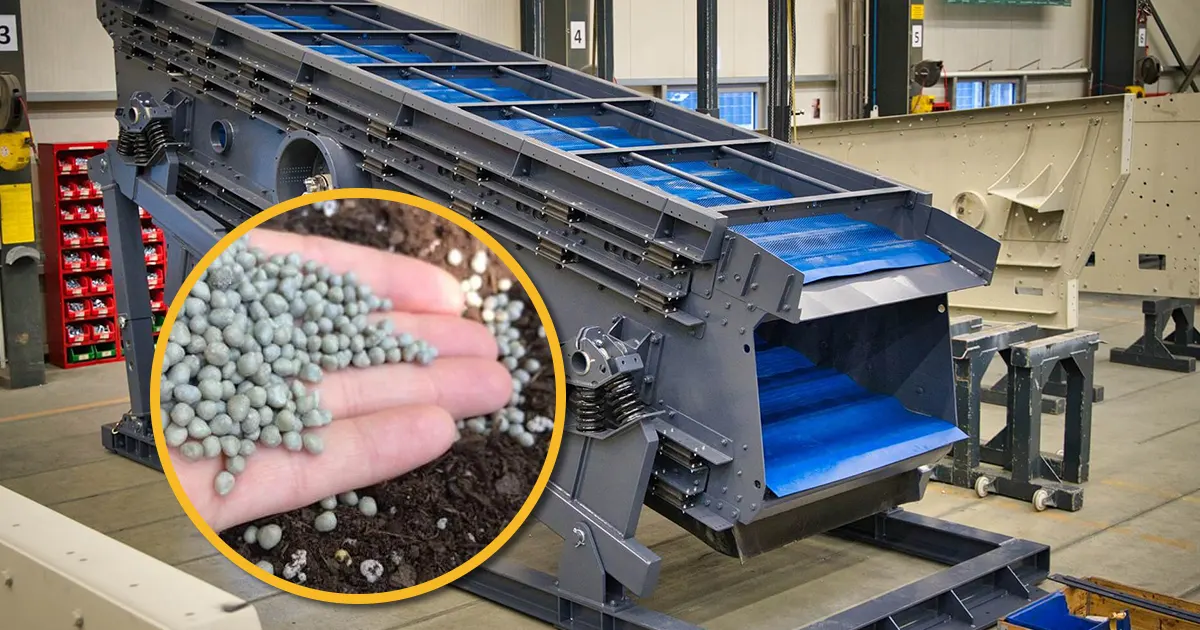
You can stop corrosion and blinding in fertilizer screening by choosing the right screening media and doing regular maintenance. If you use materials like stainless steel or polyurethane, you will have fewer repairs and less downtime. Standard wire mesh breaks down quickly, especially with rough fertilizer. Good separation helps your plant make more money. Many places now want screens that do not blind or corrode, because these problems make running costs go up.
Key Takeaways
- Pick strong screen materials like stainless steel or polyurethane. This helps stop corrosion and makes screens last longer.
- Clean your screens often to stop fertilizer from building up. Buildup can cause rust and blinding.
- Watch humidity and temperature in your screening area. This helps lower problems caused by moisture.
- Use self-cleaning screens or anti-blinding tools. These keep screens clear and help them work better.
- Check your screens every week for signs of damage. Look for rust or cracks to find problems early.
- Change the design and shape of screen holes if needed. This stops plugging and lets material flow smoothly.
- Teach your team to spot early signs of screen problems. They can act fast and help avoid downtime.
- Work with a trusted screen manufacturer for expert help. They give support and maintenance to keep your plant running well.
Corrosion and Blinding in Fertilizer Screening
What Is Corrosion in Fertilizer Screening
Corrosion happens when your screening equipment touches chemicals or water from fertilizer. You might see rust on metal parts. The screen mesh can get weak and break. Fertilizer screening uses rough materials, so corrosion can happen fast. If you use standard wire mesh, corrosion may show up sooner. Stainless steel and other strong materials last longer. But they can still wear out if you skip maintenance. Corrosion is not just ugly. It can make holes, cracks, and weak spots in your screens. You will spend more time fixing things and less time running your plant.
What Is Screen Blinding and Plugging
Screen blinding and plugging are common problems in fertilizer screening. Sometimes, particles block the holes in your screen mesh. This is called screen mesh blinding. Plugging happens when wet or sticky fertilizer sticks to the mesh. Both problems stop particles from going through. Your screening does not work as well. You get less material, and your plant slows down. Sometimes, you must stop everything to clean blinded screens. Trying to force material through can break your screens. Here are some things that cause plugging and blinding:
- Sticky or wet fertilizer blocks the mesh holes.
- Fine particles settle and block the openings.
- The screen mesh gets too full and cannot shake off material.
- You do not use anti-blinding tools like ball decks or vibration.
If you ignore these problems, you will have more downtime and higher costs.
Why These Issues Matter
You want your fertilizer screening to work well. Corrosion, plugging, and blinding make it hard. Corrosion makes your screens weaker. Plugging and blinding slow down your work and make screening worse. You spend more money fixing and replacing screens. You also waste time cleaning instead of making fertilizer. If you do not fix these issues, your equipment will not last as long. You might make less fertilizer and have unhappy customers. Picking the right screen media and doing regular maintenance helps you avoid these problems. You get better separation, higher efficiency, and fewer problems.
Tip: If you see plugging or blinding a lot, try changing your screening equipment or use self-cleaning screens. Small changes can help a lot.
Causes of Corrosion, Plugging, and Blinding
Chemical Exposure and Corrosive Gases
When you screen fertilizer, you work with many chemicals. Some fertilizers let out gases that hurt metal screens. Ammonium nitrate and urea can make the air around your screens harsh. These gases touch metal and cause rust or small holes. If you use regular wire mesh, it gets damaged faster. Stainless steel and coated screens last longer against these gases. You should look for signs like color changes or rough spots. If you do not check, your screens will break and your plant will slow down. You can help by sealing your equipment or making the air move better.
Note: Corrosive gases can build up if there is not enough air flow. Good ventilation keeps your screens safer.
Moisture, Hygroscopic Fertilizers, and Traps
Water is a big reason for corrosion and plugging. Fertilizer can soak up water from the air. Some, like ammonium sulfate, are hygroscopic. They pull in water and turn into sticky lumps. If your screens hold water, you get rust and sticky messes. Water also helps bad gases stick to the metal. You need to look for leaks and wet spots. Clean up any water you find right away. Polyurethane or rubber screens do not rust and work better with wet fertilizer.
Tip: Keep your screening area dry. Use fans or dehumidifiers if your air is humid.
Screen Plugging from Sticky or Fine Materials
Sticky and tiny materials can block your screens. This happens when fertilizer clumps or sticks to the mesh. Some materials get sticky when they take in water. Others are so small that they stick instead of falling through. Powders with fat can melt in heat and get sticky. Very fine powders stick because they have a lot of surface area. You should know which materials cause the most problems. Here is a table to help you spot them:
| Type of Material | Mechanism of Stickiness |
|---|---|
| Hygroscopic materials | Take in water and form liquid bridges that make them stick together. |
| Fat-containing powders | Fat melts and makes things sticky, especially when it is warm. |
| Very fine powders | Stick together because they have a lot of surface area. |
You can stop plugging by using self-cleaning screens or adding vibration. If you see sticky stuff, clean your screens often. Change your screening process to handle these materials. Try using a different mesh size or shape to stop blinding.
Callout: If you screen sticky fertilizer, use anti-blinding tools like ball decks or brush systems. These tools knock off stuck material and keep your screens clear.
Environmental and Operational Factors
You may not know it, but your plant’s environment can change how your screening equipment works. Things like temperature, humidity, and how you use your machines can make corrosion and blinding happen faster. If your screening area is too humid or gets too cold, you can have more problems.
Let’s look at some important environmental factors:
- Temperature swings can make corrosion happen faster. If your process temperature drops below the acid dew point, acid can form on your screens. Acid can damage metal quickly. Try to keep your process temperature above the dew point to keep your equipment safe.
- Humidity is also important. High humidity makes the acid gas dew point higher. When the air is wet, corrosive gases stick to your screens and cause rust. You might not see this right away, but your screens will get weaker and break more often over time.
- Measuring humidity and temperature in a fertilizer plant is hard. Corrosive places can hurt sensors. You need sensors that do not corrode to get good readings.
How you run your equipment matters, too. If you put too much fertilizer on your screens, you can trap more moisture. Wet fertilizer can sit on the mesh and cause plugging. If you do not clean your screens often, sticky stuff can build up and blind the mesh.
Here are some things you can do to help:
- Keep your screening area dry. Use fans or dehumidifiers if you see water in the air.
- Watch your process temperature. Make sure it stays above the acid dew point.
- Use sensors that do not corrode to check humidity and temperature.
- Do not put too much fertilizer on your screens. Run your machines at the right speed and feed rate.
- Clean your screens often. Take off sticky fertilizer before it blinds the mesh.
Tip: If you see rust or sticky spots, check your plant’s temperature and humidity right away. Small changes in your environment can help a lot.
You can control many of these things. If you pay attention to your plant’s environment and how you use your screens, you can stop corrosion and blinding. Your equipment will last longer, and you will spend less time fixing things. That means your plant works better and you get more done.
Corrosion Prevention in Fertilizer Screening
Corrosion-Resistant Screen Media Choices
You want your screens to last a long time. The material you pick matters a lot. Some materials are better at stopping corrosion. Let’s see which ones work best for fertilizer screening.
Stainless Steel, Polyurethane, and Rubber
Stainless steel is strong and does not rust easily. You can use it where things are wet or have lots of chemicals. Polyurethane is tough and bends without breaking. It works well outside and with heavy jobs. Rubber is also a good choice. It fights off chemicals and takes in shocks, so it helps with rough fertilizer.
Here’s a table to compare them:
| Material | Corrosion Resistance | Abrasion Resistance | Lifespan (Typical) | Best Use Case |
|---|---|---|---|---|
| Stainless Steel | Excellent | High | 5–10 years | Wet, chemical, or heavy-duty applications |
| Polyurethane | Good | Excellent | 3–7 years | High-impact, abrasive, or outdoor use |
| Rubber | Good | Good | 2–5 years | Chemical exposure, shock absorption |
You should pick your screen media based on your fertilizer and plant. Stainless steel is best for wet or harsh chemicals. Polyurethane and rubber are good if you need something that bends or takes hits.
Tip: If your screens break a lot, try stainless steel or polyurethane. You will fix things less and screen more.
Eliminating Moisture Traps and Improving Ventilation
Water is a big problem for fertilizer screening. It causes rust and makes sticky fertilizer block your screens. You need to keep your area dry and let air move around.
Here are some things you can do:
- Look for water under or near your screens.
- Use fans to dry wet spots.
- Fix leaks in pipes or machines.
- Put in dehumidifiers if your plant is damp.
- Make sure screens are not in puddles or wet fertilizer.
If you keep things dry, you stop rust before it starts. Good air flow also gets rid of bad gases that hurt your screens.
Callout: Keep your screening area dry and let air move. Small changes can save you money and time.
Protective Coatings and Hot-Dipped Galvanizing
You can protect your screens with coatings or galvanizing. Hot-dip galvanizing is a common way. You dip steel in hot zinc to make a strong layer. This layer keeps out water and stops rust. It works well where there is a lot of water or in factories.
Here is how these ways help:
- Hot-dip galvanizing slows down rust and helps screens last longer.
- The zinc sticks to the steel and makes it strong.
- You get good protection, but after some years, you may need repairs.
| Attribute | Hot-Dip Galvanizing |
|---|---|
| Durability | Exceptional, resistant to abrasion and impact |
| Corrosion Resistance | Outstanding in high-moisture and industrial environments |
| Weaknesses | Can develop ‘white rust’ if stored poorly |
| Lifetime Cost | Often lower due to minimal maintenance |
You can also use other coatings. These cover the metal and keep out water and chemicals. They help your screens last longer and make cleaning easier.
- Hot-dip galvanizing gives strong, long-lasting protection.
- Zinc coating sticks to steel and keeps water out.
- You spend less money fixing or replacing screens.
Note: If you keep galvanized screens in a wet place, you might see white rust. Keep them dry to stop this.
There are many ways to stop corrosion in fertilizer screening. Pick the right screen media, keep things dry, and use coatings. Your equipment will last longer and you will clean and fix less.
Regular Cleaning and Monitoring
You want your screens to stay strong and work well. Cleaning and checking your equipment often helps you stop corrosion before it starts. If you let fertilizer build up, you get rust, weak spots, and more downtime. You can fix this with a simple routine.
Let’s break down what you should do:
- Clean your screens after every shift. Take off fertilizer, dust, and sticky bits. If you leave material on the mesh, it traps moisture and makes corrosion worse.
- Look at your screens every week. Check for rust, cracks, or strange noises. If you spot a problem early, you can fix it fast.
- Before the off-season, clean everything. If you leave fertilizer on your screens, it can eat away at the metal while your plant is quiet.
- Once a year, ask your screen manufacturer to check your equipment. They know what to look for and can spot hidden problems.
Here’s a simple table to help you remember your cleaning and inspection schedule:
| Schedule Type | Description |
|---|---|
| Routine Cleaning | Clean out buildup often to stop corrosion and keep your screens working. |
| Routine Inspections | Check for rust, cracks, and odd sounds every week. |
| Annual Inspections | Get a full check from your equipment manufacturer once a year. |
| Pre-Off-Season Cleaning | Clean screens before shutting down for the season to prevent corrosion and buildup. |
Tip: Keep a logbook for cleaning and inspections. Write down what you find and what you fix. This helps you spot patterns and plan repairs.
You can use simple tools for cleaning. Try brushes, air blowers, or water jets if your screens can handle it. If you see rust, use a wire brush or rust remover. Always dry your screens after cleaning. Wet screens invite corrosion.
Monitoring is just as important as cleaning. If you listen to your screens, you can hear when something is wrong. If you see rust or cracks, act fast. Don’t wait for a big problem.
You can train your team to spot trouble early. Show them what rust looks like. Teach them how to clean screens the right way. If everyone helps, your plant runs smoother.
Callout: Regular cleaning and monitoring save you money. You spend less on repairs and get more work done.
If you stick to your schedule, your screens last longer. You get better results and fewer headaches. Clean, check, and repeat. That’s how you keep corrosion away.
Preventing Screen Plugging and Blinding
Screen Design and Aperture Shape
You can stop plugging and blinding before they start by picking the right screen design. The shape and size of the holes in your screen matter a lot. If you use the wrong shape, fertilizer can get stuck and block the flow. You want to make sure your screen lets material pass through easily.
Minimizing Blank Area
Blank area is the part of your screen that does not have holes. If you have too much blank area, fertilizer sits on the mesh and blocks the openings. You want to keep blank area small so more material can move through. Screens with large open spaces help prevent plugging and blinding.
Let’s look at some features that help:
| Feature | Description |
|---|---|
| Ball trays | Balls bounce under the screen and knock off stuck material. |
| Heated screen decks | Heat burns off moisture and lets fine material flow down the screen. |
| Wedge wire design | Large open areas let more fertilizer pass and reduce plugging and blinding. |
| Shape of screen holes | Changing hole shape (like square to octagonal) helps stop plugging of certain particles. |
You can change the shape of holes in your screen. If you see plugging with square holes, try octagonal holes. This small change can make a big difference.
Tip: If you notice fertilizer sticking in certain spots, check your screen’s hole shape and blank area. Adjusting these can help you prevent plugging and blinding.
Self-Cleaning and Anti-Blinding Screens
Self-cleaning screens are a smart choice for preventing screen blinding. These screens use special designs or built-in cleaning tools to keep holes clear. Anti-blinding screens knock off stuck material so you do not have to stop your machine.
Here are some ways screens clean themselves:
- Ball trays bounce balls against the mesh to knock off fertilizer.
- Heated decks dry out sticky material so it falls through.
- Wedge wire screens have big open spaces that let material pass easily.
- Changing hole shapes helps stop plugging.
You can use these features to keep your screens clear and your plant running smoothly.
Callout: Self-cleaning screens save you time. You spend less time cleaning and more time screening.
Physical Energy: Vibration and Agitation
You can use physical energy to prevent plugging and blinding. Vibration and agitation shake the screen and help move fertilizer through the holes. If you add vibration, stuck material falls off and does not block the mesh.
Here’s a table showing how different screening methods help:
| Screening Method | Impact on Screen Blinding |
|---|---|
| Ultrasonic Vibrating Screens | Breaks up clumps and stops clogging |
| Trommel Screens | Self-cleaning action keeps screens clear |
| Vibrating Screens | Boosts efficiency and reduces contamination |
If you use vibrating screens, you get better separation and less plugging. Ultrasonic screens use high-frequency waves to break up sticky material. Trommel screens roll and tumble fertilizer, which helps clean the mesh.
Note: If you see screen blinding often, try increasing vibration or using ultrasonic screens. This can help you prevent plugging and blinding.
On-Screen Cleaning Devices
Screen cleaning devices are tools that help keep your screens clear. You can add these devices to your screening equipment to knock off stuck fertilizer and stop plugging.
Here are some common screen cleaning devices:
- De-blinding balls bounce and knock off blocked material.
- Nylon sliders sweep particles out of mesh openings.
- Ball tray systems use rubber or PTFE balls to dislodge fertilizer.
- Ultrasonic deblinding systems use high-frequency vibrations to keep screens clear.
You can pick the device that fits your plant and fertilizer type. If you use de-blinding balls or sliders, you do not have to stop your machine to clean the screen. Ultrasonic systems work well for fine powders.
Tip: Adding screen cleaning devices to your equipment helps you prevent plugging and blinding. You get more work done and less downtime.
You can stop plugging and blinding by using the right screen design, adding vibration, and installing cleaning devices. If you pay attention to these details, your screening process works better and your plant stays efficient.
Moisture Control and Material Conditioning
Moisture is very important in fertilizer screening. If fertilizer gets too wet, plugging and blinding happen more. Wet fertilizer sticks together and blocks the screen holes. Dry fertilizer moves better and keeps screens clear. You can control moisture to make screening easier.
You might ask if moisture really matters. Let’s look at some numbers. Different organic fertilizers hold different amounts of water. Here is a table that shows how much water each type has:
| Organic Fertilizer | Soil Moisture Content (%) |
|---|---|
| BS | 5.573 |
| AM | 4.784 |
| SF | 4.723 |
| NFM | 3.336 |
If your fertilizer has more water, you need to watch your screening process. Wet fertilizer sticks to the mesh and causes plugging. Dry fertilizer goes through the screen faster and stops blinding.
You can do things to control moisture and help your material:
- Store fertilizer in a dry place. Keep bags and piles away from water and damp air.
- Use fans or dehumidifiers in your screening area. This dries the air and keeps fertilizer from getting sticky.
- If you see wet spots, clean them up right away. Wet fertilizer can cause plugging and blinding.
- Condition your material before screening. Break up clumps, spread out wet fertilizer, or mix in dry material to balance moisture.
- Test moisture levels often. If fertilizer is too wet, change your process or use screen cleaning tools to keep screens clear.
Tip: If you screen fertilizer with high moisture, try self-cleaning screens or anti-blinding tools. These knock off sticky material and keep your process running.
You can make screening easier by controlling moisture and conditioning fertilizer. Dry material moves better, stops plugging, and helps screens last longer. If you watch moisture, you will clean less and screen more.
Choosing Screen Media for Fertilizer Screening
Woven Wire, Polyurethane, and Rubber Options
You have a few choices for screen media in fertilizer screening. Woven wire screens are the most common type. They work with many materials and do not cost much. Polyurethane screens last longer and can handle tough jobs. Rubber screens take in shocks and fight off chemicals, but they do not last as long.
Here is a table to show how these screens compare:
| Screen Type | Lifespan (Months) | Comparison to Woven Wire Screens |
|---|---|---|
| Polyurethane Screens | 6-12 | Longer than woven wire screens |
| Rubber Screens | 1-3 | Shorter than woven wire screens |
| Woven Wire Screens | N/A | Baseline for comparison |
Woven wire screens are gentle on soft materials. Polyurethane screens last longer and need fewer changes. Rubber screens are good for heavy fertilizer but wear out faster.
- Woven wire screens are cheap and work for many jobs.
- Polyurethane screens last longer and work well when things are wet.
- Rubber screens take in shocks but do not last as long.
Tip: If you want your screens to last longer, try polyurethane screens.
Matching Media to Fertilizer Type
You need to pick the right screen for your fertilizer. If your fertilizer is sticky or wet, use polyurethane screens. They do not blind easily and work well with water. For dry and fine fertilizer, woven wire screens work best. They let more material through and are gentle. Rubber screens are good for heavy and rough fertilizer. They protect your equipment and take in hits.
Ask yourself these questions:
- Is your fertilizer sticky or dry?
- Do you need gentle screens or tough ones?
- How often do you want to change your screens?
If you answer these, you can pick the best screen for your plant. You will have fewer problems and better results.
Callout: Picking the right screen for your fertilizer stops blinding and keeps your screening working well.
Durability, Cost, and Efficiency Balance
You want screens that last, work well, and do not cost too much. It is important to balance how long screens last, how much they cost, and how well they work. Woven wire screens last a fair amount of time and are cheap. They are good for most jobs. Polyurethane screens last longer and cost a bit more. They are best for wet jobs and need fewer changes. Rubber screens last the longest but cost the most. They are good for heavy and rough fertilizer.
Here is a table to help you compare:
| Screen Media Type | Durability | Cost | Efficiency | Notes |
|---|---|---|---|---|
| Woven Wire | Moderate | Low | High | Good for general use |
| Polyurethane | High | Moderate | Moderate | Best for wet/wash screens; longer wear life |
| Rubber | Very High | High | Low | Suitable for heavy, abrasive materials |
| Hybrid | High | Moderate | High | Combines benefits; reduces blinding and pegging |
You can also use hybrid screens. These mix wire and rubber to stop blinding and pegging. They work well and last a long time.
Note: If you want to save money and keep your plant running, pick screens that balance how long they last, how much they cost, and how well they work.
When to Upgrade or Replace
You might wonder how to tell if your screen media needs an upgrade or replacement. Screens do not last forever. If you keep using worn-out screens, you will see more downtime and lower efficiency. Let’s look at some signs and tips to help you decide.
Signs You Need to Upgrade or Replace:
- You see rust, cracks, or holes in your screens.
- Fertilizer sticks to the mesh more often.
- You clean your screens all the time, but blinding keeps coming back.
- Your screens break or tear during normal use.
- You notice lower throughput or poor separation.
- You spend more money on repairs than before.
If you spot these signs, your screens are not doing their job. Upgrading or replacing them can save you money and time.
Tip: If you see rust or cracks, do not wait. Replace your screens before they cause bigger problems.
When Should You Upgrade Instead of Just Replace?
Sometimes, you can swap out old screens for the same type. Other times, you need to upgrade to a better material or design. Here’s a quick guide:
| Situation | Action to Take | Why? |
|---|---|---|
| Frequent blinding or plugging | Upgrade to self-cleaning | Stops downtime and improves flow |
| High corrosion or rust | Upgrade to stainless steel or polyurethane | Lasts longer and resists chemicals |
| Heavy impact or abrasion | Upgrade to rubber or hybrid | Handles tough fertilizer and shocks |
| Changing fertilizer types | Upgrade to matched media | Fits new material and boosts efficiency |
If your plant changes the fertilizer type or you see new problems, upgrading makes sense. You get better performance and fewer headaches.
How Often Should You Replace Screens?
You do not need to replace screens every month. Most screens last from a few months to several years, depending on the material and how you use them. Here’s a simple table:
| Screen Type | Typical Replacement Interval |
|---|---|
| Woven Wire | 6–12 months |
| Polyurethane | 12–24 months |
| Rubber | 18–36 months |
Check your screens often. If you see damage, replace them sooner. If you use your screens a lot, they wear out faster.
Callout: Keep a log of screen changes and repairs. This helps you spot patterns and plan upgrades before trouble starts.
Upgrade for Better Results
Upgrading your screen media is not just about fixing problems. You can boost your plant’s efficiency, lower downtime, and save money in the long run. If you use the right screens, you spend less time cleaning and more time screening.
You do not have to wait for a big failure. If you see signs of wear or your plant changes, look for better screen options. Ask your screen media supplier for advice. They can help you pick the best upgrade for your needs.
Maintenance and Downtime Reduction
Scheduled Inspections and Cleaning
You can keep your screening equipment working well if you follow a regular cleaning and inspection plan. When you check your screens often, you find problems early. This means you fix things before they get worse. You save time and money because you do not have sudden breakdowns. Here is how regular checks and cleaning help you:
- You stop problems before they shut down your plant.
- You spend less on repairs because planned fixes are cheaper.
- Your equipment works better and faster.
Look at this table to see the good things about regular maintenance:
| Benefit | Description |
|---|---|
| Reduced risk of sudden failure | Checking your equipment often helps you avoid surprise breakdowns. |
| Lower long-term repair costs | Fixing small problems early costs less than big repairs later. |
| Consistent operational efficiency | Cleaning and checking keeps your machines working their best. |
| Longer equipment lifespan | Taking care of your equipment helps it last longer and saves money. |
If you clean your screens a lot, you stop rust and damage from dirt. Clean screens make it easy to see problems, so you can fix them fast. You also make cleaning easier because there is less buildup to remove.
Tip: Use a checklist for cleaning and inspections. Mark each job when you finish so you do not forget anything.
Operator Training for Early Detection
You can teach your team to find problems early. If your workers know what to look for, they spot plugging and other trouble before it gets bad. Show your team how to listen for strange sounds or look for stuck material. Teach them how to use cleaning tools and what to do if they see something wrong.
When your team knows what to do, they fix problems faster. You spend less time fixing big issues and more time making fertilizer. Training helps everyone see why cleaning is important. If your team works together, your equipment stays in good shape.
Alert: A trained team helps stop downtime. Spend time on training and you will see better results.
Modular and Easy-Replace Panels
You can save time on repairs by using modular and easy-to-change panels. Modular screens let you swap out broken parts without stopping everything. If you need to change a panel, you do it fast and get back to work. This keeps your plant running and stops long shutdowns.
Modular screens make it easy to change your setup. If you use a new fertilizer or see more plugging, you can switch panels to fit your needs. You do not wait long for repairs or new parts.
- Modular panels make changing screens quick.
- Your screening process stays smooth.
- You can handle new problems or materials easily.
Note: Modular screens help you save time and money. If you want less downtime, think about using easy-to-change panels.
Manufacturer Support and Services
You do not have to solve fertilizer screening problems by yourself. Good manufacturer support makes your work easier. When you pick a trusted screen media manufacturer, you get more than just parts. You also get expert help, quick answers, and tools to keep your plant working.
Many manufacturers give services that help you find problems early. For example, some companies test your fertilizer. These tests tell you what chemicals are in your fertilizer. You can find out if anything in your product could hurt your screens or cause corrosion. This testing helps you follow safety rules and keeps your plant safe. You also avoid fines and trouble with the law.
Some manufacturers do even more. They have maintenance software made for tough places like fertilizer plants. This software lets you check your equipment anytime. You can see if your screens need cleaning or if something might break soon. The software also reminds you to do safety checks. You do not have to guess when to fix things. You get alerts and clear steps to keep everything safe.
Here are some ways manufacturer support can help you:
- Expert advice: You can call or email for help with picking screens, putting them in, or fixing problems.
- On-site visits: Some companies send experts to your plant. They look at your equipment and show you how to fix things.
- Training: Manufacturers often teach your team. They show you how to spot early signs of corrosion or blinding.
- Custom solutions: If you have a special problem, manufacturers can make screens or cleaning tools just for you.
- Maintenance tools: With special software, you can check equipment health and plan repairs before things break.
Tip: Ask your manufacturer if they have testing or maintenance software. These tools can save you time and money.
You can also get help with spare parts. Many manufacturers keep common screen panels ready to ship. If you need a new part, you get it fast. This means your plant does not stop for long.
Here’s a quick table to show what you might get from a good manufacturer:
| Service Type | What You Get |
|---|---|
| Fertilizer Testing | Chemical analysis, safety checks, compliance |
| Maintenance Software | Equipment health tracking, safety reminders |
| On-Site Support | Expert visits, troubleshooting, training |
| Spare Parts Supply | Fast delivery, less downtime |
When you use these services, you do not just fix problems—you stop them before they start. You keep your plant safe, your screens working, and your costs low. Manufacturer support is not just for emergencies. It is a smart way to keep your fertilizer screening working well.
Screening Technologies Comparison
Vibrating Screens for Fertilizer
Vibrating screens are used in many fertilizer plants. These screens shake quickly to separate particles. If your fertilizer is dry, vibrating screens work fast. They give you steady results. The screens do not take up much space. You get quick screening and less downtime.
But there are some problems with moist or sticky fertilizer. Wet material can clog vibrating screens. If you use fibrous or clumped organic matter, vibration may not break it apart. Sometimes, vibration wears down nearby machines. You need to check for extra maintenance.
Here’s a table comparing vibrating screens to other types:
| Screen Type | Advantages | Limitations |
|---|---|---|
| Vibrating Screens | Good for dry, free-flowing materials | Can clog with moist or sticky fertilizer |
| Small design saves space | Vibration may wear out nearby equipment | |
| Fast screening and steady output | Not great for fibrous or clumped material |
Tip: If you mostly screen dry fertilizer, vibrating screens are fast and efficient.
Trommel and Flip-Flow Screens
Trommel screens use a spinning drum to move fertilizer. You can screen large amounts and handle wet, sticky fertilizer. The drum keeps turning and helps stop clogging. Trommel screens do not blind easily. You need more space for these screens. They cost more at first. You must do regular maintenance, especially for moving parts.
Flip-flow screens use flexible mesh that moves like a wave. These screens work very well with wet and sticky fertilizer. Flip-flow screens do not clog or blind easily. They separate fine particles with high efficiency. These screens cost more and need skilled workers. If your screening job is simple or dry, flip-flow screens may be too much.
Here’s a table to compare:
| Screen Type | Advantages | Limitations |
|---|---|---|
| Trommel Screens | Screens large amounts quickly | Needs more space |
| Great for wet, sticky fertilizer | Costs more and uses more energy | |
| Resists clogging | Needs regular maintenance | |
| Flip-Flow Screens | Works well with wet, sticky fertilizer | Costs more and is more complex |
| Does not clog or blind easily | Needs skilled workers and maintenance | |
| Separates fine particles well | May be too much for dry or easy jobs |
Note: Trommel and flip-flow screens are best for sticky or wet fertilizer.
High-Frequency and Specialty Screens
High-frequency screens are good for separating tiny particles. These screens shake faster to help stop plugging and blinding. If you need to screen fertilizer into small sizes, high-frequency screens work well. Specialty screens include ultrasonic-assisted screens, pneumatic pulse systems, and self-cleaning mesh designs.
Ultrasonic-assisted screens use sound waves to keep mesh clear. Pneumatic pulse systems blow bursts of air to knock off stuck particles. Self-cleaning mesh designs use special holes to stop clogging and help particles fall off.
Here’s a table showing specialty options:
| Technology Type | Functionality |
|---|---|
| Ultrasonic-Assisted Screens | Stop mesh clogging, good for tiny particle separation |
| Pneumatic Pulse Systems | Blow air to knock off stuck particles from the mesh |
| Self-Cleaning Mesh Designs | Use special holes to stop clogging and help particles fall off |
Callout: Specialty screens help you fix tough plugging and blinding problems. If you screen fine or sticky fertilizer, these screens make your job easier.
Pros and Cons for Plugging and Blinding
When you choose a screening technology for fertilizer, you want to know what works best for plugging and blinding. Every screen type has good points and weak spots. You need to match the right screen to your fertilizer and your plant’s needs.
Let’s look at some common screening technologies and see how they stack up:
| Screening Technology | Advantages | Limitations |
|---|---|---|
| Adjustable Amplitude & Frequency | You can change settings for each material | You need to know your material well |
| High-carbon Steel Screens | Strong and rigid | Can rust over time |
| Rubber Screens | Great for wet fertilizer | Wear out faster with dry material |
| Polyurethane Screens | Last longer, less noise | Cost more at first |
| Water Spray System | Washes screens, stops blinding | Needs water and good pressure |
| Vibrating Screens | Separate material fast and well | Can be loud |
| Rotary Screens | Clean themselves as they spin | Not for every fertilizer type |
| Linear Screens | Easy to care for, good control | Only fit some jobs |
| Elliptical Screens | Very good at separating | More parts, harder to fix |
| Disc Filters | Run all the time, dry out material | Need more care and cleaning |
You might wonder which one is best for you. Here’s how you can decide:
- Adjustable amplitude and frequency screens let you tweak the settings. If your fertilizer changes a lot, you can adjust the screen to match. You need to know your material well to get the best results.
- High-carbon steel screens are tough. They handle heavy loads but can rust if you do not keep them dry.
- Rubber screens shine with wet fertilizer. They stop blinding but wear out faster if you use them with dry material.
- Polyurethane screens last a long time and run quietly. They cost more at first, but you save money because you do not replace them as often.
- Water spray systems help keep screens clean. They work well if you have sticky fertilizer. You need a steady water supply and good pressure.
- Vibrating screens move material quickly. They help stop plugging but can be noisy.
- Rotary screens clean themselves as they spin. They do not work for every fertilizer, so check if your material fits.
- Linear screens are simple and need little care. They only work for certain jobs.
- Elliptical screens separate fertilizer very well. They have more moving parts, so you may need more repairs.
- Disc filters run all the time and help dry out fertilizer. You need to clean them often.
Tip: If you deal with sticky or wet fertilizer, try rubber or polyurethane screens with a water spray system. For dry fertilizer, high-carbon steel or vibrating screens work well.
You do not have to pick just one. Sometimes, you can mix technologies to get the best results. For example, you might use a vibrating screen with a water spray. Or you could use polyurethane panels on a rotary screen. Think about your fertilizer, your plant, and how much downtime you can handle.
Plugging and blinding slow you down and cost money. When you know the pros and cons, you can pick the right screen and keep your plant running smoothly. If you are not sure, ask your screen supplier for advice. They can help you find the best fit for your needs.
Conclusion
You can keep your fertilizer screening running smoothly if you focus on the right steps. Pick strong screen media, watch for plugging and blinding, and stick to regular cleaning. Partnering with a screen media manufacturer gives you expert help and less downtime. Want better screening results? Reach out for a custom solution that fits your plant.
Tip: Small changes in cleaning and screen choice can make a big difference.
FAQ
What causes corrosion in fertilizer screens?
Corrosion happens when fertilizer chemicals or moisture touch your screens. You see rust, weak spots, or holes. Using stainless steel or coated screens helps stop this problem.
How can you prevent screen blinding?
You can use self-cleaning screens, add vibration, or install cleaning devices like ball trays. Keeping your fertilizer dry also helps keep screens clear.
Which screen media lasts the longest?
Stainless steel and polyurethane screens last longer than woven wire or rubber. You get more screening time and fewer replacements.
How often should you clean your screens?
You should clean your screens after every shift. If you see buildup or sticky spots, clean them right away. Regular cleaning keeps your screens strong.
What signs show you need to replace your screens?
Look for rust, cracks, holes, or frequent plugging. If you notice lower throughput or more downtime, it’s time to replace your screens.
Can you use water to clean fertilizer screens?
Yes, you can use water spray systems for cleaning. Make sure your screens can handle water. Dry them after cleaning to prevent corrosion.
Do screen manufacturers offer support?
Most screen manufacturers offer expert advice, training, and fast spare parts. You can ask for help with picking screens or fixing problems.
What’s the best screen for sticky fertilizer?
Polyurethane or self-cleaning screens work best for sticky fertilizer. They resist blinding and handle moisture better than woven wire.