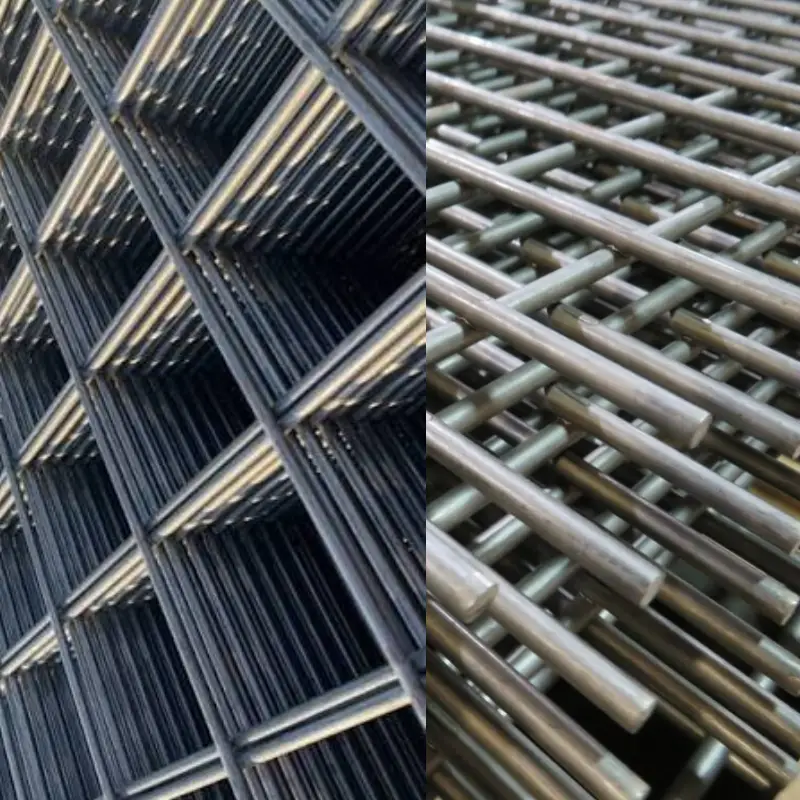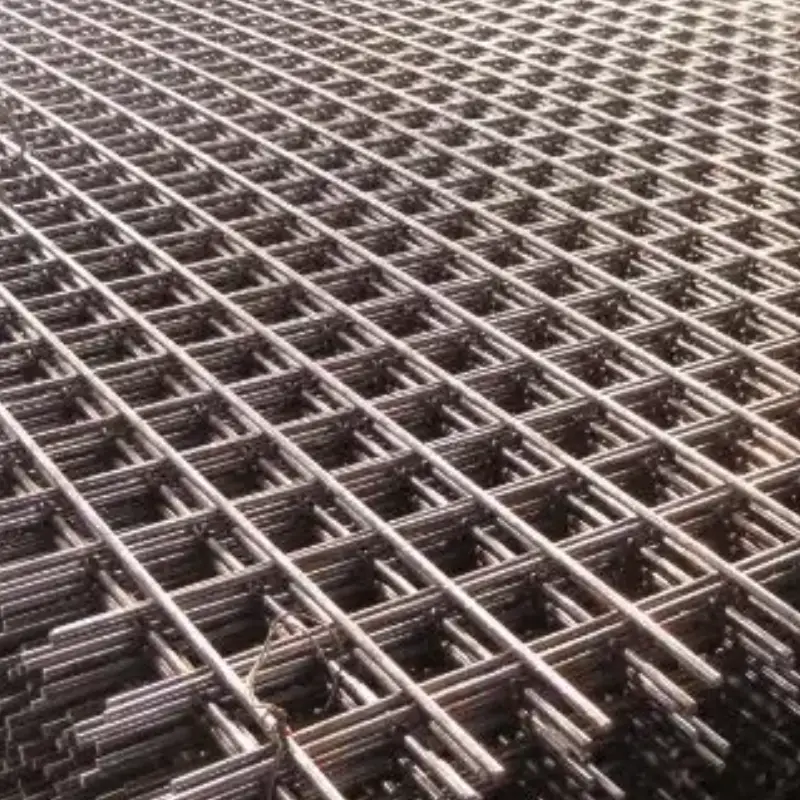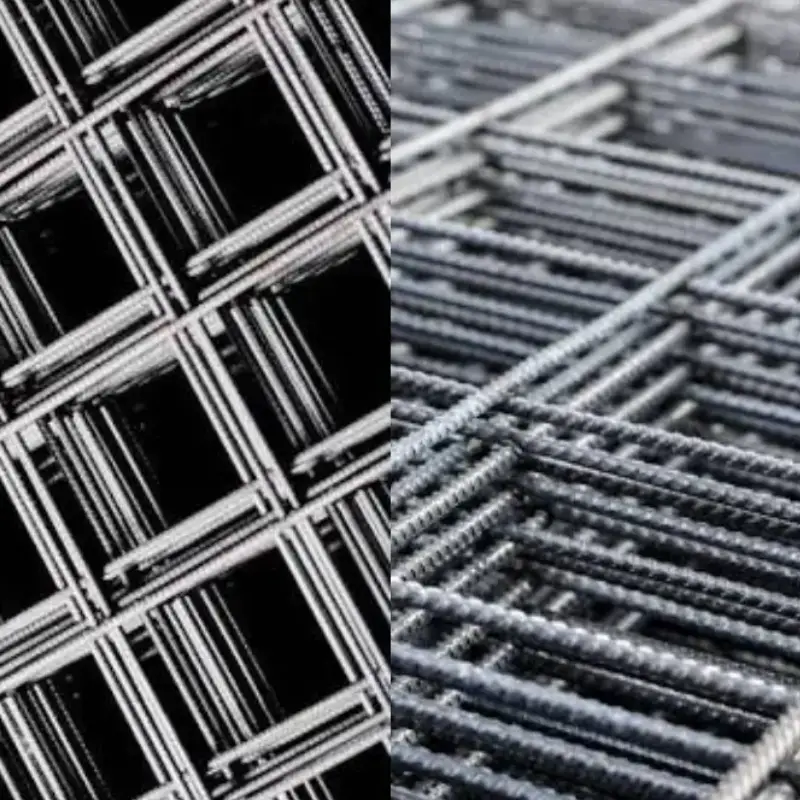
Choosing the right screen media can make a big difference in dolomite screening. When the media matches your material and working conditions, you get cleaner sizing, more stable throughput, and less unplanned maintenance. Dolomite can be abrasive, and in some plants it can also create blinding, uneven wear, or premature failures if the wrong screen media is used. That is why media selection is not just a detail. It directly affects screening performance, maintenance cost, and overall plant efficiency.
Key Takeaways
- Picking the right screen media helps improve dolomite screening efficiency and product quality.
- The right media can reduce maintenance stops and lower replacement costs.
- Material hardness, moisture, stickiness, and particle size all affect media selection.
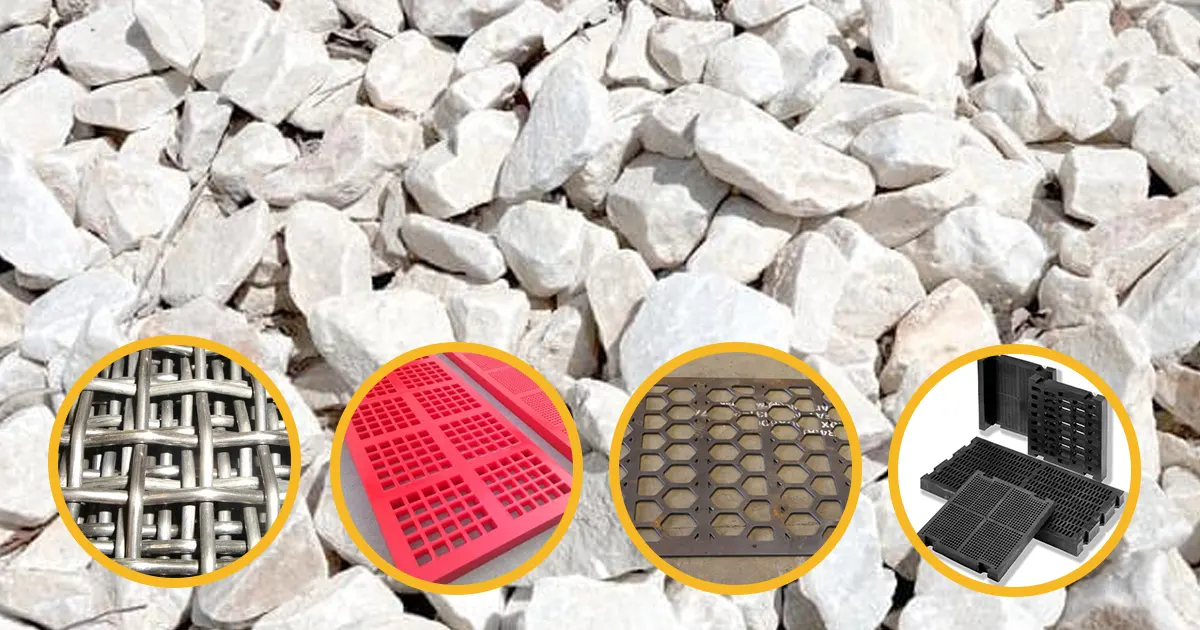
- Woven wire, polyurethane, rubber, perforated plate, and hybrid media each fit different dolomite jobs.
- Wear resistance, open area, and clogging resistance should be balanced based on your plant’s priorities.
- Regular inspection and small-scale testing help you avoid costly media mistakes.
- Operator training also matters, because good handling and timely checks can extend screen life.
- Working with an experienced screen media manufacturer can help you choose a better long-term solution.
Why Screen Media Matters in Dolomite Screening
Impact on Efficiency and Quality
Screen media has a direct impact on how well your dolomite screening process performs. If the opening shape, wire diameter, panel design, or material type does not fit the job, the screen may wear too fast, blind easily, or miss the target size range. That affects both throughput and final product quality.
With the right screen media, the material moves more smoothly across the deck, undersize passes efficiently, and oversize stays where it should. This helps you keep product sizing more consistent and reduces the amount of rework in the plant.
Maintenance and Cost Implications
Dolomite can be tough on screen media, especially in high-throughput or abrasive applications. If the media wears too quickly, you stop more often for replacement, lose production time, and increase labor cost.
Good media selection helps reduce those problems. Longer wear life, easier maintenance, and better resistance to plugging all contribute to lower operating cost over time. In many cases, the cheapest media upfront is not the lowest-cost option in actual production.
Dolomite Screening Challenges
Material Abrasiveness and Hardness
Dolomite is commonly handled in quarry, mining, and aggregate applications where abrasion is a real concern. That means the screen media must be able to resist wear without losing sizing accuracy too quickly.
If the media is too light for the application, you may see broken wires, enlarged openings, or uneven wear across the deck. In harder-working areas, stronger media or more wear-resistant panel systems are often the better choice.
Moisture and Stickiness Issues
Not all dolomite is screened under dry conditions. When moisture increases, fines can start to stick together and build up on the screen surface. This reduces open area, causes blinding, and lowers throughput.
In these conditions, anti-clogging designs, flexible media, or synthetic panels can help improve performance. The key is to choose media that can keep apertures working instead of allowing sticky material to pack and stay in place.
Particle Size Variability
Dolomite feed can vary from one plant to another and even from one batch to the next. Mixed feed size makes screen selection more important, because one deck may need to remove coarse material while another has to make a finer cut.
If the media is too coarse, accuracy drops. If it is too fine for the feed and operating condition, wear and plugging may increase. Matching screen media to the actual feed distribution is one of the most important steps in getting stable screening results.
Capacity and Throughput Demands
Many dolomite operations need to process large volumes without sacrificing cut accuracy. In that case, screen media must do more than simply survive wear. It also needs to support the required throughput.
Higher open area can help improve capacity, but wear life also matters. Plants that push for throughput only may end up with more frequent changeouts. The best choice usually comes from balancing capacity, wear life, and maintenance frequency rather than focusing on only one factor.
Types of Screen Media for Dolomite
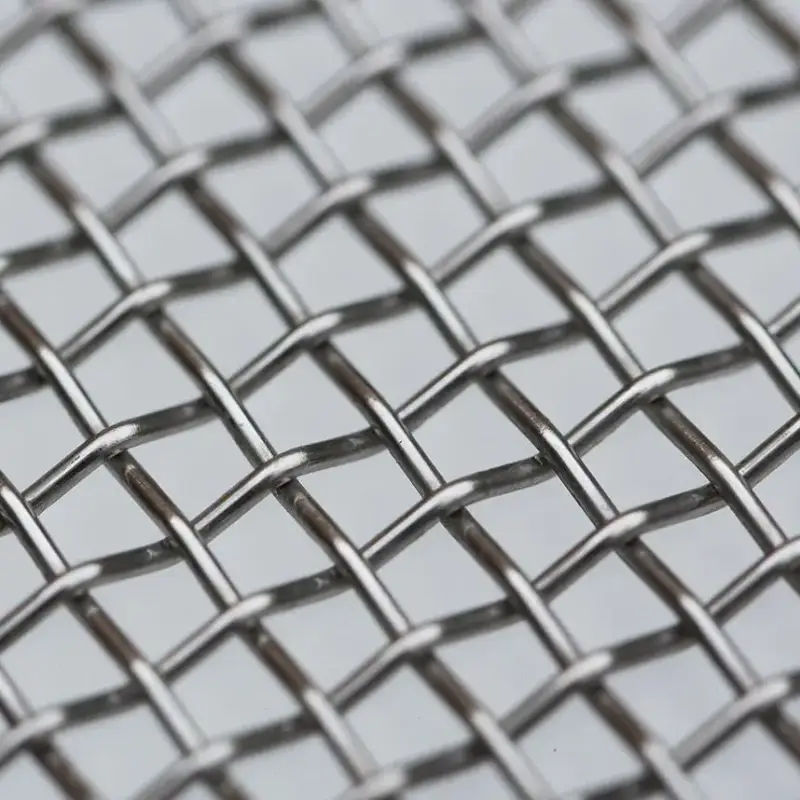
Woven Wire Mesh
Woven wire mesh is still one of the most common options for dolomite screening, especially where high open area and accurate sizing are important.
Pros and Cons
Pros
- High open area for good throughput
- Accurate sizing in many dry applications
- Available in many aperture sizes and wire diameters
- Easy to replace in tensioned screen setups
Cons
- Can wear faster in abrasive conditions
- More likely to blind when material is wet or sticky
- May need more frequent replacement in high-impact areas
Best Applications
Woven wire mesh is a strong choice for dry dolomite, general sizing, and applications where throughput and accuracy matter more than maximum wear life.
Polyurethane and Rubber Media
Polyurethane and rubber media are often used where wear life, impact resistance, or anti-blinding performance matters more than maximum open area.
Pros and Cons
Pros
- Better wear resistance in abrasive conditions
- Good performance in wet or sticky applications
- Lower noise than wire media
- Suitable for modular replacement in many plants
Cons
- Lower open area than woven wire in many designs
- Higher initial cost
- May not be the best fit where the finest cut and highest open area are the priority
Best Applications
Polyurethane works well in abrasive or wet dolomite screening, while rubber is often preferred for heavy-impact, coarse screening zones. Both are useful where maintenance frequency needs to be reduced.
Perforated and Plate Media
Perforated plate is designed for strength. It is commonly used where the feed is coarse, heavy, or highly abrasive.
Pros and Cons
Pros
- Very strong in tough working conditions
- Good impact resistance
- Reliable on top decks and coarse scalping applications
Cons
- Lower open area than woven wire
- Heavier to handle
- Less suitable for finer, high-capacity sizing work
Best Applications
Perforated plate is best for top-deck protection, coarse scalping, and heavy-duty sections where durability matters more than fine separation.
Hybrid Media Options
Hybrid media combines different materials to balance wear resistance, flexibility, and throughput. It is often used where a plant needs better life than wire but more open performance than full synthetic panels.
Pros and Cons
Pros
- Better wear life than standard wire in many tough conditions
- Improved resistance to blinding in some applications
- Useful balance between durability and screening efficiency
Cons
- More expensive than basic wire mesh
- Selection needs to match the actual deck and duty carefully
- Availability may depend on the supplier and system type
Best Applications
Hybrid media works well in dolomite applications where the material is abrasive, the moisture level changes, or a plant needs a middle-ground solution between woven wire and full polyurethane systems.
Dolomite Powder Vibrating Screen Selection
Key Factors in Selecting a Dolomite Powder Vibrating Screen
When screening finer dolomite, media choice becomes even more sensitive. Aperture accuracy, blinding resistance, tension stability, and maintenance access all matter more as the cut size gets smaller.
Key factors include:
- target product size
- feed consistency
- moisture level
- required throughput
- maintenance access
- dust control needs
- compatibility with the existing screen deck
For fine screening, small details in media design can make a visible difference in performance.
Matching Screen Media to Application
Different dolomite jobs need different media.
- For dry and relatively free-flowing material, woven wire may be the best fit.
- For wet or sticky material, polyurethane or rubber panels can reduce blinding.
- For high-wear or unstable feed conditions, hybrid or more durable media may be the better long-term choice.
The best results usually come from matching the media not only to the material, but also to the plant’s real operating conditions.
Evaluating Current Screening Needs
Before changing screen media, it helps to review how the current setup is performing.
Ask questions such as:
- Is throughput stable?
- Are we seeing too much wear on one area of the deck?
- Is blinding reducing open area?
- Are we missing target size?
- Are media changes happening too often?
This kind of review helps you identify whether the real issue is material condition, aperture choice, deck position, or media type.
Screen Media Comparison Table
Pros, Cons, and Suitability Overview
| Screen Media Type | Main Advantages | Main Limitations | Best Use Cases |
|---|---|---|---|
| Woven Wire Mesh | High open area, accurate sizing, easy replacement | Shorter wear life in abrasive duty, more prone to blinding | Dry dolomite, general sizing, higher-throughput work |
| Polyurethane Panels | Strong wear resistance, good for wet material, modular replacement | Lower open area, higher initial cost | Wet or abrasive dolomite, reduced-maintenance operations |
| Rubber Panels | Good impact absorption, flexible, quieter operation | Slower screening in some applications | Coarse feed, heavy-impact zones |
| Perforated Plate | Very durable, strong under heavy load | Heavy, lower open area | Top deck, coarse scalping, high-impact areas |
| Hybrid Media | Balance of strength and flexibility, improved wear performance | Higher cost than standard wire | Mixed conditions, sticky abrasive feed, upgrade projects |
This comparison gives a starting point, but actual selection should still be based on feed size, moisture, desired cut, and deck duty.
Criteria for Choosing Screen Media
Particle Size and Accuracy
The required product size should always guide media selection. Fine cuts need more precise openings, while coarse screening may prioritize wear life and impact resistance.
If your plant supplies different downstream markets, sizing accuracy becomes even more important. The screen media must deliver the cut your process requires without sacrificing too much capacity or wear life.
Capacity and Throughput
Some plants need maximum tonnage. Others care more about cut efficiency or screen life. That is why capacity should not be judged by open area alone.
Higher open area may help throughput, but if the media wears too quickly or blinds easily, real production can still suffer. Good selection balances throughput with stability.
Operating Conditions
Operating conditions often decide whether a screen media works well or fails early.
Consider:
- wet vs dry screening
- sticky fines
- abrasive feed
- impact at the feed end
- corrosion or washdown exposure
- ease of changeout
A media type that works well in a dry quarry may not be the right choice in a wetter or more demanding plant environment.
Wear Resistance and Maintenance
Wear life matters, but so does how easily the media can be maintained. In many plants, modular systems help reduce downtime because operators can replace only the worn sections instead of changing a full deck.
When evaluating screen media, it is worth looking at both service life and maintenance convenience. The right choice can reduce shutdown time and improve total operating efficiency.
Practical Steps for Media Selection
Assess Screening Goals
Start with clear goals. Are you trying to increase throughput, improve product sizing, reduce blinding, extend wear life, or lower maintenance cost? A clear objective makes media selection much easier.
Analyze Material Properties
Look closely at the dolomite being screened. Check hardness, feed size distribution, moisture content, and whether the material tends to blind or pack into openings. These factors have a direct effect on media performance.
Compare Media Options
Once you understand the material and your plant goals, compare the available media types. Focus on the factors that matter most for your application:
- wear life
- open area
- anti-blinding performance
- impact resistance
- ease of installation
- replacement cost over time
Consult Experts and Test Performance
Small-scale trials are often the safest way to confirm a decision. Testing media on an actual deck or under real feed conditions can show differences that are not obvious on paper.
It also helps to work with a supplier or manufacturer that understands screen media design, wear patterns, and installation conditions. That usually leads to better recommendations and fewer costly mistakes.
Best Practices for Dolomite Screening
Regular Inspection and Maintenance
Regular checks help you catch wear before it turns into product loss or a breakdown. Look for broken wires, enlarged openings, loose panels, blocked apertures, and uneven wear at the feed end.
A simple inspection routine can prevent major downtime and keep cut accuracy more stable.
Monitoring and Upgrading Media
Do not wait until a screen completely fails. If you notice frequent plugging, fast wear, lower throughput, or more off-spec material, it may be time to change the media type rather than just replace the same one again.
In many cases, upgrading the media design gives better long-term results than repeating the old setup.
Operator Training
Even good screen media performs poorly if it is installed incorrectly or not checked in time. Operators should know how to spot early wear, identify blinding, and report changes in performance before production is affected.
Better training usually means better media life and fewer emergency changes.
Conclusion
Choosing the right screen media can make dolomite screening more efficient, more stable, and easier to manage. When the media fits your material, deck duty, and plant goals, you can improve sizing accuracy, reduce wear problems, and keep downtime under better control. As a screen media manufacturer, we produce screening solutions for demanding dolomite applications and help customers choose the right media for their actual working conditions. If you want to improve your current setup, we can help you find a more suitable screen media solution for your operation.
FAQ
What is the best screen media for sticky dolomite?
Polyurethane, rubber, or anti-clogging style media are usually better choices for sticky dolomite because they can help reduce blinding and keep the screen surface working longer.
How often should screen media be checked?
In most plants, screen media should be checked regularly as part of routine maintenance. High-throughput or abrasive operations may need more frequent inspection, especially around feed and high-wear areas.
Can the same screen media be used for all dolomite sizes?
Usually not. Different cut sizes and deck duties often need different media types, opening sizes, or panel designs.
When should I upgrade my screen media?
If you see repeated blinding, fast wear, unstable throughput, or too much downtime, it is usually a sign that the current media type is no longer the best fit.
Is woven wire or polyurethane better for dolomite screening?
It depends on the application. Woven wire is often better for dry screening and higher open area, while polyurethane is often better where wear life, wet screening, or reduced maintenance matter more.
Why work with a screen media manufacturer instead of choosing by price alone?
Because the lowest upfront price does not always give the lowest operating cost. A manufacturer can help match media design to your material and operating conditions, which often improves wear life, throughput, and replacement planning.