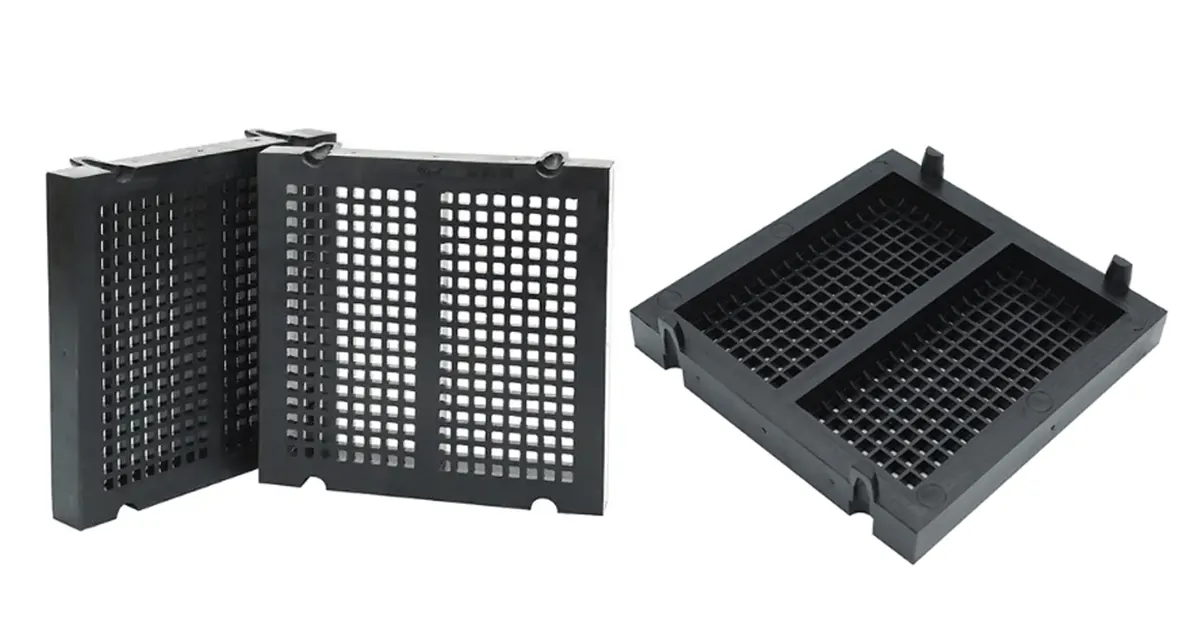
When you order Replacement Rubber Screen Panels, you want to do it right the first time. If you skip important checks, you might lose time and money. You could also have problems at work. Here is what smart buyers do before they order:
- Check each panel’s size and mounting style. Make sure they fit your machine.
- Make sure the screen works for your job, material, and equipment model.
- Look at the panels for the right thickness, bore size, and surface finish before you put them in.
If you pay attention now, you can avoid big problems later.
Key Takeaways
- Measure your old panels very carefully. Use a tape measure or caliper to get the right size.
- Check your equipment’s specifications. Know the model number and how it is installed. This helps you avoid mistakes.
- Pick the right panel type for your work. Think about the material, feed size, and how wet it is. This will help the panels work better.
- Choose the correct aperture size and shape. This helps with sorting and stops blockages.
- Make sure you know the fixing method before you order. It must match your deck so you do not have problems installing it.
- Think about custom panels if you have special needs. They can fix problems like odd deck shapes or tough materials.
- Look at how hard the panel is. Softer panels are better for sticky stuff. Harder panels last longer with rough feeds.
- Do not pick just by price. Focus on good quality and fit. This saves money on new panels and less downtime later.
What Are Replacement Rubber Screen Panels
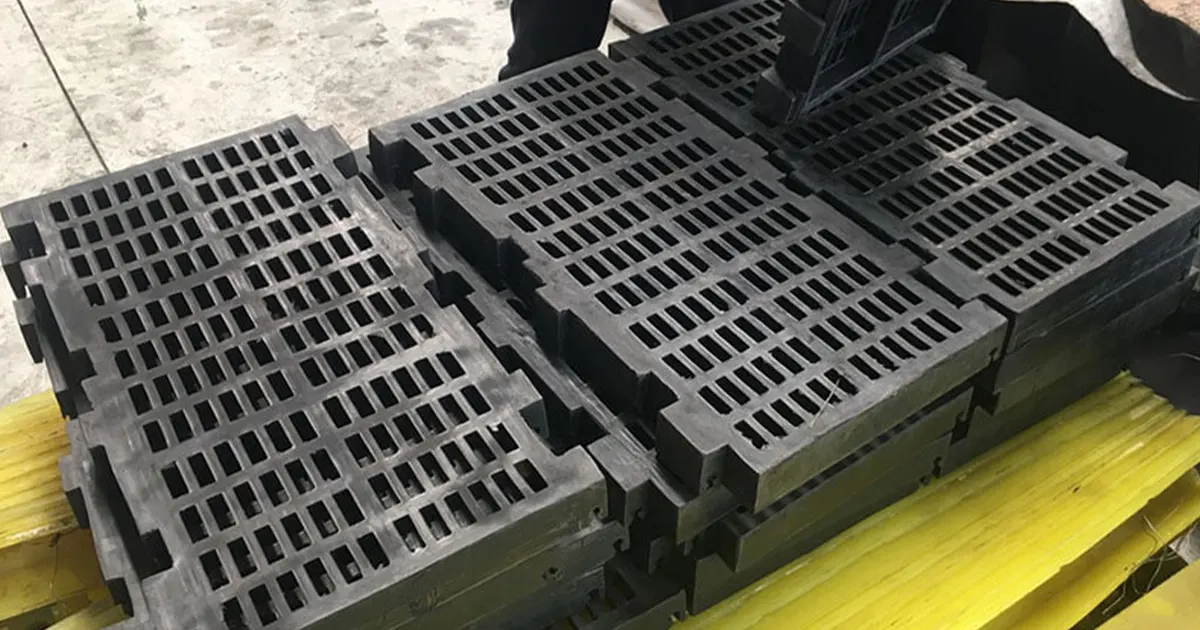
Replacement Rubber Screen Panels help your machines work well. You use them to sort things by size in machines like vibrating screens and trommel screens. These panels are strong and help with hard jobs in mining, recycling, or construction.
Impact-Absorbing Media
You want your machines to last a long time. These panels help with that. They take in the force from rocks and gravel. This keeps your machines from getting hurt. It also makes your worksite quieter. You will not need to fix your machines as much. Rubber panels can handle water, chemicals, and rough use. They work well in wet and dirty places.
Here is what these panels do for you:
| Function/Advantage | Description |
|---|---|
| Handles high-volume and mucky feed materials | Deals with tough stuff in big jobs. |
| Reduces noise and impact damage | Makes your work quieter and keeps your machines safe. |
| Excellent resistance to moisture, chemicals, and abrasion | Lasts longer in hard places. |
| Improves sorting efficiency | Helps you sort things faster and better. |
| Extends equipment lifespan | Means less fixing and saves you money. |
Modular and Trommel Panels
You can pick different panel types for your job. Modular panels snap together fast and are easy to change. Trommel panels fit round drum screens and move lots of material. Both types work in many jobs.
Here are some places you might use these panels:
| Industry/Application | Specific Use Cases |
|---|---|
| Recycling Facilities | Sorting plastics, metals, glass, and old electronics. |
| Construction Industry | Sorting sand, gravel, and rocks for roads and concrete. |
| Wastewater Treatment Plants | Taking out solids from dirty water. |
| Power Generation | Sorting coal before burning it for power. |
| Chemical Processing | Handling harsh liquids and powders. |
| Landfill Management | Sorting trash from building sites. |
| Pharmaceuticals | Sorting small pieces in clean rooms. |
| Marine & Dredging | Sorting sand and dirt, even in salty water. |
Key Features and Benefits
Replacement Rubber Screen Panels are tough and last long. They do not get blocked by wet or sticky stuff. Some panels do not burn easily for safety. Some have steel inside for more strength. You can pick soft rubber for bending or hard rubber for longer use.
Here is how rubber compares to other materials:
| Material | Durability Characteristics | Performance Characteristics |
|---|---|---|
| Rubber | Takes hits, lasts long, bends easily | Does not get blocked, good for big pieces |
| Polyurethane | Very tough, handles rough use, good for wet screens | How it works depends on the type |
| Steel | Wears out faster, needs more changes | Loud, lets small pieces go through fast |
If you want panels that last, are quiet, and do hard jobs, rubber is a good pick. You get good results and less time fixing things, so you get more work done.
Compatibility With Existing Equipment
Measuring Panels
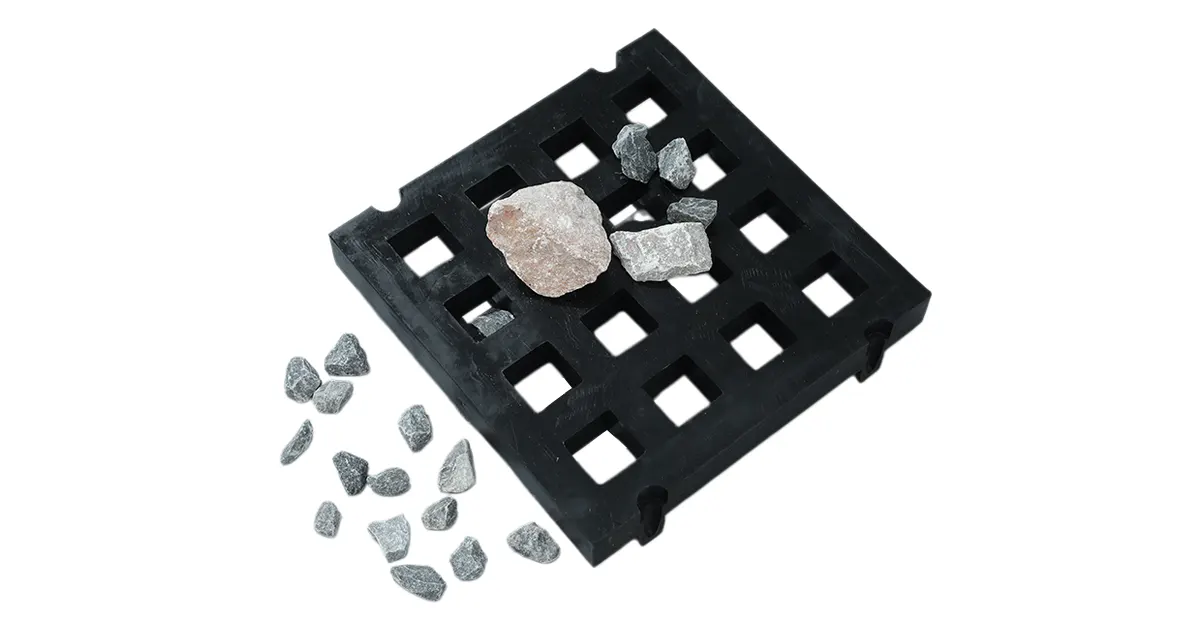
You want your new panels to fit right the first time. Start by measuring your old panels. Use a tape measure or caliper for the best results. Write down the length, width, and thickness. Even small mistakes can cause big problems later.
Here’s a handy table with common measurements you might see:
| Measurement Type | Example Dimensions |
|---|---|
| Length | 49.25″ (King Cobra series) |
| Width | 25″ (King Cobra series) |
| Thickness | 33mm (King Cobra series) |
| Length | 41-3/8″ (FLC500 series) |
| Width | 27 3/8″ (FLC500 series) |
| Thickness | 5mm (FLC500 series) |
| Pyramid Peak Height | 1″ off the screen surface |
| Hook Height | Varies by design |
| Rubber Size | Affects screen performance |
| Tolerance | Minor differences allowed |
Tip: Always measure more than one panel. Sometimes panels wear down or stretch over time. Double-check your numbers before you order.
Checking Equipment Specs
You need to know your machine’s details before you buy Replacement Rubber Screen Panels. Look for the equipment manual or check the label on your screen box. Write down the model number and serial number. These numbers help you match the right panel to your machine.
Check these things:
- Panel size and shape
- Deck layout (flat, curved, or stepped)
- Support bar spacing
- Fixing method (how the panel attaches)
- Panel installation direction
If you can’t find the specs, take clear photos of your screen deck. Show the mounting points and any special features. This helps your supplier give you the right advice.
Identifying Panel Type
Not all panels work the same way. You need to know what type you have. Some panels bolt down. Others use pins and clips. Some slide into rails or stringers. If you pick the wrong type, your panel won’t stay in place.
Here’s a quick look at common fixing arrangements:
| Fixing Arrangement | Description |
|---|---|
| Bolt-down | Panels are secured using bolts to the deck. |
| Pin & Clip | Pins and clips hold the panels in place. |
| Rail/Stringer | Rails or stringers keep the panels steady on the deck. |
If you’re not sure, ask your maintenance team or send a photo to your supplier. Getting the right panel type means less downtime and fewer headaches.
Deck Layout
You need to know your deck layout before you order new panels. The deck is the surface where you place your Replacement Rubber Screen Panels. Decks come in different shapes. Some are flat. Some have steps. Others curve or tilt. Each layout changes how the panels fit and work.
If you have a flat deck, you can use standard panels. Stepped decks need panels that match each level. Curved decks need flexible panels or special shapes. If you use the wrong panel, you might see gaps or poor screening. That means you lose time and money.
Here’s a quick way to check your deck layout:
- Look at your screen from the side.
- Notice if the surface is flat, stepped, or curved.
- Take a photo and draw a simple sketch.
- Show this to your supplier.
Tip: If you are not sure, ask your maintenance team. They know the deck layout and can help you avoid mistakes.
Support Bar Spacing
Support bars hold your panels in place. They run under the deck and give strength to the screen. You must measure the space between these bars. If the spacing is wrong, your panels might sag or break.
Here’s how you can measure support bar spacing:
- Remove one old panel.
- Use a tape measure to check the distance from the center of one bar to the next.
- Write down each measurement. Some decks have different spacing in different spots.
| Deck Type | Typical Bar Spacing (inches) |
|---|---|
| Flat | 12 – 18 |
| Stepped | 10 – 16 |
| Curved | Varies, check each section |
If you get the spacing right, your Replacement Rubber Screen Panels will last longer and work better.
Fixing Method
You need to know how your panels attach to the deck. This is called the fixing method. There are many ways to fix panels. Some use bolts. Some use pins and clips. Others slide into rails.
If you pick the wrong fixing method, you can’t install the panels. You might waste time and money. Always check your old panels and the deck. Look for holes, slots, or rails.
Here are common fixing methods:
- Bolt-down: You see bolts holding the panel.
- Pin and clip: You see pins or clips at the edges.
- Rail system: The panel slides into a metal rail.
Note: Take a close-up photo of the fixing points. Share it with your supplier. This helps you get the right panels every time.
Panel Installation Direction
You might not think about which way you install your panels, but it matters a lot. If you put a panel in the wrong direction, it can wear out faster or even fall out. Some panels have a special side that faces the feed. Others have a pattern that lines up with the flow of material. When you get this right, your screen works better and lasts longer.
Here’s how you can check the installation direction:
- Look for arrows or marks on the panel. Many panels have these to show the right way.
- Check your equipment manual. It often shows which way the panels should face.
- Ask your supplier if you are not sure. A quick photo can help them guide you.
Tip: Always install panels so the material flows over them as designed. If you see uneven wear or panels popping out, double-check the direction.
Some panels have a “top” and a “bottom.” Others have a smooth side and a textured side. If you mix these up, you might get poor screening or more blockages. Take your time and make sure every panel faces the right way.
Panel Interchangeability
You want to make your job easier, right? That’s where panel interchangeability comes in. If your Replacement Rubber Screen Panels are interchangeable, you can swap them out fast. You don’t need to worry about mixing up panels from different spots on the deck.
Here’s why interchangeability helps you:
- You save time during maintenance.
- You keep less stock in your warehouse.
- You reduce mistakes when installing new panels.
But not all panels are interchangeable. Some decks use panels with different sizes or fixing methods in different spots. Before you order, check if your panels are all the same or if you need special ones for certain areas.
| Panel Type | Interchangeable? | What to Check |
|---|---|---|
| Modular Panels | Often yes | Size, fixing method, thickness |
| Trommel Panels | Sometimes | Curved shape, mounting holes |
| Custom Panels | Rarely | Unique size or fixing |
Note: Always label your panels when you take them off. This helps you remember where each one goes, especially if some are not interchangeable.
If you want to switch to fully interchangeable panels, talk to your supplier. They can help you pick a system that fits your deck and makes future changes easier.
Replacement Rubber Screen Panels: Key Details to Check
Panel Size and Thickness
You want your new panels to fit perfectly. Start by checking the size and thickness of your old panels. If you get these numbers wrong, your panels might not sit right or could even fall out during use. Always measure the length, width, and thickness with a tape measure or caliper. Write down your numbers and double-check them.
Most Replacement Rubber Screen Panels come in standard modular sizes. You can see some common options in the table below:
| Screen Type | Dimensions (mm) | Aperture Range (mm) | Rubber Thickness (mm) |
|---|---|---|---|
| High-Performance Rubber Modular | 305 × 305 / 305 × 610 | Square: 3–125 | 3–50 |
| Screens | Slotted: 12 × 24 to 70 × 95 | 7–25 | |
| Self-Supporting Rubber Panel | 610 × 610 × 80 | ≥ 50 | N/A |
You might see panels with steel backing for extra strength. Thicker panels last longer but can be heavier. If you are not sure which thickness you need, ask your supplier for advice.
Tip: Always measure more than one panel. Some panels wear down or stretch over time.
Aperture Size and Shape
Aperture means the holes in your screen panel. The size and shape of these holes decide what gets through and what stays on top. If you pick the wrong aperture, your screen might block up or let the wrong material pass.
You can choose from square or slotted apertures. Square holes work well for most jobs. Slotted holes help with wet or sticky materials. The right size and shape make your screening faster and more accurate.
Here’s a quick look at how aperture size affects your work:
| Parameter | Impact on Performance |
|---|---|
| Aperture Size | Controls how fast material moves and how well you separate sizes. |
If you want to sort big rocks, pick larger apertures. For fine sand, go with smaller holes. Always check your equipment manual or ask your supplier if you are not sure.
Panel Hardness
Panel hardness tells you how soft or tough the rubber is. You measure hardness in Shore A. Softer panels bend more and help with sticky or wet materials. Harder panels last longer when you screen sharp or rough rocks.
Choosing the right hardness keeps your panels working longer and helps you avoid blockages. Here’s how hardness changes performance:
| Parameter | Impact on Performance |
|---|---|
| Rubber Hardness | Softer panels handle sticky stuff. Harder panels work better with sharp, rough rocks. |
If you screen a lot of clay or wet sand, softer panels might be best. For heavy-duty jobs with sharp stones, pick harder panels. You can always ask your supplier for help if you are not sure which hardness to choose.
Note: Accurate measurements and the right hardness keep your Replacement Rubber Screen Panels working their best.
Opening Pattern
You might think all screen panels look the same, but the opening pattern makes a big difference. The pattern is how the holes or slots are arranged across the panel. You need to check this before you order Replacement Rubber Screen Panels. The right pattern helps you sort material faster and keeps your screen from plugging up.
Here are some common opening patterns:
- Straight Rows: Holes line up in neat rows. This works well for dry material and gives you steady flow.
- Staggered Rows: Holes are offset. This helps with wet or sticky material and reduces blockages.
- Custom Patterns: Some panels have special shapes or mixed patterns. These are made for unique jobs.
If you use the wrong pattern, you might see slow sorting or more downtime. Always match the opening pattern to your job and material. Ask your supplier if you need help picking the best one.
Tip: Take a photo of your old panel’s opening pattern. Show it to your supplier. This helps you get the right Replacement Rubber Screen Panels every time.
| Opening Pattern | Best For | What It Does |
|---|---|---|
| Straight Rows | Dry, free-flowing feed | Steady sorting, easy cleaning |
| Staggered Rows | Wet, sticky material | Less plugging, faster flow |
| Custom Patterns | Special applications | Solves unique screening needs |
Fixing System
You need to know how your panels attach to the deck. The fixing system keeps your Replacement Rubber Screen Panels in place. If you pick the wrong system, your panels might fall out or wear down too fast.
Here are the main fixing systems you’ll see:
- Bolt-down: You use bolts to secure the panel. This is strong and works for heavy-duty jobs.
- Pin and Clip: Pins and clips hold the panel. You can change panels quickly with this system.
- Rail System: The panel slides into a metal rail. This is fast and easy for modular panels.
Check your old panels and deck for holes, slots, or rails. Write down what you see. If you’re not sure, ask your maintenance team or send a photo to your supplier.
Note: Always match the fixing system to your equipment. If you switch systems, you might need new parts or tools.
| Fixing System | How It Works | When To Use |
|---|---|---|
| Bolt-down | Bolts hold panel tight | Heavy-duty, high-impact jobs |
| Pin and Clip | Pins/clips secure panel | Quick changes, modular decks |
| Rail System | Panel slides in rail | Fast swaps, modular panels |
Support Structure
The support structure is what holds your panels up. If you don’t check this, your Replacement Rubber Screen Panels might sag or break. You need to look at the bars or beams under your deck. Measure the spacing and write it down.
Here’s what you should check:
- Bar Spacing: Measure from the center of one bar to the next. This keeps panels from bending.
- Bar Shape: Some bars are flat, others are round or angled. Match your panel to the bar shape.
- Strength: Make sure your bars can handle the weight and impact. Weak bars lead to broken panels.
If you get the support structure right, your panels last longer and work better. You save money and avoid downtime.
Alert: If your support bars are worn or bent, fix them before you install new panels. This protects your investment.
| Support Structure | What To Check | Why It Matters |
|---|---|---|
| Bar Spacing | Measure each section | Prevents sagging and damage |
| Bar Shape | Match panel design | Ensures proper fit |
| Bar Strength | Inspect for wear | Keeps panels working longer |
You want your Replacement Rubber Screen Panels to fit perfectly and last. Take your time checking these details. If you need help, your supplier can guide you.
Application Factors
Material Type
You have to know what you are screening first. The material type changes how your panels work. Are you dealing with rocks, sand, wet clay, or sticky waste? Each material acts in its own way on the screen deck. Some materials are heavy and rough. Others are light or sticky. If you pick the wrong panel, you might get blockages. Your panels could wear out fast or not sort well.
Let’s see where different panel types work best:
| Panel Type | Description | Best Use Case |
|---|---|---|
| Woven Wire-Reinforced Panels | Combine rubber with steel or synthetic mesh for stability and control. | Fine screening and high-tension applications. |
| Perforated Rubber Panels | Solid rubber sheets with holes for improved flow. | Wet screening, dewatering, and scalping. |
| Modular Panel Systems | Interlocking tiles for quick replacement. | Reduces maintenance time and increases uptime. |
| Self-Cleaning Designs | Features to minimize blinding and pegging. | Processing sticky or moist materials. |
If you have sticky or wet material, self-cleaning panels help a lot. For fine screening, wire-reinforced panels give you more control. If you are not sure which panel to use, ask your supplier for help.
Tip: Always match your panel to your material. This helps your screen last longer and saves money.
Feed Size
Feed size means how big the stuff is that you put on your screen. Big rocks need strong panels with big holes. Fine sand or small pieces need panels with smaller holes. If the holes are too big, you lose good material. If the holes are too small, your screen can get clogged.
Here is a simple guide:
- Large feed: Use panels with bigger holes and thicker rubber.
- Small feed: Pick panels with smaller holes and finer mesh.
- Mixed feed: Modular panels let you change sections for different sizes.
You can see how panel design changes with feed size in this table:
| Selection Factor | Key Considerations | Recommended Use Cases | Performance Indicators |
|---|---|---|---|
| Panel Design | Material size, moisture, screening efficiency | Perforated: wet screening; Woven: fine separation | Open area %, blinding resistance, flow rate |
If you do not know your feed size, measure a few pieces and check your equipment manual.
Moisture Content
Moisture content tells you how wet your material is. Wet stuff sticks to panels and can block the holes. Dry stuff moves easily and does not need much help. If you screen wet feed, you need panels that stop blinding and plugging.
Self-cleaning panels and perforated rubber panels are good for wet jobs. They keep your screen clear and help things move faster. For dry feeds, you can use regular panels with straight rows.
Here is a table to help you choose:
| Selection Factor | Key Considerations | Recommended Use Cases | Performance Indicators |
|---|---|---|---|
| Panel Design | Material size, moisture, screening efficiency | Perforated: wet screening; Woven: fine separation | Open area %, blinding resistance, flow rate |
Alert: If your screen keeps plugging up, check how wet your material is. You might need panels with self-cleaning features.
You can make screening easier by matching your panel to how wet your material is. This keeps your work running smooth and saves time.
Abrasiveness
You might not think about how rough your material is, but abrasiveness can change everything. If you screen sharp rocks, gravel, or minerals, your panels take a beating. Soft materials like clay or sand don’t wear panels out as fast. When you choose Replacement Rubber Screen Panels, you need to match the panel to the toughness of your feed.
Let’s break it down. Abrasive materials scratch, cut, or grind your panels. Over time, this causes holes, cracks, and even complete failure. You don’t want to replace panels every month. You want panels that last.
Here’s a quick checklist for handling abrasive materials:
- Pick panels with higher hardness (Shore A rating).
- Look for panels with steel backing or reinforced edges.
- Ask your supplier about abrasion-resistant rubber compounds.
- Check for thicker panels in high-wear zones.
Tip: If you see grooves or deep scratches on your old panels, your material is probably very abrasive. Take a photo and show it to your supplier. They can help you choose tougher panels.
You can use this table to compare panel options for abrasive jobs:
| Panel Feature | Why It Matters | Best For |
|---|---|---|
| High Hardness | Resists cutting and scratching | Sharp rocks, minerals |
| Steel Backing | Adds strength and durability | Heavy-duty screening |
| Extra Thickness | Lasts longer under heavy wear | High-impact areas |
| Abrasion-Resistant Mix | Slows down wear and tear | Continuous rough feed |
If you work in mining, quarrying, or recycling, you probably deal with abrasive materials every day. You need panels that can handle the punishment. Don’t settle for standard panels if your feed is rough. Ask for abrasion-resistant options.
You can spot wear problems early. Look for uneven wear, holes, or panels that break before their time. If you see these signs, switch to tougher panels. You’ll save money and avoid downtime.
Alert: Abrasive materials can destroy panels fast. If you ignore this factor, you risk frequent replacements and lost productivity.
You can also rotate panels in high-wear spots. Move panels from the feed end to the discharge end. This spreads out the wear and helps panels last longer.
You don’t have to guess. Ask your supplier for samples or test panels. Try them out and see how they hold up. You can always upgrade to a tougher mix if needed.
If you pay attention to abrasiveness, you get panels that last. You keep your screen running and your costs down. That’s smart screening.
Why Technical Confirmation Matters Before Ordering
Avoiding Fit and Installation Problems
You want your new rubber screen panels to fit right the first time. If you skip technical checks, you might end up with panels that don’t match your deck or fixing system. That means you can’t install them, or you have to force them in. This leads to wasted time and frustration.
Here’s what you avoid when you confirm details with your supplier:
- Panels that don’t line up with your support bars.
- Holes or slots that don’t match your fixing system.
- Panels that are too thick or too thin for your deck.
- Trouble with installation because of wrong panel direction or shape.
You can save yourself a lot of headaches by double-checking measurements and installation instructions. Always ask your supplier for advice if you’re unsure. A quick call or photo can prevent big problems later.
Tip: Always lay out your panels before installing. This helps you spot any fit issues before you start.
Reducing Downtime and Replacement Costs
Every minute your screen sits idle, you lose money. If you order the wrong panels, you might have to wait days or weeks for replacements. That means lost production and extra costs. You also spend more on labor if your team has to redo the job.
When you confirm technical details before ordering, you keep your operation running smoothly. You get panels that fit, work well, and last longer. You also avoid emergency orders and rush shipping fees.
Here’s how technical confirmation helps you save:
- Less time spent fixing mistakes.
- Fewer emergency orders for replacement parts.
- Lower labor costs because installation goes faster.
- More uptime for your screening equipment.
You want your team to work smarter, not harder. Taking time to check specs now means fewer surprises later.
Preventing Performance and Wear Issues
You want your screen panels to do their job well. If you pick the wrong panel, you might see poor sorting, blockages, or fast wear. Technical confirmation helps you match the right panel to your material, feed size, and equipment.
Let’s look at what you gain by confirming with your supplier:
- Panels that meet your performance standards.
- Installation that follows the right instructions.
- Early spotting of wear or damage that could cause trouble.
- Panels that fit your equipment and work as expected.
You can also ask about custom options if you have special needs. Suppliers offer panels in many sizes, shapes, and hardness levels. Here’s a quick look at what you can customize:
| Feature | Description |
|---|---|
| Sizes | From 1mm to 150mm for different jobs. |
| Aperture Configurations | Square, slotted, round, or custom for your application. |
| Rubber Hardness Levels | Soft, medium, hard, or special mixes for your material. |
| Installation | Modular designs for fast, tool-free changes. |
| Compatibility | Fits many screen types from top manufacturers. |
Alert: If you see uneven wear or poor performance, talk to your supplier. They can help you adjust your panel choice for better results.
Taking time for technical confirmation keeps your operation smooth, saves money, and helps your panels last longer.
Preventing Performance and Wear Issues
You want your screening equipment to work its best, right? If you skip technical checks before ordering, you might run into big problems. Your panels could wear out too fast, or your screen might not sort material the way you need. Let’s talk about how you can prevent these headaches.
First, think about what happens when you use the wrong panel. You might see blockages, uneven wear, or even holes in your panels. Sometimes, the material just sits on top and doesn’t move. Other times, everything falls through, and you lose good product. You don’t want that.
Here’s how you can stop these problems before they start:
- Check the aperture size and shape. Make sure the holes in your panel match the size of the material you want to screen. If the holes are too small, your screen will plug up. If they’re too big, you’ll lose valuable material.
- Pick the right rubber hardness. Softer panels help with sticky or wet material. Harder panels last longer with sharp rocks or heavy loads.
- Look at the opening pattern. Staggered holes help with wet or sticky stuff. Straight rows work well for dry material.
- Match the panel to your application. If you screen abrasive material, ask for panels with extra thickness or steel backing.
Tip: Always tell your supplier about your material and how you use your screen. They can help you pick the best panel for your job.
You can also spot wear issues early if you know what to look for. Here’s a quick checklist:
| Problem You See | What It Means | What To Do |
|---|---|---|
| Uneven wear | Wrong panel direction or layout | Check installation and alignment |
| Fast wear or holes | Material too rough for panel type | Ask for tougher panels |
| Blockages or plugging | Aperture too small or wrong pattern | Try self-cleaning or bigger holes |
| Poor sorting | Wrong aperture or panel design | Review specs with your supplier |
If you want your panels to last, you need to check every detail before you order. Don’t guess. Take photos, measure your old panels, and write down what you see. Share this info with your supplier.
Sometimes, you need something special. Maybe your material is extra sticky, or your deck has a unique shape. Custom panels can solve these problems. You can ask for flame-retardant rubber, anti-plugging designs, or special sizes.
Alert: If you see the same problem over and over, don’t just replace the panel. Talk to your supplier about a better solution.
When you confirm all the technical details, you get panels that fit, last longer, and keep your operation running. You save money, avoid downtime, and get the results you want. That’s smart screening.
Common Ordering Mistakes
Wrong Measurements
You might think measuring your old panels is simple. Many people make mistakes here. If you get the length, width, or thickness wrong, your new panels will not fit. You could end up with gaps, loose panels, or even panels that fall out during use. That means wasted money and more downtime.
Here’s how you can avoid this mistake:
- Use a tape measure or caliper for every panel.
- Measure more than one panel. Old panels can stretch or wear down.
- Write down your numbers and double-check them.
- Take photos of your measurements for your records.
Tip: Always ask someone else to check your numbers. Two sets of eyes are better than one.
Ignoring Specs
You might feel tempted to skip the technical details. Maybe you think, “All panels are the same.” That’s not true. Every screen deck has its own specs. If you ignore these, you could order panels that do not match your fixing system, support bar spacing, or deck layout.
Here’s what can go wrong:
- Panels won’t attach to your deck.
- Holes or slots do not line up.
- Panels are too thick or too thin.
You can avoid these problems by checking your equipment manual. Write down the model number and any special features. If you can’t find the specs, take clear photos and send them to your supplier.
Alert: Ignoring specs can lead to wasted time, extra costs, and a lot of frustration.
Overlooking Application Needs
You need to think about what you are screening. Some buyers forget this step. They pick panels without thinking about the material type, feed size, or moisture content. This can cause blockages, fast wear, or poor sorting.
Let’s say you choose a panel just because it’s cheap. You might save money at first, but you could lose much more later. Downtime can cost you in ways you might not see right away. Here’s a look at what can happen:
| Hidden Costs of Downtime | Description |
|---|---|
| Reputational Damage | You lose customer trust. This can hurt your business for a long time. |
| Expedited Recovery Costs | You pay overtime, rush fees, and emergency repairs. These add up fast. |
| Supply Chain Disruptions | Delays can upset your partners and vendors. You might even face penalties. |
| Regulatory Fines | You could get fined if you miss legal or contract deadlines. |
| Employee Morale | Your team gets frustrated and may leave if outages happen often. |
| IT-related Expenses | You might lose data or face legal trouble if systems go down. |
| Opportunity Costs | You miss sales and delay new products. This hurts your bottom line. |
Note: Always match your panel to your job. Think about your material, feed size, and how wet or rough your feed is. If you’re not sure, ask your supplier for advice.
Choosing the right panel for your application keeps your operation running and saves you money in the long run.
Price-Only Decisions
You want to save money. Everyone does. But picking your replacement rubber screen panels based only on price can cost you much more in the long run. Cheap panels might look like a good deal at first. They can fool you with a low price tag. But what happens after you install them? You might face problems that cost you time, money, and even your reputation.
Let’s break it down. Here’s what can go wrong when you choose the cheapest option:
- The panels wear out fast. You have to replace them more often.
- They might not fit your deck. You spend extra time trying to make them work.
- Cheap panels can break or tear during use. This means more downtime.
- You might see poor screening. Good material gets lost, or bad material slips through.
Alert: The lowest price does not always mean the best value. You could end up paying more for repairs, replacements, and lost production.
Here’s a quick table to show what you really pay for when you buy cheap panels:
| What You Save | What You Risk Losing |
|---|---|
| A few dollars | More downtime |
| Higher labor costs | |
| Lost product quality | |
| Extra shipping for rush orders | |
| Customer trust |
You want your operation to run smoothly. You want panels that last and do the job right. Sometimes, a higher-quality panel costs a little more up front. But it saves you money over time. You get fewer breakdowns, less downtime, and better results.
Here’s how you can make smarter choices:
- Ask your supplier about the lifespan of each panel.
- Check if the panel comes with a warranty or support.
- Look at reviews or ask other users about their experience.
- Think about the total cost, not just the price tag.
Tip: Always balance price with quality, fit, and support. A good panel pays for itself by keeping your screen running and your team happy.
You don’t have to pick the most expensive panel every time. Just don’t let price be your only guide. Think about what you need, what you want to avoid, and what will help your business grow. Smart buyers look at the big picture. You can too.
When to Choose Custom Panels
Sometimes, standard rubber screen panels just don’t cut it. You might run into jobs where nothing off the shelf fits your needs. That’s when you should think about custom panels. Let’s talk about when you need to go custom and what makes these panels special.
Unique Deck Layouts
You might have a screen deck that looks different from most. Maybe it’s curved, stepped, or has odd shapes. Standard panels won’t always fit these decks. Custom panels can match your deck’s exact shape and size. You get a perfect fit, so you don’t have to worry about gaps or loose panels.
Here’s when you should consider custom panels for unique layouts:
- Your deck has curves or angles that standard panels can’t cover.
- You use a stepped deck with different levels.
- Your equipment is older or has been modified over time.
Custom panels give you flexibility. You can ask for special shapes, sizes, or even colors to help with installation.
Challenging Conditions
Some jobs are just tougher than others. Maybe you work with sharp rocks, sticky clay, or very wet material. These conditions can wear out regular panels fast. Custom panels let you pick the right rubber mix, thickness, and features for your job.
You might need custom panels if:
- You screen very abrasive materials that chew up standard panels.
- Your feed has lots of moisture and causes plugging.
- You need panels that clean themselves or resist chemicals.
Custom panels can handle high throughput or reduce maintenance. You can ask for steel backing, extra thickness, or special surface patterns. This helps your panels last longer and work better.
Special Performance Needs
Sometimes, you need your screen to do more than just separate material. Maybe you want to control the size of every particle that passes through. Or you need panels that won’t catch fire or will stop plugging. Custom panels let you fine-tune every detail.
Here are some special features you can get with custom panels:
- Flame-retardant rubber for safety in hot environments.
- Anti-plugging designs for sticky or wet material.
- Exact aperture sizes and shapes for precise sorting.
- Reinforced edges for heavy-duty jobs.
Custom panels are great when you have unique operational demands. You can boost efficiency and make your panels last longer. If you have a special project or a tough job, talk to your supplier about custom options.
Tip: If you find yourself making lots of repairs or fighting with poor performance, it’s time to look at custom panels. They can solve problems that standard panels can’t.
Custom rubber screen panels give you control. You get the right fit, the right features, and better results for your operation.
Information to Prepare for Manufacturers
Drawings and Photos
You want your new rubber screen panels to fit perfectly. The best way to help your supplier is to share clear drawings and photos. Take pictures of your old panels, the deck, and any special features. Snap close-ups of the fixing points, edges, and support bars. If you have technical drawings, send those too. Even a simple sketch with measurements can help a lot.
Photos show things that words sometimes miss. Drawings give exact sizes and shapes. When you share both, you make it much easier for the manufacturer to understand your needs. This means you get panels that fit right the first time.
Tip: Use your phone to take pictures from different angles. Label each photo so your supplier knows what they are looking at.
Deck and Panel Details
You need to gather all the important details about your deck and panels before you order. These details help your supplier match the right panel to your equipment. If you skip this step, you might get panels that do not fit or work well.
Here’s a table to show what you should check and why it matters:
| Specification Type | Importance |
|---|---|
| Dimensions | Ensures the correct fit for the screen deck, preventing misalignment. |
| Fastening System | Confirms the method of attachment to avoid installation issues. |
| Edge Design | Matches the screen frame configuration to enhance stability during use. |
You should also think about:
- Custom lengths, widths, and thicknesses for a perfect fit.
- Special bore sizes and patterns for better sorting.
- Different edge designs to keep panels secure.
Write down all these details. Take measurements with a tape measure or caliper. If you are not sure about something, ask your maintenance team or take a photo.
Note: The more details you share, the less chance you have of getting the wrong panel.
Operating Conditions
You need to tell your supplier about the conditions where your panels will work. This helps them pick the right rubber mix, thickness, and design. Every job is different. Some jobs have sharp rocks. Others have sticky clay or lots of water.
Think about these questions:
- What kind of material do you screen? Is it rough like granite or soft like limestone?
- Is your feed wet or dry? Does it have clay that sticks to everything?
- What size do you want to separate? Write down the target cut size in millimeters.
Rubber screens work in many places—quarries, mines, recycling plants, and washing lines. Each place has its own needs. When you share your operating conditions, you help your supplier give you panels that last longer and work better.
Alert: If you have special problems like plugging or fast wear, tell your supplier. They can suggest custom panels to solve these issues.
Performance Goals
You want your new rubber screen panels to do more than just fit your deck. You want them to help your operation run smoother, faster, and with fewer problems. Before you reach out to a manufacturer, you should think about your performance goals. These goals tell your supplier what you expect from your panels. When you share your goals, you get panels that work better for your job.
Start by asking yourself a few questions:
- What do you want your panels to achieve?
- Are you looking for better sorting accuracy?
- Do you want less downtime or easier maintenance?
- Is noise reduction important for your site?
- Are you hoping for longer panel life or fewer replacements?
You can write down your answers and share them with your supplier. This helps them understand your needs and suggest the best options.
Here’s a table to help you organize your performance goals:
| Performance Goal | Why It Matters | What To Tell Your Supplier |
|---|---|---|
| Sorting Accuracy | Keeps product quality high | Target cut size, material specs |
| Throughput Speed | Boosts productivity | Desired tons per hour |
| Noise Reduction | Makes work safer and quieter | Current noise level, target decibel |
| Panel Lifespan | Saves money on replacements | Expected hours or cycles |
| Maintenance Ease | Reduces labor and downtime | Preferred fixing system, swap time |
| Anti-Plugging | Stops blockages and delays | Material moisture, plugging issues |
You can use this list to guide your conversation with the manufacturer:
- Tell them about your biggest pain points.
- Explain what you want to improve.
- Share any targets or numbers you have, like tons per hour or noise levels.
Tip: If you have a specific problem, like panels wearing out too fast or screens plugging up, mention it right away. Manufacturers can offer custom solutions for these issues.
You might want panels that handle sticky material, resist chemicals, or stand up to sharp rocks. You can ask for features like self-cleaning designs, flame-retardant rubber, or extra-thick panels. If you need panels for a special job, don’t be shy about asking.
Sometimes, you have goals that go beyond the basics. Maybe you want to cut maintenance time in half. Maybe you want to boost throughput by 20%. You can set these goals and share them with your supplier. They can help you pick panels that match your targets.
You can also ask about testing and feedback. Some suppliers offer trial panels or performance guarantees. You can try panels in your operation and see how they work. If you track results, you can adjust your goals and get even better panels next time.
Note: Clear performance goals help you get panels that fit your needs. You save money, avoid downtime, and get the results you want.
You can make your screening operation smarter by sharing your goals. Manufacturers want to help you succeed. When you tell them what you need, you get panels that work harder for you.
FAQ
How do I know which panel size fits my screen?
You measure your old panel’s length, width, and thickness. Write down the numbers. Double-check with your equipment manual or ask your supplier for help. Photos of your deck also make matching easier.
Can I use rubber panels for wet screening?
Yes, you can. Rubber panels work well with wet or sticky material. They resist plugging and last longer in moist conditions. Ask your supplier about self-cleaning designs for extra help.
What’s the best way to avoid panel installation mistakes?
Lay out your panels before installing. Check for arrows or marks showing direction. If you’re unsure, take a photo and ask your supplier. Always follow your equipment manual.
How often should I replace rubber screen panels?
You replace panels when you see uneven wear, holes, or blockages. Most panels last several months, but tough jobs wear them out faster. Inspect your panels regularly to catch problems early.
Are custom panels worth the extra cost?
Custom panels solve unique problems like odd deck shapes or tough materials. You pay more upfront, but you save money by avoiding downtime and getting better performance. Ask your supplier if custom options fit your needs.
What should I send to the manufacturer for a quote?
Send clear photos, measurements, and details about your deck and material. Include your performance goals and any special needs. The more info you share, the faster you get the right panel.
Can I mix different panel types on one deck?
You can mix panel types if your deck allows it. Modular panels make swapping easy. Just check that fixing systems and sizes match. Mixing helps you handle different materials or screening stages.
Do rubber panels reduce noise?
Yes, rubber panels absorb impact and cut down noise. Your worksite gets quieter, and your team stays safer. If noise is a big concern, ask your supplier about panels made for sound reduction.